Application of Tar Residue Grinding Mill in Tar Residue Treatment
Introduction
The treatment and valorization of tar residue, a complex by-product from various industrial processes such as coal gasification, biomass pyrolysis, and petroleum refining, present significant environmental and economic challenges. Characterized by high viscosity, complex hydrocarbon composition, and potential environmental hazards, effective handling requires specialized equipment. The core of modern tar residue treatment often involves a size reduction step to increase surface area, facilitating subsequent processes like extraction, chemical modification, or use as a feedstock. This article explores the critical role of grinding mills in tar residue treatment and highlights advanced technological solutions for this demanding application.
The Challenge of Tar Residue Processing
Tar residues are not uniform materials. Their properties vary widely depending on the source process, but they generally share common processing difficulties:
- High Viscosity & Adhesiveness: They tend to agglomerate and adhere to equipment surfaces, causing clogging and reducing operational efficiency.
- Thermal Sensitivity: Some components may soften or become more adhesive with heat generated during grinding.
- Abrasive Components: Inorganic impurities or coke particles within the residue can be highly abrasive, leading to rapid wear of grinding components.
- Environmental & Safety Concerns: Dust generation must be meticulously controlled to prevent emissions of volatile organic compounds (VOCs) and particulate matter.
- Targeted Fineness: Downstream applications often require a specific and consistent particle size distribution (PSD) for optimal reactivity or blendability.
Traditional crushing equipment often fails to meet these multifaceted demands, necessitating the use of advanced, purpose-built grinding mills.
Key Requirements for Tar Residue Grinding Mills
An ideal grinding system for tar residue must excel in several areas:
- Robust Material Handling: Ability to accept variable feed sizes and consistently process sticky, viscous materials without blockages.
- Precision Size Reduction & Classification: Capability to achieve a fine, uniform powder (often in the range of 45-2500 mesh) with tight control over the top cut to prevent coarse particles.
- High Wear Resistance: Critical grinding components (rollers, rings, liners) must be manufactured from special alloys or composites to withstand abrasive wear, extending service life and maintenance intervals.
- Superior Sealing & Dedusting: A fully sealed negative-pressure operation combined with high-efficiency pulse-jet baghouse collectors is essential to meet stringent environmental standards and ensure a clean working environment.
- Energy Efficiency: Given the energy-intensive nature of fine grinding, modern designs must optimize the grinding mechanism to reduce specific energy consumption (kWh/ton).
- Thermal Management: Systems should effectively manage process heat, optionally integrating hot air for drying if the feedstock has high moisture content.
Advanced Grinding Solutions for Tar Residue
Based on the specific characteristics of the tar residue (e.g., initial size, target fineness, moisture, abrasiveness) and the required throughput, different mill technologies can be applied. Two highly effective and complementary solutions stand out.
1. For Ultra-Fine Processing (SCM Ultrafine Mill)
When the treatment pathway demands extremely fine powders to maximize surface area for chemical reactions or to produce high-value additives, ultrafine grinding is paramount. Our SCM Series Ultrafine Mill is engineered precisely for such demanding applications.
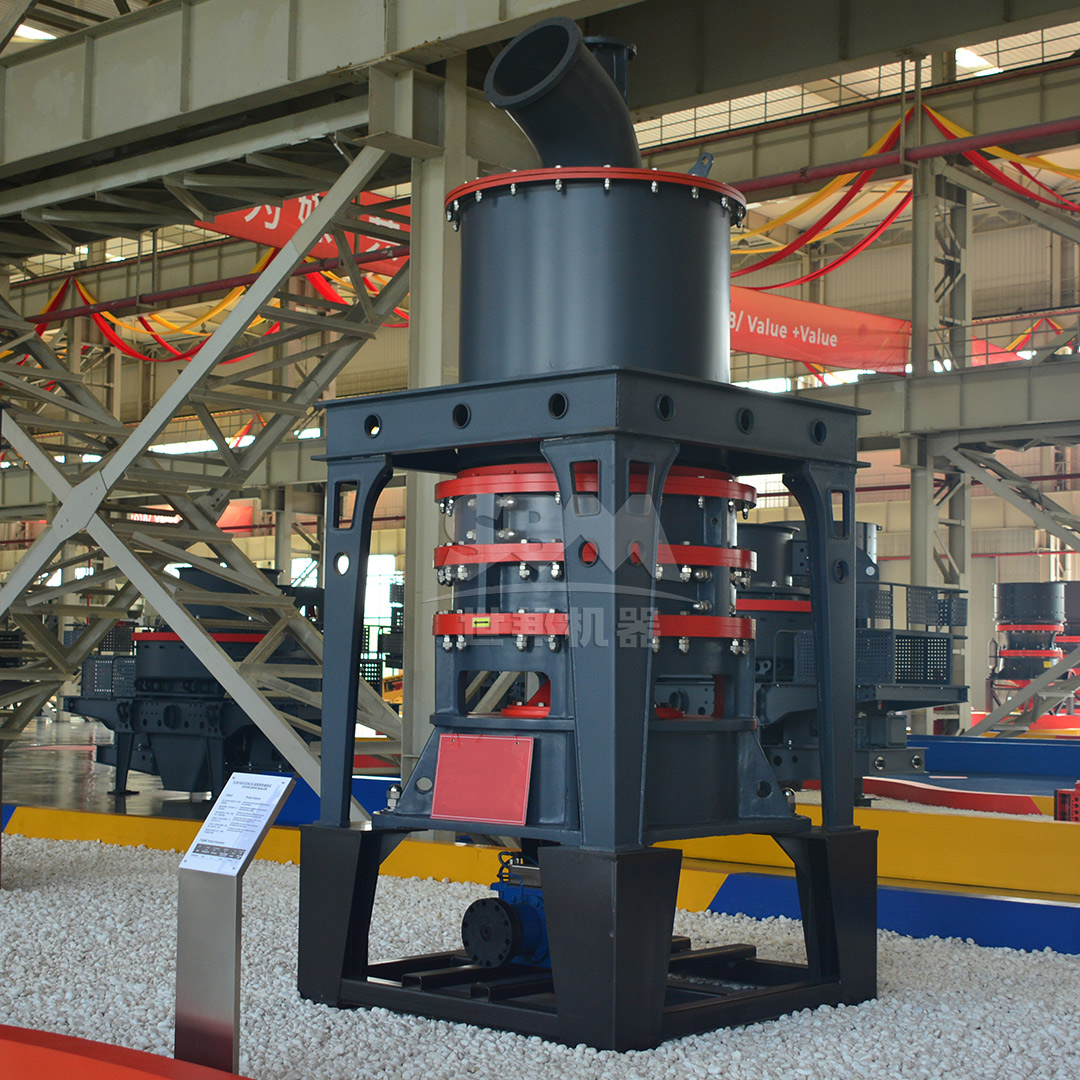
This mill excels in processing tar residue to a fineness range of 325-2500 mesh (D97 ≤5μm). Its core advantages directly address tar processing challenges:
- High-Efficiency Grinding: The unique three-ring medium-speed micro-grinding principle delivers a capacity twice that of jet mills while reducing energy consumption by 30%. This is crucial for the cost-effective production of ultra-fine tar powders.
- Precision Turbine Classifier: An integrated vertical turbine classifier ensures sharp particle size cuts, guaranteeing a uniform product without coarse grain contamination. This is vital for consistent downstream processing.
- Exceptional Durability: Key wear parts like the grinding rollers and rings are made from special wear-resistant materials, significantly extending their service life when processing abrasive tar residues.
- Comprehensive Environmental Protection: The system operates under full negative pressure, with a pulse dust collector achieving efficiency beyond international standards, ensuring no dust leakage. Its soundproof room design maintains noise levels below 75dB.
For tar residue treatment plants requiring ultra-fine powders, models like the SCM1000 (1.0-8.5 t/h, 132kW) or the SCM1680 (5.0-25 t/h, 315kW) offer scalable solutions with reliable performance and low operating costs.
2. For High-Capacity & Coarse-to-Fine Processing (MTW Series Trapezium Mill)
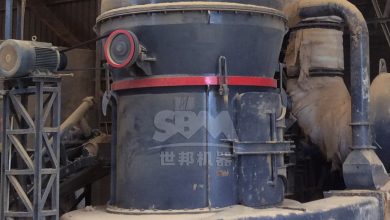
For operations involving larger volumes of tar residue or where the target fineness is in the coarse to medium-fine range (30-325 mesh), a robust and high-capacity mill is required. Our MTW Series European Trapezium Mill is the ideal workhorse for this duty.
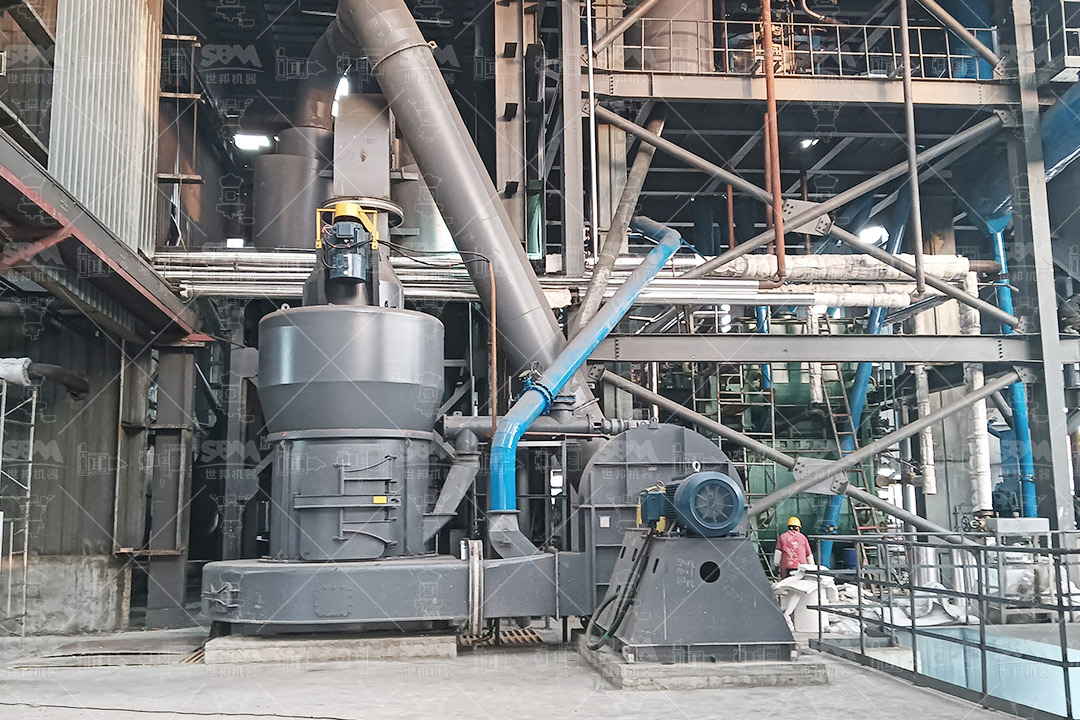
This mill is designed for heavy-duty, continuous operation with several features beneficial for tar residue:
- High Throughput & Reliability: With capacities ranging from 3 to 45 tons per hour, it can handle large-scale treatment facilities. Its sturdy construction and bevel gear overall transmission (98% efficiency) ensure stable, long-term operation.
- Wear-Resistant Design: The innovative combined wear-resistant shovel blade and curved surface grinding roller design drastically reduce maintenance costs and part replacement frequency when dealing with abrasive materials.
- Optimized Airflow: The patented curved air duct reduces airflow resistance and energy loss, improving conveying efficiency and system stability, which helps in handling the sticky nature of tar dust.
- Advanced Dedusting Options: The mill can be equipped with high-efficiency pulse dust collectors, making the entire production line environmentally friendly.
Models such as the MTW175G (9.5-25 t/h) or the MTW215G (15-45 t/h) provide the power and capacity needed for primary or secondary grinding stages in major tar residue treatment plants.
Integrated Treatment Process Flow
A typical tar residue treatment line incorporating a grinding mill involves several key stages:
- Pre-Conditioning: Raw tar residue may be pre-crushed with a crusher (e.g., Hammer Mill for 0-3mm) and dried if necessary.
- Grinding & Classification: The conditioned material is fed into the main grinding mill (SCM or MTW series). The grinding force reduces particle size, and the integrated classifier immediately separates fines.
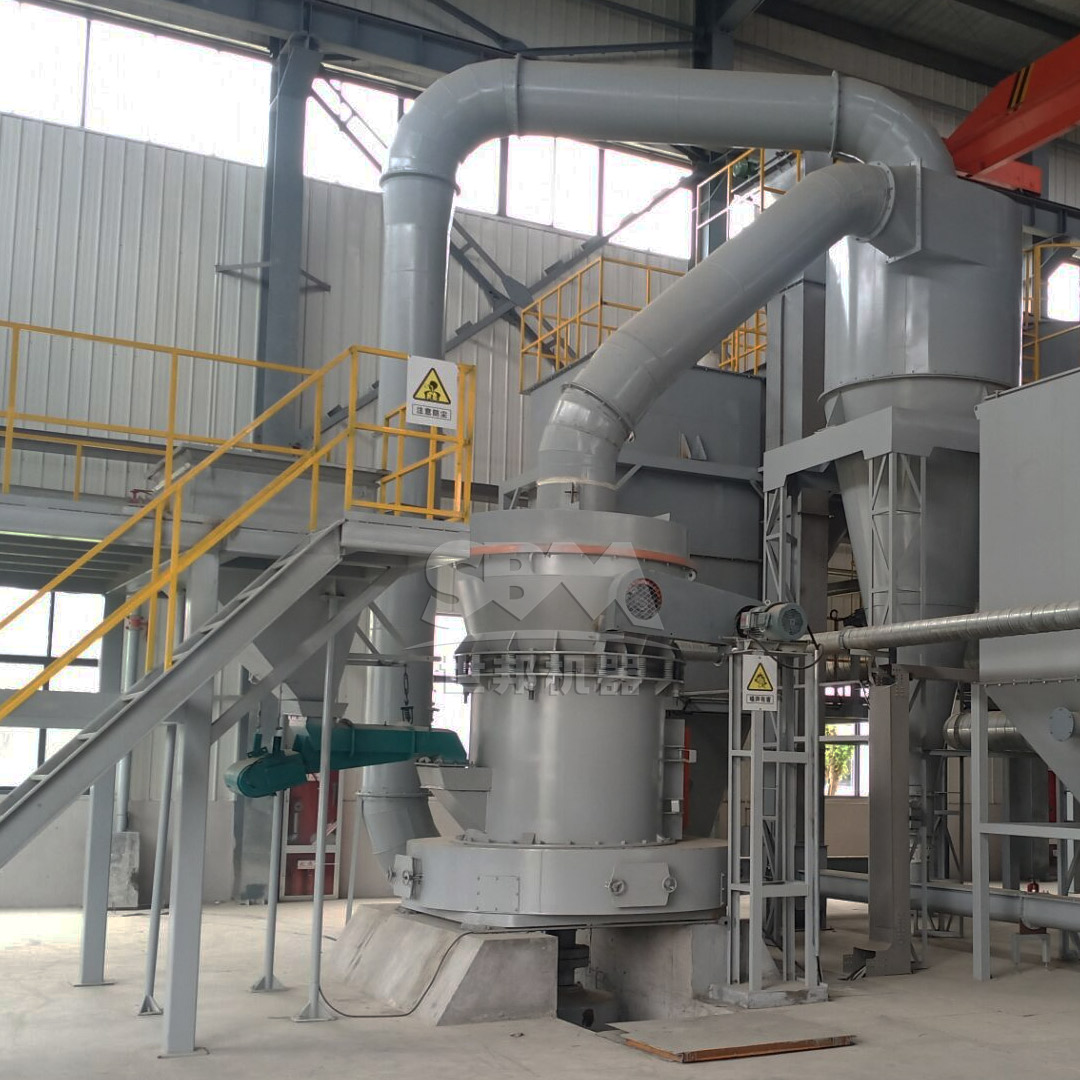
- Collection & Dedusting: The fine powder is conveyed by airflow to a cyclone separator and then to a high-efficiency pulse bag filter for final collection. The system operates under negative pressure to contain all dust.
- Post-Processing: The collected tar powder can be stored, packaged, or sent for further chemical treatment, blending, or utilization as a raw material.
Conclusion
The effective treatment of tar residue is a critical step towards sustainable industrial practices, transforming a challenging waste stream into a usable resource. The selection of the appropriate grinding technology is fundamental to this process’s technical feasibility, economic viability, and environmental compliance. Advanced mills like the SCM Ultrafine Mill and the MTW Series Trapezium Mill offer tailored solutions that address the unique challenges of tar residue—from stickiness and abrasiveness to the need for precise fineness control and impeccable dust containment. By integrating these high-performance grinding systems, industries can achieve efficient, reliable, and clean processing of tar residues, unlocking their potential value and minimizing their environmental footprint.