Application of Sepiolite in Papermaking Industry
Introduction
Sepiolite, a naturally occurring hydrated magnesium silicate mineral with a unique fibrous structure and high surface area, has gained significant attention in the papermaking industry due to its exceptional properties. This comprehensive review explores the multifaceted applications of sepiolite in paper manufacturing, highlighting its role as a functional filler, coating agent, and process aid. The mineral’s distinctive needle-like morphology and high porosity make it an invaluable component for enhancing paper quality, improving production efficiency, and reducing environmental impact.
Properties of Sepiolite Relevant to Papermaking
Structural Characteristics
Sepiolite possesses a chain-layer structure characterized by discontinuous octahedral sheets and continuous tetrahedral sheets, creating tunnels and channels throughout the crystal structure. This unique configuration results in an exceptionally high specific surface area (typically 200-400 m²/g) and substantial internal porosity. The fibrous nature of sepiolite, with individual fibers measuring 0.2-2 μm in length and 10-30 nm in diameter, contributes to its remarkable reinforcement capabilities in paper matrices.
Surface Chemistry
The surface chemistry of sepiolite is dominated by silanol groups (Si-OH) at the edges of the structural blocks, which provide active sites for chemical modification and interaction with paper fibers. These surface characteristics enable sepiolite to form strong hydrogen bonds with cellulose fibers, enhancing inter-fiber bonding and improving paper strength properties. Additionally, the mineral’s natural cation exchange capacity facilitates the adsorption of various ions and organic compounds, making it effective for controlling papermaking process chemistry.
Applications in Paper Manufacturing
Functional Filler
Sepiolite serves as an excellent functional filler in paper production, offering advantages beyond conventional fillers like calcium carbonate and kaolin. Its high surface area and fibrous structure contribute to improved retention of fine particles and enhanced formation uniformity. When incorporated into paper sheets, sepiolite increases opacity, brightness, and ink receptivity while maintaining adequate strength properties. The mineral’s unique morphology creates a microporous network within the paper structure, improving breathability and liquid absorption characteristics, which is particularly beneficial for specialty papers such as filter papers and packaging materials.
Coating Formulations
In paper coating applications, sepiolite functions as a rheology modifier and thickener, providing excellent control over coating color viscosity and water retention. The mineral’s thixotropic behavior ensures proper coating application and leveling while preventing excessive penetration into the base paper. Sepiolite-based coatings enhance surface smoothness, printability, and ink holdout, resulting in superior print quality with reduced dot gain and improved color reproduction. Additionally, the mineral’s high absorbency contributes to faster drying times in printing processes.
Process Additive
Sepiolite demonstrates remarkable effectiveness as a process additive in papermaking operations. Its exceptional adsorption capacity makes it valuable for controlling dissolved and colloidal substances (DCS) in process waters, reducing pitch and stickies problems, and improving system cleanliness. The mineral’s flocculating properties enhance first-pass retention of fine particles and fillers, leading to improved water drainage, reduced biological oxygen demand (BOD) in effluent streams, and lower consumption of other chemical additives. These benefits translate to increased production efficiency, reduced operational costs, and enhanced environmental performance.
Technical Requirements for Sepiolite Processing
Particle Size Distribution
The effectiveness of sepiolite in paper applications is highly dependent on proper particle size distribution. Optimal performance requires careful control of the grinding process to achieve the appropriate balance between fiber length preservation and specific surface area development. Over-grinding can destroy the fibrous structure, reducing reinforcement capabilities, while insufficient grinding may limit the mineral’s surface activation and dispersion characteristics.
Purification and Activation
Natural sepiolite often requires purification to remove associated minerals such as carbonates, quartz, and other silicates that can adversely affect paper properties. Acid activation treatments are commonly employed to enhance the mineral’s surface area, porosity, and adsorption capacity. These treatments must be carefully controlled to optimize performance without compromising the structural integrity of the sepiolite fibers.
Equipment Solutions for Sepiolite Processing
Ultrafine Grinding Requirements
Processing sepiolite for paper industry applications demands specialized grinding equipment capable of producing controlled particle size distributions while preserving the mineral’s fibrous structure. Conventional crushing and grinding methods often fail to achieve the necessary fineness and particle morphology required for optimal performance in paper formulations. The unique challenges of sepiolite processing include maintaining fiber aspect ratios, achieving narrow particle size distributions, and preventing excessive heat generation that can degrade the mineral’s structural water and surface properties.
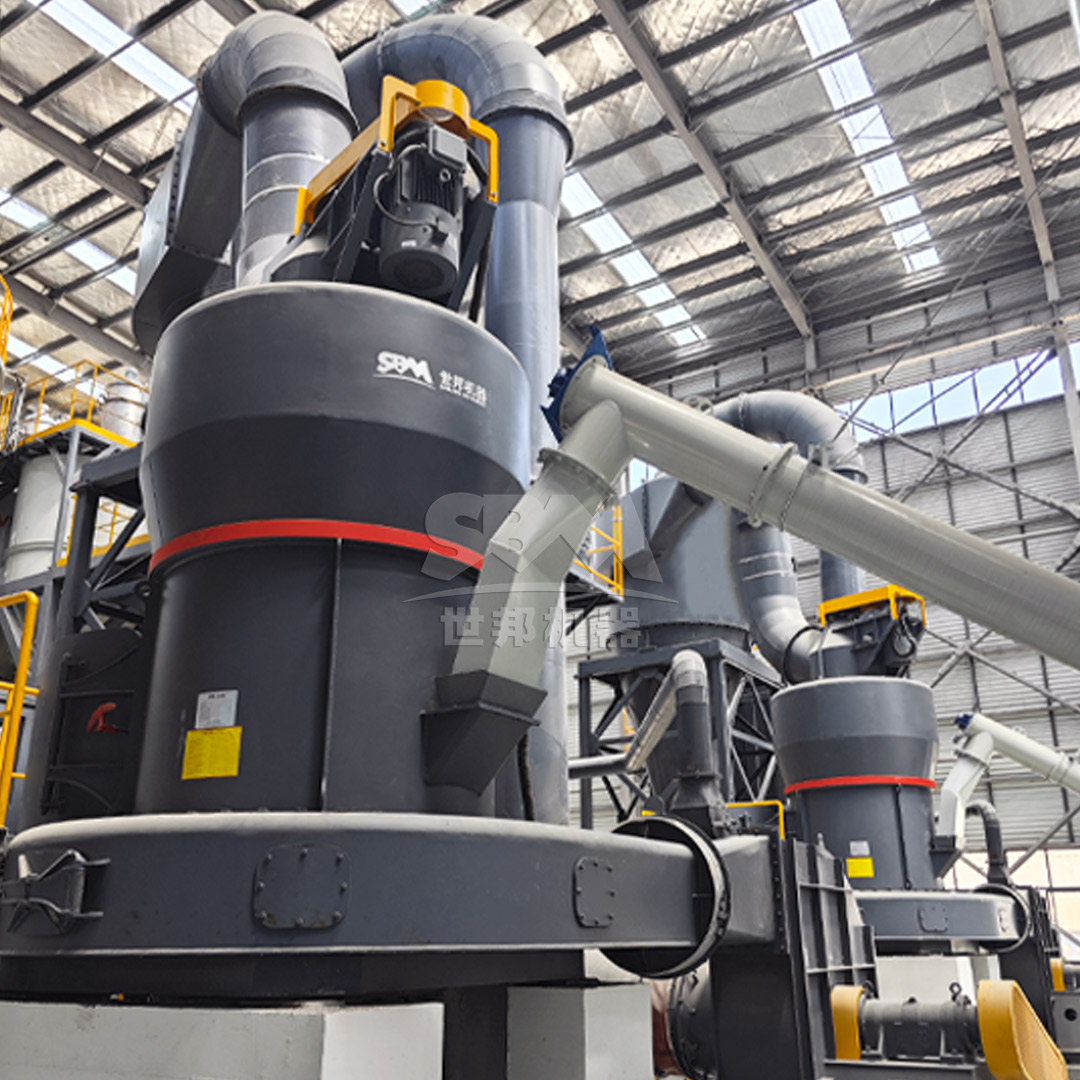
Recommended Equipment: SCM Series Ultrafine Mill
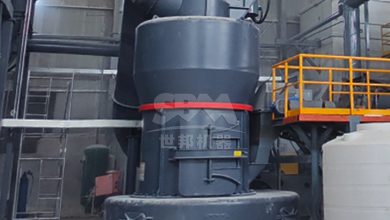
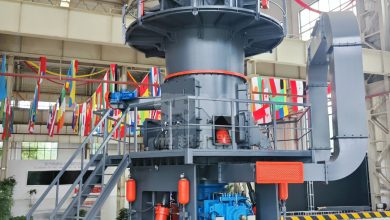
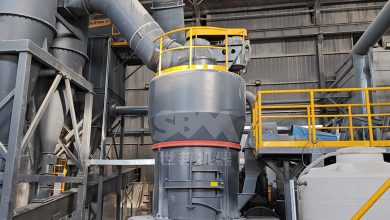
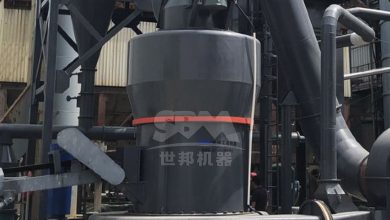
For high-quality sepiolite processing in papermaking applications, we recommend our SCM Series Ultrafine Mill. This advanced grinding system is specifically engineered to handle fibrous minerals like sepiolite while preserving their structural characteristics. The mill operates with input sizes up to ≤20mm and produces output fineness ranging from 325-2500 mesh (D97≤5μm), perfectly suited for paper industry requirements.
The SCM Ultrafine Mill incorporates several technological advantages particularly beneficial for sepiolite processing:
- High-efficiency grinding system that maintains fiber integrity while achieving ultrafine particle sizes
- Precision classification with vertical turbine classifiers ensuring consistent particle size distribution
- Energy-efficient operation with 30% lower energy consumption compared to conventional jet mills
- Durable construction with special material rollers and grinding rings extending service life
- Environmental compliance with pulse dust collection efficiency exceeding international standards
With multiple models available, from the compact SCM800 (0.5-4.5 ton/h capacity) to the high-capacity SCM1680 (5.0-25 ton/h), paper manufacturers can select the appropriate configuration based on their production requirements. The intelligent control system automatically monitors and adjusts product fineness, ensuring consistent quality for papermaking applications.
Alternative Solution: MTW Series Trapezium Mill
For applications requiring slightly coarser sepiolite products or when processing larger volumes, our MTW Series Trapezium Mill provides an excellent alternative. This robust milling system handles input sizes up to ≤50mm and produces output fineness from 30-325 mesh, making it suitable for various paper filler and coating applications.
The MTW Series incorporates innovative features including curved air duct technology that minimizes energy loss, wear-resistant shovel design that reduces maintenance costs, and cone gear integral transmission achieving 98% transmission efficiency. These mills are available in multiple configurations, with capacities ranging from 3-45 tons per hour, providing flexibility for different production scales in the paper industry.
Performance Benefits in Paper Products
Enhanced Physical Properties
Paper products incorporating sepiolite demonstrate significant improvements in key physical properties. The mineral’s fibrous structure creates a reinforcing network within the paper matrix, enhancing tensile strength, tear resistance, and folding endurance. Unlike conventional fillers that typically reduce paper strength, properly processed sepiolite can maintain or even improve mechanical properties while increasing filler content. This unique characteristic enables paper manufacturers to achieve higher filler levels without compromising product performance, resulting in substantial raw material cost savings.
Improved Functional Characteristics
Sepiolite-modified papers exhibit superior functional characteristics, including enhanced oil and grease resistance, improved barrier properties, and increased absorbency. These properties make sepiolite-containing papers particularly valuable for specialty applications such as food packaging, filtration media, and technical papers. The mineral’s high surface area and porosity contribute to excellent liquid absorption rates and capacities, while its chemical stability ensures compatibility with various papermaking chemicals and additives.
Optical Properties Enhancement
The incorporation of sepiolite in paper formulations significantly improves optical properties, including opacity, brightness, and print contrast. The mineral’s unique particle morphology and refractive index contribute to superior light scattering efficiency compared to conventional fillers, allowing for reduced basis weight while maintaining opacity requirements. This lightweighting potential offers both economic and environmental benefits through reduced fiber consumption and lower shipping costs.
Economic and Environmental Considerations
Cost-Benefit Analysis
The implementation of sepiolite in paper manufacturing requires careful economic evaluation. While the mineral itself may command a premium price compared to conventional fillers, the overall cost-benefit analysis often favors sepiolite due to multiple factors: reduced consumption of more expensive pulp fibers, decreased usage of other chemical additives, improved production efficiency, and enhanced product performance enabling premium pricing. Additionally, the mineral’s ability to increase filler content without compromising strength properties can result in significant raw material cost savings that offset the higher filler cost.
Sustainability Aspects
Sepiolite offers several environmental advantages in paper manufacturing. As a naturally occurring mineral, it is abundant, non-toxic, and biodegradable. Its use can reduce the environmental footprint of paper products through several mechanisms: enabling lightweighting that reduces material consumption, decreasing energy requirements during production due to improved drainage and drying characteristics, and reducing the need for synthetic chemical additives. Furthermore, sepiolite’s effectiveness in controlling dissolved and colloidal substances in process waters contributes to improved water recycling and reduced effluent treatment costs.
Future Perspectives and Research Directions
Emerging Applications
Research continues to uncover new potential applications for sepiolite in advanced paper products. Emerging areas include smart packaging papers with controlled release properties, antimicrobial papers for medical and food applications, and specialty papers with tailored barrier properties. The mineral’s high surface area and modification potential make it an excellent carrier for functional additives such as phase change materials, corrosion inhibitors, and bioactive compounds. These advanced applications could open new market opportunities for paper manufacturers seeking to diversify their product portfolios.
Processing Innovations
Future developments in sepiolite processing are expected to focus on achieving more precise control over particle morphology and surface chemistry. Advanced classification technologies, surface modification techniques, and hybrid processing approaches will enable paper manufacturers to tailor sepiolite properties for specific applications. Additionally, integration of sepiolite with other functional minerals and nanomaterials may create synergistic effects that further enhance paper properties and expand application possibilities.
Conclusion
Sepiolite represents a versatile and valuable mineral additive for the paper industry, offering unique benefits as a functional filler, coating component, and process aid. Its distinctive fibrous structure, high surface area, and favorable surface chemistry contribute to enhanced paper properties, improved manufacturing efficiency, and reduced environmental impact. The successful implementation of sepiolite in paper applications requires appropriate processing equipment, such as the recommended SCM Series Ultrafine Mill and MTW Series Trapezium Mill, to achieve optimal particle characteristics while preserving the mineral’s inherent properties. As research continues to expand our understanding of sepiolite-paper interactions and processing technologies advance, the mineral’s role in paper manufacturing is expected to grow, contributing to the development of innovative, high-performance paper products that meet evolving market demands and sustainability requirements.