Application of Red Mud Ultra-Fine Grinding in Modern Industry
Introduction: The Challenge and Opportunity of Red Mud
Red mud, a highly alkaline by-product generated during the Bayer process of alumina extraction from bauxite, represents one of the most significant industrial waste challenges globally. With an annual production exceeding 150 million tons, its storage poses severe environmental risks due to its high pH, salinity, and potential leaching of heavy metals. However, this ‘waste’ is rich in iron, aluminum, titanium, and rare earth elements, presenting a substantial opportunity for resource recovery and valorization. The key to unlocking this potential lies in advanced processing technologies, particularly ultra-fine grinding, which transforms coarse red mud into a high-value, functional powder suitable for diverse industrial applications.
The Critical Role of Ultra-Fine Grinding in Red Mud Valorization
Ultra-fine grinding is not merely a size reduction process; it is a transformative technology that activates the physicochemical properties of red mud. Reducing particle size to the micron and sub-micron level (typically D97 ≤ 10μm) dramatically increases the specific surface area and surface energy of the particles. This activation is crucial for several downstream applications:
- Enhanced Reactivity for Cementitious Materials: Ultra-fine red mud exhibits pozzolanic activity, enabling its use as a supplementary cementitious material (SCM) in concrete, reducing clinker consumption and the carbon footprint of construction.
- Improved Metal Extraction Efficiency: Finer particles facilitate more complete and faster leaching of valuable metals like iron, aluminum, and scandium, improving recovery rates and process economics in hydrometallurgical operations.
- Superior Performance in Composite Materials: As a filler or reinforcing agent in polymers, ceramics, or functional coatings, ultra-fine red mud ensures better dispersion, stronger interfacial bonding, and improved mechanical properties of the final composite.
- Effective Adsorbent for Pollutants: The increased surface area enhances the adsorption capacity of red mud for heavy metals, phosphates, and dyes in wastewater treatment applications.
Therefore, selecting an efficient, reliable, and economical ultra-fine grinding system is the cornerstone of any successful red mud valorization project.
Technical Challenges in Red Mud Grinding
Grinding red mud to an ultra-fine level presents unique challenges that not all milling equipment can adequately address:
- Abrasive Nature: Red mud contains hard, abrasive components like hematite and quartz, causing rapid wear on grinding media and liners.
- Moisture Content: Filter-pressed red mud can have variable moisture, leading to potential clogging in some mill systems.
- Process Consistency: Achieving a consistent, narrow particle size distribution (PSD) is vital for downstream process stability and product quality.
- Energy Intensity: Ultra-fine grinding is inherently energy-intensive; thus, energy efficiency is a paramount economic and environmental concern.
- System Integration: The grinding circuit must integrate seamlessly with drying, classification, and dust collection systems for a closed-loop, environmentally sound operation.
Optimal Grinding Solutions for Red Mud: Technology Comparison
While traditional ball mills have been used, they are often inefficient for achieving the desired ultra-fine fineness (e.g., 1250 mesh or 10μm) due to high energy consumption and limited classification capability. Modern dry grinding technologies offer superior solutions. Two primary technological pathways exist: 1) Vertical Roller Mills (VRM) for high-capacity pre-grinding or medium-fine grinding, and 2) Ultra-fine Ring Roller Mills for producing the finest powders.
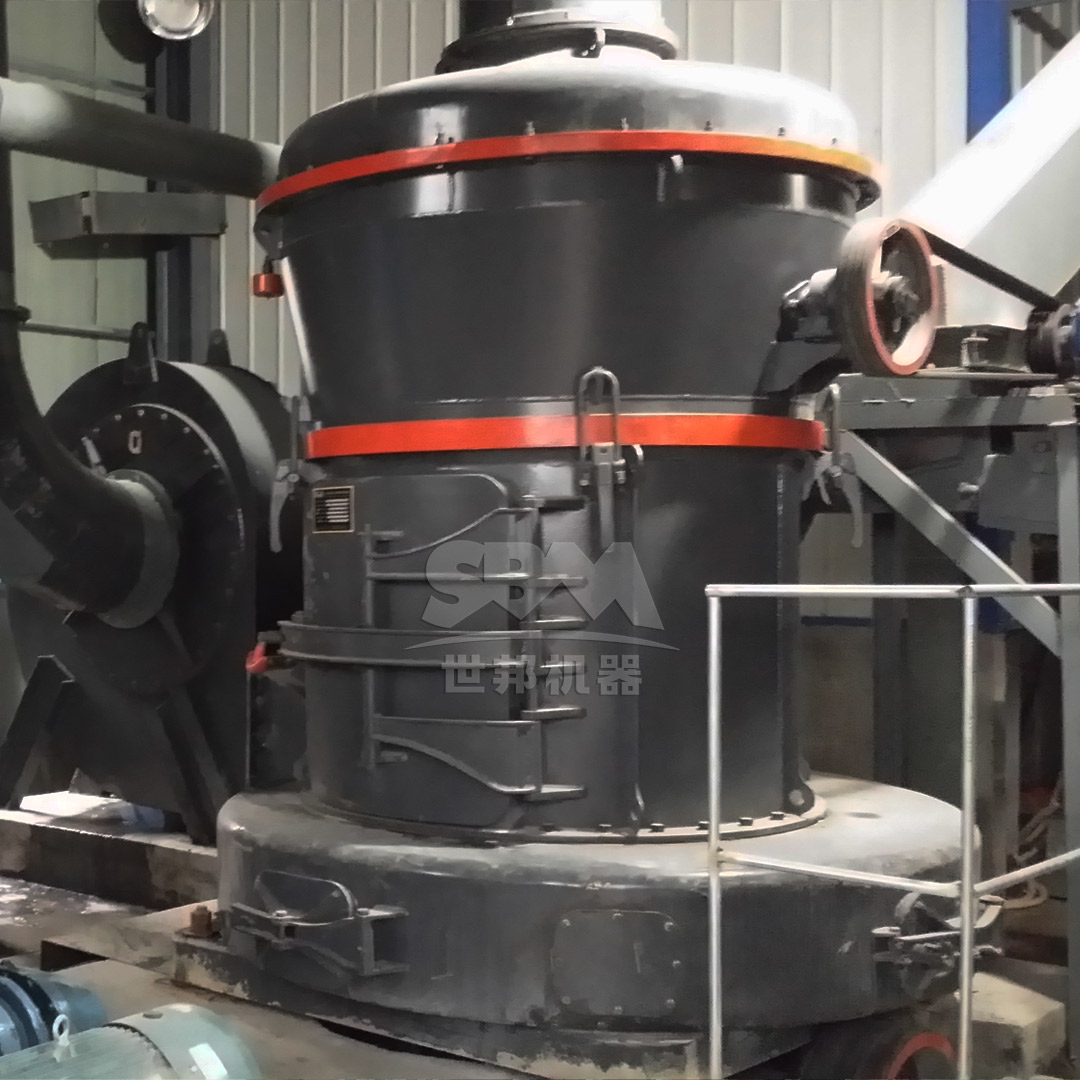
For the initial size reduction or for projects targeting a fineness range of 30-325 mesh (600-45μm), the MTW Series European Trapezium Mill presents an excellent balance of capacity, efficiency, and durability. Its advantages are particularly relevant for red mud:
- High Wear Resistance: The curved blade design and wear-resistant grinding roller and ring extend service life when processing abrasive red mud.
- Efficient Airflow: The arc air channel minimizes pressure loss, ensuring stable material conveying and classification, which is crucial for handling slightly damp materials.
- High Transmission Efficiency: The integral conical gear transmission achieves up to 98% efficiency, directly reducing power consumption.
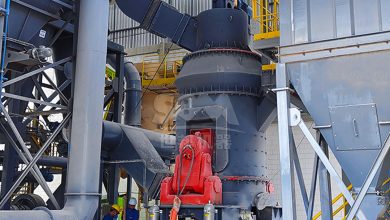
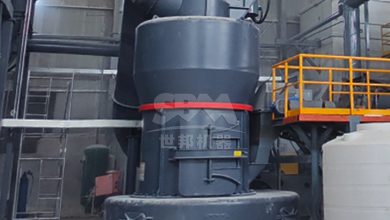
However, for the most advanced applications requiring powders in the range of 325-2500 mesh (45-5μm), a dedicated ultra-fine mill is indispensable. This is where our flagship product, the SCM Series Ultrafine Mill, excels and is highly recommended for modern red mud processing plants.
Why the SCM Ultrafine Mill is Ideal for Red Mud
The SCM Ultrafine Mill is engineered to overcome the specific challenges of red mud grinding, offering a turnkey solution for producing high-value ultra-fine powders.
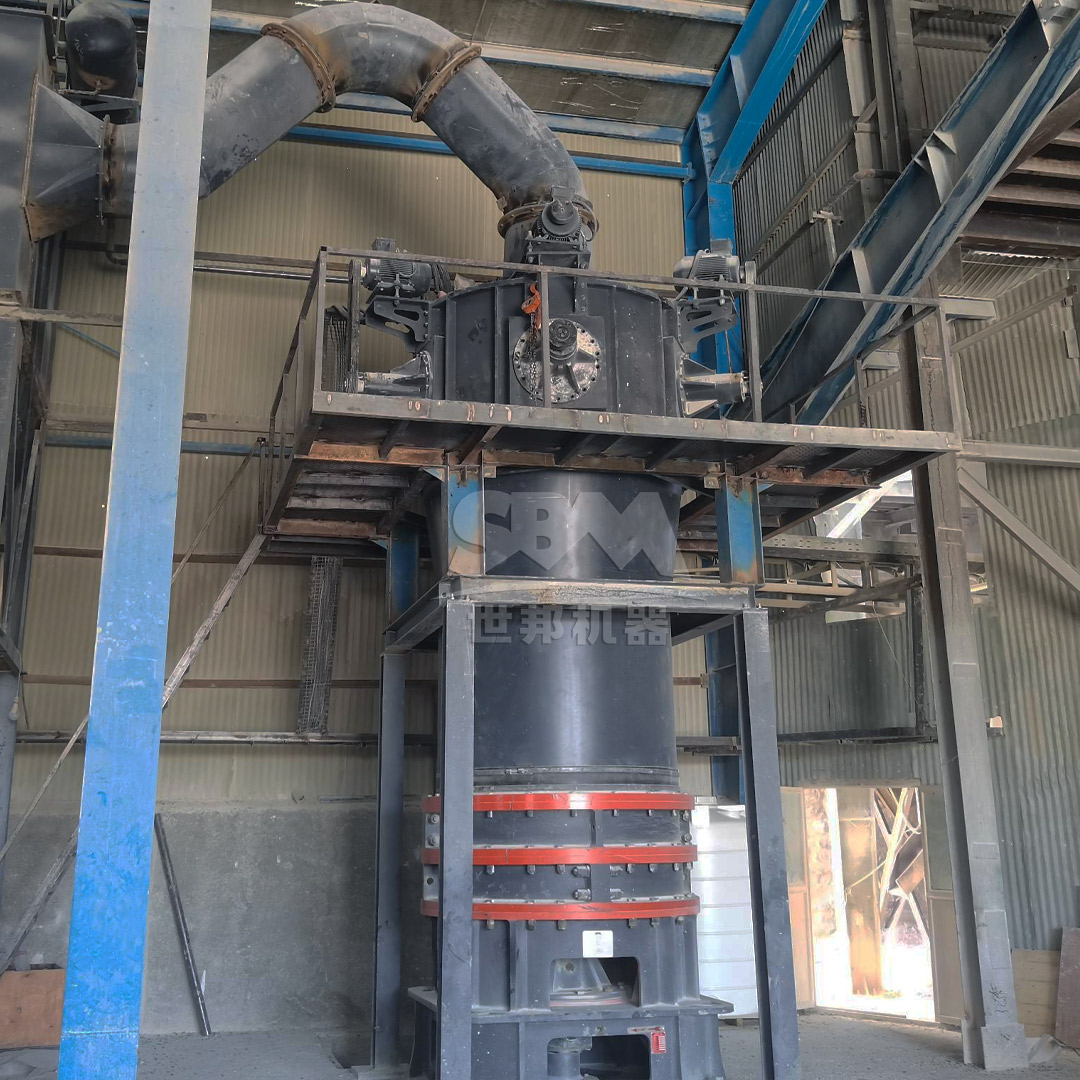
- Unmatched Fineness and Efficiency: Capable of achieving a final product size of D97 ≤ 5μm (2500 mesh), the SCM mill utilizes a high-precision vertical turbine classifier. This ensures sharp particle size cuts, eliminating coarse particles and delivering a uniform product essential for reactivity in cement or metal leaching. Compared to jet mills, it offers double the capacity while reducing energy consumption by 30%, making it a highly economical choice.
- Exceptional Durability for Abrasive Materials: Recognizing the abrasive nature of red mud, the SCM mill features grinding rollers and rings made from special wear-resistant materials, multiplying their service life. The innovative bearing-less screw design in the grinding chamber enhances mechanical stability and reduces maintenance downtime.
- Intelligent & Eco-Friendly Operation: The mill incorporates an intelligent control system that automatically monitors and adjusts operational parameters based on real-time feedback of product fineness, ensuring consistent quality. From an environmental standpoint, its pulse dust collector exceeds international emission standards, effectively capturing fine particles. Combined with soundproofing measures, the operational noise is kept below 75dB, ensuring a clean and compliant workplace.
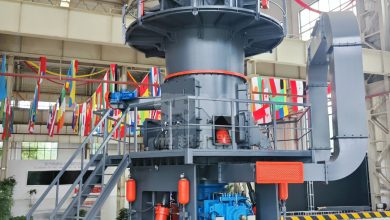
The SCM series offers scalable models from the SCM800 (0.5-4.5 t/h) to the high-capacity SCM1680 (5.0-25 t/h), allowing for perfect matching with project requirements. Its integrated design—combining grinding, classification, and collection—simplifies installation and operation.
Integrated System Design for Red Mud Grinding
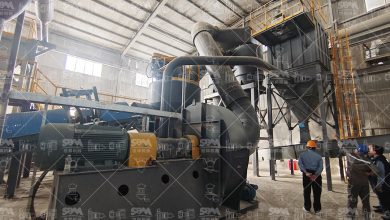
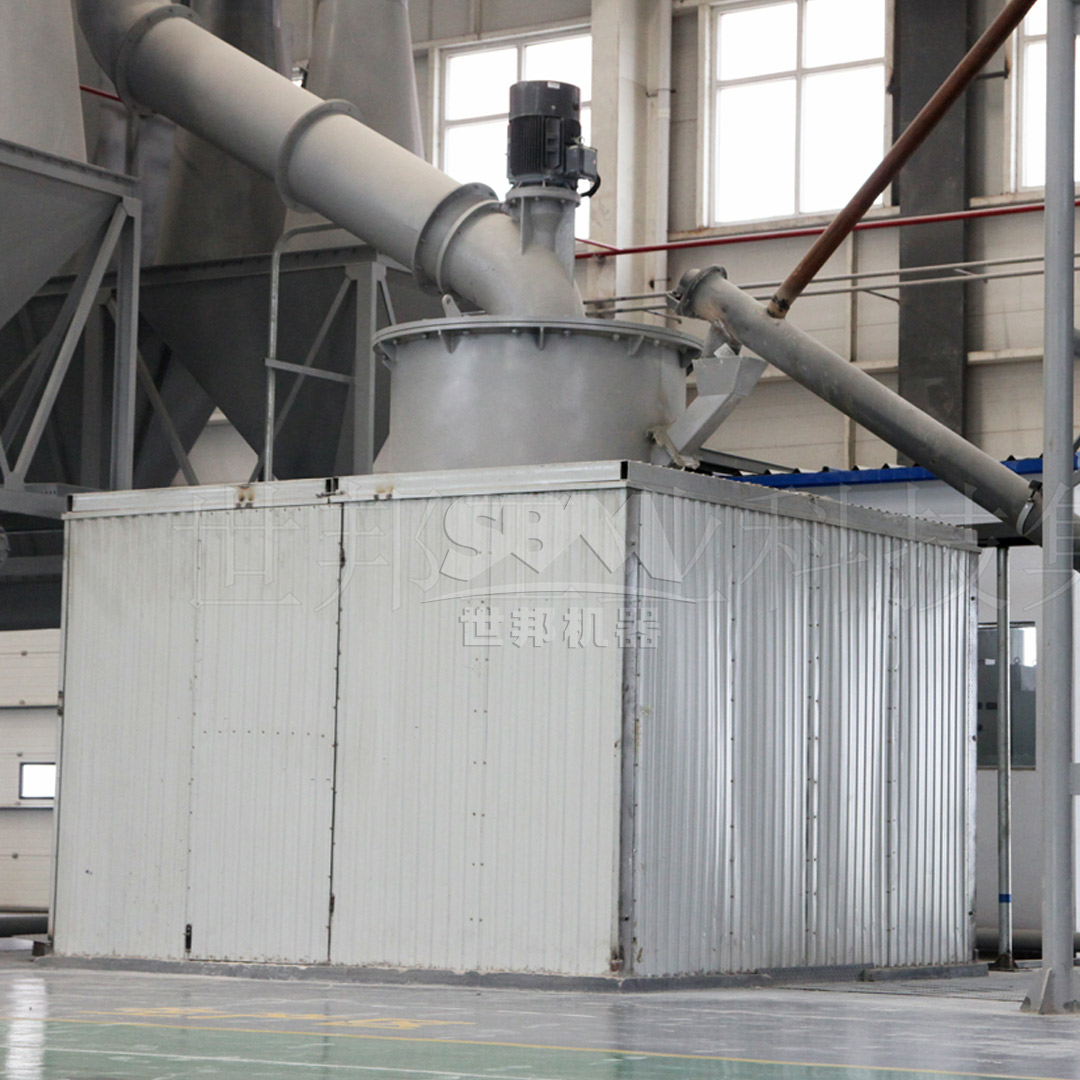
A successful ultra-fine grinding line for red mud extends beyond the core mill. A typical system configuration includes:
- Pre-Drying Unit: To ensure optimal grinding efficiency, red mud moisture should be reduced to below 2%.
- Feeding System: A controlled, vibration-based feeder ensures a steady and regulated supply of material to the mill.
- Core Grinding Unit (SCM Ultrafine Mill): The heart of the system, where size reduction and primary classification occur.
- Product Collection System: Comprising a high-efficiency cyclone separator and a pulse-jet baghouse filter to collect the final product with no dust emission.
- Control & Monitoring Cabinet: A PLC-based system for automated operation, parameter setting, and fault diagnosis.
Conclusion: Towards a Sustainable and Circular Economy
The application of ultra-fine grinding technology, particularly through advanced mills like the SCM Series, is pivotal in transitioning red mud from a problematic waste to a strategic resource. By enabling efficient production of high-surface-area, reactive powders, this technology opens doors to large-scale utilization in construction, metallurgy, environmental remediation, and advanced materials. Investing in the right grinding technology is not only an operational decision but also a commitment to sustainable industrial practices and the principles of the circular economy. As industries worldwide seek to reduce their environmental footprint and secure secondary raw material supplies, the valorization of red mud through ultra-fine grinding stands as a compelling and technologically viable pathway forward.