Application of Raymond Mill in Desulfurization Limestone Powder Preparation
Introduction
Flue gas desulfurization (FGD) has become an essential process in modern industrial operations to comply with stringent environmental regulations. Among various desulfurization technologies, limestone-gypsum wet flue gas desulfurization remains the most widely adopted method worldwide. The efficiency of this process heavily depends on the quality of limestone powder used, particularly its fineness and reactivity. Raymond mill technology has emerged as a crucial equipment solution for preparing high-quality desulfurization limestone powder with optimal characteristics for maximum SO₂ removal efficiency.
Technical Requirements for Desulfurization Limestone Powder
Particle Size Distribution
The effectiveness of limestone in SO₂ absorption is directly related to its particle size. For optimal desulfurization efficiency, limestone powder should typically achieve a fineness of 250-325 mesh (45-61μm). At this particle size range, the specific surface area increases significantly, enhancing the dissolution rate and chemical reactivity with sulfur dioxide. Research indicates that reducing particle size from 200 mesh to 325 mesh can improve desulfurization efficiency by 15-20% under identical operating conditions.
Chemical Composition
High-purity limestone with calcium carbonate (CaCO₃) content exceeding 90% is preferred for desulfurization applications. The presence of impurities such as silica, alumina, and magnesium compounds can adversely affect grinding efficiency and desulfurization performance. Additionally, the moisture content should be controlled below 1% to ensure smooth pneumatic conveying and prevent clogging in storage and feeding systems.
Reactivity Considerations
Beyond particle size, the crystalline structure and surface morphology of limestone particles influence their reactivity. Proper grinding technology should produce particles with irregular shapes and fractured surfaces rather than rounded particles, as these characteristics promote faster dissolution in the acidic environment of absorption towers.
Raymond Mill Technology in Limestone Preparation
Working Principle
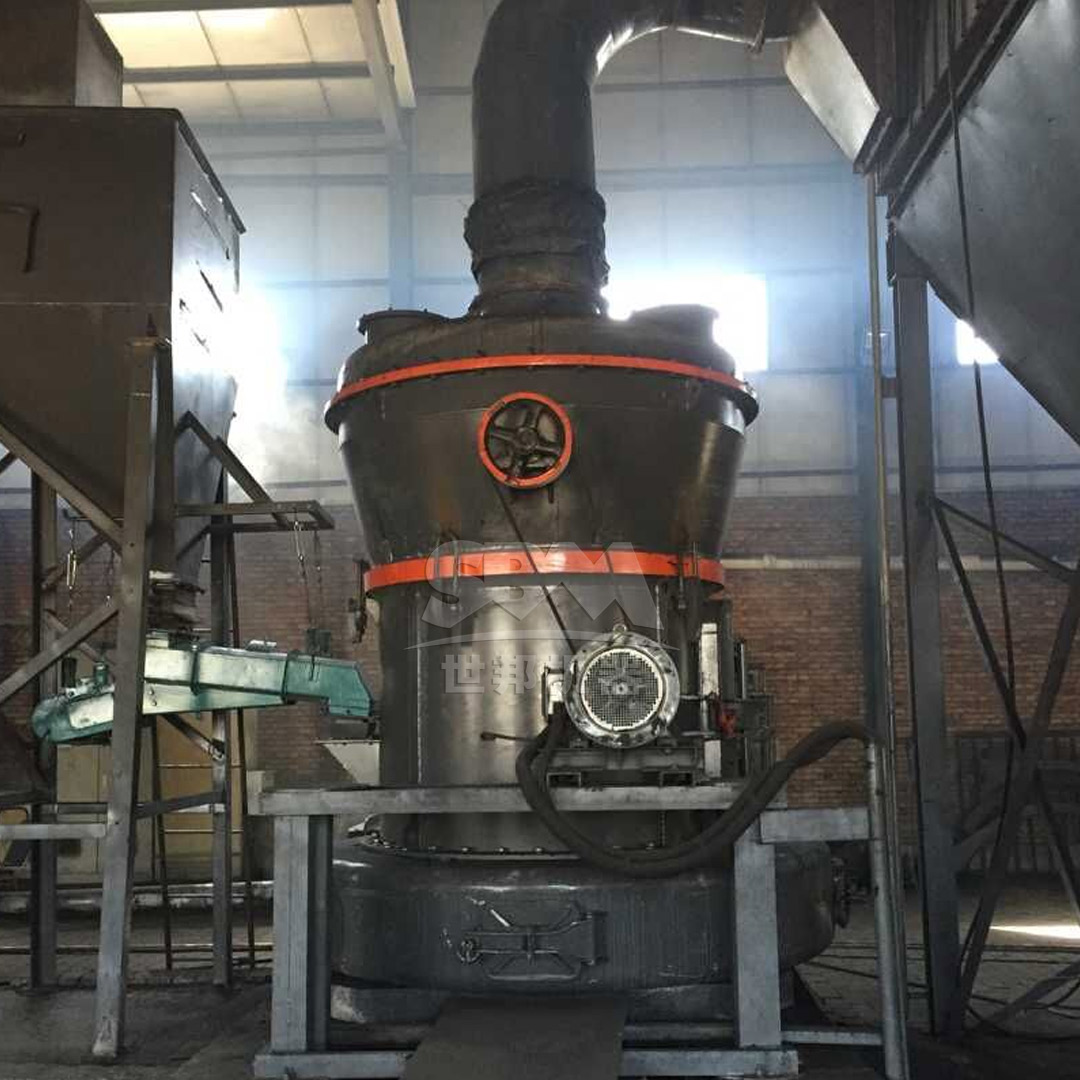
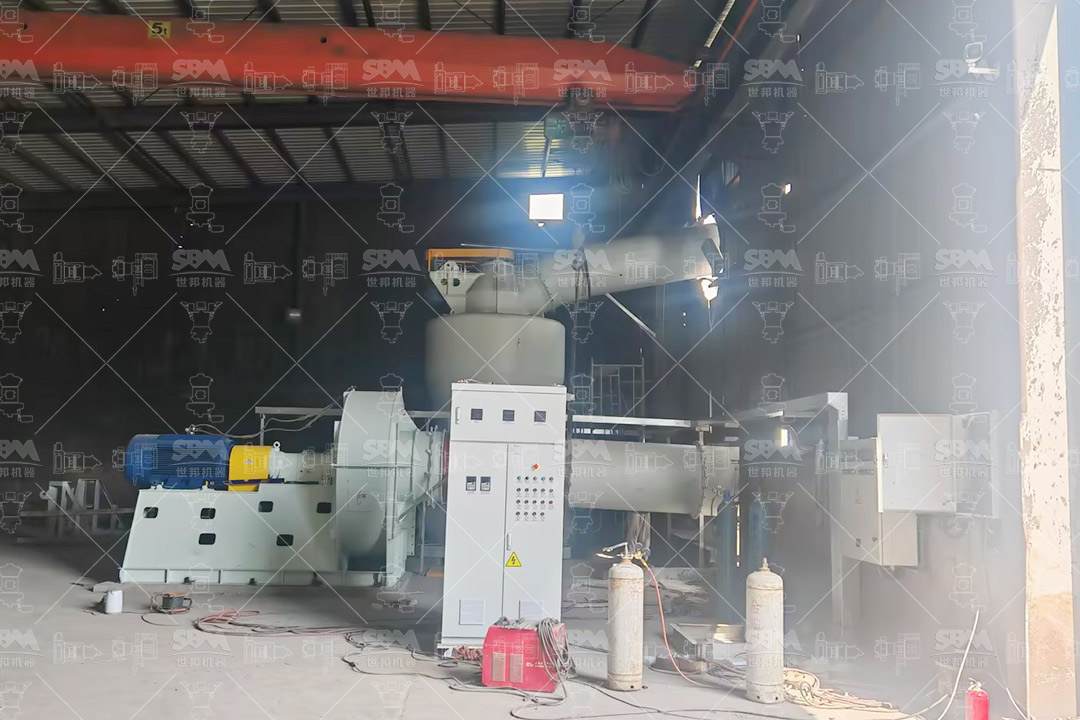
Raymond mill operates on the principle of grinding materials between stationary and moving surfaces. The fundamental components include a grinding ring, grinding rollers, classifier, main motor, and blower system. Raw limestone is fed into the grinding chamber through a vibrating feeder, where it is ground between the rollers and grinding ring. The ground material is then carried by airflow to the classifier, where oversized particles are separated and returned for regrinding, while qualified powder is collected through a cyclone separator and bag filter system.
Advantages for Desulfurization Applications
Raymond mill technology offers several distinct advantages for desulfurization limestone preparation. The closed-circuit grinding system ensures consistent product quality with minimal oversize particles. The integrated classification system allows precise control over product fineness, which is crucial for meeting desulfurization specifications. Furthermore, modern Raymond mills feature advanced automation systems that optimize grinding parameters in real-time, ensuring stable operation and reducing energy consumption.
Advanced Raymond Mill Solutions for Desulfurization
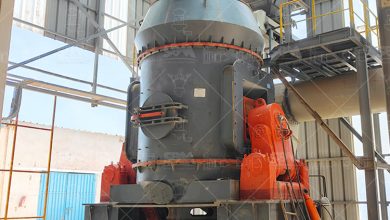
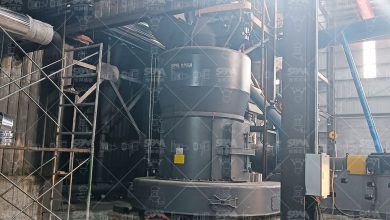
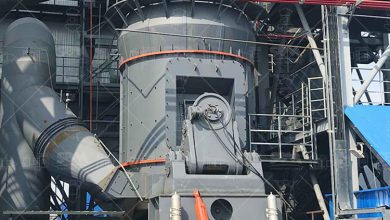
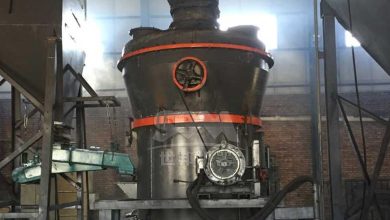
MTW Series Trapezium Mill
For medium to large-scale desulfurization projects, the MTW Series Trapezium Mill represents an optimal solution. This advanced grinding equipment features several technological innovations specifically beneficial for limestone preparation. With an input size capability of ≤50mm and output fineness adjustable between 30-325 mesh (reaching 0.038mm), the MTW mill covers the complete range required for desulfurization applications. The processing capacity ranging from 3-45 tons per hour makes it suitable for power plants and industrial facilities of various scales.
The technical advantages of MTW Series include its innovative wear-resistant shovel design with combined shovel blades that significantly reduce maintenance costs. The curved air channel optimization minimizes airflow energy loss, enhancing transmission efficiency. The integral bevel gear transmission achieves up to 98% transmission efficiency while saving space and reducing installation costs. For desulfurization applications, the wear-resistant snail shell structure with non-blocking design improves air classification efficiency and reduces maintenance costs by approximately 30%.
SCM Series Ultrafine Mill
For applications requiring ultra-fine limestone powder or when dealing with harder limestone varieties, the SCM Series Ultrafine Mill offers superior performance. This equipment can produce limestone powder with fineness ranging from 325 to 2500 mesh (D97≤5μm), providing exceptional reactivity for high-efficiency desulfurization systems. With a processing capacity of 0.5-25 tons per hour across different models, the SCM series serves both specialized applications and supplementary grinding requirements.
The SCM Ultrafine Mill demonstrates remarkable efficiency with energy consumption reduced by 30% compared to conventional grinding systems. Its high-precision classification system employs a vertical turbine classifier that ensures precise particle size cut-point and eliminates coarse particle contamination, resulting in uniform product quality. The durable design incorporates special material rollers and grinding rings that extend service life multiple times. From an environmental perspective, the pulse dust collection system exceeds international standards, while the soundproof chamber design maintains noise levels below 75dB, creating a favorable working environment.
Case Study: Performance Comparison
Operational Parameters
In a comparative study conducted at a 600MW coal-fired power plant, different grinding technologies were evaluated for limestone preparation. The MTW215G model demonstrated exceptional performance with a consistent output of 35 tons per hour of 325-mesh limestone powder. The system operated at a main motor power of 280kW, achieving a specific energy consumption of 8.0 kWh/ton, representing a 25% reduction compared to traditional ball mill systems.
Economic Analysis
The economic benefits of modern Raymond mill technology extend beyond energy savings. The reduced wear part consumption, lower maintenance requirements, and higher availability contribute to significantly lower operating costs. For a typical 1000MW power plant requiring approximately 10 tons per hour of limestone powder, the MTW series can achieve annual savings exceeding $150,000 compared to conventional grinding systems, with a payback period of less than two years.
System Integration and Optimization
Complete Grinding Circuit Design
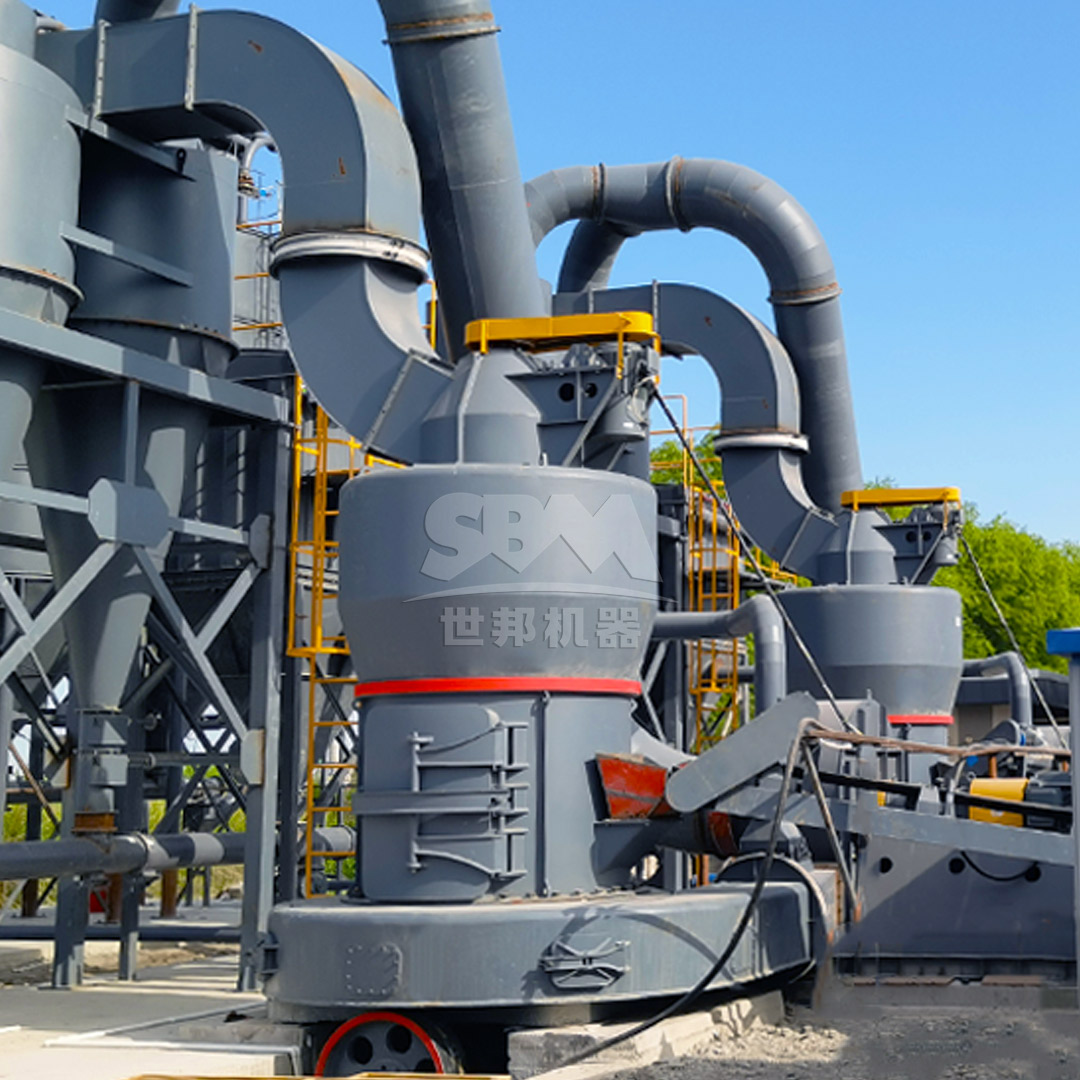
A successful desulfurization limestone preparation system involves more than just the grinding mill. Proper integration with feeding, conveying, storage, and classification equipment is essential for optimal performance. Modern Raymond mill systems incorporate intelligent control systems that automatically adjust operational parameters based on raw material characteristics and product requirements. This automation ensures consistent product quality while maximizing energy efficiency and equipment utilization.
Environmental Compliance
Contemporary Raymond mill designs address environmental concerns through comprehensive dust control systems. Advanced baghouse filters with pulse-jet cleaning mechanisms ensure dust emissions remain below 20mg/m³, complying with the strictest environmental regulations. The fully enclosed negative pressure operation prevents dust leakage, while noise control measures maintain workplace noise levels within acceptable limits.
Future Trends and Developments
Intelligent Grinding Systems
The future of Raymond mill technology in desulfurization applications lies in increased intelligence and automation. Emerging technologies incorporate artificial intelligence and machine learning algorithms to optimize grinding parameters in real-time, adapting to variations in raw material characteristics. These systems can predict maintenance requirements, schedule component replacements during planned outages, and automatically adjust operations to minimize energy consumption while maintaining product quality.
Energy Efficiency Innovations
Ongoing research focuses on further reducing the energy footprint of limestone grinding operations. Developments in grinding mechanics, classifier design, and system optimization aim to decrease specific energy consumption by an additional 15-20% over current levels. Hybrid systems that recover and reuse waste heat from other processes also show promise for enhancing overall system efficiency.
Conclusion
Raymond mill technology continues to play a vital role in limestone preparation for flue gas desulfurization systems. The advancement in grinding technology, particularly exemplified by the MTW Series Trapezium Mill and SCM Ultrafine Mill, has significantly improved the efficiency, reliability, and economic viability of desulfurization operations. These modern grinding solutions offer precise control over product characteristics, reduced energy consumption, lower operating costs, and enhanced environmental performance. As environmental regulations become increasingly stringent worldwide, the importance of efficient and effective limestone preparation technology will continue to grow, ensuring Raymond mills remain an essential component in sustainable industrial operations.