Application of Raymond Mill for Talcum Powder in Medical Talc Production Process
Introduction: The Critical Role of Talcum Powder in Medical Applications
Medical talc, a highly refined and purified form of talcum powder, is an indispensable material in the pharmaceutical and healthcare industries. Its primary applications include use as a lubricant in surgical gloves, a filler in tablet formulations, and a dusting powder for various medical devices. The production of medical-grade talc demands exceptionally high standards of purity, consistency, and particle size control. Any contamination or irregular particle size can compromise product safety and efficacy. Therefore, the selection of appropriate milling technology is paramount in transforming raw talc ore into a compliant, high-value medical product. This article explores the application of advanced Raymond Mill technology in this critical production process and highlights optimal equipment solutions.
Raw Material Preparation and Initial Processing
The journey of medical talc begins with high-purity talc ore, typically containing over 90% hydrous magnesium silicate. The raw ore undergoes a series of pre-processing steps including crushing, washing, and magnetic separation to remove impurities such as iron oxides, carbonates, and other silicate minerals. The pre-processed material, with a particle size usually below 20-30mm, is then ready for the core micronization stage. This stage is where the distinctive properties of medical talc—its smoothness, slip, and absorption characteristics—are defined.
The Demands of Medical-Grade Milling: Precision, Purity, and Consistency
Milling for medical talc is not merely about size reduction; it is a precision engineering process. Key requirements include:
- Ultra-Fine and Consistent Particle Size: Particle size distribution (PSD) is critical. A tight PSD, often targeting D97 values below 10μm and reaching as fine as 5μm (2500 mesh), ensures predictable performance in final applications.
- Absolute Purity and Contamination Control: The milling system must prevent metallic contamination from wear parts. A closed, negative-pressure system is essential to avoid environmental contamination and protect the product.
- Thermal Sensitivity: Excessive heat generated during milling can degrade the lamellar structure of talc, affecting its lubricity. Efficient heat dissipation is crucial.
- High Production Efficiency and Low Operational Cost: Consistent, high-volume output with minimal energy consumption and maintenance downtime is necessary for economic viability.
Raymond Mill Technology: Evolution for Ultra-Fine Applications
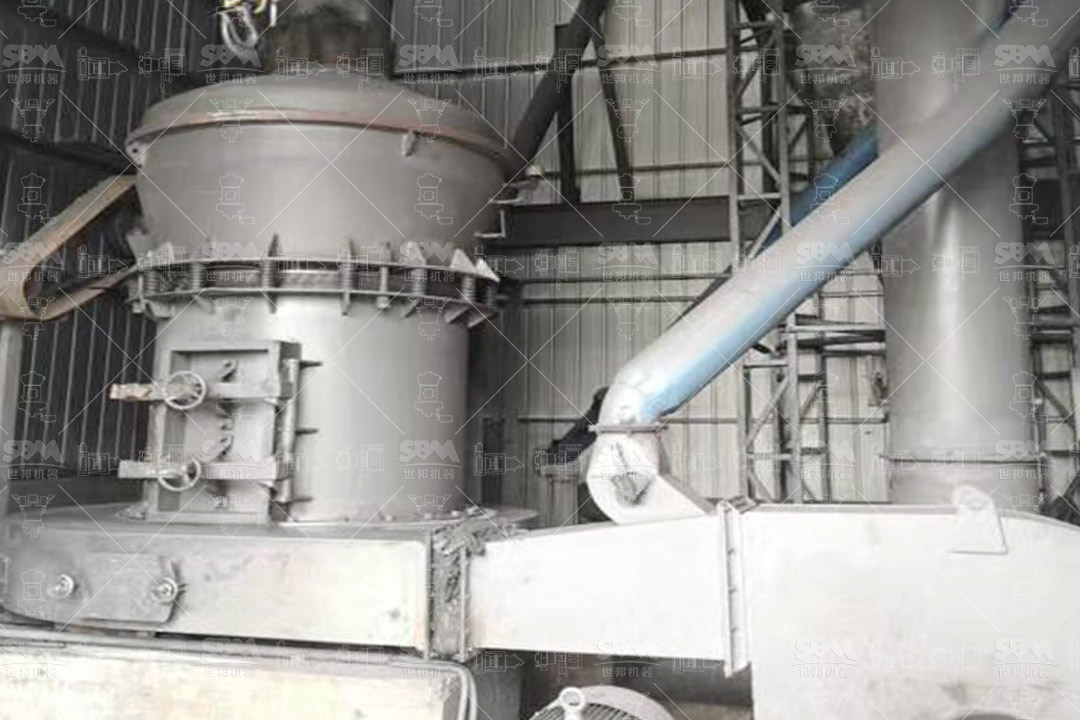
Traditional Raymond Mills (or pendulum roller mills) have been used for decades for talc grinding. The modern evolution of this technology, however, has specifically addressed the need for finer powders and higher efficiency. The core principle involves grinding rollers suspended on a rotating yoke (pendulum) applying centrifugal force against a stationary grinding ring. Material is fed into the grinding zone, crushed, and then carried by an air stream to a classifier for size separation.
For medical talc, the limitations of conventional designs—such as limited fineness range, potential for contamination, and higher energy consumption for ultra-fine grades—have been overcome by next-generation mill designs.
Optimal Mill Selection for Medical Talc Production
Given the stringent requirements, not all grinding mills are suitable. Two product lines from our portfolio stand out as exemplary solutions for different scales and fineness targets within medical talc production.
Primary Recommendation: SCM Series Ultrafine Mill (45-5μm)
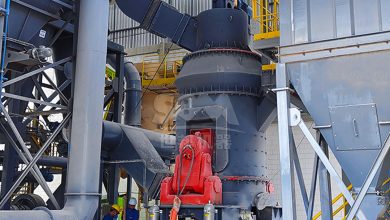
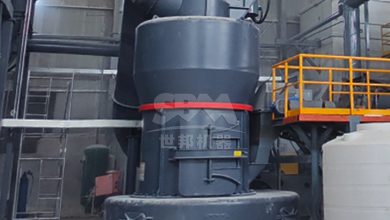
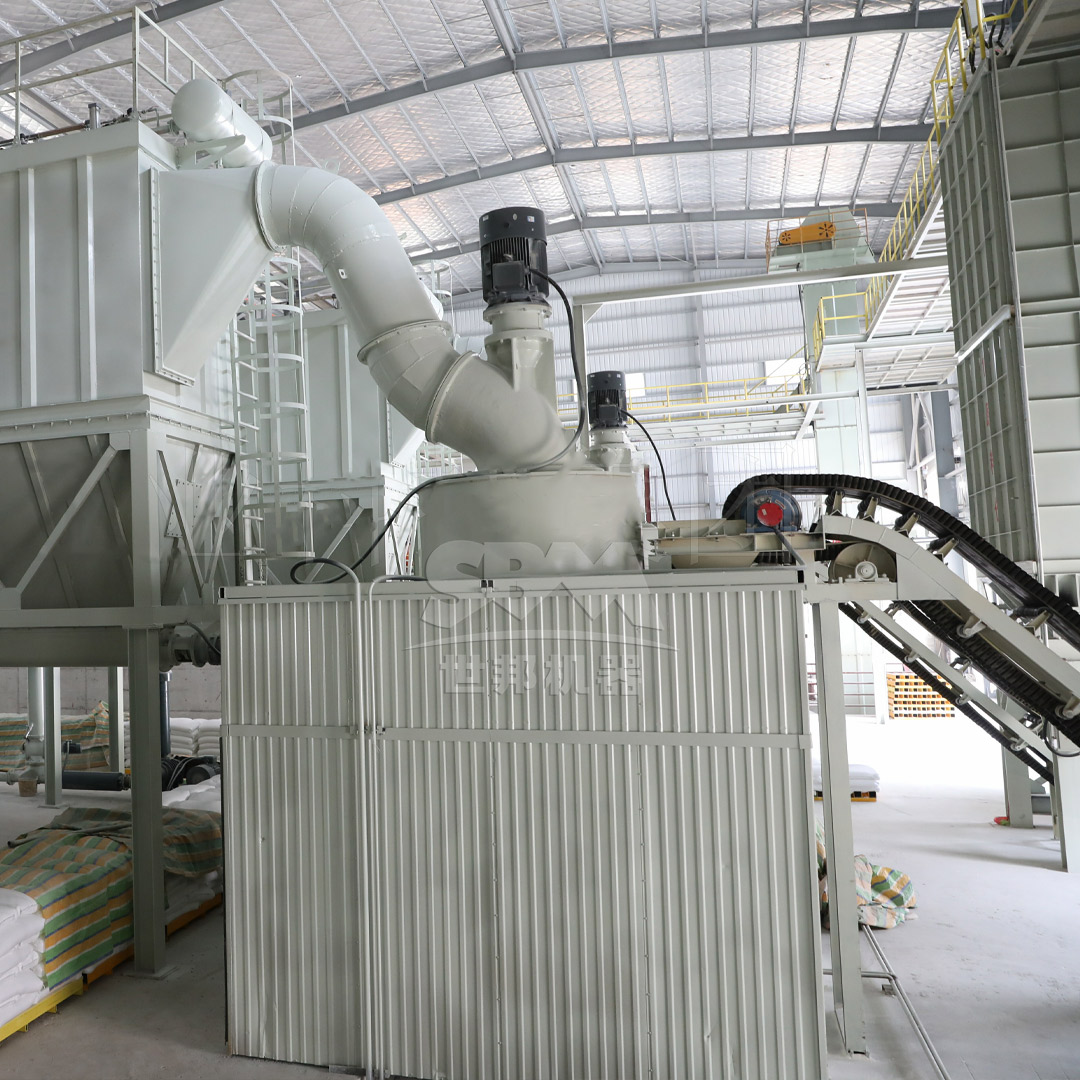
For producers targeting the highest purity and finest particle sizes (up to 2500 mesh / 5μm), our SCM Series Ultrafine Mill is the technology of choice. This mill is engineered specifically for the challenges of ultra-fine grinding.
Why it excels for Medical Talc:
- Unmatched Fineness and Uniformity: With an output range of 325-2500 mesh (D97 ≤5μm), it meets the most demanding specifications. Its vertical turbine classifier ensures precise particle size切割, eliminating coarse particle contamination and delivering a remarkably uniform product.
- Superior Contamination Control: The grinding rollers and ring can be lined with special ceramic or other inert, wear-resistant materials, drastically reducing the risk of metallic contamination—a non-negotiable requirement for medical talc.
- High Efficiency & Energy Savings: The three-layer grinding ring and roller design creates multiple grinding zones, achieving a capacity twice that of jet mills while reducing energy consumption by 30%. This makes the production of ultra-fine talc economically sustainable.
- Intelligent & Stable Operation: Features like smart control for automatic feedback on product fineness and a bearing-less screw design in the grinding chamber ensure stable, consistent output with minimal manual intervention.
- Exemplary Environmental Performance: The integrated pulse dust collector exceeds international standards, ensuring a clean workshop. Combined with soundproofing, operational noise is kept below 75dB.
For a medium-to-large scale medical talc production line requiring consistent output of 8-10 tons per hour of fine-grade powder, the SCM1000 model, with its 132kW main motor and capability of 1.0-8.5 ton/h, presents an ideal balance of power and precision.
High-Capacity Alternative: MTW Series Trapezium Mill (600-45μm)
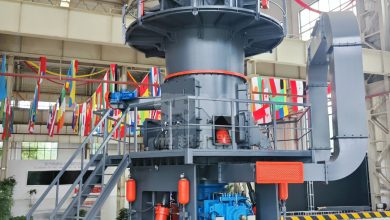
For operations where the primary product range is between 30-325 mesh (600-45μm) and production volume is the driving factor, our MTW Series Trapezium Mill offers robust, high-capacity performance.
Its advantages for medical talc include:
- High Throughput with Consistent Quality: With capacities ranging from 3 to 45 tons per hour, it is perfect for large-scale production. The curved air duct and efficient transmission system minimize energy loss.
- Enhanced Durability and Low Maintenance: The modular wear-plate design on the shovel and wear-resistant volute structure reduce maintenance frequency and cost by up to 30%, ensuring continuous operation critical for supply chains.
- Advanced Dust Collection: Equipped with international-standard pulse dust removal technology, it guarantees a dust-free environment and protects product purity.
A model like the MTW175G, with a handling capacity of 9.5-25 ton/h and a 160kW main motor, would be perfectly suited for a high-volume production facility focusing on talc for tablet pressing or other applications where slightly larger particle sizes are acceptable.
The Integrated Production Process with Advanced Milling
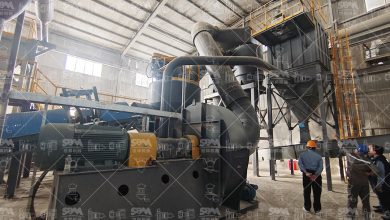
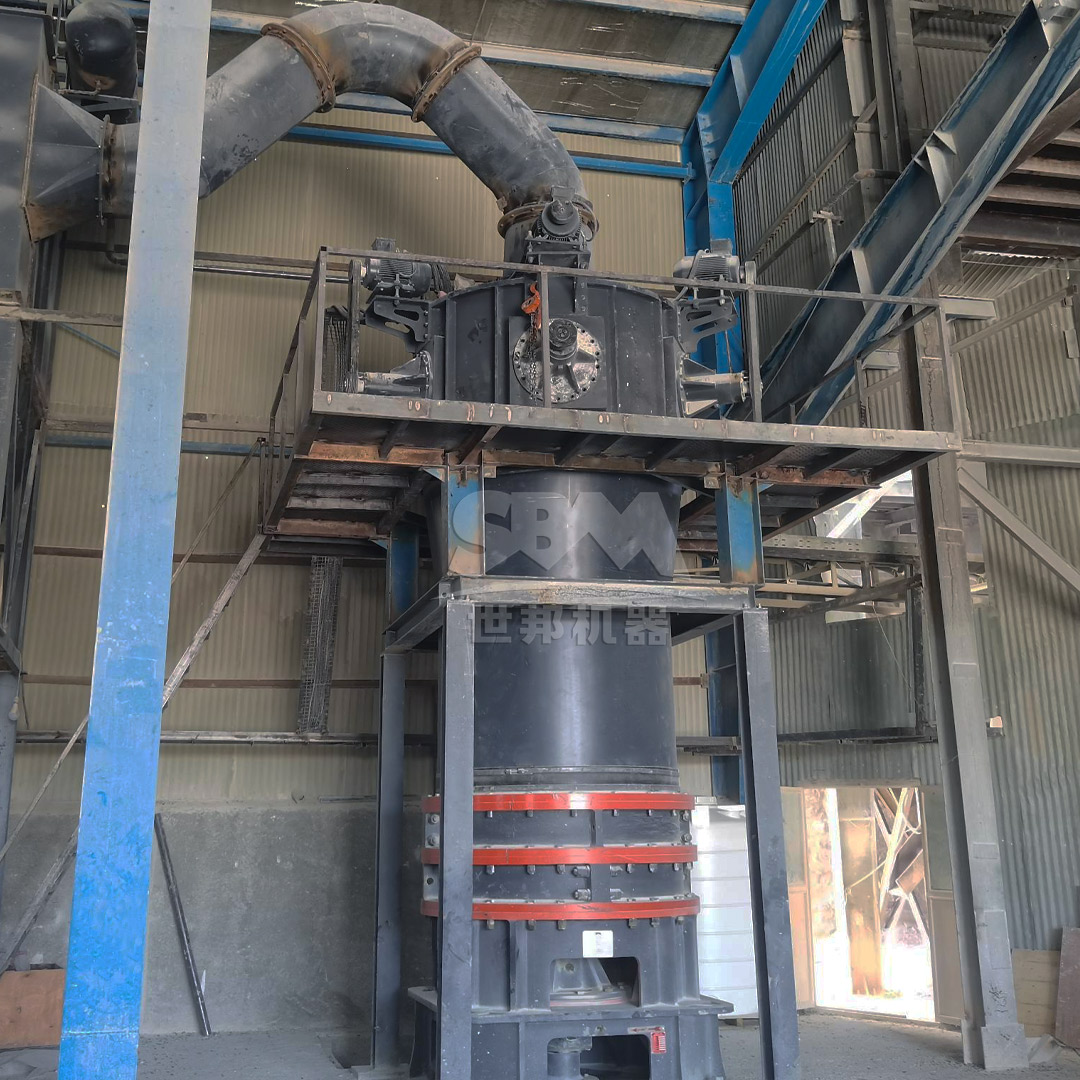
A typical advanced medical talc production line integrates the chosen mill as its heart. The process flow is as follows:
- Pre-processed Feed: Dried, impurity-removed talc chunks (<20mm for SCM, <50mm for MTW) are fed via a vibrating feeder.
- Precision Grinding: In the mill’s grinding chamber, material is crushed by the rollers against the ring. The grinding force is carefully calibrated to preserve talc’s lamellar structure.
- Instant Classification: The ground powder is carried by the airflow to the integrated dynamic classifier. Oversize particles are rejected and returned for further grinding, while in-spec powder proceeds.
- Clean Collection: The fine talc powder is collected in a high-efficiency cyclone separator and a final pulse-jet bag filter, ensuring a 99.9%+ collection rate.
- Post-Processing: The collected powder may undergo sterilization, additional impurity screening (e.g., via air classifiers), and finally, packaging in a controlled environment.
Conclusion: Ensuring Quality through Superior Technology
The production of medical talc is a testament to how advanced mechanical engineering directly contributes to healthcare standards. The transition from traditional milling to sophisticated, next-generation Raymond Mill technology, as embodied by our SCM Ultrafine Mill and MTW Trapezium Mill, has enabled manufacturers to achieve unprecedented levels of product purity, fineness, and consistency. By selecting a mill designed with the specific demands of medical-grade materials in mind—focusing on contamination control, precise classification, and operational efficiency—producers can not only meet but exceed regulatory and market expectations, ensuring a reliable supply of this vital material to the global healthcare industry.