Application of Raymond Mill for Sand Powder in Sand and Gravel Production Systems
Introduction: The Growing Demand for Sand Powder
The modern construction and infrastructure industries are increasingly reliant on high-quality manufactured sand (M-Sand) and gravel. A critical component in enhancing the properties of these materials is the incorporation of finely processed sand powder. This ultra-fine material, typically ranging from coarse (30-100 mesh) to superfine (over 325 mesh), improves particle packing density, workability of concrete mixes, and the overall strength and durability of the final product. The production of this essential powder hinges on efficient, reliable, and precise grinding technology. Among the various solutions available, Raymond Mill technology—encompassing its modern evolutions like trapezium mills and vertical roller mills—has proven to be a cornerstone in integrated sand and gravel production systems for its versatility, efficiency, and cost-effectiveness.
The Role of Grinding Mills in Integrated Production Systems
An integrated sand and gravel plant typically involves stages of crushing, screening, washing, and grinding. While primary and secondary crushers reduce large rocks to gravel and coarse sand sizes, a dedicated grinding circuit is essential for producing the valuable sand powder fraction. This circuit often processes the finer fractions from screening operations or specifically crushed material to generate the desired powder. The choice of grinding mill directly impacts:
- Product Quality: Consistent particle size distribution (PSD) and shape.
- System Efficiency: Energy consumption per ton of output.
- Operational Cost: Maintenance requirements and wear part longevity.
- Environmental Compliance: Dust emission and noise levels.
Traditional ball mills, while robust, often lack energy efficiency and precise particle size control for dry powder production. This is where advanced Raymond Mill-based systems offer a superior alternative.
Key Considerations for Selecting a Sand Powder Mill
Selecting the optimal mill for sand powder production requires a careful analysis of several parameters:
- Feed Material: Hardness (e.g., granite, limestone, quartz), moisture content, and input size (typically 0-20mm to 0-50mm after preliminary crushing).
- Desired Output: Target fineness (e.g., 30-100 mesh for concrete filler, 200-325 mesh for specialized applications, or even finer for high-value products).
- Required Capacity: Hourly throughput must align with the overall plant output, ranging from small-scale (3-5 t/h) to large-scale (over 100 t/h) operations.
- Space and Layout: Footprint and vertical height constraints within the plant design.
- Total Cost of Ownership: Initial investment, power consumption, and long-term maintenance costs.
Modern Raymond Mill Technology: Evolution and Advantages
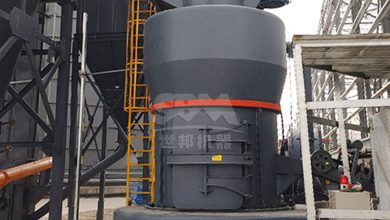
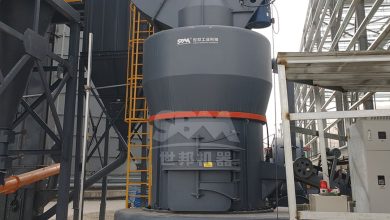
The term “Raymond Mill” now broadly represents a class of medium-speed, ring-roller grinding mills. Modern iterations have significantly evolved from the original design, offering substantial benefits for sand powder production:
- Efficient Grinding Mechanism: Material is ground between rotating rollers and a stationary ring via a combination of compression and shear forces. This method is more energy-efficient than the impact-dominated crushing in hammer mills or the tumbling action of ball mills for fine grinding.
- Integrated Dynamic Classifier: A key advancement is the integration of a high-efficiency turbine classifier. This allows for real-time, precise control of the product fineness by separating and returning oversized particles to the grinding zone. The result is a steeper particle size distribution with minimal oversize.
- Positive Pressure & Pulse Dedusting: Modern systems operate under negative pressure, preventing dust leakage. Coupled with high-efficiency pulse jet bag filters, they ensure dust emissions are well below international environmental standards (often <20 mg/Nm³).
- Durability and Low Maintenance: Critical wear parts like rollers and grinding rings are now made from high-chromium alloys or ceramic composites, offering service lives several times longer than conventional materials. Centralized automatic lubrication systems further reduce maintenance intervention.
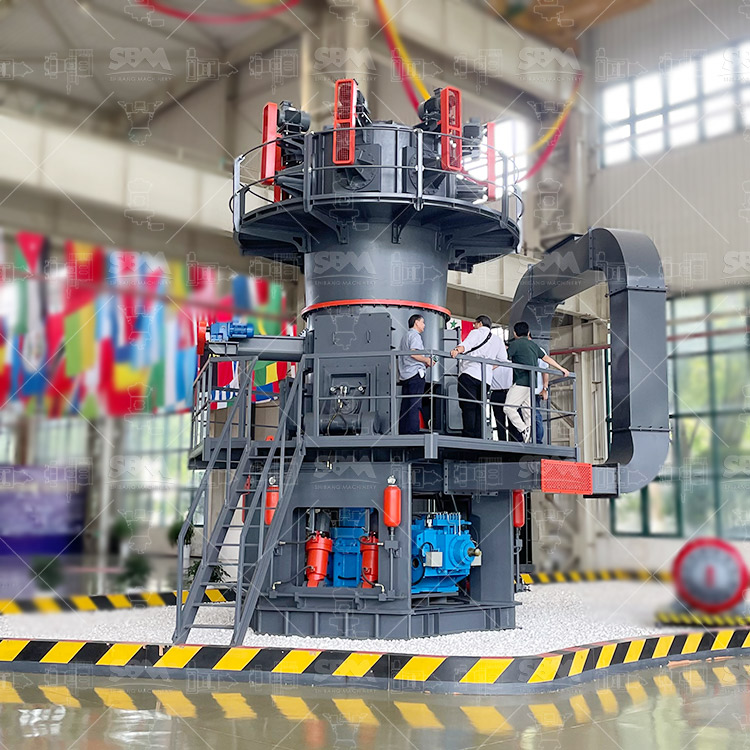
Spotlight on Optimal Solutions: SCM Ultrafine Mill and MTW Trapezium Mill
For operators seeking to optimize their sand powder production line, selecting the right model is paramount. Based on extensive industry application data, two series stand out for their performance and reliability.
1. For Superfine Sand Powder (D97 ≤ 5μm): The SCM Ultrafine Mill
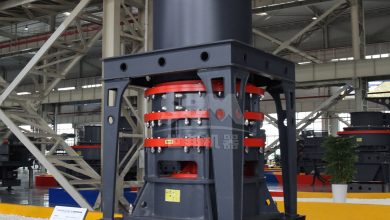
When the application demands exceptionally fine sand powder, such as for high-performance concrete, polymer fillers, or advanced ceramics, the SCM Series Ultrafine Mill is the technology of choice. This mill is engineered to produce powders in the range of 325 to 2500 mesh (45-5μm).
Its core advantages for premium sand powder production include:
- Unmatched Fineness & Yield: The vertical turbine classifier ensures precise cut-points, producing uniform powder with no coarse grit contamination. With a capacity up to 2 times that of jet mills and energy savings of 30%, it offers superior economics for superfine grinding.
- Robust Construction: The use of special material rollers and grinding rings extends service life dramatically. Its unique bearingless screw design in the grinding chamber enhances operational stability, a critical factor for continuous 24/7 plant operation.
- Eco-Friendly Operation: The mill system integrates a high-efficiency pulse dust collector exceeding international standards and features soundproofing cabins to keep noise levels below 75dB, ensuring a cleaner and quieter plant environment.
For a typical integrated sand plant looking to add a high-value superfine powder line, the SCM1000 model (1.0-8.5 ton/h, 132kW) offers an excellent balance of capacity and power, capable of processing ≤20mm feed into market-leading fine sand powder.
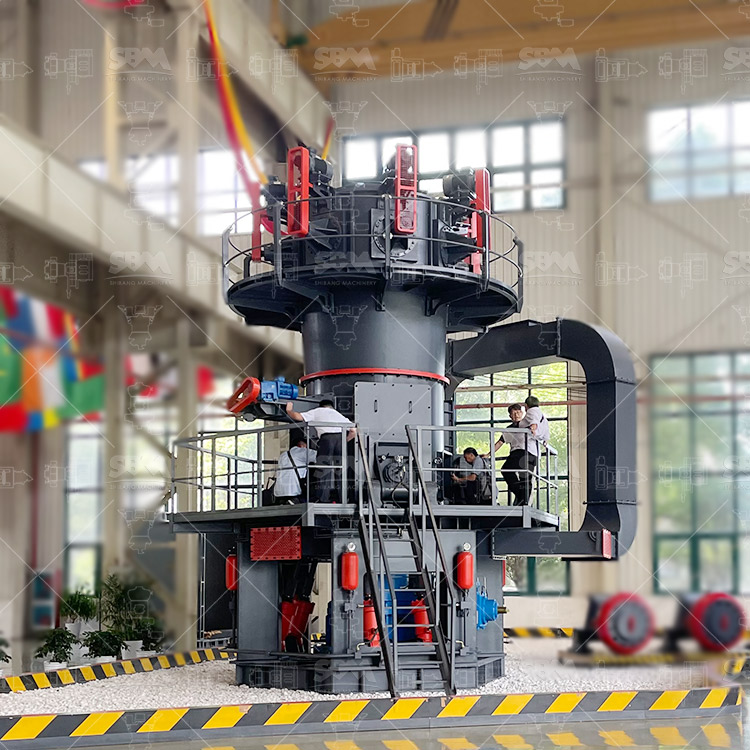
2. For High-Capacity Fine Powder (30-325 Mesh): The MTW Trapezium Mill
For the bulk production of fine sand powder used in ready-mix concrete, asphalt mixtures, and general construction applications, the MTW Series Trapezium Mill is an industry workhorse. Designed to handle feed sizes up to 50mm and produce powder from 30 to 325 mesh, it excels in large-scale operations.
Key features that make it ideal for sand and gravel systems are:
- High Capacity & Efficiency: With models offering capacities from 3 to 45 tons per hour, it can match the output of large crushing and screening lines. The innovative curved air duct reduces flow resistance and energy loss, while the integral conical gear transmission achieves a remarkable 98% transmission efficiency.
- Reduced Operating Costs: The modular wear-resistant shovel design lowers replacement time and cost. The wear-resistant volute structure further reduces maintenance costs by an estimated 30%.
- Proven Reliability: Its working principle, where grinding rollers rotate around the central axis while self-rotating, creates a stable grinding bed for efficient comminution of hard abrasive materials like quartz and granite.
A model like the MTW215G (15-45 ton/h, 280kW), capable of processing <50mm feed, is perfectly suited to serve as the core grinding unit in a major sand processing facility, delivering large volumes of consistently graded fine powder.
System Integration and Best Practices
Successfully integrating a Raymond Mill into a sand and gravel production system involves more than just installing the mill itself. Key integration points include:
- Feed Preparation: Ensuring a consistent and correctly sized feed (e.g., 0-20mm for SCM, 0-50mm for MTW) from the upstream screening circuit is crucial. A dedicated small crusher or a well-regulated feed conveyor may be necessary.
- Drying (if required): For materials with high moisture content, a pre-drying stage or a mill system with hot air supply (like some LM Vertical Mill configurations) may be integrated to ensure grinding efficiency.
- Product Handling: The fine powder from the mill’s collection system (cyclone and bag filter) must be conveyed to storage silos using enclosed screw conveyors or pneumatic systems to prevent dust and segregation.
- Automation: Modern mills come with PLC-based control systems that allow for remote monitoring and adjustment of fineness, feed rate, and pressure, enabling seamless integration into the plant’s central control room.
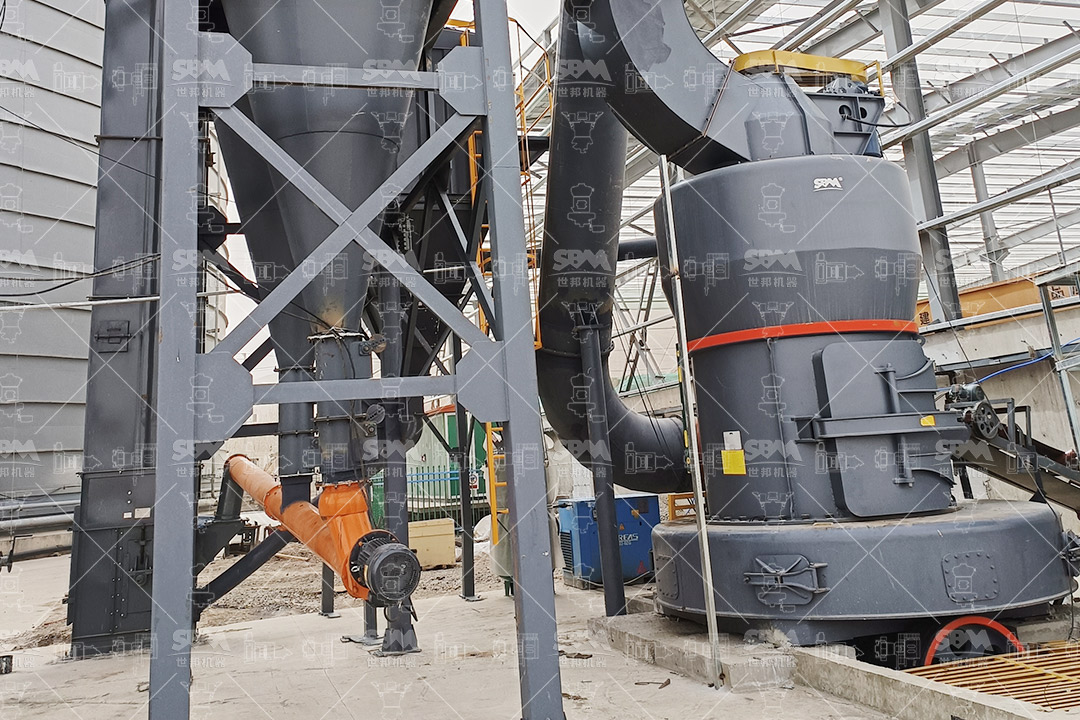
Conclusion: Enhancing Value with Precision Grinding
The inclusion of a dedicated sand powder production line, centered on advanced Raymond Mill technology, transforms a standard sand and gravel operation into a more profitable and versatile business. By converting a portion of the fine fraction into a controlled, high-quality powder, producers can cater to more demanding markets, improve the performance of their primary products (like concrete), and reduce waste. The evolution of mills like the SCM Ultrafine Mill and the MTW Trapezium Mill provides tailored solutions for every need, from niche superfine applications to high-tonnage construction material production. Investing in the right grinding technology is, therefore, a strategic decision that directly contributes to product quality differentiation, operational efficiency, and long-term competitiveness in the aggregates industry.