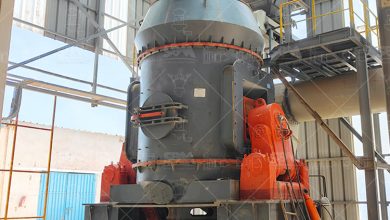
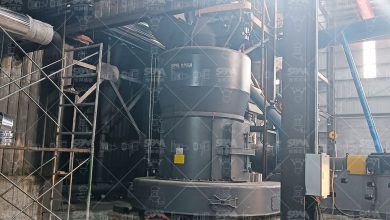
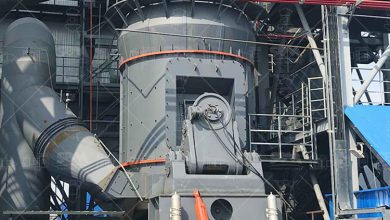
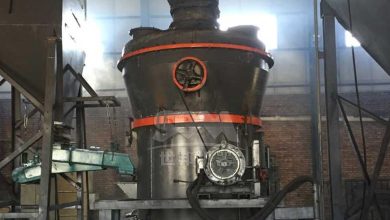
Application of Raymond Mill for Manganese Powder in Electrolytic Manganese Production Process
Introduction
The production of electrolytic manganese metal (EMM) is a cornerstone of modern metallurgy, supplying a critical raw material for steel alloys, batteries, and various chemical applications. The efficiency and quality of this process are heavily dependent on the preparation of the manganese-bearing raw material, typically manganese carbonate ore. The grinding stage, which transforms crushed ore into a fine, reactive powder, is paramount. This article explores the pivotal role of Raymond Mill technology in the manganese powder preparation circuit for electrolytic manganese production, detailing its operational advantages and presenting advanced solutions from our milling equipment portfolio.
The Electrolytic Manganese Production Process: An Overview
The conventional process for producing electrolytic manganese involves several key stages: ore crushing, grinding, leaching, purification, and electrolysis. Manganese carbonate ore (MnCO3) is the most common feedstock. After primary and secondary crushing, the ore must be ground to a specific fineness to maximize the surface area for the subsequent sulfuric acid leaching reaction. The ideal particle size typically ranges from 74 microns (200 mesh) to 45 microns (325 mesh). A uniform and controlled particle size distribution ensures complete leaching, minimizes acid consumption, and reduces the formation of impurities that can interfere with the electrolysis stage.
The Critical Role of Grinding in Leaching Efficiency
In the leaching tank, sulfuric acid reacts with manganese carbonate to produce manganese sulfate (MnSO4), the electrolyte for the electrolytic cells. The kinetics of this solid-liquid reaction are directly proportional to the available surface area of the solid particles. Inadequate grinding results in coarse particles with a low surface-area-to-volume ratio. This leads to:
- Incomplete Leaching: Unreacted manganese core within particles, reducing yield.
- Increased Acid Consumption: Longer reaction times and excess acid to attempt complete dissolution.
- Higher Impurity Mobilization: Prolonged acid contact can dissolve more iron, aluminum, and other detrimental elements, complicating purification.
- Energy Inefficiency: Poor leaching efficiency translates to wasted energy in downstream processing.
Therefore, selecting a grinding system capable of delivering consistent, fine powder with high efficiency and reliability is not an operational choice but a strategic necessity.
Why Raymond Mill Technology is Ideal for Manganese Powder
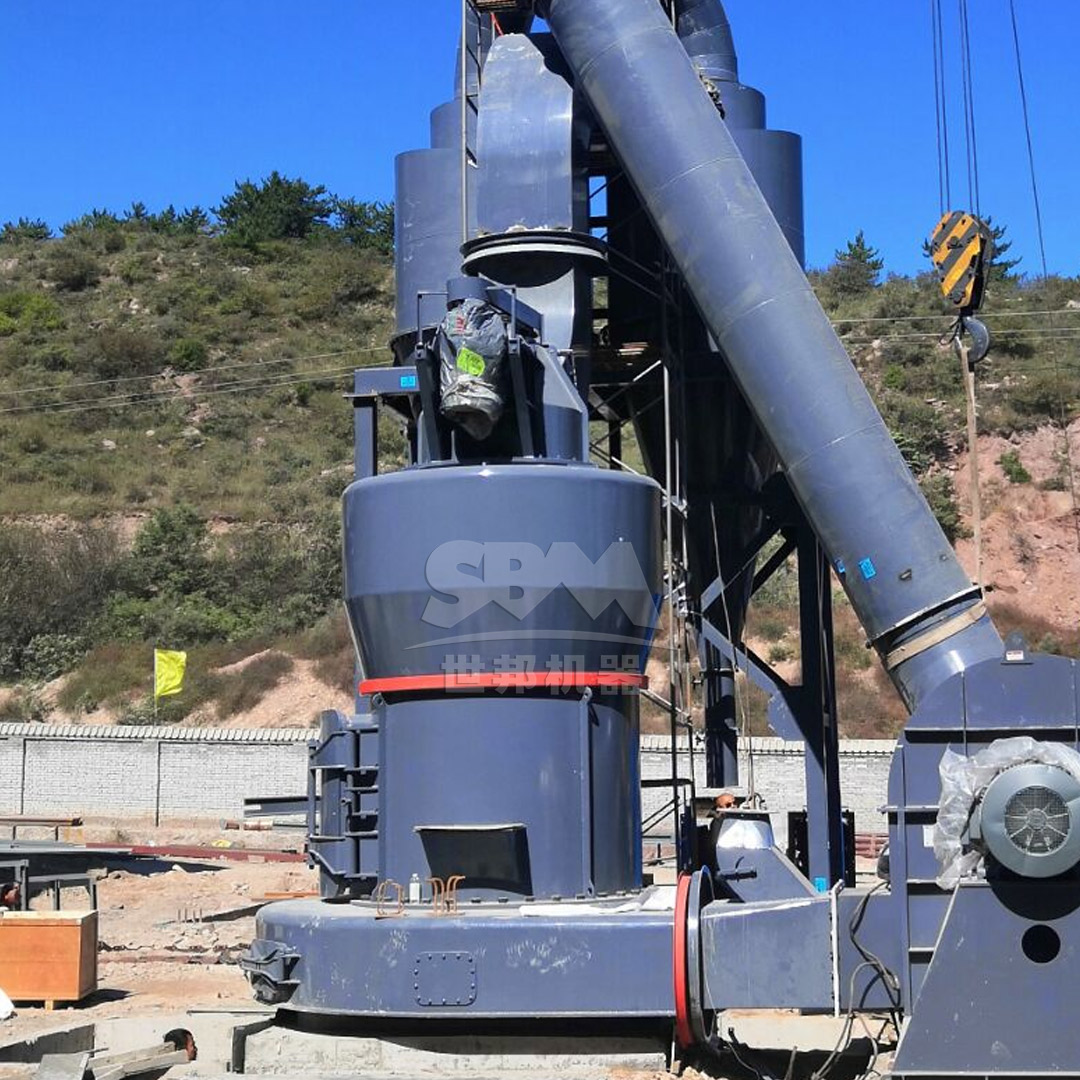
Raymond Mill, specifically the modernized pendulum roller mill, has evolved into the equipment of choice for non-metallic mineral grinding, including manganese carbonate. Its design principles offer distinct advantages for this application:
- Controlled Grinding & Precise Classification: The system integrates grinding and air classification. Centrifugal force presses grinding rollers against a rotating ring, crushing the material. An integrated classifier immediately separates particles that meet the target fineness, sending oversize material back for regrinding. This closed-circuit operation ensures a tight particle size distribution, crucial for uniform leaching rates.
- Energy Efficiency: Compared to traditional ball mills, Raymond Mills operate on a bed crushing principle with direct particle classification, eliminating the energy waste associated with over-grinding. This can lead to significant power savings in a continuous, high-tonnage process like manganese preparation.
- Dry Processing: The entire grinding and classification process is conducted with air, producing a dry powder. This is often preferable for subsequent handling and feeding into the leaching circuit, avoiding the need for slurry pumping and dewatering.
- System Stability & Low Maintenance: Modern designs feature durable wear parts (rollers and grinding rings) made from high-chromium or other abrasion-resistant alloys, offering extended service life when processing moderately abrasive materials like manganese carbonate.
Advanced Milling Solutions for Electrolytic Manganese Production
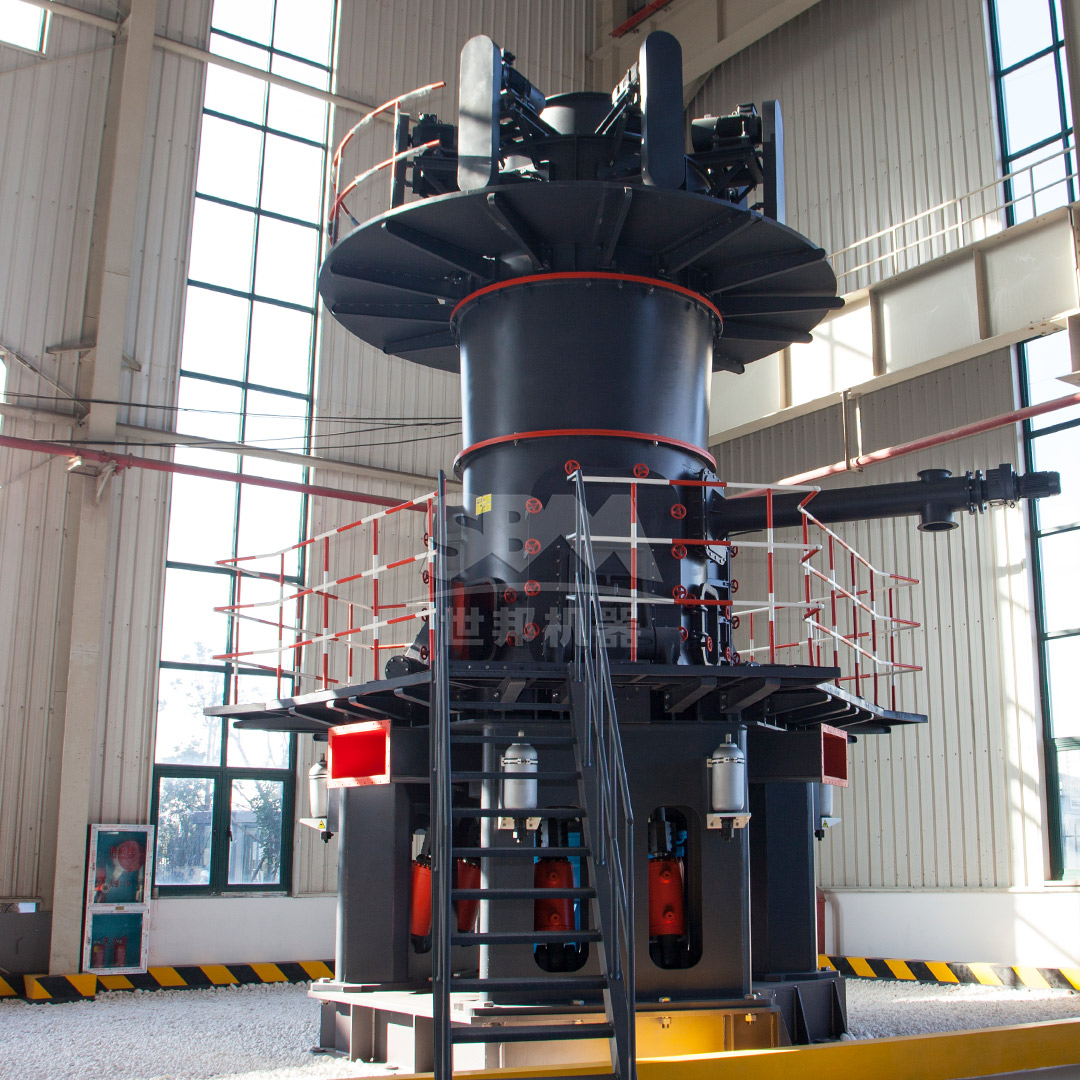
While the term “Raymond Mill” is generic, technological advancements have led to a new generation of mills with superior performance. For electrolytic manganese plants seeking to optimize their grinding circuit, we recommend evaluating our flagship series designed for high-capacity, precise mineral processing.
Recommended Solution 1: MTW Series European Trapezium Mill
For large-scale manganese powder production with feed sizes up to 50mm and requirements in the 30-325 mesh range, the MTW Series European Trapezium Mill represents a top-tier choice. Its design incorporates several patented improvements over conventional pendulum mills.
- High Capacity & Efficiency: With models offering capacities from 3 to 45 tons per hour, it meets the demands of modern EMM facilities. The innovative curved air duct and integral bevel gear drive (98% transmission efficiency) minimize energy loss.
- Enhanced Durability: The anti-wear combined shovel blade and optimized grinding roller trajectory significantly reduce wear on critical components, lowering long-term operating costs—a key consideration for continuous 24/7 operation.
- Precision & Cleanliness: The wear-resistant volute and efficient pulse dust collector ensure high product purity and minimal environmental dust emission, aligning with modern industrial environmental standards.
For a standard electrolytic manganese plant with a target grind of 200 mesh, the MTW175G model (Capacity: 9.5-25 t/h, Main Power: 160kW) provides an excellent balance of output and energy consumption.
Recommended Solution 2: SCM Series Ultrafine Mill
For producers exploring advanced manganese products or requiring exceptionally fine and uniform powder for specialized leaching processes or chemical manganese dioxide (CMD) production, the SCM Series Ultrafine Mill is the ultimate tool.
- Ultra-Fine Grinding Capability: This mill can consistently produce powder in the range of 325 to 2500 mesh (45-5μm). The high-precision vertical turbine classifier guarantees no coarse powder mixing, resulting in a remarkably uniform product.
- Superior Energy Profile: Despite its fine-grinding ability, its design offers capacity twice that of jet mills while consuming 30% less energy, making fine grinding economically viable.
- Intelligent Operation: Its automatic finished product granularity feedback system allows for precise control and stable quality, reducing operator dependency and process variability.
A model like the SCM1000 (Capacity: 1.0-8.5 t/h, Fineness: 325-2500 mesh) is perfectly suited for pilot plants or production lines focused on high-value, fine manganese powder derivatives.
Conclusion
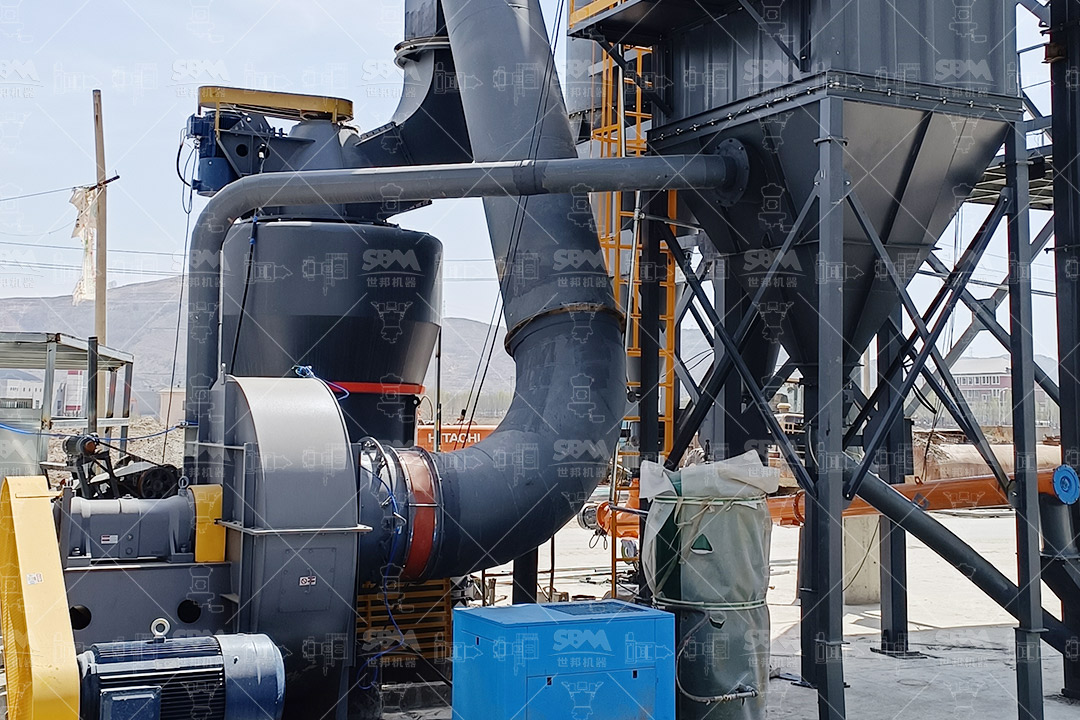
The preparation of manganese powder via efficient grinding is a fundamental determinant of success in electrolytic manganese production. Modern Raymond Mill technology, particularly as embodied in advanced series like the MTW and SCM, provides the necessary combination of precision, energy efficiency, reliability, and environmental compliance. By investing in the right grinding technology, producers can achieve optimal leaching efficiency, reduce overall operating costs, enhance product quality, and strengthen their competitive position in the global manganese market. Selecting a mill tailored to your specific feed characteristics, target fineness, and production scale is the first critical step toward process optimization.