Application of Raymond Mill for Bentonite Processing in Bentonite Pellet Production
1. Introduction
The production of bentonite pellets, a critical component in applications ranging from iron ore pelletizing and foundry sand bonding to cat litter and agricultural carriers, demands precise control over raw material properties. The key to achieving high-quality, durable pellets lies in the initial processing stage: the fine grinding and activation of raw bentonite clay. Among various milling technologies, Raymond Mill (also known as pendulum roller mill) has established itself as a cornerstone in bentonite processing circuits due to its efficiency, reliability, and ability to produce the specific particle size distribution required for optimal pellet formation. This article explores the pivotal role of Raymond Mill technology in bentonite pellet production, detailing its working principles, advantages, and the critical parameters it influences in the final pellet quality.
2. The Role of Particle Size in Bentonite Pellet Quality
Bentonite’s effectiveness as a binder is intrinsically linked to its surface area and swelling capacity, both of which are exponentially increased through fine grinding. The target fineness for pelletizing-grade bentonite typically falls within the range of 75 microns (200 mesh) to 45 microns (325 mesh). A Raymond Mill is exceptionally well-suited to achieve this range consistently.
- Swelling Index & Green Strength: Finer particles hydrate more rapidly and completely, leading to a higher gel strength and improved “green” (unfired) pellet strength, which is crucial for handling and transportation before induration.
- Uniform Coating: A controlled, narrow particle size distribution ensures a uniform coating of binder around the iron ore or other core particles, leading to consistent pellet density and strength.
- Binder Efficiency: Optimal fineness maximizes the binding efficiency of the bentonite, allowing pellet producers to minimize bentonite dosage (often targeted at 0.6-0.8% for iron ore) without compromising quality, directly impacting production costs.
3. Raymond Mill: Working Principle and Advantages for Bentonite
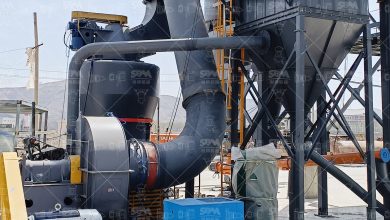
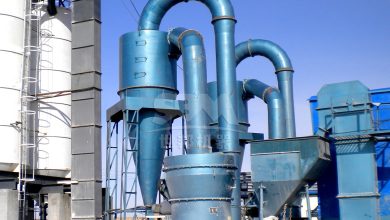
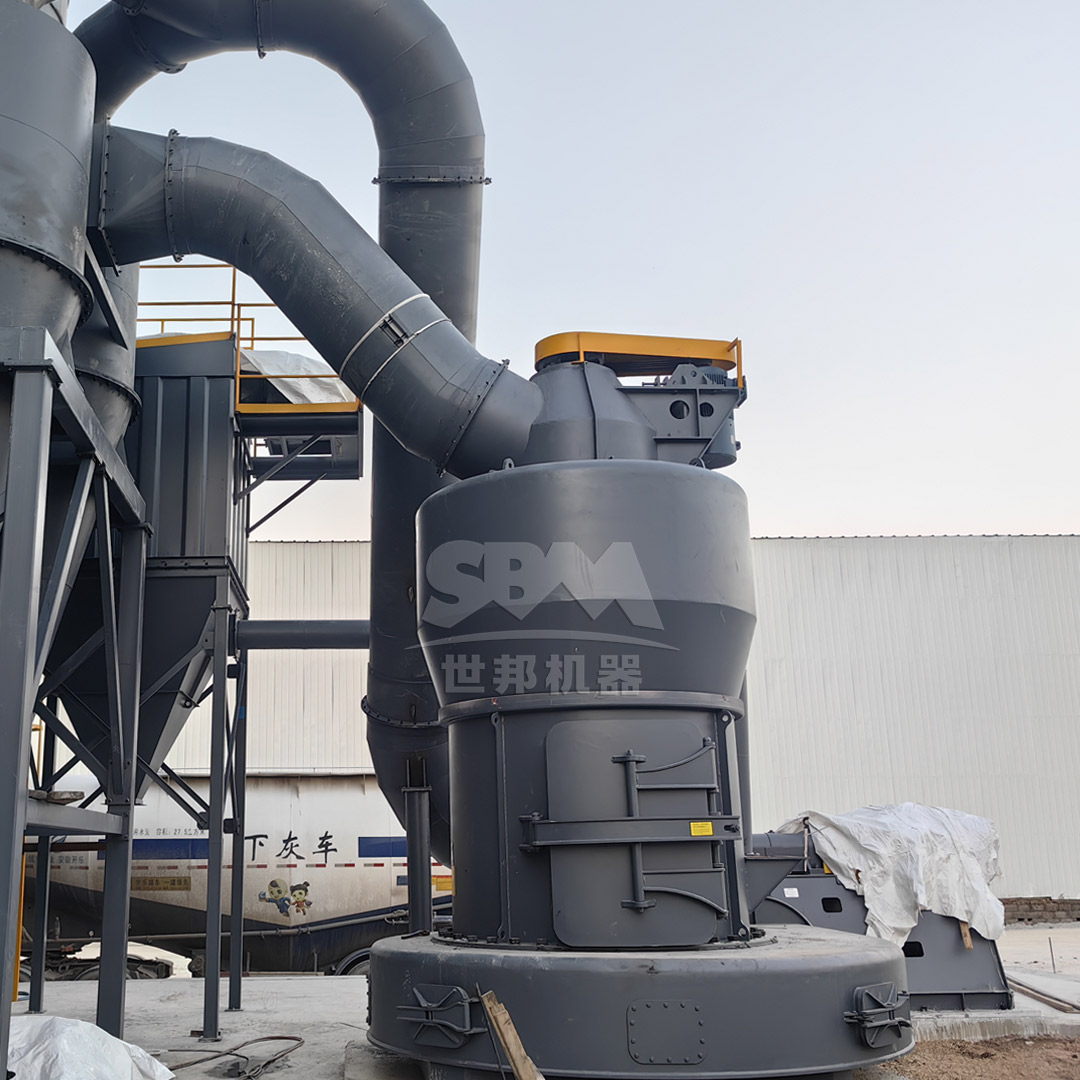
The traditional Raymond Mill operates on a pendulum principle. The main motor drives a central shaft causing grinding rollers, suspended by swing links, to rotate against a stationary grinding ring. Shovels feed the material into the grinding zone, where it is crushed by the roller’s centrifugal force. An integral classifier (whizzer) at the top separates fine particles, which are collected by a cyclone, while oversized particles fall back for regrinding.
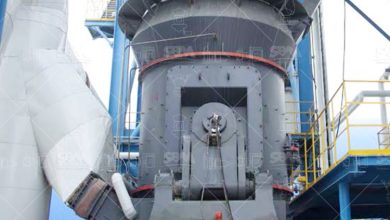
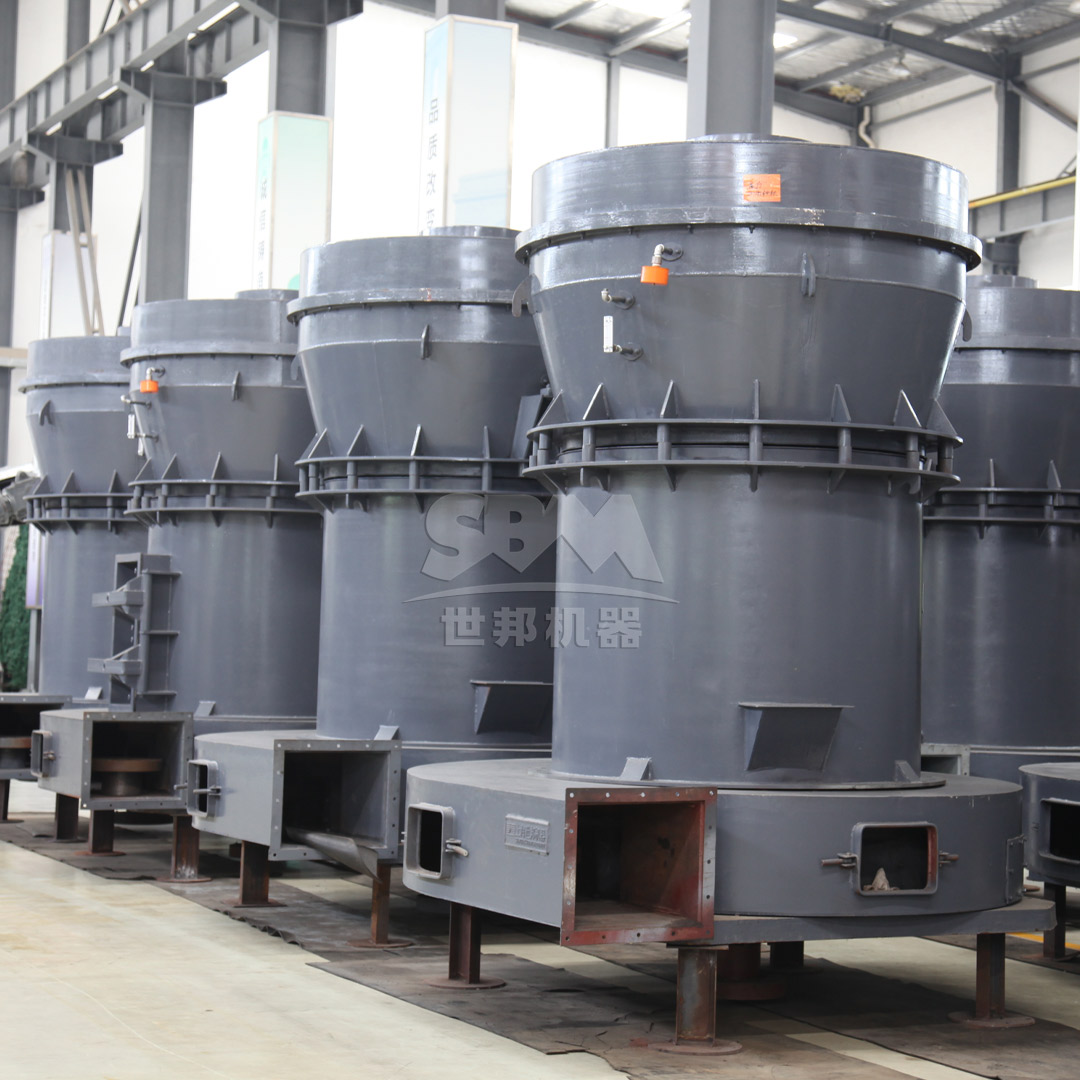
For modern bentonite processing, advanced iterations of this technology offer significant enhancements. We recommend our MTW Series European Trapezium Mill for this application. Building upon the classic Raymond Mill design, the MTW series incorporates critical innovations that make it ideal for high-volume bentonite processing plants.
- Anti-wear Shovel & Curved Roller Design: Bentonite is abrasive. The MTW’s combined shovel blades and optimized roller profile drastically reduce wear part consumption and maintenance downtime, a major operational cost factor.
- Integral Bevel Gear Drive: With a transmission efficiency of up to 98%, this sealed drive system is more reliable and energy-efficient than traditional worm gear drives, offering significant power savings for continuous 24/7 pellet plant operations.
- Precise Classifier System: The advanced curved vane classifier provides superior particle size cutting, ensuring the output consistently meets the strict 200-325 mesh specification for pelletizing bentonite. This precision is vital for achieving repeatable pellet quality.
- High Capacity & Robustness: With models like the MTW215G offering capacities up to 45 tons per hour and handling feed sizes up to 50mm, this mill can serve as the core of a large-scale bentonite processing line, providing the throughput required by major mining and industrial operations.
4. From Grinding to Pelletizing: The Integrated Process Flow
The Raymond Mill is the heart of the bentonite preparation circuit. A typical process flow for pellet-grade bentonite production is as follows:
- Primary Crushing: Raw bentonite lumps are reduced to below 50mm using a jaw crusher.
- Drying: Moisture content is reduced in a rotary dryer to optimize grinding efficiency (typically to 10-15%).
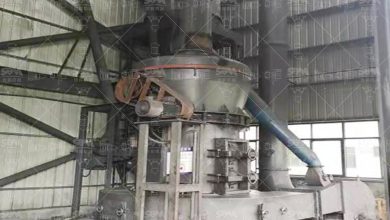
- Fine Grinding (Raymond Mill Stage): This is the core stage. The dried bentonite is fed into the MTW Series Mill, where it is ground to the target fineness. The mill’s integrated classifier and efficient cyclone collector ensure a dry, finely powdered product.
- Activation (If Required): For sodium activation, the powdered bentonite may be mixed with soda ash (sodium carbonate) in a mixer to enhance its swelling properties.
- Pelletizing Plant: The processed bentonite powder is transported to the pellet plant, where it is precisely metered and mixed with moist iron ore concentrate in a balling drum or disc to form green pellets.
5. Advanced Solutions for Ultra-Fine or Specialized Requirements
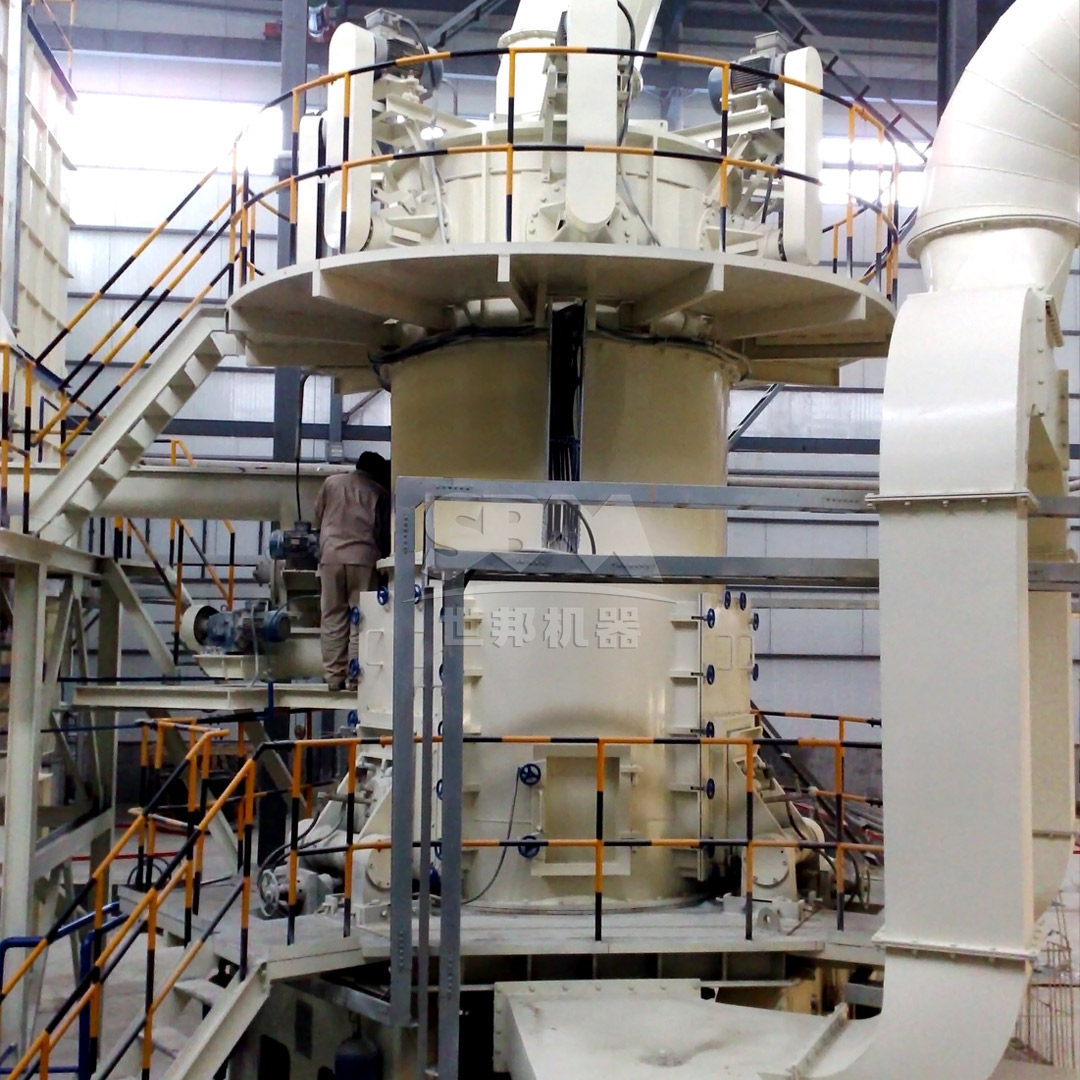
While the MTW Series is perfect for standard pelletizing grades, some specialized applications or quality benchmarks may demand even finer products or higher efficiency for specific bentonite types. For these demanding scenarios, our SCM Series Ultrafine Mill presents an excellent solution.
Capable of producing powders from 325 to an impressive 2500 mesh (5μm), the SCM Mill is ideal for producing high-value, activated bentonite for premium applications or for research into enhanced pellet binders. Its technical advantages include:
- High Efficiency & Energy Saving: It offers double the capacity of jet mills with 30% lower energy consumption, making ultra-fine grinding economically viable.
- High-Precision Turbine Classifier: Guarantees a sharp, consistent top cut with no coarse powder mixing, resulting in a product with exceptional uniformity that can lead to more predictable pellet behavior.
- Durable Grinding System: Special material rollers and rings and a shaftless screw design ensure stable, long-lasting operation even with abrasive materials.
For pellet producers looking to develop next-generation binder blends or process unique bentonite deposits with exceptional properties, the SCM1680 model, with a capacity of 5-25 tons per hour, provides the perfect platform for innovation and premium product development.
6. Conclusion
The selection of the appropriate grinding technology is a decisive factor in the economics and quality output of a bentonite pellet production line. Raymond Mill technology, particularly in its advanced forms like the MTW European Trapezium Mill and SCM Ultrafine Mill, provides an unmatched combination of reliability, precision, and efficiency. By delivering a consistently fine, controlled particle size distribution, these mills directly enable the production of bentonite powder that maximizes binding power, minimizes additive consumption, and ultimately contributes to the creation of stronger, more uniform, and higher-quality pellets. Investing in the right milling solution is, therefore, an investment in the foundational quality and competitive edge of the entire pelletizing operation.