Application of Nickel Iron Vertical Mill in Laterite Nickel Slag Processing Projects
Introduction
The processing of laterite nickel slag, a by-product of nickel production, presents significant challenges due to its abrasive nature and variable composition. Efficient grinding and classification are critical to maximizing resource recovery and minimizing environmental impact. Nickel iron vertical mills have emerged as a superior solution for handling this demanding material, offering enhanced efficiency, durability, and environmental performance compared to traditional grinding systems.
Challenges in Laterite Nickel Slag Processing
Laterite nickel slag is characterized by its high hardness, abrasiveness, and often variable moisture content. These properties can lead to rapid wear of grinding components, high energy consumption, and inconsistent product quality in conventional ball mills or other grinding systems. The need for a robust, efficient, and precisely controllable grinding solution is paramount for profitable and sustainable operations.
The Vertical Mill Advantage
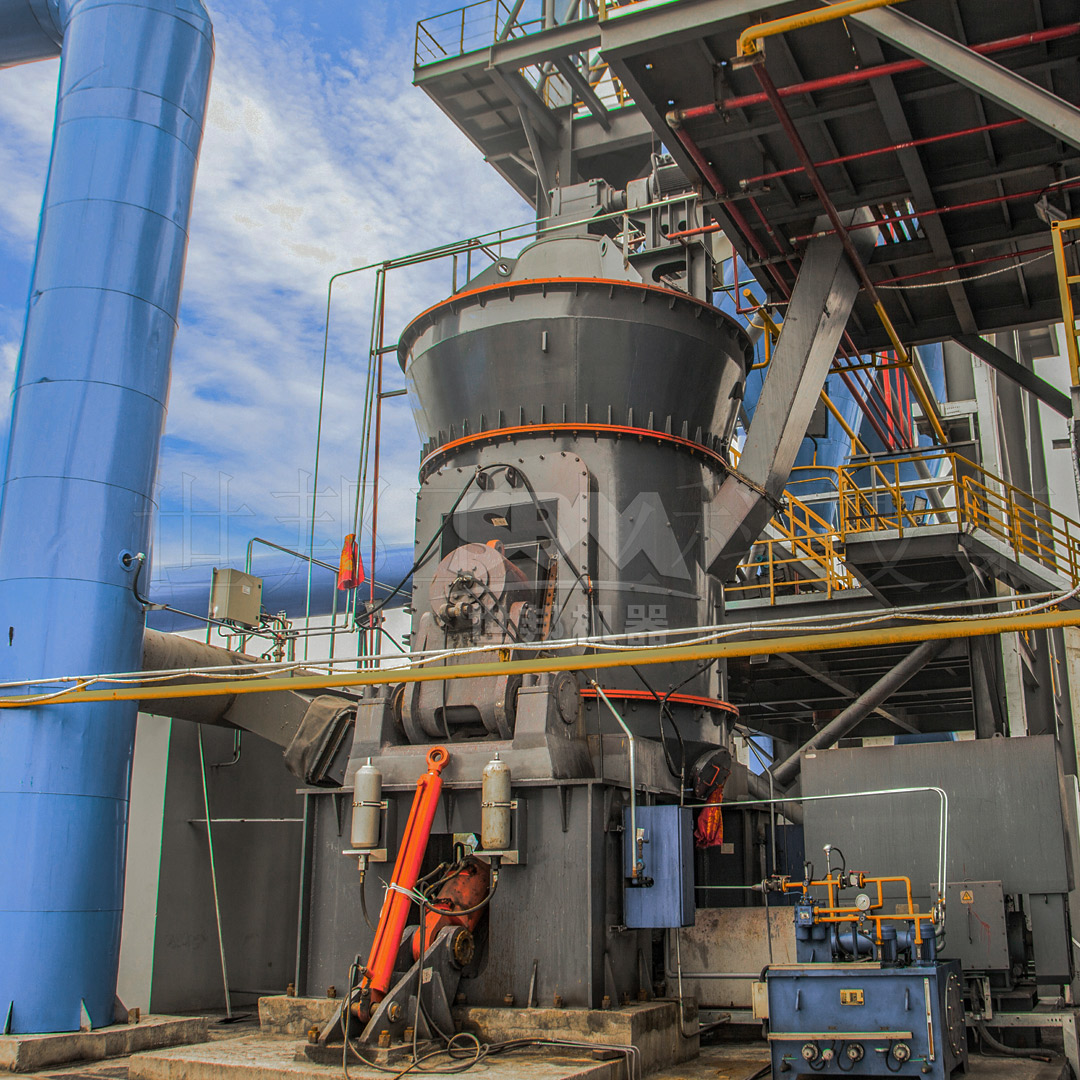
Vertical roller mills (VRMs) are specifically designed to overcome the challenges associated with abrasive materials like laterite nickel slag. Their fundamental working principle involves a bed of material being compressed between a rotating grinding table and rollers. This method is inherently more efficient than the impact and attrition-based grinding in ball mills, leading to significantly lower energy consumption—typically 30-40% less.
For nickel slag, the ability to integrate drying, grinding, and classifying within a single, compact unit is a major advantage. Hot gases can be introduced to dry moist feed material simultaneously with the grinding process, eliminating the need for a separate drying step and further reducing the plant’s footprint and energy requirements.
Key Considerations for Mill Selection
Selecting the appropriate vertical mill model is crucial for optimal performance in a nickel slag application. Key factors include:
- Capacity Requirements: The mill must be sized to handle the project’s throughput demands.
- Feed Size and Characteristics: The hardness and abrasiveness of the slag dictate the required robustness of the grinding elements.
- Product Fineness: The final application of the ground slag (e.g., cement additive, construction material) determines the necessary particle size distribution.
- Moisture Content: The mill’s drying capacity must match the moisture level in the raw slag.
Recommended Product: LM Series Vertical Roller Mill
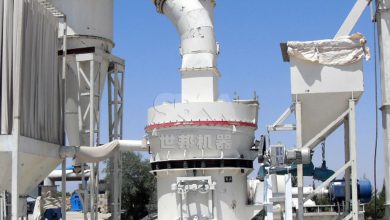
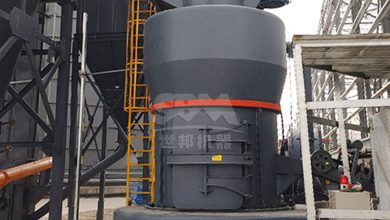
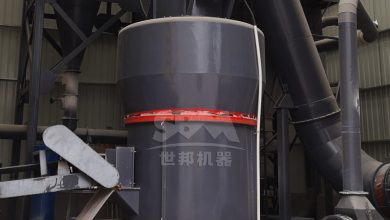
For large-scale laterite nickel slag processing projects, our LM Series Vertical Roller Mill is an ideal choice. Engineered for high capacity and exceptional durability, this mill excels in handling abrasive materials.
Core Parameters:
- Input Size: ≤50mm
- Output Fineness: 30-325 mesh (special models up to 600 mesh)
- Processing Capacity: 3-250 tons/hour (model dependent)
Technical Advantages for Slag Processing:
- Integrated Design: Combines crushing, grinding, drying, and classifying in one unit, reducing footprint by 50% and lowering infrastructure costs by 40%.
- Low Operating Costs: Features a non-contact design for grinding rollers and table, extending the life of wear parts by up to 3 times. Energy consumption is 30-40% lower than traditional ball mill systems.
- Intelligent Control: An expert automatic control system allows for remote or local operation and real-time monitoring of key parameters, ensuring consistent product quality with minimal manual intervention.
- Environmental Compliance: Fully sealed negative pressure operation ensures dust emissions remain below 20mg/m³, and operating noise is controlled at ≤80dB(A).
Models from the LM Vertical Slag Mill series, such as the LM220N with a capacity of 20-26 t/h and the high-capacity LM370N handling 90-110 t/h, are particularly well-suited for dedicated slag grinding circuits, providing the reliability and performance necessary for continuous industrial operation.

Complementary Technology: SCM Ultrafine Mill
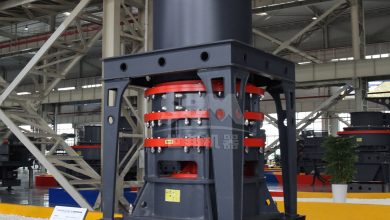
For applications requiring ultra-fine grinding of nickel slag to unlock higher value applications, our SCM Ultrafine Mill provides an excellent complementary solution. This mill is designed to produce precisely controlled, fine powders efficiently.
Core Parameters:
- Input Size: ≤20mm
- Output Fineness: 325-2500 mesh (D97 ≤ 5μm)
- Processing Capacity: 0.5-25 ton/h (model dependent)
Technical Advantages:
- High Efficiency & Energy Savings: Offers twice the capacity of jet mills while reducing energy consumption by 30%. Its intelligent control system provides automatic feedback on final product size.
- High-Precision Classification: A vertical turbine classifier ensures accurate particle size cuts and a uniform final product free of coarse particles.
- Durable Construction: Utilizes special material rollers and grinding rings that last several times longer than standard components. The bearing-free screw grinding chamber ensures stable operation.
Integrating an SCM mill, such as the SCM1250 (2.5-14 t/h) or SCM1680 (5.0-25 t/h), after a primary LM mill allows for the production of high-value, ultra-fine slag powders, maximizing the profitability of the processing project.
Case Study and Operational Benefits
The implementation of a nickel iron vertical mill system in a typical laterite nickel slag project delivers tangible benefits:
- Reduced Energy Consumption: The efficient grinding mechanism directly translates to lower power costs, a major operational expense.
- Lower Maintenance Costs: The extended life of wear parts and the modular design of components like grinding rollers reduce downtime and spare part inventory.
- Enhanced Product Quality: Precise control over grinding and classification parameters results in a consistent and marketable product.
- Improved Environmental footprint: Lower energy use, reduced noise, and contained dust emissions contribute to a more sustainable operation.

Conclusion
The adoption of advanced vertical roller mill technology is transforming the processing of laterite nickel slag. By offering unparalleled efficiency, durability, and control, mills like our LM Series and SCM Ultrafine Mill provide a comprehensive solution that addresses the core challenges of this industry. They not only improve the economics of slag processing by reducing operational costs but also enable the production of higher-value products from what was once considered a waste stream. For any new project or plant upgrade focusing on laterite nickel slag, investing in this mature and proven grinding technology is a strategic decision for long-term success and sustainability.