Application of Lithium Slag Powder Equipment in Building Material Production from Lithium Slag
Introduction: The Rise of Lithium Slag as a Sustainable Building Material
The rapid global expansion of the lithium-ion battery industry, driven by the electric vehicle and renewable energy storage revolutions, has led to a corresponding surge in the production of lithium slag. This industrial by-product, generated during the extraction of lithium from spodumene ore, presents both a significant waste management challenge and a remarkable opportunity for the construction sector. Traditionally landfilled, lithium slag possesses latent hydraulic and pozzolanic properties that, when properly processed, can transform it into high-value supplementary cementitious materials (SCMs), geopolymers, and other building components. The key to unlocking this potential lies in advanced powder processing technology. This article explores the critical role of specialized grinding and classification equipment in converting lithium slag from an industrial residue into a performance-enhancing, eco-friendly building material.
1. The Nature of Lithium Slag and Its Activation Requirements
Lithium slag is primarily composed of aluminosilicate glass phases, along with residual quartz, feldspar, and minor crystalline compounds. Its reactivity is intrinsically linked to its particle size and specific surface area. To effectively participate in cementitious reactions—either through pozzolanic activity with calcium hydroxide or as a precursor for alkali-activated geopolymers—the slag must be ground to a fine powder. The target fineness typically ranges from 300 to 500 m²/kg (Blaine) or finer, corresponding to a particle size distribution where a significant portion falls below 45 microns (325 mesh) and often extending into the ultrafine range below 10 microns. This size reduction not only increases the surface area available for chemical reaction but also mechanically activates the glassy phases, breaking the Si-O and Al-O bonds and enhancing reactivity.
2. Core Challenges in Lithium Slag Comminution
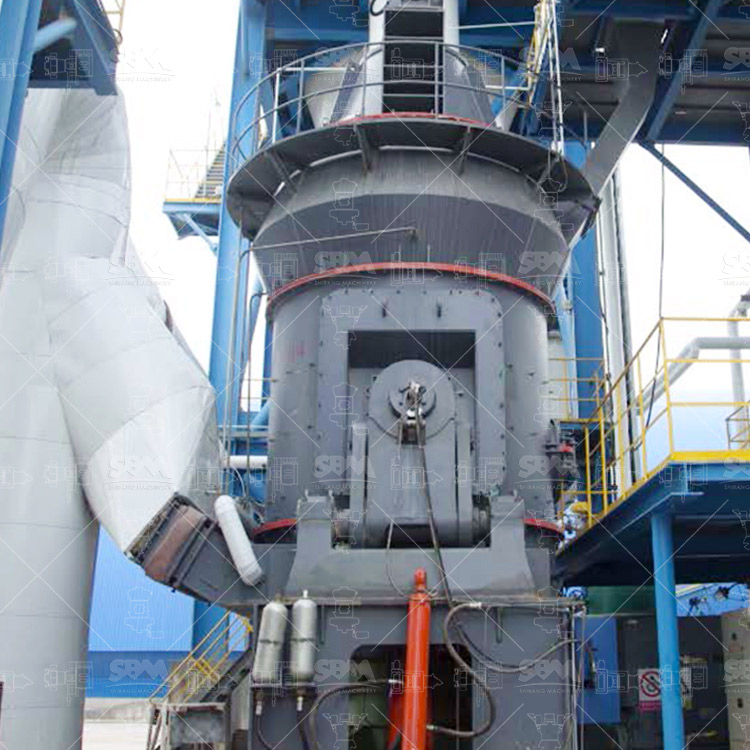
Processing lithium slag presents unique challenges that standard grinding equipment may struggle to address efficiently:
- Abrasive Nature: The residual quartz and crystalline components are highly abrasive, leading to accelerated wear on grinding media and liners.
- Moisture Sensitivity: Some lithium slag may retain process moisture, leading to agglomeration and clogging in certain mill systems.
- Precise Size Distribution Control: Achieving a consistent, narrow particle size distribution is crucial for predictable performance in concrete. Over-grinding can increase water demand, while under-grinding reduces reactivity.
- Energy Intensity: Fine and ultrafine grinding is inherently energy-intensive. The economic viability of lithium slag powder hinges on maximizing grinding efficiency.
- System Integration: A complete processing line requires integrated drying (if needed), grinding, classification, and dust collection to ensure a closed, environmentally compliant operation.
3. Equipment Solutions for Efficient Lithium Slag Powder Production
To overcome these challenges, modern mineral processing technology offers several tailored solutions. The selection depends on the required capacity, target fineness, and the specific characteristics of the feed slag.
3.1 For High-Capacity Production of Fine Powder (30-325 mesh)
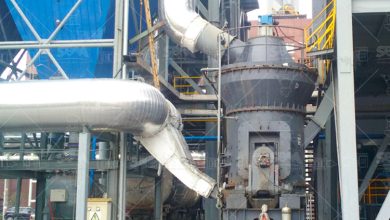
For projects requiring large volumes of lithium slag powder as a direct cement replacement or aggregate, robust and high-capacity milling systems are essential. The MTW Series European Trapezium Mill represents an ideal solution in this category. Engineered for non-metallic minerals, its advantages are particularly relevant to lithium slag:
- Anti-wear Design: Its combined shovel blades and wear-resistant volute structure are specifically designed to handle abrasive materials, significantly reducing maintenance frequency and cost—a critical factor given lithium slag’s abrasiveness.
- High Efficiency & Precision: The integral bevel gear drive achieves up to 98% transmission efficiency, while the optimized arc air duct and internal classifier allow for precise control over product fineness within the 30-325 mesh range.
- Large Capacity: With models like the MTW215G offering capacities up to 45 tons per hour, this mill is suited for central processing plants serving regional construction markets.
This system can efficiently produce the consistent, medium-fineness powder required for standard-grade SCMs, providing an excellent balance between output, energy consumption, and product quality.
3.2 For High-Value Ultrafine and High-Surface-Area Powder (325-2500 mesh)
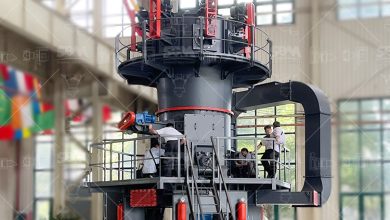
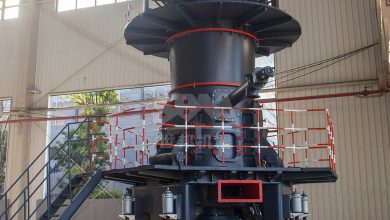
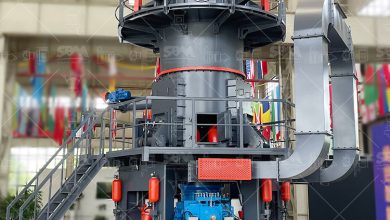
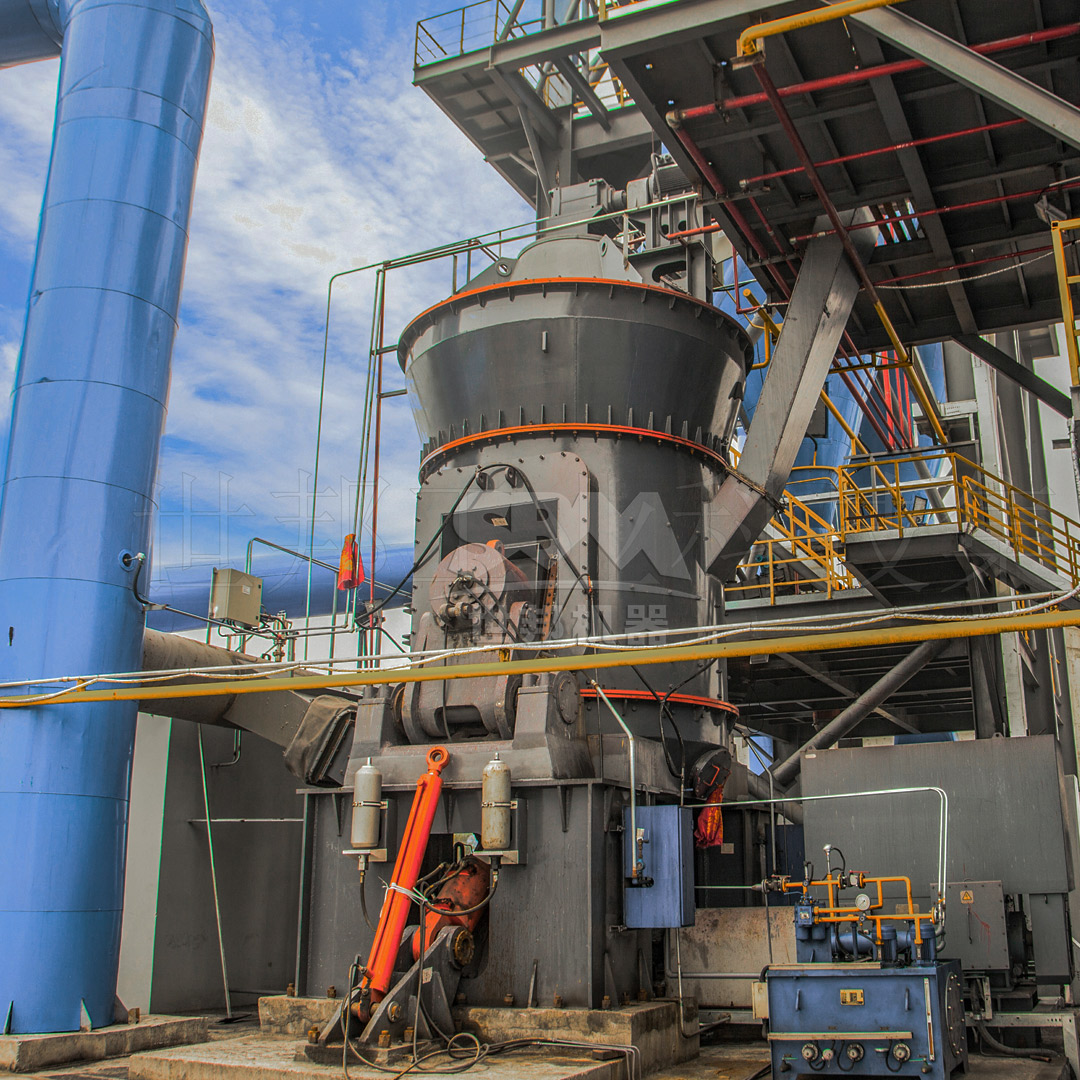
When the application demands ultra-high reactivity—such as in high-performance concrete, specialized geopolymer formulations, or as a functional filler—ultrafine grinding is mandatory. Here, the SCM Series Ultrafine Mill is the technology of choice. Its design principles align perfectly with the demands of advanced lithium slag valorization:
- Ultrafine Grinding Capability: It can reliably produce powder in the range of 325 to 2500 mesh (45-5μm), effectively activating the pozzolanic potential of lithium slag.
- High-Precision Classification: The vertical turbine classifier ensures a sharp particle size cut. This is vital for lithium slag applications, as it prevents coarse, unreactive particles from diluting the final product’s performance, guaranteeing uniformity.
- Energy-Efficient Operation: Utilizing a layered grinding principle with roller pressure, it consumes significantly less energy compared to traditional ball mills for achieving the same fineness, improving the project’s economic and environmental footprint.
- Durable & Eco-friendly: Special material rollers extend service life against abrasion, and the pulse dust collection system ensures a clean production environment with emissions exceeding international standards.
For producers aiming at the premium segment of green building materials, integrating the SCM Series Ultrafine Mill into their process line is a strategic investment that enables the production of a superior, high-performance product.
4. Integrated Production Line and Final Product Applications
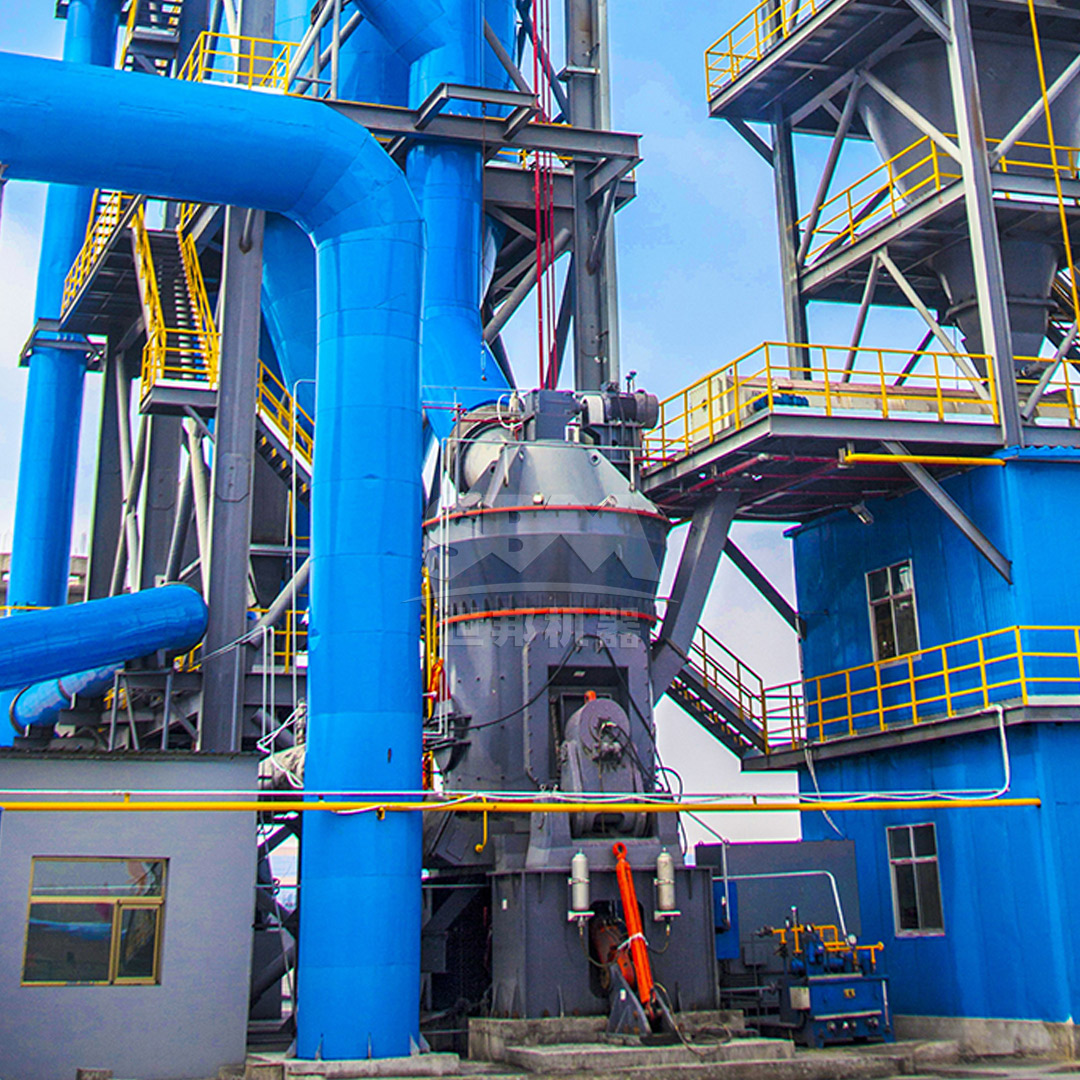
A complete lithium slag powder production line typically includes: 1) a pre-crusher (like a Hammer Mill for initial size reduction to ≤20mm), 2) a drying system (if the slag is wet), 3) the core grinding mill (e.g., MTW or SCM series), 4) a high-efficiency classifier integrated with the mill, 5) a product collection system (cyclone and pulse bag filter), and 6) automated packing and silo storage.
The resulting fine powder finds application in:
- Green Cement and Concrete: As a pozzolanic SCM, replacing 15-30% of Portland cement, reducing CO2 emissions, improving long-term strength, and enhancing durability against sulfate attack and alkali-silica reaction.
- Geopolymer Binders: As the primary aluminosilicate source for alkali-activated materials, used in precast elements, mortars, and waste encapsulation.
- Autoclaved Aerated Concrete (AAC): As a silica-rich component in the production of lightweight blocks.
- Fillers and Functional Additives: Ultrafine powder can be used in paints, coatings, and polymer composites.
5. Conclusion: Embracing Technology for a Circular Economy
The transformation of lithium slag into a valuable building material is a compelling example of industrial symbiosis and the circular economy. This transformation is not possible without sophisticated powder processing equipment. The choice between high-capacity fine grinding systems like the MTW Series European Trapezium Mill and advanced ultrafine grinding solutions like the SCM Series Ultrafine Mill depends on the targeted market and product specification. By investing in the right grinding technology, producers can effectively address the environmental challenge of lithium slag disposal, create a new revenue stream, and supply the construction industry with sustainable, high-performance materials that reduce the carbon footprint of the built environment. The future of building materials is green, and advanced processing equipment is the essential catalyst turning industrial by-products like lithium slag into the foundation of that future.