
Application of Gypsum Powder Grinding Equipment in the Production Process of Hemihydrate Gypsum for Construction
Introduction
The production of high-quality hemihydrate gypsum for construction applications requires precise control over the grinding process to achieve optimal particle size distribution and material properties. Gypsum powder grinding equipment plays a crucial role in transforming raw gypsum rock into the fine powders necessary for manufacturing various construction materials, including plaster, wallboard, and specialty building products. This article explores the technical requirements and equipment solutions for efficient hemihydrate gypsum production.
Understanding Hemihydrate Gypsum Production
Hemihydrate gypsum, also known as bassanite or plaster of Paris, is produced through a calcination process that partially dehydrates dihydrate gypsum (CaSO4·2H2O). The resulting material (CaSO4·0.5H2O) possesses unique setting properties that make it invaluable in construction applications. The grinding phase is critical because it determines the final particle size, which directly impacts setting time, strength development, and workability of the finished product.
The production process typically involves three main stages: primary crushing of raw gypsum, calcination to form hemihydrate, and final grinding to the required fineness. Each stage requires specialized equipment to ensure optimal product quality and production efficiency.

Technical Requirements for Gypsum Grinding Equipment
Particle Size Distribution Control
For construction-grade hemihydrate gypsum, precise control over particle size distribution is essential. The target fineness typically ranges from 100 to 325 mesh (150-45μm), with specific applications requiring even finer powders. Equipment must provide consistent output with minimal oversize particles that could affect product performance.
Thermal Sensitivity Considerations
Hemihydrate gypsum is thermally sensitive, and excessive heat generation during grinding can lead to partial dehydration or transformation to insoluble anhydrite. Grinding equipment must therefore incorporate effective cooling systems or operate at temperatures below the critical threshold of approximately 120°C.
Production Capacity and Efficiency
Modern construction material plants require grinding equipment capable of processing 5-50 tons per hour, depending on plant size and production requirements. Energy efficiency has become increasingly important, with operators seeking solutions that minimize power consumption while maintaining high throughput.
Recommended Grinding Solutions for Hemihydrate Gypsum
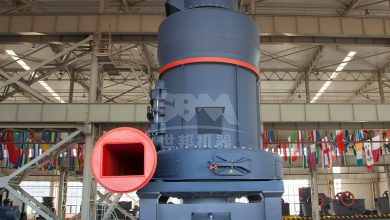
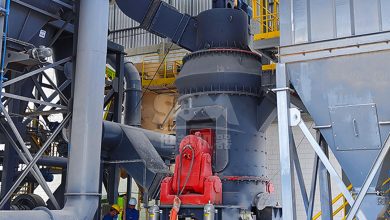
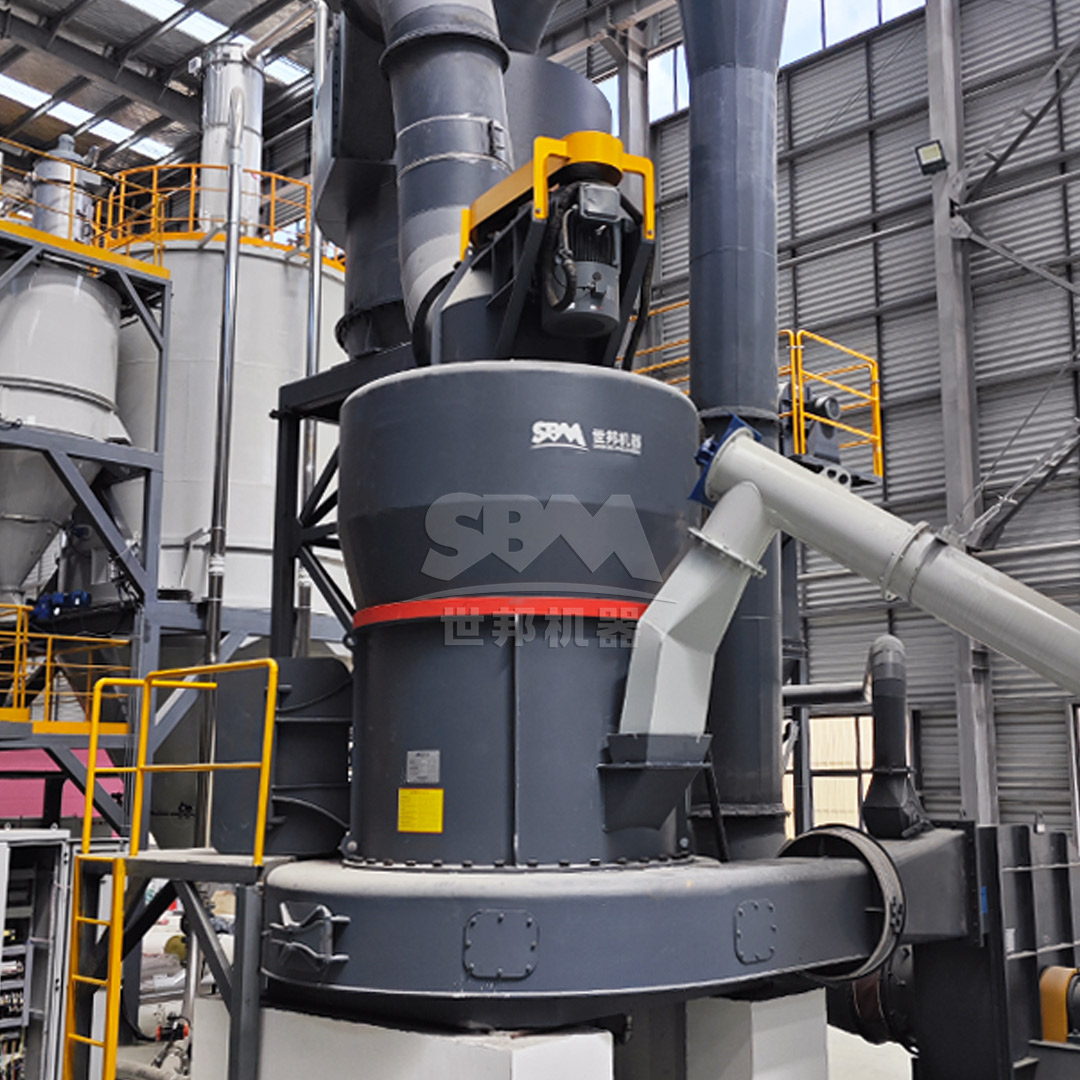
SCM Ultrafine Mill for High-Fineness Applications
For applications requiring exceptionally fine gypsum powders (325-2500 mesh), the SCM Ultrafine Mill represents an optimal solution. This equipment combines high grinding efficiency with precise particle size control, making it ideal for specialty construction products where superior surface finish and rapid setting characteristics are required.
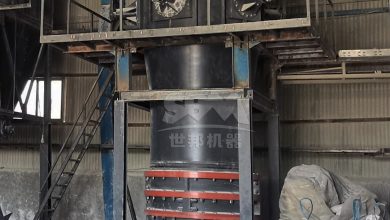
The SCM series features a unique grinding mechanism with multiple grinding rings and rollers that operate in a layered configuration. This design ensures progressive size reduction with minimal heat generation, protecting the delicate crystal structure of hemihydrate gypsum. The integrated high-precision classifier enables exact control over final product fineness, with D97 values as low as 5μm achievable.
Key advantages for hemihydrate gypsum production include:
- Energy consumption reduced by 30% compared to conventional grinding systems
- Advanced pulse dust collection system with efficiency exceeding international standards
- Noise levels below 75dB for improved working environment
- Special wear-resistant materials extending operational life by 2-3 times
With models ranging from SCM800 (0.5-4.5 t/h) to SCM1680 (5.0-25 t/h), operations can select the appropriate capacity for their specific production requirements while maintaining consistent product quality across the entire output range.
MTW Series Trapezium Mill for Standard Construction Applications
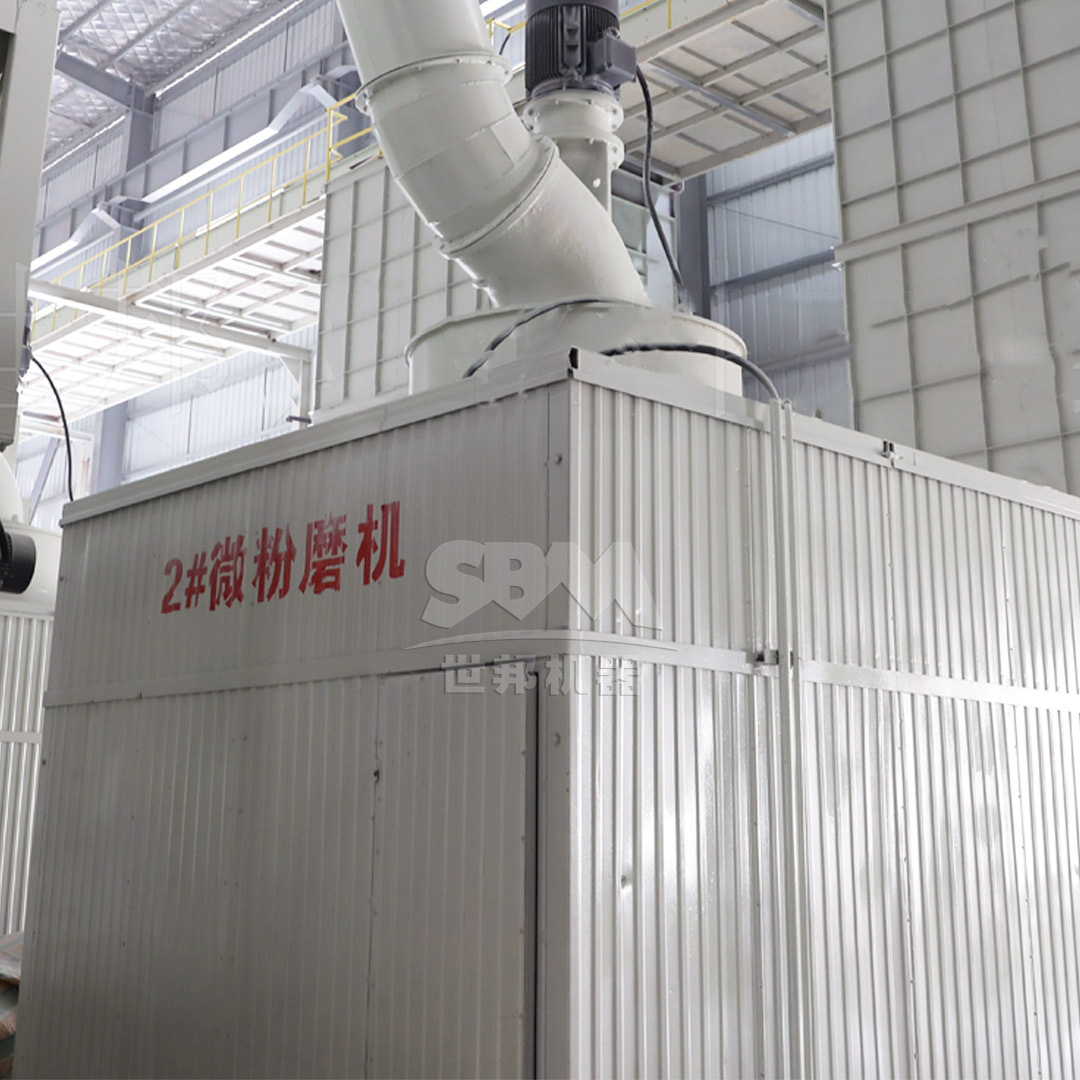
For general construction-grade hemihydrate gypsum production, the MTW Series Trapezium Mill offers an excellent balance of capacity, efficiency, and product quality. With output fineness ranging from 30-325 mesh, this equipment covers the majority of construction application requirements while delivering high throughput rates of 3-45 tons per hour.
The MTW mill incorporates several innovative features specifically beneficial for gypsum processing:
- Curved air duct design minimizes energy loss and improves material transport efficiency
- Combined blade system reduces maintenance costs and extends service intervals
- Integrated cone gear transmission with 98% efficiency reduces power consumption
- Wear-resistant volute structure maintains performance over extended operation
The grinding principle involves centrifugal force driving磨rollers to compress materials against the grinding ring, followed by classification in the integrated separator. This process ensures uniform particle size distribution with minimal energy input, making the MTW series particularly suitable for high-volume production of construction plasters and joint compounds.
Available in multiple configurations including MTW110 (3-9 t/h) through MTW215G (15-45 t/h), the series provides scalable solutions for operations of all sizes while maintaining consistent performance and product quality.
Integrated Production Line Configuration
For optimal hemihydrate gypsum production, grinding equipment should be integrated into a complete processing line that includes:
- Primary crushing system using jaw crushers or hammer mills to reduce raw gypsum to ≤35mm
- Calcination system (kettle, rotary kiln, or flash calciner) to convert dihydrate to hemihydrate
- Intermediate storage and feeding system with controlled rate delivery
- Grinding mill with integrated classification and product collection
- Packaging and bulk loading systems
Proper integration ensures smooth material flow, minimizes energy consumption, and maintains product consistency throughout the production process.
Quality Control and Process Optimization
Modern gypsum grinding operations incorporate sophisticated control systems to monitor and adjust key parameters in real-time. Critical parameters include:
- Feed rate consistency to maintain stable mill operation
- Grinding pressure optimization for maximum efficiency
- Airflow regulation to control product transport and classification
- Temperature monitoring to prevent thermal degradation
- Particle size analysis for continuous quality verification
Advanced systems can automatically adjust operational parameters based on feed material characteristics and desired product specifications, ensuring consistent quality while maximizing production efficiency.
Environmental Considerations and Sustainability
Modern gypsum grinding equipment addresses environmental concerns through several key features:
Dust Emission Control
Pulse jet baghouse filters with collection efficiency exceeding 99.9% ensure that particulate emissions remain well below regulatory limits. Closed-system designs prevent fugitive dust release during operation and maintenance.
Noise Reduction
Acoustic insulation and vibration damping systems maintain operational noise levels below 80dB, protecting workers and minimizing community impact.
Energy Efficiency
Optimized grinding mechanisms and high-efficiency drives significantly reduce power consumption compared to traditional grinding systems, lowering both operational costs and carbon footprint.
Water Conservation
Dry grinding processes eliminate water consumption associated with wet milling operations, an important consideration in water-scarce regions.
Economic Considerations
The selection of appropriate grinding equipment significantly impacts the economic viability of hemihydrate gypsum production. Key factors include:
Capital Investment
Modern grinding systems represent a substantial capital investment, but proper equipment selection can optimize return through reduced operating costs and higher product quality.
Operational Costs
Power consumption, wear part replacement, and maintenance labor constitute the primary operational expenses. Equipment with higher initial cost may offer superior lifetime economics through reduced energy and maintenance requirements.
Product Value Enhancement
Advanced grinding systems can produce premium products commanding higher market prices, potentially justifying additional investment in sophisticated equipment.
Future Trends in Gypsum Grinding Technology
The evolution of gypsum grinding equipment continues with several emerging trends:
Digitalization and Industry 4.0
Integration of IoT sensors, cloud connectivity, and predictive maintenance algorithms enables proactive equipment management and optimization of grinding parameters based on real-time operational data.
Advanced Material Science
Development of superior wear-resistant materials extends component life and reduces maintenance requirements, particularly important when processing gypsum with varying impurity content.
Energy Recovery Systems
Heat recovery from grinding processes can pre-dry feed materials or provide building heating, improving overall energy utilization.
Modular Design
Prefabricated, skid-mounted grinding systems reduce installation time and cost while facilitating future expansion or relocation of production capacity.
Conclusion
The selection and proper application of grinding equipment is fundamental to successful hemihydrate gypsum production for construction applications. Modern grinding systems like the SCM Ultrafine Mill and MTW Series Trapezium Mill offer sophisticated solutions that balance production capacity, product quality, and operational efficiency. By understanding the specific requirements of hemihydrate gypsum and implementing appropriate grinding technology, producers can optimize their operations to meet the evolving demands of the construction materials market while maintaining competitive advantage through superior product quality and production economics.
As technology continues to advance, gypsum producers should regularly evaluate new equipment developments that could further enhance their operations, particularly focusing on digitalization, energy efficiency, and sustainability improvements that align with broader industry trends and regulatory requirements.