Application of Firebrick Grinding Mill in Firebrick Recycling Projects
Introduction to Firebrick Recycling
The recycling of refractory firebricks has become increasingly important in modern industrial practices due to environmental regulations, cost reduction pressures, and sustainable development initiatives. Used firebricks from various high-temperature applications, including furnaces, kilns, and incinerators, possess significant residual value when properly processed. The key to successful firebrick recycling lies in efficient grinding and milling technologies that can transform waste materials into valuable raw materials for new refractory products or other industrial applications.
Firebricks typically contain high percentages of alumina, silica, and other refractory compounds that make them challenging to process. Their hardness, abrasiveness, and sometimes heterogeneous composition require specialized grinding equipment capable of handling these demanding materials while maintaining precise particle size control and operational efficiency.
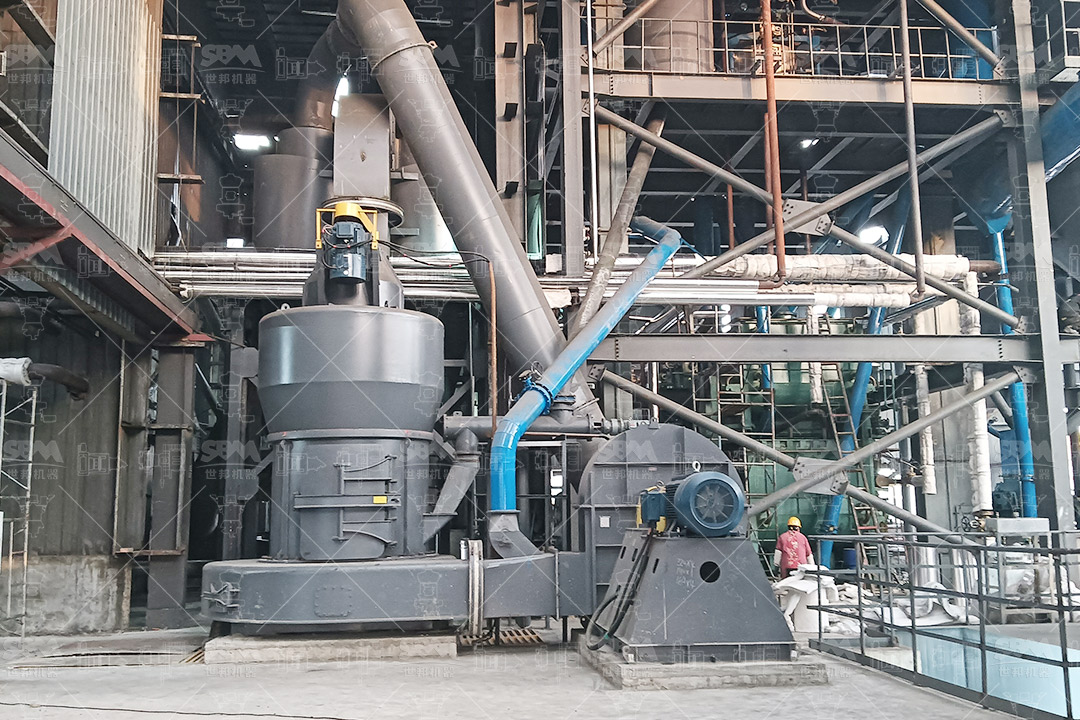
Technical Challenges in Firebrick Grinding
Material Characteristics
Used firebricks present several unique challenges for grinding operations. Their high hardness (often 7-9 Mohs scale) causes rapid wear on conventional grinding components. The presence of fused phases and glassy matrices creates irregular fracture patterns during size reduction. Additionally, contamination from previous service (metal penetration, slag adherence, thermal degradation) can create heterogeneous grinding behavior and potential contamination issues in the final product.
Particle Size Requirements
Different recycling applications demand specific particle size distributions. For reuse in new firebrick manufacturing, controlled granulometry between 45-325 mesh is typically required to ensure proper packing density and sintering behavior. For alternative applications such as abrasives, construction materials, or soil amendments, different specifications apply, ranging from coarse aggregates to superfine powders below 10 microns.
Grinding Mill Selection for Firebrick Recycling
Key Selection Criteria
When selecting grinding equipment for firebrick recycling projects, several factors must be considered: material hardness and abrasiveness, required production capacity, target particle size distribution, energy consumption, wear part replacement costs, and operational flexibility. The equipment must also accommodate potential variations in feed material characteristics, as recycled firebricks often come from different sources with varying composition and properties.
Recommended Equipment Solutions
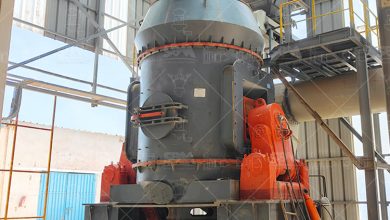
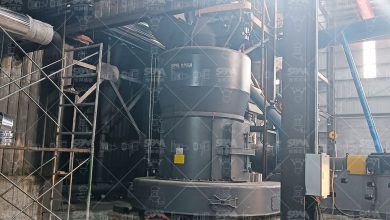
For medium to large-scale firebrick recycling operations requiring high production capacity and reliable performance, the MTW Series Trapezium Mill presents an optimal solution. With its robust construction and advanced features, this mill specifically addresses the challenges of grinding hard, abrasive materials like firebricks.
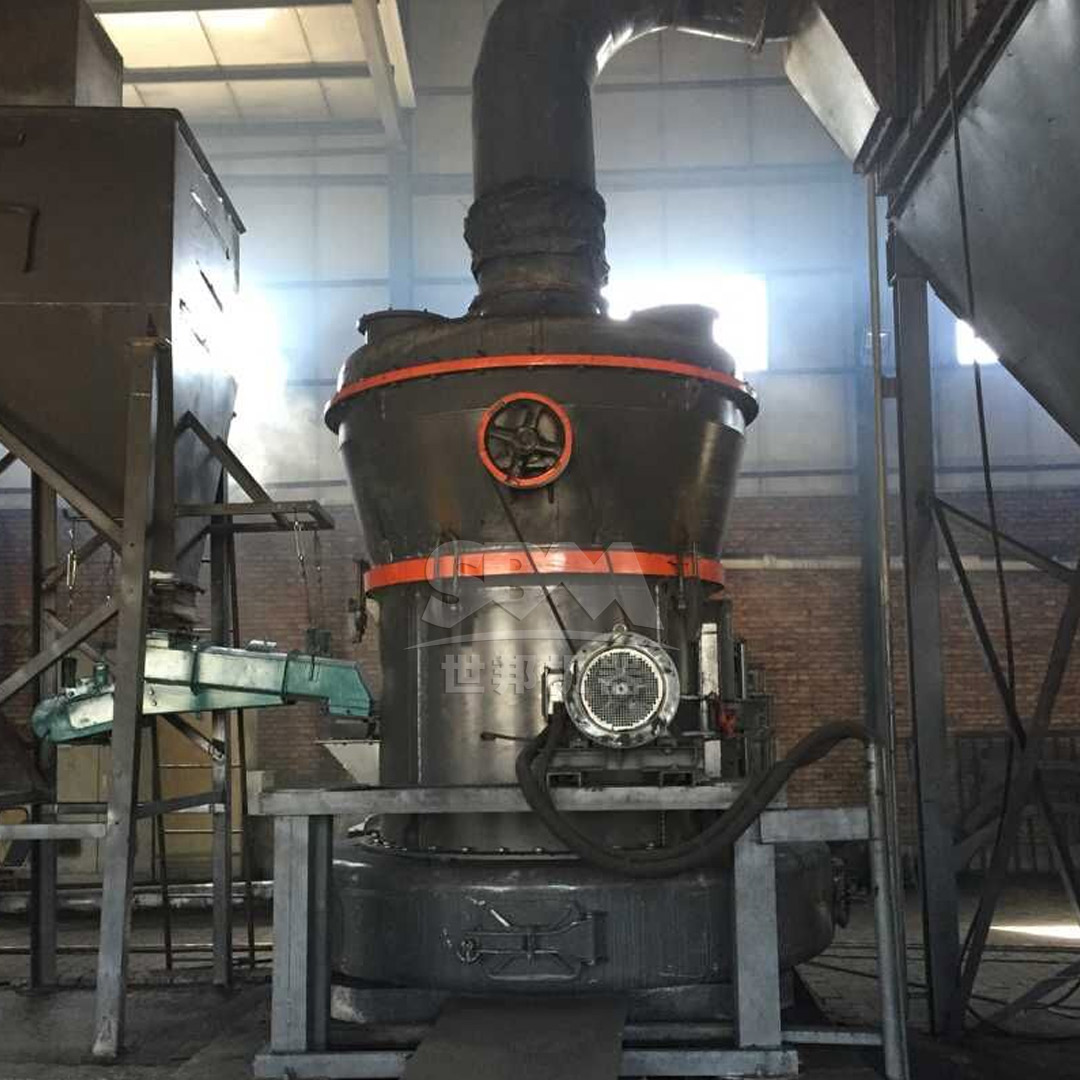
The MTW Series Trapezium Mill offers several advantages for firebrick recycling applications. Its anti-wear shovel blade design significantly reduces maintenance costs when processing abrasive firebrick materials. The curved air channel optimization minimizes energy loss and improves material transport efficiency. With input size capability up to 50mm and output fineness adjustable between 30-325 mesh (can reach 0.038mm), this equipment covers the essential range required for most firebrick recycling applications. Production capacity ranges from 3-45 tons per hour depending on the specific model selected.
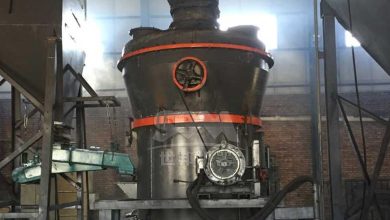
For operations requiring ultra-fine grinding of firebrick materials for high-value applications, the SCM Ultrafine Mill provides exceptional performance. Capable of producing powders with fineness between 325-2500 mesh (D97≤5μm), this mill enables the production of premium-grade recycled firebrick powders for specialized applications. The vertical turbine classifier ensures precise particle size control without coarse powder contamination, while the special material roller and grinding ring extend service life significantly when processing abrasive firebrick materials.
Operational Considerations for Firebrick Grinding
Pre-processing Requirements
Before grinding, used firebricks typically require several pre-processing steps. Initial sorting removes heavily contaminated or chemically altered bricks. Primary crushing reduces large pieces to manageable sizes compatible with grinding mill feed requirements. Magnetic separation may be employed to remove metallic contaminants from previous service. Proper pre-processing ensures consistent feed material quality and protects grinding equipment from damage.
Process Optimization
Optimizing grinding parameters for firebrick recycling requires careful consideration of several factors. Feed rate must be balanced against target particle size and equipment capacity. Airflow settings in mills with integrated classification systems significantly impact final product quality. Regular monitoring of wear parts and timely replacement prevent product contamination and maintain process efficiency. For the MTW Series Trapezium Mill, the conical gear integral transmission system achieves up to 98% transmission efficiency, contributing to overall energy optimization in the recycling process.
Economic Benefits of Professional Firebrick Grinding
Cost Savings
Implementing professional grinding solutions in firebrick recycling projects generates substantial economic benefits. Reduced raw material costs represent the most significant saving, as recycled firebrick powder can replace 20-80% of virgin raw materials in new refractory products. Lower waste disposal costs and potential revenue from selling recycled products further improve project economics. The energy-efficient design of modern grinding mills like the MTW Series contributes to operational cost reduction through lower power consumption compared to traditional grinding equipment.
Return on Investment Analysis
The return on investment for firebrick grinding equipment depends on several factors: scale of operation, local waste disposal costs, virgin material prices, and potential markets for recycled products. For medium to large industrial operations, payback periods of 12-36 months are typically achievable. The modular design and scalability of equipment like the MTW Series allow for phased implementation, reducing initial capital requirements while maintaining future expansion capability.
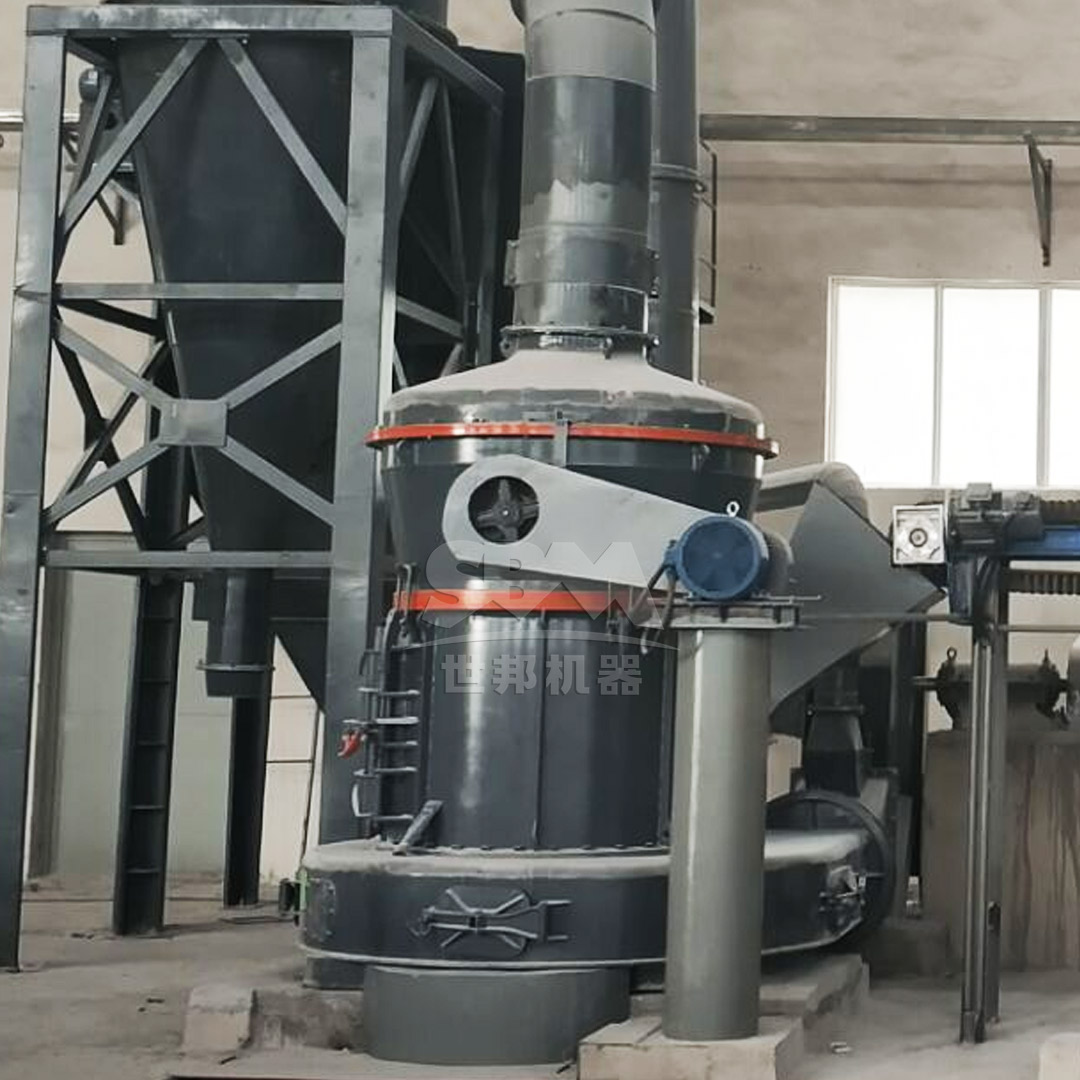
Environmental Impact and Sustainability
Waste Reduction
Firebrick recycling through professional grinding significantly reduces industrial waste sent to landfills. A typical recycling operation can divert 80-95% of used firebricks from disposal sites, substantially reducing the environmental footprint of industries utilizing refractory materials. The embodied energy in firebricks (energy consumed during original manufacturing) is partially preserved through recycling, contributing to overall resource efficiency.
Energy and Emissions
Modern grinding mills incorporate advanced environmental features that minimize their operational impact. The MTW Series Trapezium Mill, for example, includes configurable multi-stage dust removal systems that exceed international emission standards. Energy-efficient designs reduce power consumption per ton of processed material, indirectly lowering greenhouse gas emissions associated with electricity generation. The enclosed negative-pressure operation prevents dust leakage, protecting both workers and the surrounding environment.
Case Study: Large-Scale Firebrick Recycling Implementation
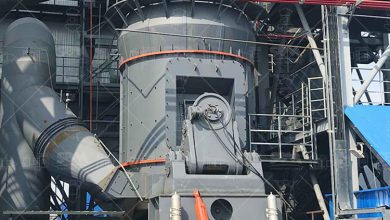
A major steel producer implemented a comprehensive firebrick recycling program using advanced grinding technology. The operation processes approximately 5,000 tons of used refractory materials annually, including various types of firebricks. After evaluating multiple equipment options, the company selected the MTW215G model from the MTW Series Trapezium Mill for its primary grinding operations.
The installation processes firebrick feedstock with maximum size of 50mm and produces material with controlled particle size distribution between 80-200 mesh for reuse in non-critical refractory applications. The operation achieves a production rate of 25-35 tons per hour with specific energy consumption of approximately 18-22 kWh per ton. Wear part replacement costs have been maintained at 20-30% below initial projections due to the mill’s durable design and optimized grinding geometry.
Future Trends in Firebrick Recycling Technology
Advanced Classification Systems
Future developments in firebrick grinding are likely to focus on improved classification technologies that enable more precise separation of different mineral phases within recycled materials. This could allow for higher-value applications by producing tailored powder compositions for specific industrial uses. Integration of real-time particle size monitoring and automated adjustment systems will further optimize process efficiency and product quality.
Digitalization and Smart Operation
The integration of Industry 4.0 technologies into grinding equipment represents another significant trend. Remote monitoring, predictive maintenance algorithms, and automated process optimization will reduce operational costs and improve equipment utilization. For equipment like the MTW Series Trapezium Mill, these developments may include enhanced control systems that automatically adjust operating parameters based on feed material characteristics and target product specifications.
Conclusion
The application of professional grinding mills in firebrick recycling projects offers substantial technical, economic, and environmental benefits. Modern equipment like the MTW Series Trapezium Mill and SCM Ultrafine Mill provide reliable, efficient solutions for transforming waste firebricks into valuable raw materials. As sustainability pressures increase and resource efficiency becomes more critical, the role of advanced grinding technology in circular economy initiatives will continue to grow.
Successful implementation requires careful consideration of material characteristics, process requirements, and economic factors. With proper planning and equipment selection, firebrick recycling projects can achieve attractive returns while contributing to environmental protection and resource conservation goals. The continuous development of grinding technology will further enhance the viability and efficiency of these important recycling operations in the coming years.