Application of Brucite in Papermaking Industry
Introduction to Brucite in Papermaking
Brucite, a natural magnesium hydroxide mineral, has gained significant attention in the papermaking industry as a functional filler and coating pigment. With its unique chemical composition and physical properties, brucite offers numerous advantages over traditional papermaking fillers such as kaolin, calcium carbonate, and talc. The mineral’s high brightness, low abrasiveness, and excellent flame retardant properties make it particularly valuable for specialty paper production.
The effectiveness of brucite in paper applications largely depends on its particle size distribution and purity. Proper processing and grinding are essential to achieve the optimal particle characteristics required for paper filling and coating. This article explores the technical aspects of brucite application in papermaking and highlights the importance of advanced grinding technology in maximizing its potential.
Technical Benefits of Brucite in Paper Products
Enhanced Optical Properties
Brucite naturally exhibits high brightness levels ranging from 90-96% ISO, significantly improving paper whiteness without extensive chemical bleaching. The mineral’s unique platelet structure provides excellent light scattering properties, resulting in superior opacity compared to conventional fillers. Paper manufacturers can achieve target opacity levels with lower filler loading when using properly processed brucite, maintaining better paper strength characteristics while reducing production costs.
Improved Flame Retardancy
One of brucite’s most valuable properties in specialty paper applications is its inherent flame retardancy. When incorporated into paper products, brucite begins to decompose at approximately 330°C, releasing water vapor and forming a protective magnesium oxide layer. This endothermic decomposition process effectively absorbs heat and dilutes combustible gases, making brucite-filled papers ideal for applications requiring enhanced fire safety, such as electrical insulation papers, wallpapers, and packaging materials for flammable products.
Reduced Abrasion and Equipment Wear
With a Mohs hardness of 2.5-3.0, brucite is significantly softer than other common paper fillers like calcium carbonate (3.0) and kaolin (2.0-2.5). This lower hardness translates to reduced abrasion on papermaking equipment, particularly on wires, foils, and refining elements. The extended equipment lifespan and reduced maintenance requirements contribute to lower operational costs and decreased production downtime.
Critical Processing Requirements for Paper-Grade Brucite
Particle Size Distribution Optimization
The performance of brucite in paper applications is highly dependent on achieving the correct particle size distribution. For filling applications, the optimal size range typically falls between 2-20μm, with a median particle diameter (d50) of approximately 5-8μm. For coating applications, finer particles in the range of 0.5-5μm with a d50 of 1-2μm are preferred. Narrow particle size distribution is crucial to ensure uniform filling, smooth surface characteristics, and optimal optical properties.
Surface Modification and Compatibility
Brucite particles often require surface treatment to ensure compatibility with papermaking systems and fiber matrices. Common modification approaches include treatment with stearic acid, silanes, or titanates to improve dispersion in aqueous systems and enhance bonding with cellulose fibers. Proper surface modification reduces flocculation, improves retention, and minimizes negative impacts on paper strength properties.
Advanced Grinding Solutions for Brucite Processing
Challenges in Brucite Comminution
Brucite presents unique challenges in grinding operations due to its soft, plate-like crystal structure and tendency to agglomerate. Conventional grinding systems often struggle to achieve the narrow particle size distributions required for premium paper applications while maintaining energy efficiency. Additionally, brucite’s low hardness can lead to overgrinding in inappropriate equipment, resulting in excessive fines that negatively impact paper formation and drainage.
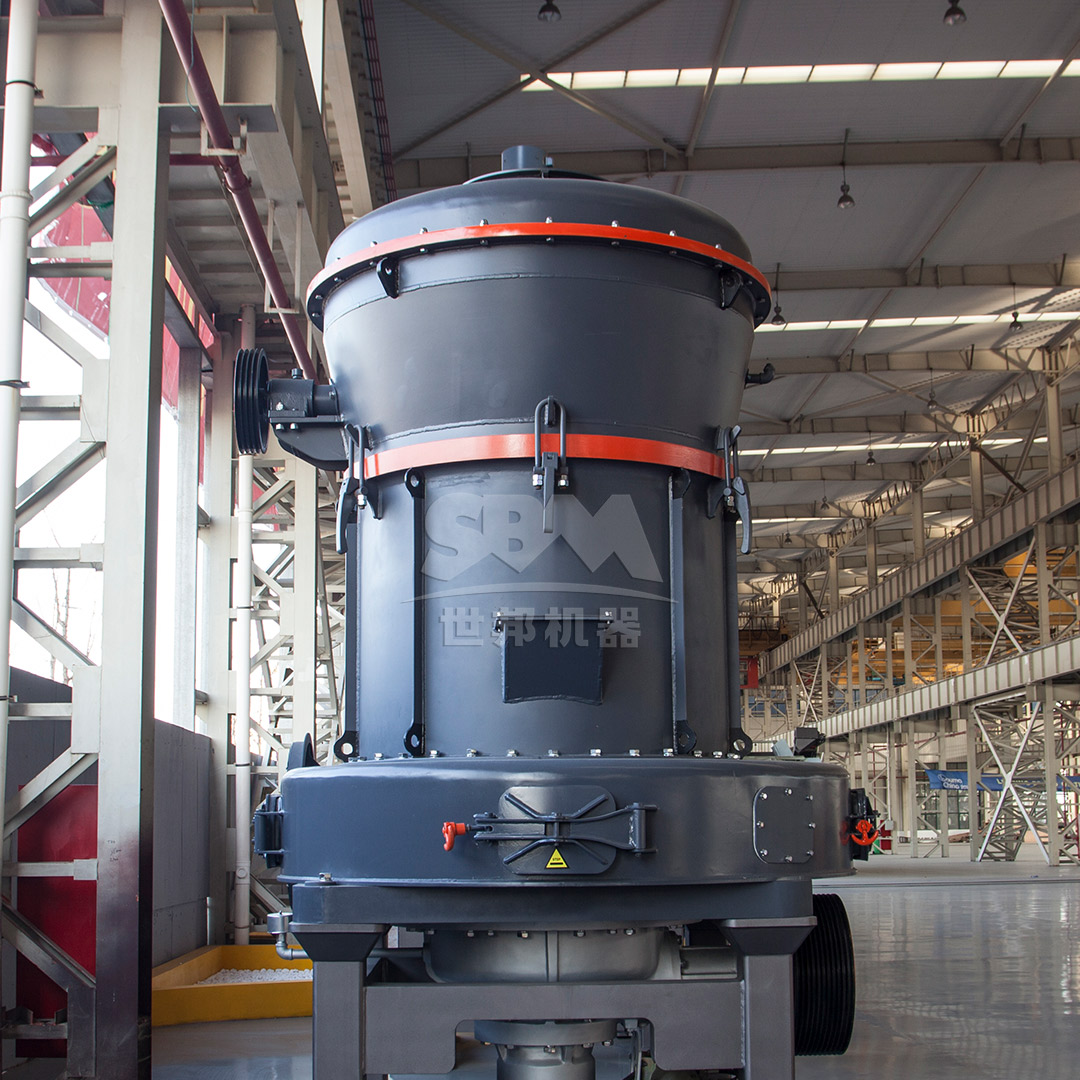
Recommended Grinding Equipment: SCM Ultrafine Mill
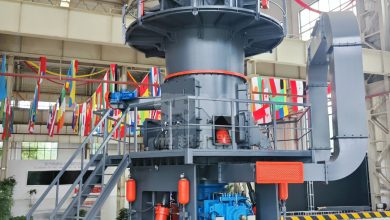
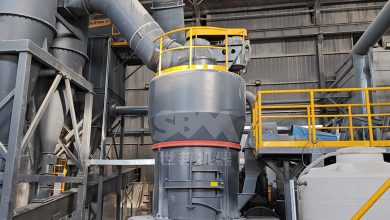
For producing high-quality brucite fillers and coating pigments, we recommend our SCM Series Ultrafine Mill. This advanced grinding system is specifically engineered to handle soft to medium-hard minerals like brucite, delivering precise particle size control with exceptional energy efficiency.
The SCM Ultrafine Mill operates with input sizes up to ≤20mm and produces output fineness ranging from 325-2500 mesh (D97≤5μm), perfectly matching the requirements for paper-grade brucite. With capacity ranging from 0.5-25 tons per hour depending on the model, this mill system can be scaled to meet various production needs.
Key advantages of the SCM Ultrafine Mill for brucite processing include:
- High-Efficiency Grinding: The unique grinding chamber design and roller configuration ensure gentle yet effective size reduction, preserving brucite’s platelet structure while achieving target fineness.
- Precision Classification: The integrated vertical turbine classifier enables precise particle size cuts, eliminating coarse particles and ensuring uniform product quality.
- Energy Efficiency: Compared to conventional jet mills, the SCM Ultrafine Mill delivers twice the production capacity while reducing energy consumption by 30%.
- Environmental Performance: With pulse dust collection efficiency exceeding international standards and noise levels below 75dB, the system ensures comfortable and compliant operation.
For medium to large-scale brucite processing operations, we recommend the SCM1250 model with 2.5-14 ton/hour capacity and 185kW main motor power, or the SCM1680 model for high-volume production with 5.0-25 ton/hour capacity and 315kW power.
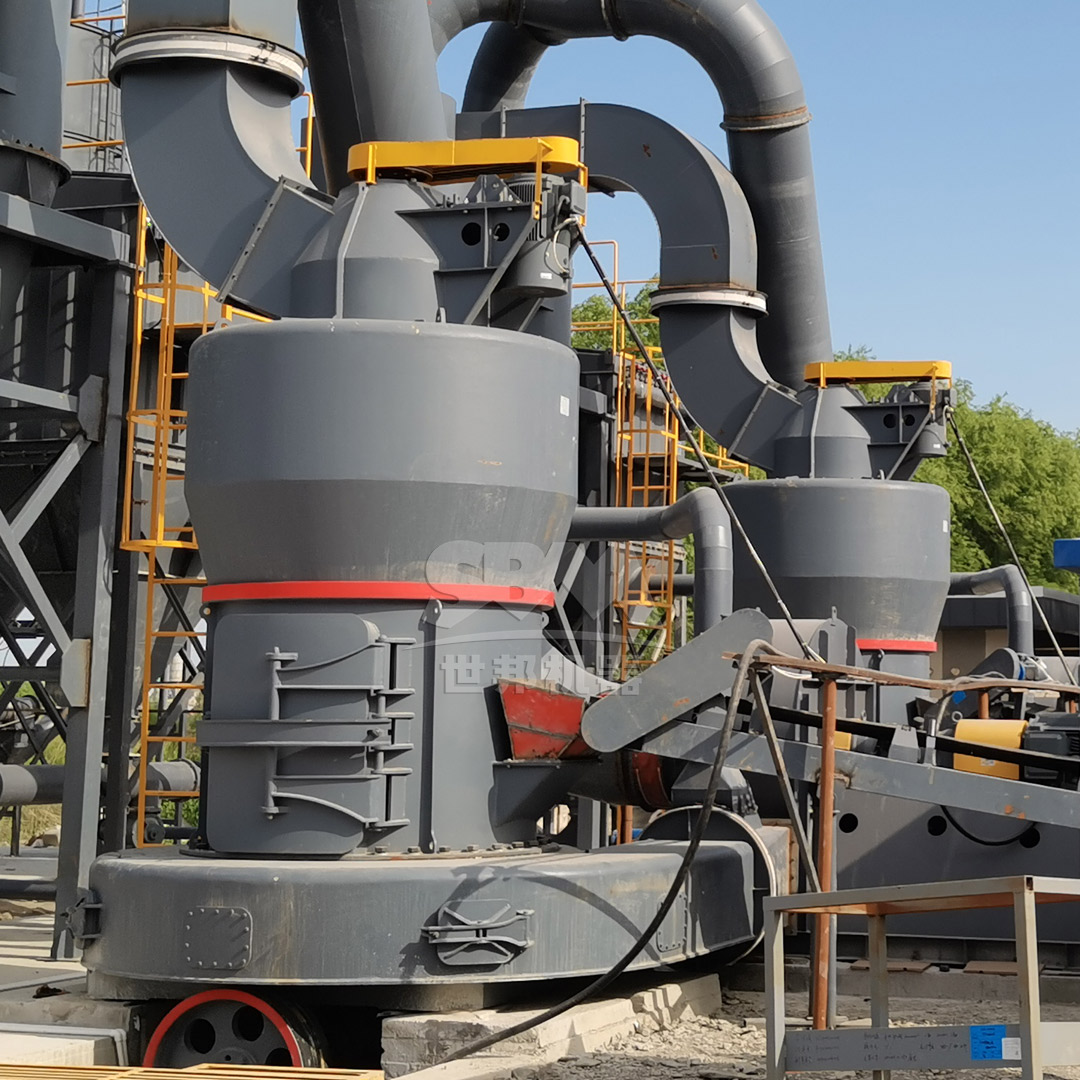
Alternative Solution: MTW Series Trapezium Mill
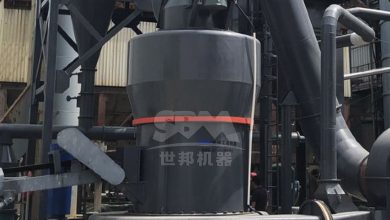
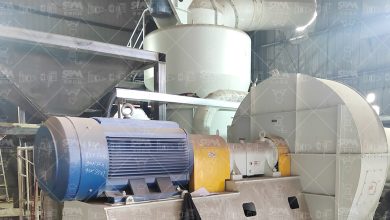
For operations requiring coarser brucite products or processing larger feed materials, our MTW Series Trapezium Mill provides an excellent alternative. This robust system handles input sizes up to ≤50mm and produces output fineness from 30-325 mesh, making it suitable for preliminary brucite grinding or applications requiring broader particle distributions.
The MTW Series features several technological advantages particularly beneficial for brucite processing:
- Anti-Wear Shovel Design: Combined shovel blades reduce maintenance costs while curved design extends grinding roller lifespan.
- Optimized Air Flow Path: Curved air duct design minimizes energy loss and improves transmission efficiency.
- Integrated Bevel Gear Transmission: Achieves 98% transmission efficiency while saving space and reducing installation costs.
The MTW215G model offers the highest capacity in this series at 15-45 tons per hour with 280kW main motor power, ideal for large-scale brucite processing facilities.
Application Guidelines and Best Practices
Filling Applications
When using brucite as a paper filler, optimal addition points typically include the thin stock system before the headbox. Recommended loading levels range from 5-20% depending on paper grade and specific performance requirements. The high brightness of brucite allows for reduced optical brightener usage, while its platelet structure improves formation and printability. Proper retention aid systems are essential to maximize brucite retention and minimize losses to the white water system.
Coating Formulations
In coating applications, brucite can partially or completely replace traditional pigments like kaolin and calcium carbonate. Typical coating formulations contain 10-40% brucite pigment, balanced with binders, co-binders, and additives. Brucite’s smooth platelet structure contributes to excellent coating uniformity, high gloss, and improved ink receptivity. The mineral’s low abrasiveness extends coating blade life and reduces operational costs.
Economic and Environmental Considerations
Cost-Benefit Analysis
While brucite may command a premium price compared to conventional fillers, its technical benefits often justify the additional cost through improved paper properties, reduced chemical consumption, and extended equipment life. The flame retardant properties of brucite-filled papers can eliminate or reduce the need for additional flame retardant chemicals, further improving cost efficiency for specialty applications.
Sustainability Advantages
Brucite offers several environmental benefits in papermaking. As a natural mineral, it requires minimal chemical processing compared to synthetic alternatives. The lower energy consumption during grinding (when using appropriate equipment like the SCM Ultrafine Mill) further reduces the carbon footprint. Additionally, brucite-filled papers exhibit improved recyclability compared to papers containing synthetic additives or complex chemical treatments.
Future Trends and Development Opportunities
Nano-Brucite Applications
Emerging research focuses on nano-scale brucite particles for advanced paper applications. These ultrafine particles offer potential for creating specialty papers with exceptional barrier properties, enhanced strength characteristics, and novel functional properties. The development of efficient grinding and classification systems capable of producing consistent nano-brucite will be crucial for commercializing these advanced applications.
Hybrid Filler Systems
Future developments will likely explore optimized combinations of brucite with other mineral fillers to create synergistic effects. Hybrid systems combining brucite with calcium carbonate, talc, or precipitated calcium carbonate can leverage the unique advantages of each material while mitigating individual limitations. Advanced grinding systems that can process multiple minerals or blend pre-ground materials will facilitate these developments.
Conclusion
Brucite represents a valuable functional filler and coating pigment for the paper industry, offering unique optical, mechanical, and flame retardant properties. The successful implementation of brucite in papermaking requires careful attention to processing parameters, particularly particle size distribution and surface modification. Advanced grinding technologies like the SCM Ultrafine Mill and MTW Series Trapezium Mill enable paper manufacturers to maximize the benefits of brucite while maintaining production efficiency and cost-effectiveness.
As the paper industry continues to evolve toward specialty and value-added products, brucite’s unique combination of properties positions it as a strategic material for innovation. With proper processing and application techniques, paper manufacturers can leverage brucite to develop differentiated products with enhanced performance characteristics and improved sustainability profiles.