Application Directions of Desulfurized Gypsum in Building Material Preparation
Introduction: The Rise of Desulfurized Gypsum as a Sustainable Resource
Desulfurized gypsum (FGD gypsum), a by-product generated from flue gas desulfurization processes in coal-fired power plants, has emerged as a cornerstone material in the pursuit of sustainable construction. Historically considered an industrial waste requiring disposal, advancements in processing technology and a paradigm shift towards circular economy principles have unlocked its immense potential. With chemical composition primarily of calcium sulfate dihydrate (CaSO4·2H2O), desulfurized gypsum shares fundamental properties with natural gypsum but offers superior consistency and purity when processed correctly. Its application in building material preparation not only mitigates environmental burdens associated with landfilling and natural gypsum mining but also enhances the performance and eco-profile of final products. This article explores the key application directions and the critical role of advanced milling technology in transforming this industrial by-product into high-value construction materials.
Core Application Directions in Building Materials
1. Gypsum Plasters and Building Plasters
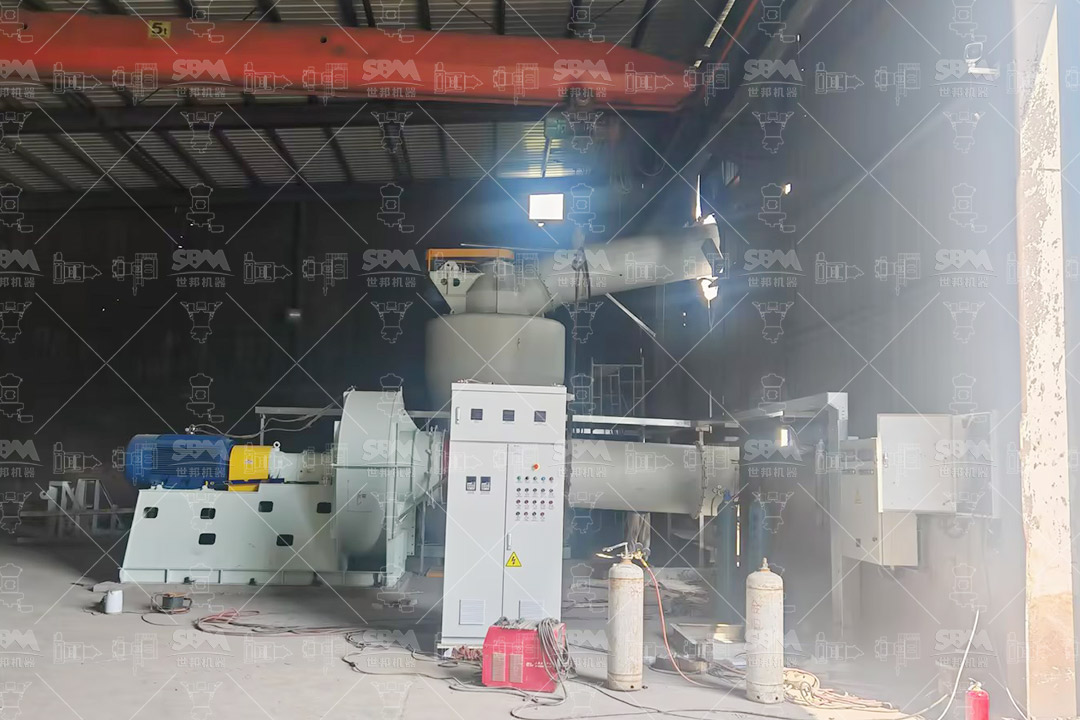
This represents the most direct and widespread application. Processed desulfurized gypsum is calcined to produce hemihydrate gypsum (CaSO4·0.5H2O), the base for various plasters. The fineness and particle size distribution of the raw gypsum powder are paramount, as they directly influence the water demand, setting time, workability, and final strength of the plaster. Uniform, ultra-fine powders result in smoother finishes, higher adhesion, and reduced cracking.
2. Gypsum Board (Drywall)
Desulfurized gypsum is the predominant raw material for gypsum board core production globally. The process involves mixing calcined gypsum with water, additives, and sometimes fibers to form a slurry, which is then sandwiched between paper liners. The quality of the core is highly dependent on the consistency and reactivity of the gypsum powder. Precise control over particle size ensures predictable setting characteristics, optimal board density, and superior fire resistance and mechanical properties.
3. Self-Leveling Floor Compounds (SLU)
High-performance self-leveling underlayments often utilize alpha-hemihydrate gypsum produced from desulfurized gypsum under autoclave conditions. This form yields denser, stronger crystals. For these applications, the raw gypsum requires grinding to a very fine and tightly controlled particle size to ensure exceptional flowability, rapid setting, high early strength, and a perfectly smooth, level surface.
4. Cement and Concrete Additive
Desulfurized gypsum is a critical set regulator in Portland cement production, ground together with clinker. Furthermore, finely ground gypsum can be used as a supplementary cementitious material or an activator in certain systems. In this role, its fineness increases its solubility and reactivity, allowing it to participate more effectively in hydration reactions, potentially improving early strength development and reducing shrinkage.
5. Other Specialized Applications
These include gypsum blocks, molding plasters for decorative elements, and soil conditioners. Each application demands specific particle morphology and size distribution, underscoring the need for versatile and precise grinding solutions.
The Pivotal Role of Grinding Technology: Unlocking Performance
The transformation of lump or granular desulfurized gypsum into a functional powder is the most critical processing step. The choice of grinding equipment determines the powder’s characteristics—fineness, particle size distribution (PSD), particle shape, and thermal stability—which in turn dictate its suitability and performance in the final product. Inefficient or imprecise grinding can lead to high energy costs, inconsistent product quality, and limited application scope.
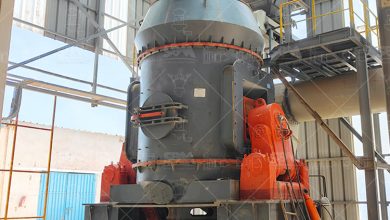
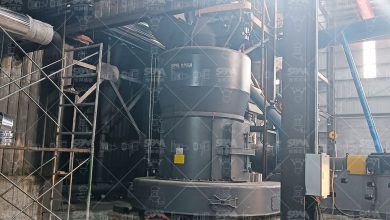
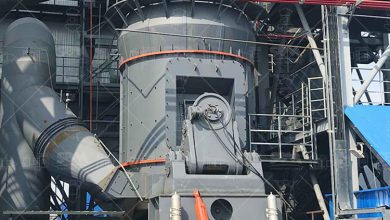
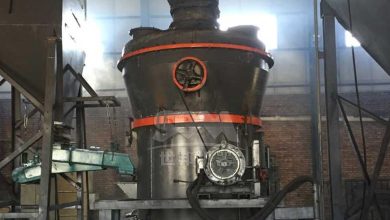
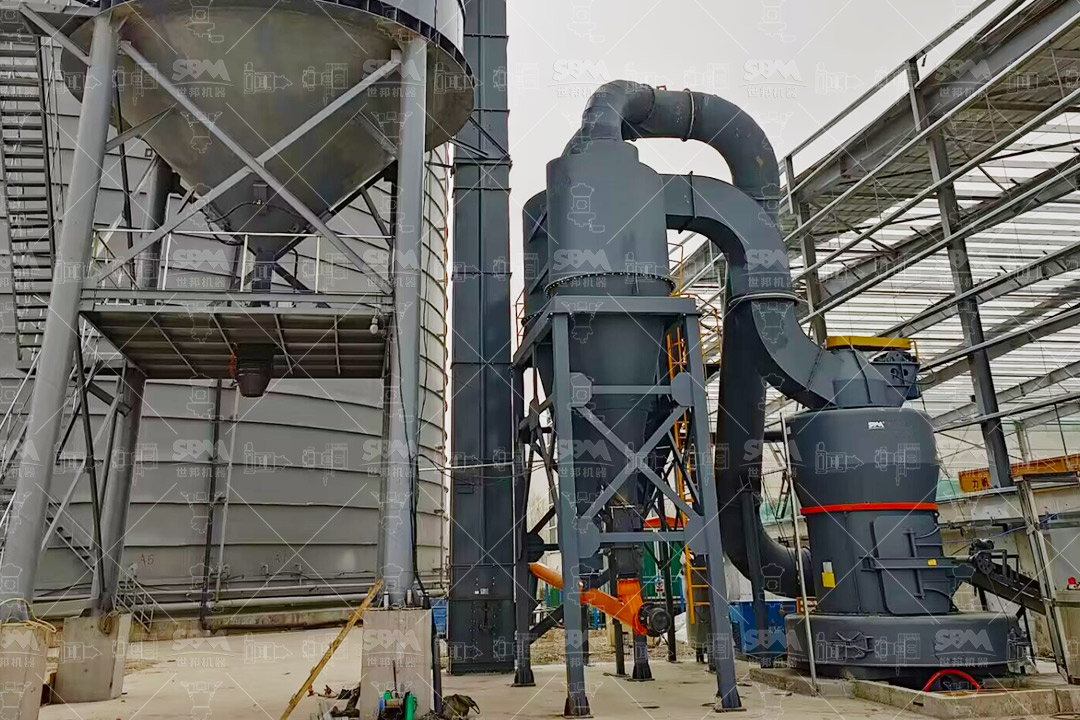
For coarse to medium-fine grinding requirements (e.g., for cement set regulator or base material for board production), robust and high-capacity mills are essential. Our MTW Series European Trapezium Mill is ideally suited for this task. Engineered for efficiency and durability, it handles feed sizes up to 50mm and delivers outputs ranging from 30 to 325 mesh (600-45μm). Its integrated bevel gear drive achieves a remarkable 98% transmission efficiency, while the optimized arc air duct and anti-wear shovel design significantly reduce operational and maintenance costs. For large-scale preparation of gypsum powder for plaster and board, models like the MTW215G offer capacities up to 45 tons per hour, providing a reliable and economical grinding solution.
Recommendation: The SCM Series Ultrafine Mill for High-Value Applications
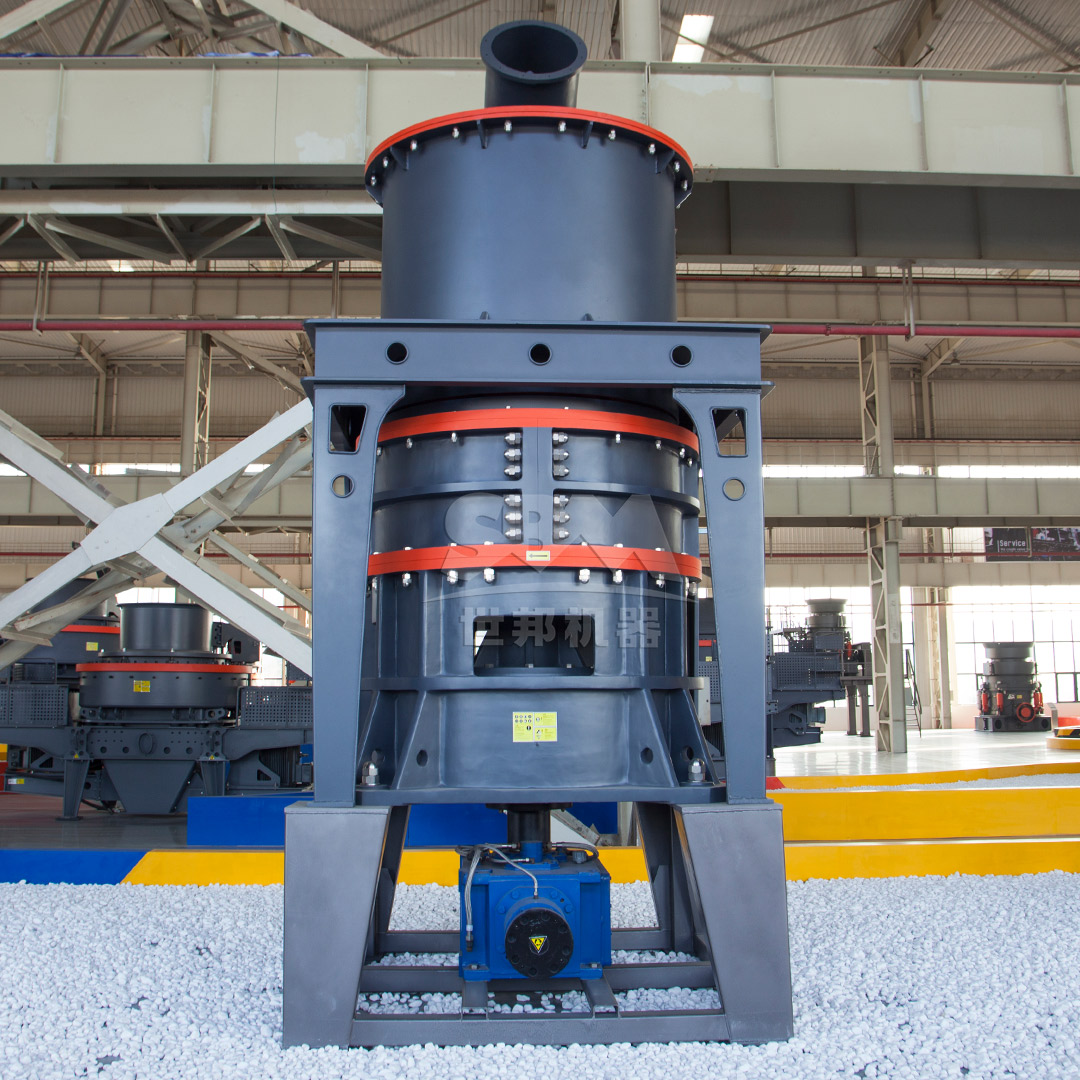
For advanced applications such as high-strength self-leveling compounds, ultra-smooth finishing plasters, and high-performance additives, ultrafine grinding is non-negotiable. This is where our flagship SCM Series Ultrafine Mill excels. It is specifically designed to produce powders in the range of 325 to 2500 mesh (45-5μm).
The SCM Mill’s technical advantages directly address the challenges of high-value desulfurized gypsum processing:
- High Efficiency & Energy Saving: Its grinding mechanism offers capacity twice that of traditional jet mills while consuming 30% less energy, dramatically lowering production costs for premium products.
- High-Precision Classification: The integral vertical turbine classifier ensures a sharp particle size cut. This eliminates coarse particle contamination, guaranteeing a uniform and consistent fine powder that is critical for achieving predictable setting times and superior surface finishes in specialty plasters and SLUs.
- Durable & Eco-friendly: Constructed with special material rollers and rings for extended service life and featuring a pulse dust collection system with efficiency exceeding international standards, the SCM Mill is built for sustainable, continuous operation.
For operations targeting the high-end building materials market, the SCM1250 or SCM1680 models, with capacities ranging from 2.5-25 t/h, provide the perfect balance of ultra-fine output and industrial-scale throughput.
Conclusion: Integrating Sustainable Sourcing with Advanced Processing
The utilization of desulfurized gypsum in building materials is a definitive step towards greener construction. However, its successful integration hinges on sophisticated processing technology that can tailor the material’s properties to meet exacting application standards. From high-volume production for gypsum board using efficient mills like the MTW Series, to the precision manufacture of ultrafine powders for specialty applications with the SCM Series, selecting the right grinding equipment is the key to unlocking both the economic and performance potential of this valuable resource. By partnering with technology providers that offer reliable, efficient, and precise milling solutions, building material manufacturers can confidently transform an industrial by-product into the foundation of high-quality, sustainable construction.