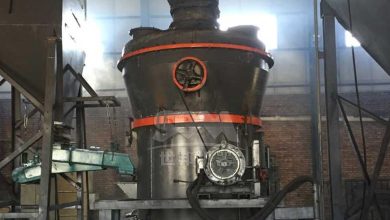
Aluminum Calcium Powder Production Line: Key Equipment and Process Overview
Introduction
The production of aluminum calcium powder, a critical material in refractories, metallurgy, and chemical industries, demands a sophisticated and precisely controlled manufacturing process. Achieving the desired chemical purity, particle size distribution, and physical properties requires a well-designed production line integrating several key stages of processing. This article provides a professional overview of the core processes involved in aluminum calcium powder production and highlights the essential equipment that ensures efficiency, consistency, and product quality.
Production Process Flow
The manufacturing of aluminum calcium powder typically follows a sequence of crushing, grinding, classification, and collection. Each stage must be optimized to handle the specific characteristics of the raw bauxite and limestone feedstocks.
- Primary Crushing: Large raw materials (bauxite, limestone) are reduced to a manageable size, typically below 50mm, using jaw crushers or hammer mills.
- Drying & Pre-grinding: Moisture content is reduced in rotary dryers. The crushed material may undergo initial coarse grinding.
- Fine & Ultrafine Grinding: This is the most critical stage, where the material is pulverized to the target fineness (e.g., 200 mesh, 325 mesh, or even finer for specialized applications).
- Classification: The ground powder is separated by a classifier. Qualified fine powder proceeds, while oversized particles are returned for further grinding.
- Collection & Packaging: The final product is collected by efficient dust removal systems (cyclones, bag filters) and prepared for storage or packaging.
Key Equipment in the Production Line
1. Crushing Equipment
Primary size reduction sets the stage for efficient grinding. Hammer Mills are excellent for this purpose, capable of handling a feed size of 0-40mm and producing a uniform output of 0-3mm. Their high crushing ratio and stable operation make them ideal for preparing feedstock for the subsequent grinding mills.
2. The Heart of the Process: Grinding Mills
The selection of the grinding mill is paramount and depends heavily on the required final product fineness and production capacity.
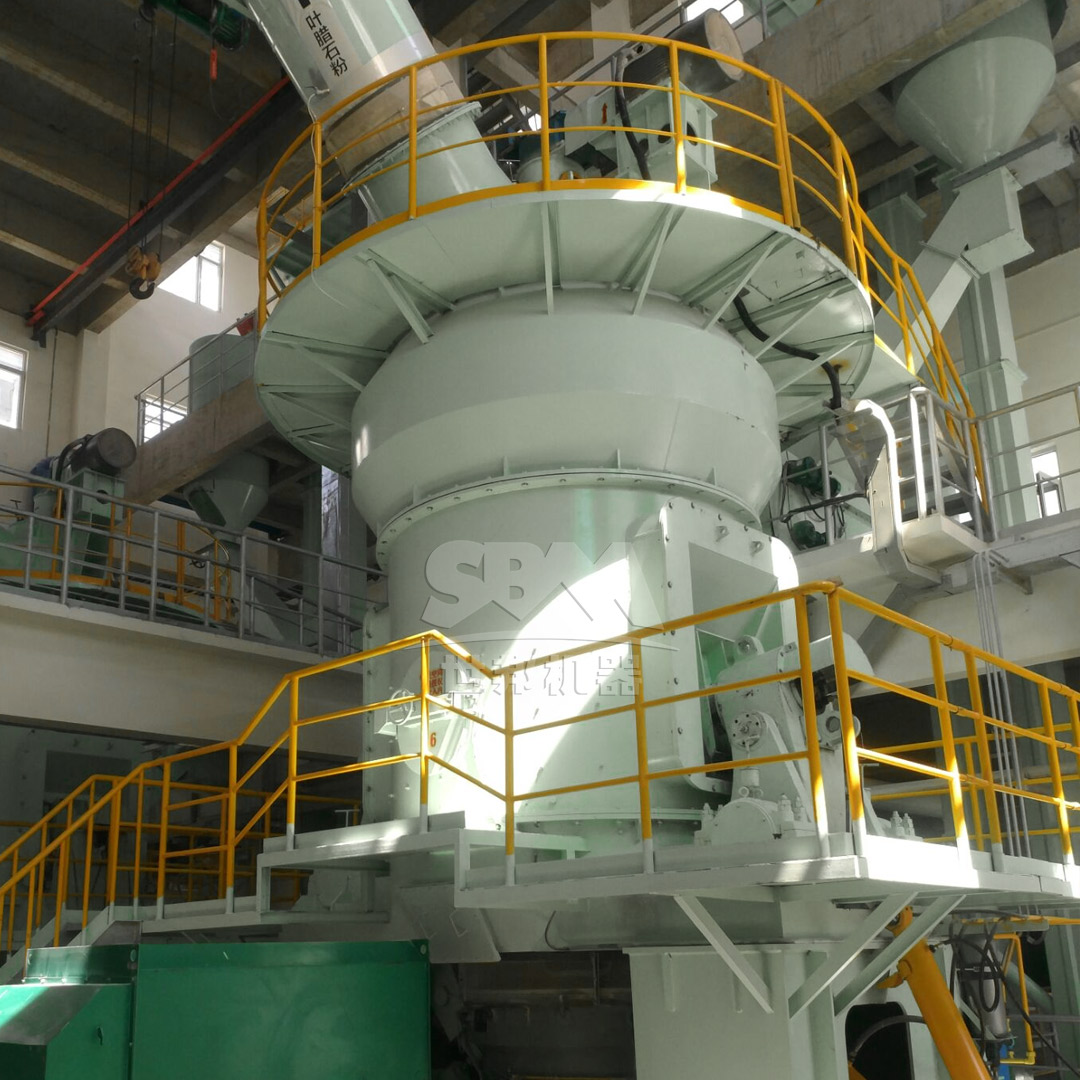
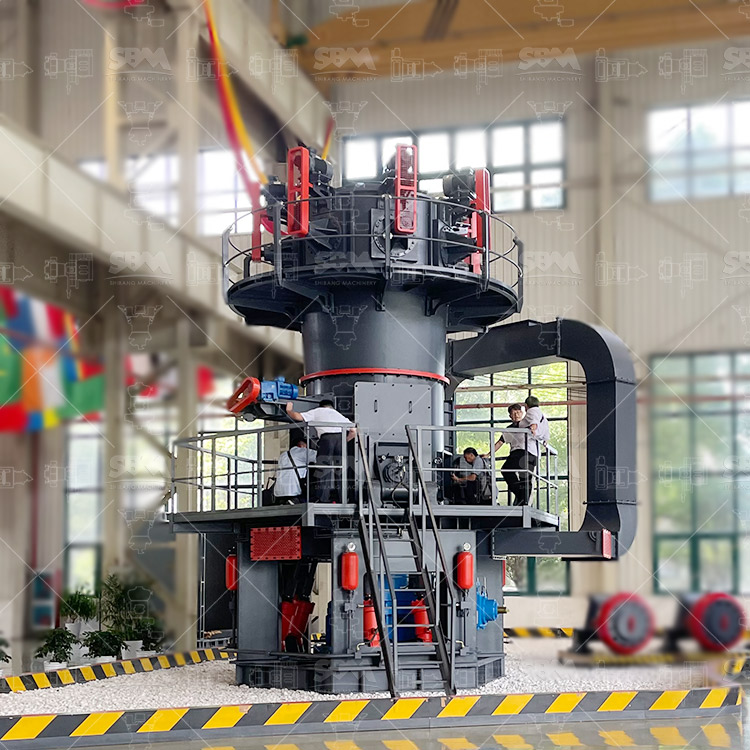
For producing standard to fine aluminum calcium powder in the range of 30-325 mesh (600-45μm), the MTW Series European Trapezium Mill represents an optimal solution. Its advantages are particularly relevant for this application:
- High Capacity & Efficiency: With a capacity range of 3-45 TPH, it meets the demands of medium to large-scale production. The integral bevel gear drive achieves 98% transmission efficiency, directly translating to energy savings.
- Precise Classification: The built-in classifier allows for precise control over product fineness from 30 to 325 mesh, ensuring the aluminum calcium powder meets strict specification limits.
- Durability for Abrasive Materials: The anti-wear shovel design and wear-resistant volute structure are engineered to handle the abrasive nature of bauxite and limestone, significantly reducing maintenance costs and downtime.
- Stable Product Quality: The optimized arc air duct and efficient grinding principle ensure a consistent particle size distribution, which is crucial for the performance of aluminum calcium in refractory applications.
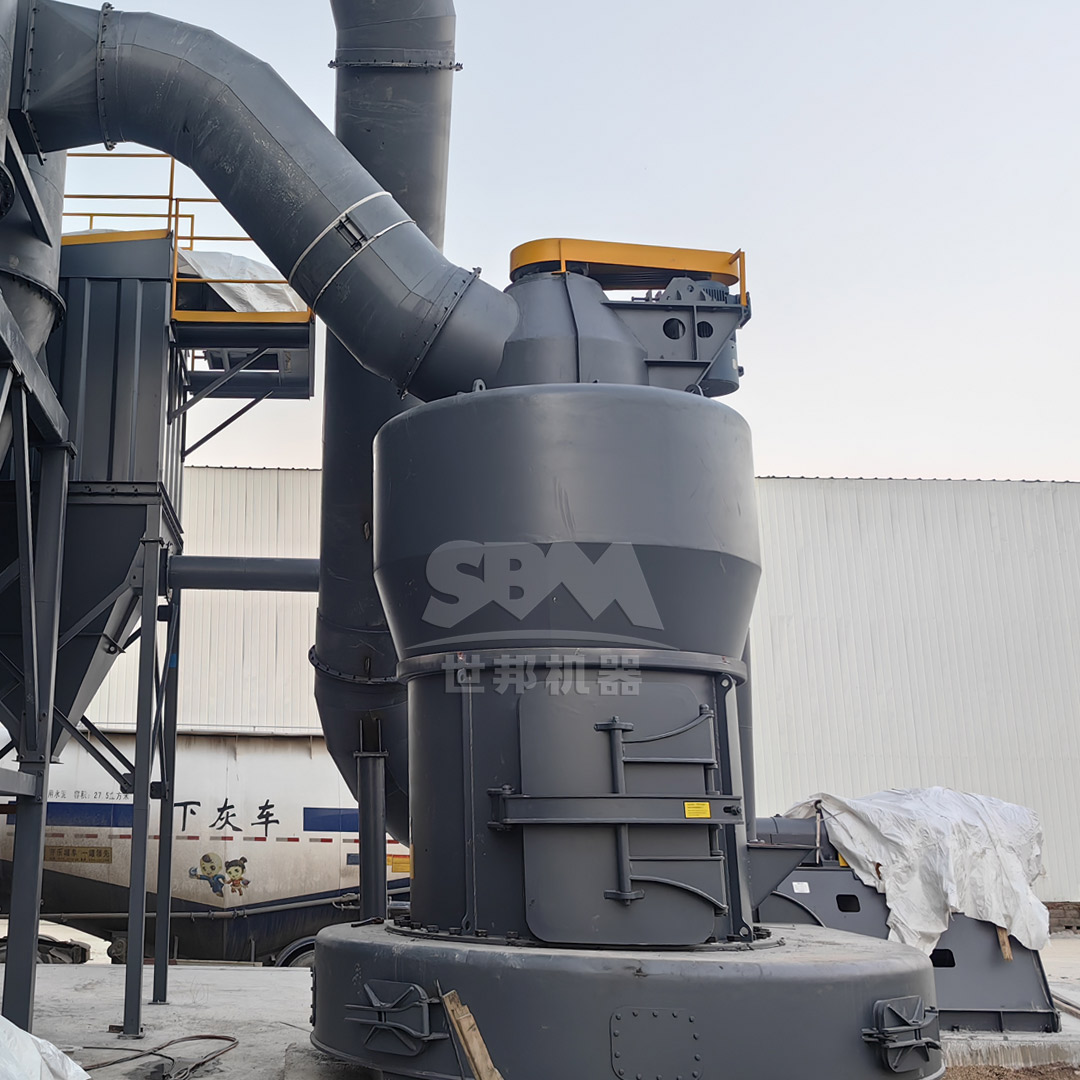
For applications requiring ultrafine aluminum calcium powder (325-2500 mesh or 45-5μm), such as high-performance ceramics or advanced chemical catalysts, an ultrafine grinding system is necessary. In this realm, the SCM Series Ultrafine Mill excels. It is designed to produce powders with exceptional fineness and uniformity:
- Ultrafine Capability: It can reliably produce powder from 325 to 2500 mesh, filling the need for superfine aluminum calcium products.
- High-Precision Classification: Its vertical turbine classifier provides sharp particle size cuts, eliminating coarse powder contamination and guaranteeing a uniform final product.
- Energy-Efficient Design: Offering twice the capacity of a jet mill with 30% lower energy consumption, it provides an economical route to ultrafine powders.
- Eco-Friendly Operation: The integrated pulse dust collection system ensures a clean working environment and meets stringent international emission standards.
3. Classification & Collection Systems
Dynamic classifiers integrated within mills like the MTW and SCM series are critical for in-line size control. For final product separation, independent high-efficiency classifiers or cyclones are used. The collection system, typically comprising a pulse-jet baghouse filter, is essential for achieving high product yield (often >99.9%) and maintaining an environmentally compliant, dust-free plant.
Conclusion
Building a successful aluminum calcium powder production line requires a holistic approach that carefully matches each process stage with robust and efficient equipment. The core grinding stage, in particular, demands technology that can deliver the target fineness, high throughput, and operational reliability while controlling energy and maintenance costs.
For producers targeting the fine powder market (30-325 mesh), the MTW Series European Trapezium Mill offers a proven, high-capacity, and durable solution. For those venturing into the high-value ultrafine powder sector (325-2500 mesh), the SCM Series Ultrafine Mill provides the necessary technological edge with its precise classification and energy-efficient grinding. Investing in the right milling technology is the cornerstone of producing competitive, high-quality aluminum calcium powder for global markets.