Alumina Bauxite Grinding Mill Manufacturers: A Comprehensive Guide to Choosing the Right Supplier
Selecting the right grinding mill manufacturer for alumina bauxite processing is a critical decision that impacts operational efficiency, product quality, and long-term profitability. The unique abrasive nature and specific fineness requirements of bauxite demand equipment that is not only robust but also technologically advanced. This guide provides a comprehensive framework for evaluating potential suppliers and their offerings, ensuring you make an informed investment.
1. Understanding Alumina Bauxite Grinding Requirements
Bauxite, the primary ore for aluminum production, requires grinding to a specific fineness to optimize the subsequent Bayer process digestion. The target particle size typically ranges from coarse pre-grinding (around 30-100 mesh) to fine grinding for certain applications or alternative processes. Key considerations include:
- Abrasiveness: High silica content makes bauxite highly abrasive, demanding wear-resistant materials in grinding components.
- Moisture Content: Feed moisture can affect grinding efficiency and may require drying integration.
- Capacity & Scale: From pilot plants to large-scale refineries, the mill must match the required throughput.
- Energy Efficiency: Grinding is energy-intensive; superior mill design directly lowers operational costs.
- Product Uniformity: Consistent particle size distribution ensures optimal chemical reactivity and process control.
2. Key Criteria for Evaluating Grinding Mill Manufacturers
2.1 Technical Expertise and Experience
Prior experience with abrasive materials like bauxite is non-negotiable. Evaluate the manufacturer’s project portfolio, request case studies, and seek client references in the alumina industry. A supplier with proven expertise will understand the unique challenges and offer reliable solutions.
2.2 Technology and Innovation
Assess the core technology of their mill designs. Look for innovations in grinding mechanics, classification efficiency, wear protection, and automation. Modern mills should feature intelligent control systems that optimize performance and allow remote monitoring.
2.3 Equipment Range and Customization
A one-size-fits-all approach rarely works. A reputable manufacturer should offer a spectrum of technologies—from vertical roller mills for high-capacity coarse grinding to ultra-fine mills for specialized products. The ability to customize aspects like material of construction, drive systems, and ancillary equipment (feeders, classifiers, dust collectors) is crucial.
2.4 Quality of Construction and Wear Parts
Inspect the quality standards for fabrication and the specifications for critical wear parts like rollers, grinding rings/tables, and liners. Suppliers using high-chrome alloys, ceramic composites, or other advanced materials for key components will deliver longer service life and lower maintenance costs.
2.5 After-Sales Support and Service Network
Comprehensive support includes detailed installation supervision, operator training, readily available spare parts, and responsive technical service. A global service network is a significant advantage for multinational operations, ensuring minimal downtime.
2.6 Environmental and Safety Compliance
The equipment should be designed for minimal dust emission, low noise levels, and safe operation. Verify that the manufacturer’s dust collection systems meet or exceed international environmental standards.
3. Overview of Common Grinding Mill Technologies for Bauxite
Different stages of bauxite processing may call for different mill types. Here’s a brief comparison:
- Ball Mills: Traditional, robust, and versatile for wet or dry grinding. Suitable for final grinding but generally less energy-efficient than newer designs.
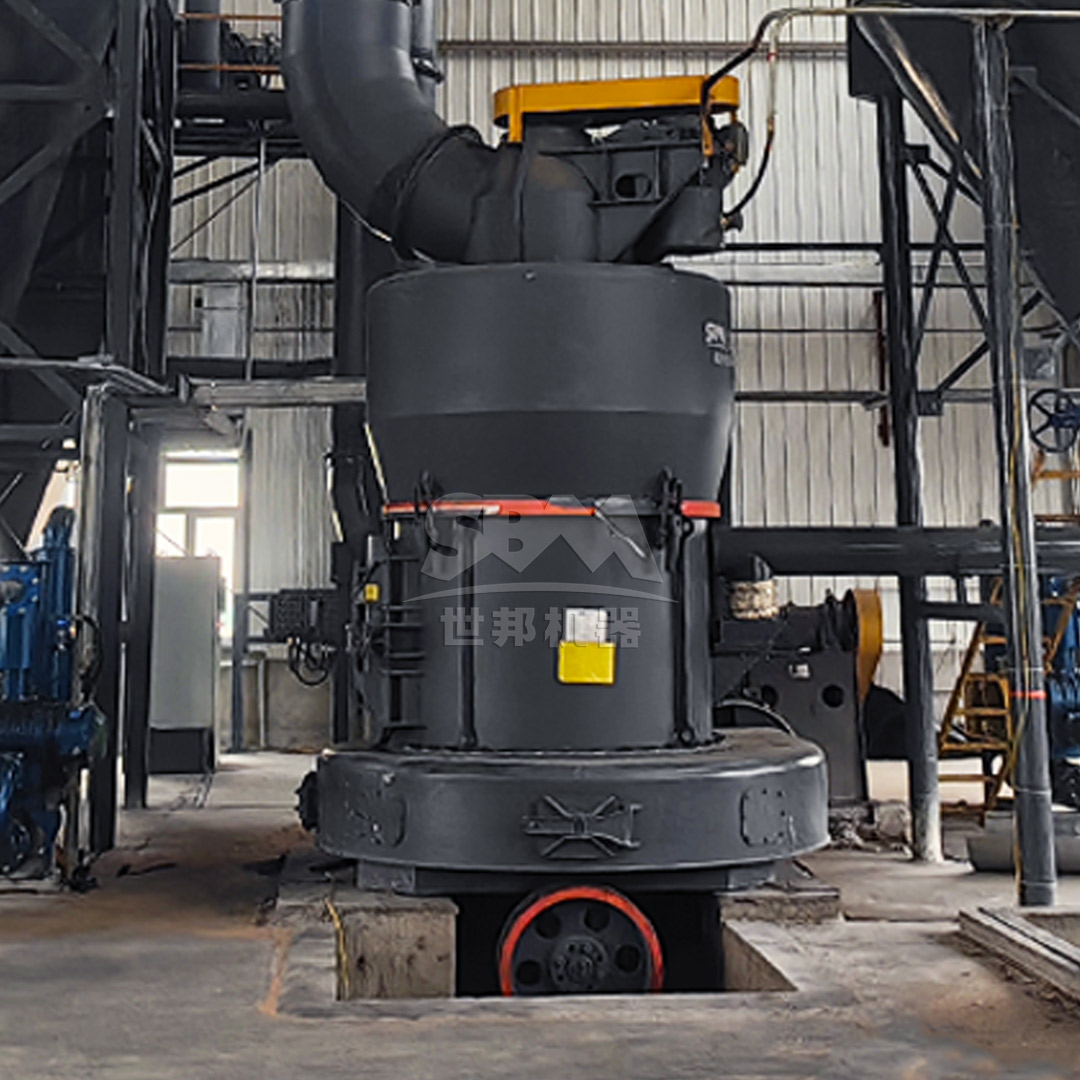
- Vertical Roller Mills (VRM): Excellent for high-capacity, coarse to medium-fine grinding of bauxite. Their principle of bed grinding offers high energy efficiency and lower wear rates compared to ball mills.
- Raymond/MTW Series Trapezium Mills: Well-suited for medium-fine grinding (30-325 mesh). Known for reliable performance and relatively lower capital cost for mid-range capacities.
- Ultrafine Grinding Mills (e.g., SCM, LUM): Essential for producing superfine bauxite powders (325-2500 mesh) for advanced materials or high-surface-area applications. They integrate high-precision classification.
4. Spotlight on High-Performance Solutions: SCM Ultrafine Mill
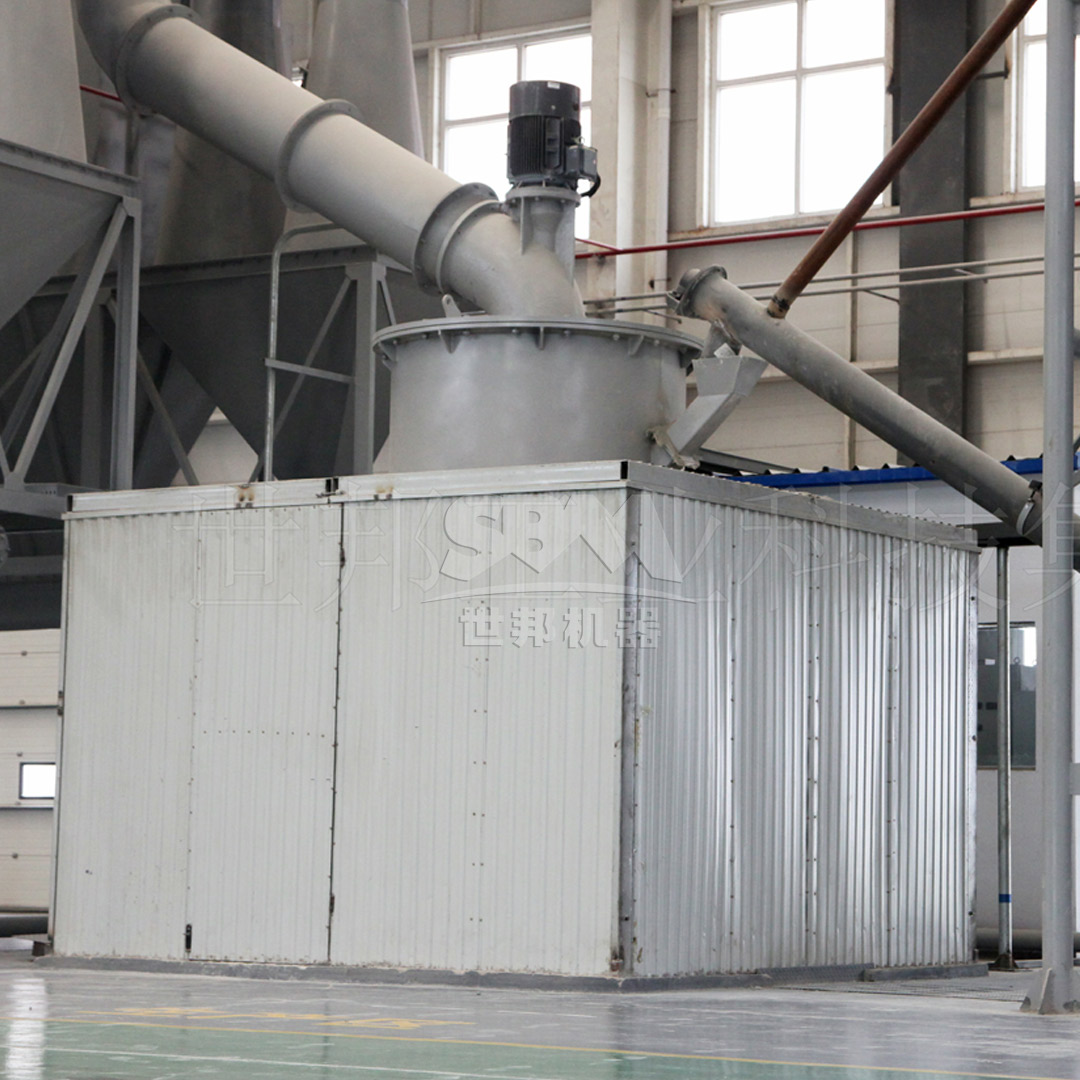
For applications demanding ultra-fine bauxite powder with exceptional uniformity, advanced grinding systems are paramount. Our SCM Series Ultrafine Mill stands out as a technological leader in this segment.
Engineered to produce powders in the range of 325 to 2500 mesh (D97 ≤5μm), it is ideal for high-value bauxite derivatives. Its core advantages directly address the challenges of fine grinding:
- Superior Energy Efficiency: The mill’s innovative grinding chamber and drive system achieve a capacity twice that of jet mills while reducing energy consumption by up to 30%. An intelligent control system provides automatic feedback on product fineness.
- Exceptional Product Quality: A vertical turbine classifier ensures precise particle size cuts, eliminating coarse particle contamination and delivering a remarkably uniform final product.
- Unmatched Durability: Critical components like grinding rollers and rings are made from special wear-resistant materials, extending service life multiple times over conventional parts. The unique bearing-less screw design in the grinding cavity enhances operational stability.
- Eco-Friendly Operation: The integrated pulse dust collector exceeds international efficiency standards, while soundproofing measures keep operational noise below 75dB.
The SCM series, with models like the SCM1250 (2.5-14 t/h, 185kW) and the high-capacity SCM1680 (5-25 t/h, 315kW), offers scalable solutions to match specific production needs for fine bauxite powders.
5. The Importance of a Complete System: MTW Series Trapezium Mill
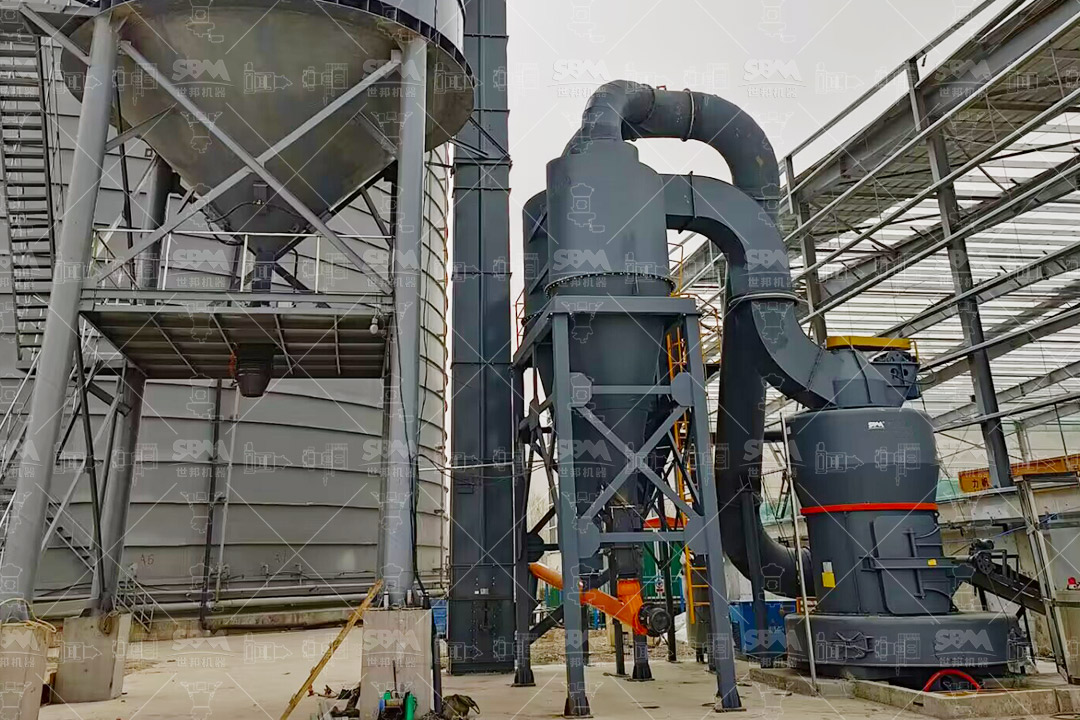
For robust and efficient medium to fine grinding of bauxite up to 325 mesh, a reliable and technologically mature solution is key. Our MTW Series European Trapezium Mill is engineered for high performance in demanding mineral processing environments.
Capable of handling feed sizes up to 50mm and delivering outputs from 30 to 325 mesh, the MTW series is a workhorse for bauxite preparation. Its design incorporates several patented advancements:
- Advanced Wear Protection: The modular wear-plate design on the shovel blade significantly reduces maintenance time and cost. Curved blade surfaces extend the life of grinding rollers.
- Optimized Airflow: A specially designed arc-shaped air channel minimizes resistance and energy loss, improving pneumatic conveying efficiency. High-strength protective plates safeguard the channel.
- Efficient Drive System: The integral bevel gear transmission achieves an impressive 98% efficiency, saving space and reducing installation complexity and cost.
- Durable System Components: Features like the wear-resistant volute with a non-blocking design enhance air classification efficiency and further lower long-term operating expenses.
With a comprehensive model range from the MTW110 (3-9 t/h) to the large-scale MTW215G (15-45 t/h), this mill series provides a dependable, high-yield solution for primary and secondary grinding stages in alumina production.
6. Making the Final Decision: A Supplier Checklist
Before finalizing your choice, ensure you have satisfactory answers to these questions:
- Can the supplier provide verifiable references from alumina/bauxite processing plants?
- Does their proposed mill technology offer the best life-cycle cost (considering energy, wear parts, maintenance)?
- Are the performance guarantees (throughput, fineness, power consumption) clearly stated in the contract?
- What is the lead time for critical spare parts, and what is the structure of the service agreement?
- Does the supplier conduct factory acceptance tests (FAT) and offer comprehensive training?
7. Conclusion
Choosing the right alumina bauxite grinding mill manufacturer is a strategic investment. It requires a careful balance of technical evaluation, economic analysis, and assessment of long-term partnership potential. By prioritizing manufacturers with deep material-specific expertise, proven and innovative technology like our SCM Ultrafine Mill for superfine applications or the robust MTW Series for high-capacity grinding, and a unwavering commitment to after-sales support, you can secure a grinding solution that ensures operational excellence, product quality, and sustained profitability for years to come.