Advantages of Vertical Roller Mill for Grinding Aluminum Hydroxide and Its Price Range
Introduction
Aluminum hydroxide (Al(OH)₃), a key precursor material for the production of alumina and various aluminum compounds, requires precise and efficient grinding to achieve the desired particle size distribution for applications in ceramics, flame retardants, pharmaceuticals, and fillers. The selection of grinding equipment is critical, impacting product quality, operational cost, and overall plant efficiency. Among various milling technologies, the Vertical Roller Mill (VRM) has emerged as a superior solution for processing aluminum hydroxide, offering a compelling combination of performance, energy savings, and environmental benefits. This article delves into the specific advantages of VRMs for aluminum hydroxide grinding and provides insights into the factors influencing their price range.
Why Vertical Roller Mill is Ideal for Aluminum Hydroxide
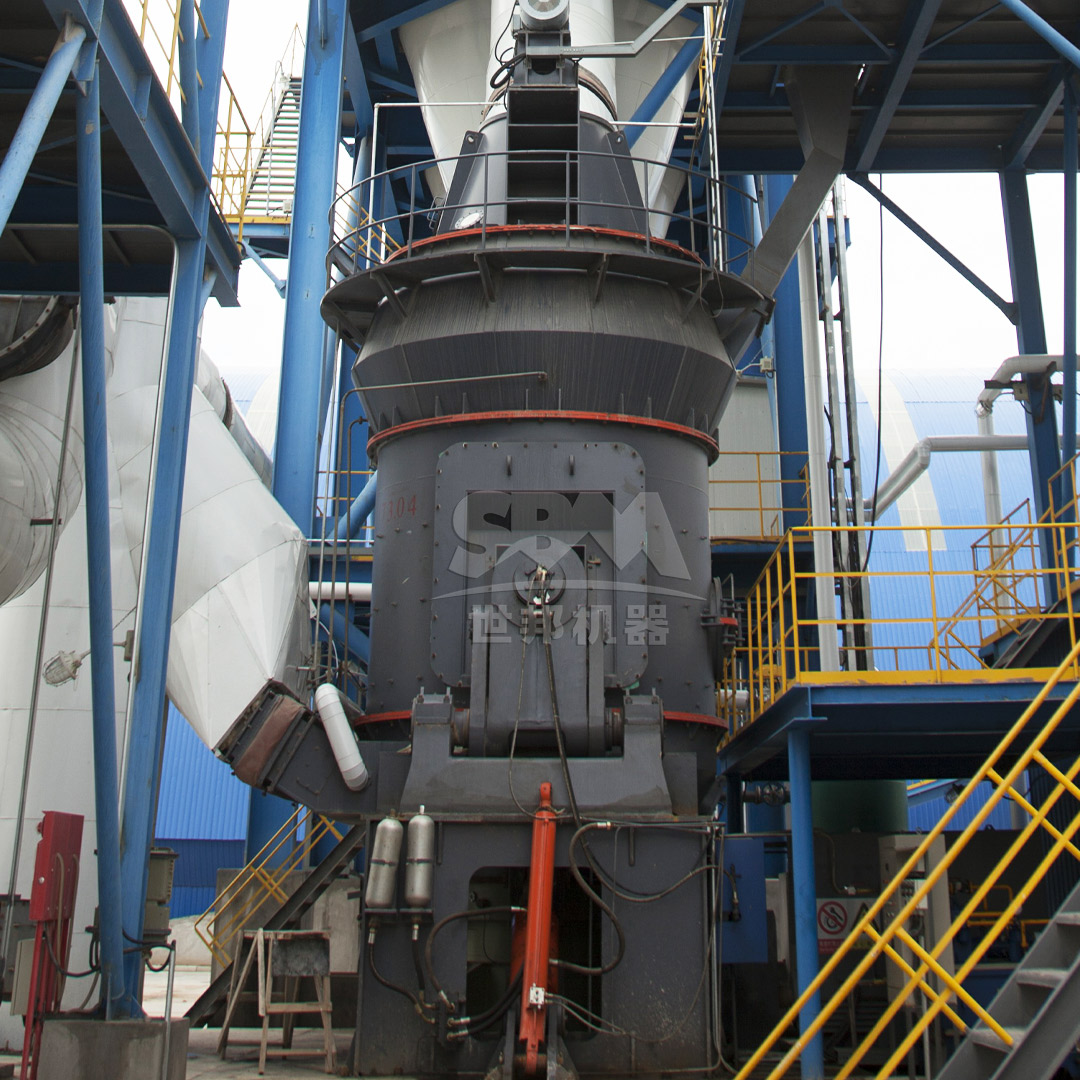
Aluminum hydroxide is a medium-hardness material that can be abrasive. Its grinding process demands equipment that can handle these characteristics while delivering fine, consistent powder. Traditional ball mills, while common, suffer from high energy consumption, significant wear, and limited particle size control. The Vertical Roller Mill addresses these shortcomings through its fundamental operating principle and advanced design.
1. Superior Grinding Efficiency and Energy Savings
The core advantage of a VRM lies in its bed-grinding principle. Material is fed onto a rotating grinding table and is ground under pressure applied by hydraulically loaded rollers. This direct application of force to a material bed is far more efficient than the random impact and attrition in a ball mill. For aluminum hydroxide, this translates to a specific energy consumption that is typically 30-40% lower than equivalent ball mill systems. The integrated drying capability (using hot air) is another benefit, allowing for the processing of materials with slight moisture content without a separate dryer.
2. Exceptional Product Quality and Particle Size Control
Consistent fineness is paramount for aluminum hydroxide used in high-value applications. VRMs are equipped with highly efficient, integrated dynamic classifiers. These classifiers allow for real-time, precise control over the particle size distribution (PSD). The result is a tightly controlled product, often with a steeper PSD curve and minimal oversize particles, which is crucial for properties like reactivity and packing density in downstream processes.
3. Enhanced Durability and Lower Maintenance
The wear parts in a VRM (grinding rollers and table liners) are designed for longevity. They are often made from high-chromium cast iron or similar wear-resistant alloys. The non-contact design between rollers and table (with a small gap under no-load conditions) and the ability to flip or replace segments extend service life significantly. This is a critical factor for grinding slightly abrasive materials like Al(OH)₃, reducing downtime and maintenance costs.
4. Compact Footprint and System Integration
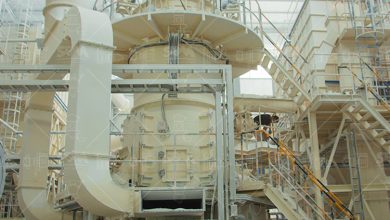
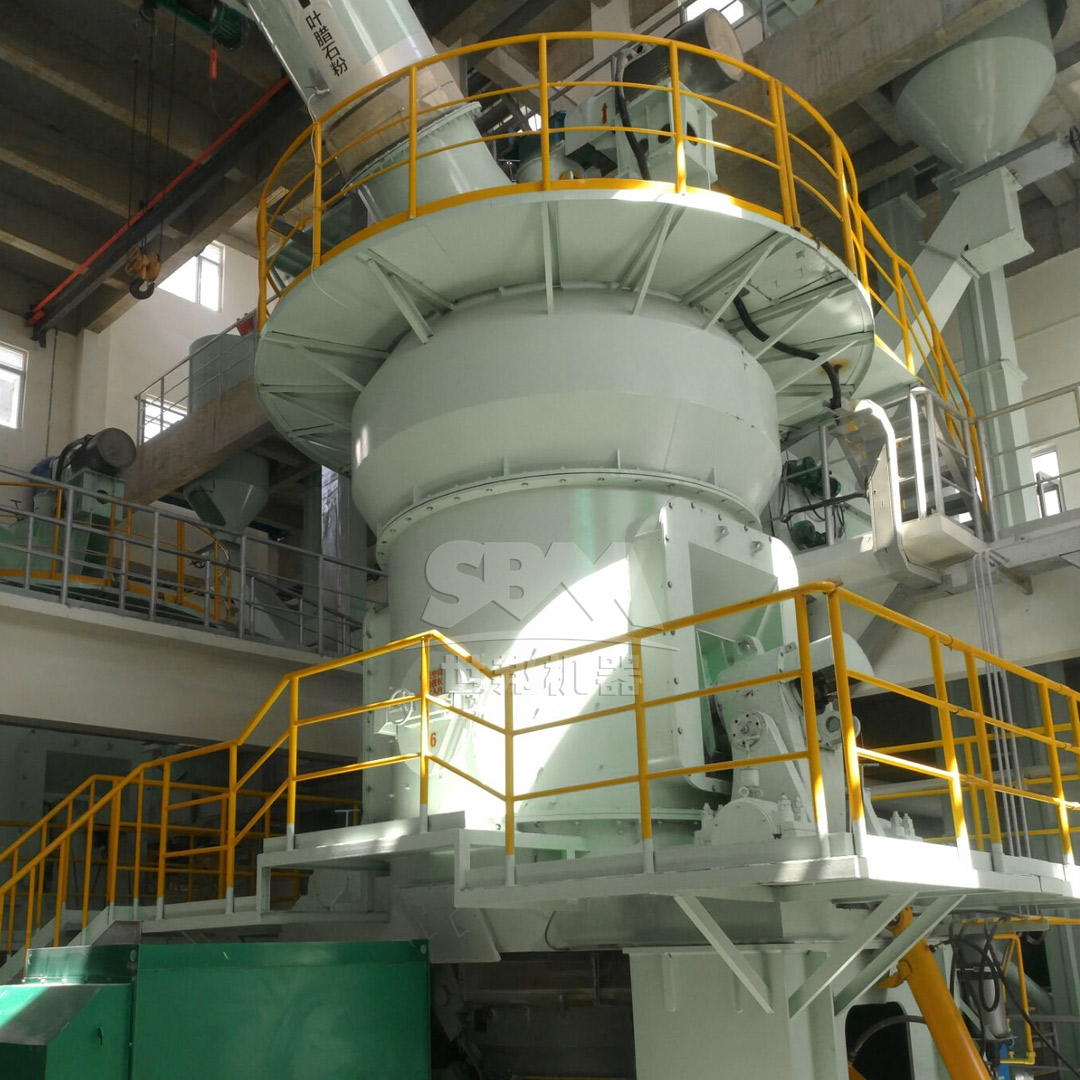
A VRM is a complete grinding system in a single, vertical unit. It integrates crushing, grinding, drying, classification, and conveying. This integrated design reduces the plant footprint by up to 50% compared to a horizontal ball mill circuit with its separate components (mill, separator, bucket elevator, etc.). It also simplifies the civil engineering requirements and overall plant layout.
5. Environmental and Operational Benefits
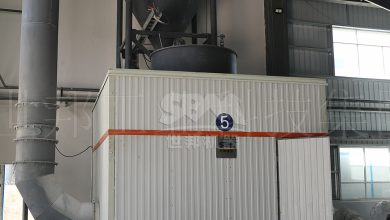
Modern VRMs operate under full negative pressure, ensuring no dust leakage—a vital consideration for plant hygiene and worker safety. The mill is housed within sound-insulated enclosures, keeping operational noise well below permissible limits. Furthermore, the efficient grinding process itself, coupled with advanced pulse-jet baghouse filters, ensures emissions are kept to a minimum, helping plants meet stringent environmental regulations.
Introducing Our Recommended Solution: The LM Series Vertical Roller Mill
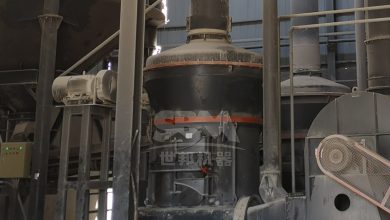
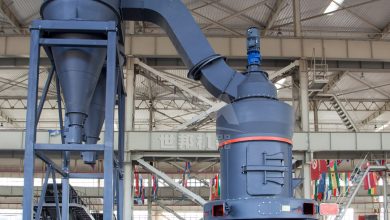
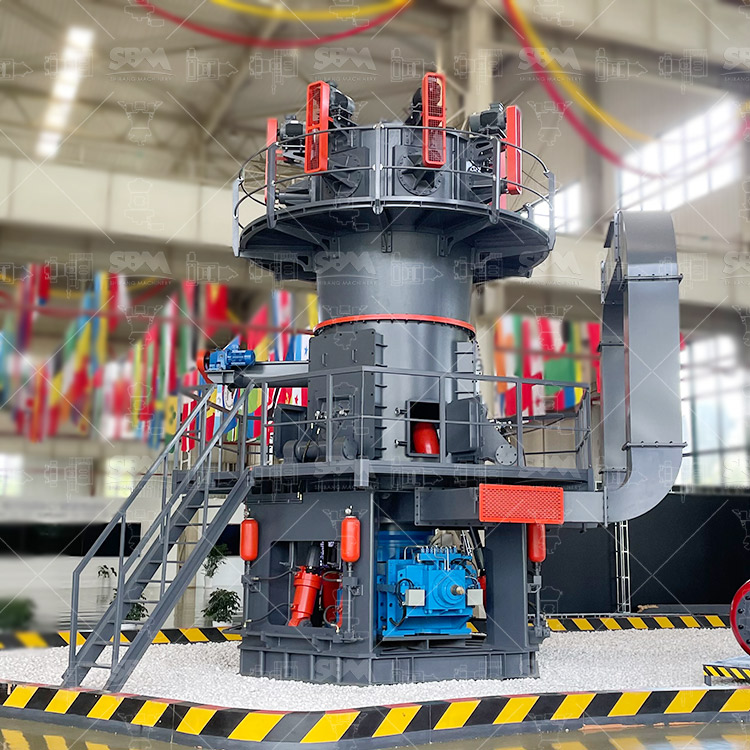
For the efficient and reliable grinding of aluminum hydroxide, we highly recommend our LM Series Vertical Roller Mill. This mill series embodies all the advantages discussed and is engineered for high performance in mineral applications.
The LM mill’s integrated design is perfect for aluminum hydroxide processing. Its system combines crushing, grinding, and selection in one unit, reducing infrastructure costs by approximately 40%. It operates with remarkably low energy consumption—30-40% less than traditional ball mill systems—directly lowering the cost per ton of product.
Key features that make the LM Series ideal for Al(OH)₃ include:
- Intelligent Control: An expert-level auto-control system allows for remote monitoring and operation, stabilizing product fineness and maximizing throughput with minimal manual intervention.
- Durable Grinding Elements: A non-contact design and special material formulations for rollers and table liners increase wear part life by multiples, a critical factor for abrasive materials.
- Precise Classification: The mill achieves a fineness range of 30-325 mesh (and up to 600 mesh for special models), allowing precise tailoring of the aluminum hydroxide powder to customer specifications.
For projects requiring ultra-fine grades of aluminum hydroxide (e.g., for specialty chemicals or advanced ceramics), our LUM Ultrafine Vertical Roller Mill is the optimal choice. Capable of producing powder in the range of 325-2500 mesh (5-45μm), the LUM mill features unique roller/liner curves for higher efficiency and a multi-rotor classifier that ensures a product completely free of coarse particles. Its fully sealed, negative-pressure operation guarantees an environmentally clean process.
Understanding the Price Range of Vertical Roller Mills
The price of a Vertical Roller Mill for aluminum hydroxide grinding is not a fixed figure but varies based on a comprehensive set of project-specific factors. A typical price range for a complete system can span from several hundred thousand US dollars to over a million. The primary determinants include:
- Capacity and Model Size: This is the most significant factor. A mill designed for a capacity of 10 t/h (like an LM130K) will cost substantially less than one rated for 100 t/h (like an LM220K or larger). The required motor power, structural steel, and classifier size scale accordingly.
- Required Product Fineness: Achieving very fine particle sizes (e.g., below 10μm or 1250 mesh) necessitates more sophisticated, high-speed classifiers and potentially a different mill configuration (like the LUM series), which increases the cost.
- Material of Construction: The abrasiveness of aluminum hydroxide dictates the grade of wear protection. Options range from standard hard-facing to premium high-chromium alloy castings for rollers and tables. Selecting higher wear resistance increases the initial investment but drastically reduces long-term operating costs.
- Level of Automation and Instrumentation: A basic PLC control panel differs in cost from a fully integrated, plant-wide DCS with remote diagnostics, predictive maintenance software, and advanced process optimization loops.
- Auxiliary Systems: The total price encompasses the complete system: the mill itself, the feeding system (weigh feeder), hot air generator (if drying is needed), product collection cyclones, high-efficiency baghouse filter, fans, ducting, and electrical switchgear. The specification of these components greatly influences the final price.
- Customization and Engineering: Site-specific requirements, such as special structural supports, noise enclosures, or integration with existing plant equipment, add to engineering and fabrication costs.
Conclusion
The Vertical Roller Mill represents a technologically advanced and economically sound choice for grinding aluminum hydroxide. Its advantages in energy efficiency, product quality control, operational stability, and environmental compliance make it the preferred technology for modern, cost-conscious, and quality-driven production facilities. While the initial capital investment may be higher than some traditional systems, the significant reduction in operating costs (power and maintenance) and the superior product quality deliver a rapid return on investment.
For a tailored solution and an accurate quotation for your specific aluminum hydroxide grinding project, we encourage you to consult with our technical sales team. We can evaluate your capacity needs, target fineness, and site conditions to recommend the optimal model from our LM or LUM series, ensuring you receive a system that maximizes your productivity and profitability for years to come.