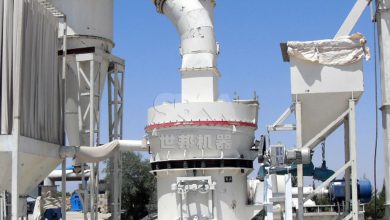
Active Calcium Powder Production Process: How Ultrafine Grinding Mills Work
Introduction: The Demand for High-Quality Active Calcium
Active calcium powder, a key functional filler and additive, is indispensable in industries ranging from plastics and rubber to paints, coatings, and pharmaceuticals. Its “activity” refers to the surface modification that enhances its compatibility with organic matrices, a property fundamentally dependent on particle size and uniformity. The finer and more consistent the powder, the greater its surface area and reactivity. This places ultrafine grinding technology at the heart of modern active calcium production. This article delves into the production process and explains the critical role of advanced grinding mills, highlighting how specific technologies meet the stringent demands of efficiency, precision, and environmental compliance.
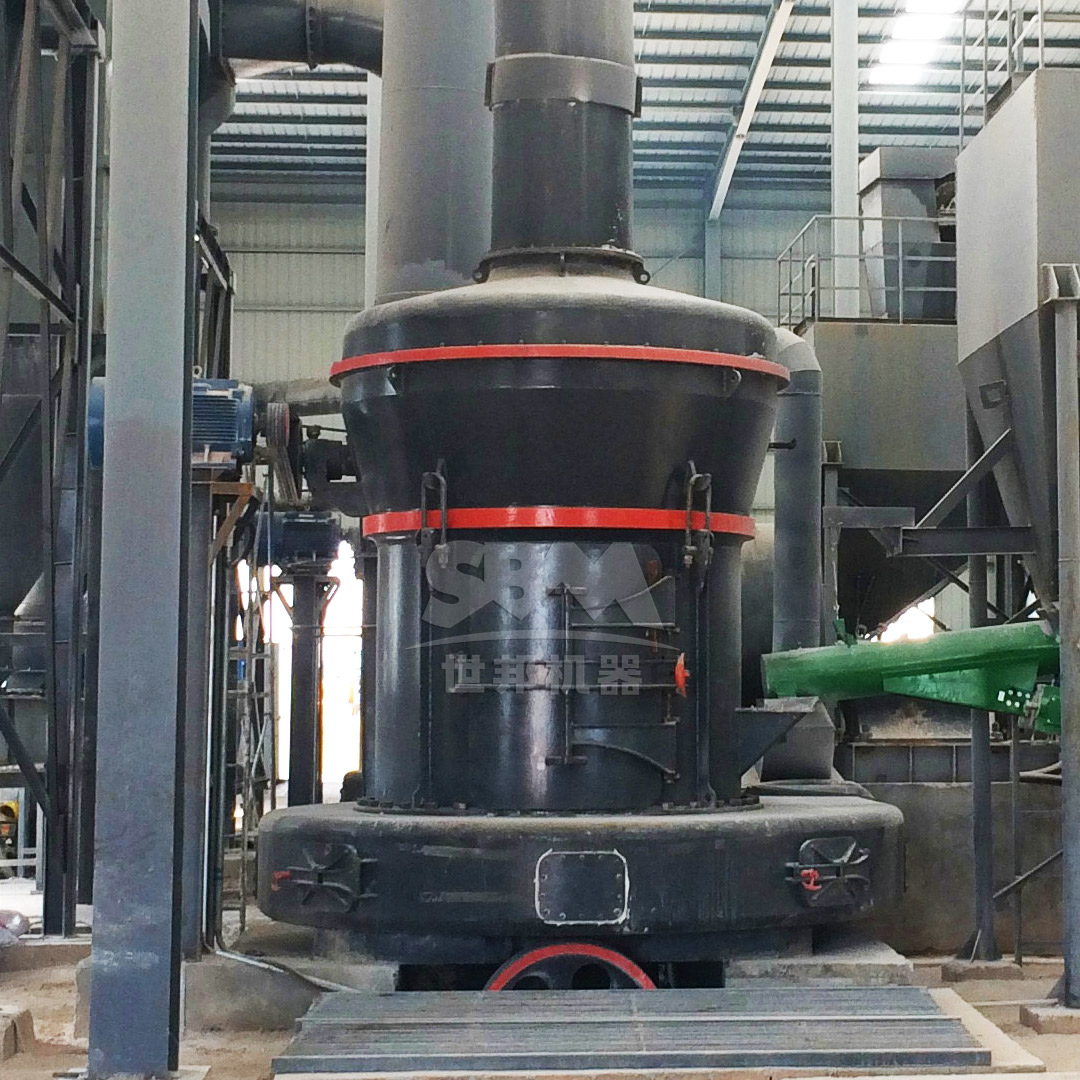
The Active Calcium Production Chain
The transformation of raw limestone or marble into active calcium powder is a multi-stage process:
- Raw Material Preparation: High-purity calcium carbonate rock is quarried, washed, and primarily crushed to a manageable size (typically below 50mm).
- Calcination (for Quicklime): In some processes, limestone is calcined in a kiln to produce quicklime (CaO), which is then slaked to form calcium hydroxide.
- Grinding & Classification: The core stage where the pre-crushed material is ground to the target fineness (often in the range of 325 to 2500 mesh) and classified to ensure particle size uniformity.
- Surface Modification: The ultrafine powder is treated with stearic acid or other coupling agents in a high-speed mixer to render it hydrophobic and compatible with polymers.
- Packaging: The final active calcium powder is packaged under controlled conditions to prevent moisture absorption and contamination.
Of these stages, grinding and classification are the most technologically intensive, directly determining the product’s key performance indicators.
The Critical Role of Ultrafine Grinding Technology
Traditional ball mills, while robust, struggle with the high energy consumption and broad particle size distribution associated with sub-10-micron grinding. Modern active calcium production requires mills that deliver not only extreme fineness but also narrow particle size distribution (PSD), high throughput, and operational economy. This has led to the dominance of roller-grinding principles, which employ compression and shear forces rather than impact, resulting in higher efficiency and better control.
How Advanced Ultrafine Grinding Mills Work
The working principle of state-of-the-art mills revolves around a closed-circuit system integrating grinding, classification, and collection. Here’s a breakdown of the core mechanism:
- Feeding & Dispersion: Pre-crushed material is fed into the mill by a screw or vibrating feeder. Centrifugal force from a rotating grinding table or ring disperses the material evenly into the grinding path.
- Grinding Action: Hydraulically or spring-loaded grinding rollers apply substantial pressure onto the material bed on the rotating table/ring. The material is crushed and ground through a combination of compression and shear forces as it passes under the rollers. This “bed grinding” principle is far more efficient than the random impact of balls.
- Drying & Transport: For many applications, hot air is introduced at the bottom of the mill. This simultaneously dries the material (critical for handling moist feed) and transports the fine particles upward to the classifier.
- Precision Classification: This is the key to product uniformity. A high-speed, often vertical turbine classifier at the top of the mill creates a centrifugal field. Fine particles below the target cut-size pass through the classifier blades and are carried to the collection system. Coarse particles are rejected by the classifier and fall back to the grinding table for further comminution.
- Collection & Dedusting: The fine powder-laden air stream enters a high-efficiency cyclone collector, where most of the product is separated. The remaining fines are captured by a pulse-jet bag filter, ensuring emissions are well below environmental standards. The clean air is then exhausted by a system fan.
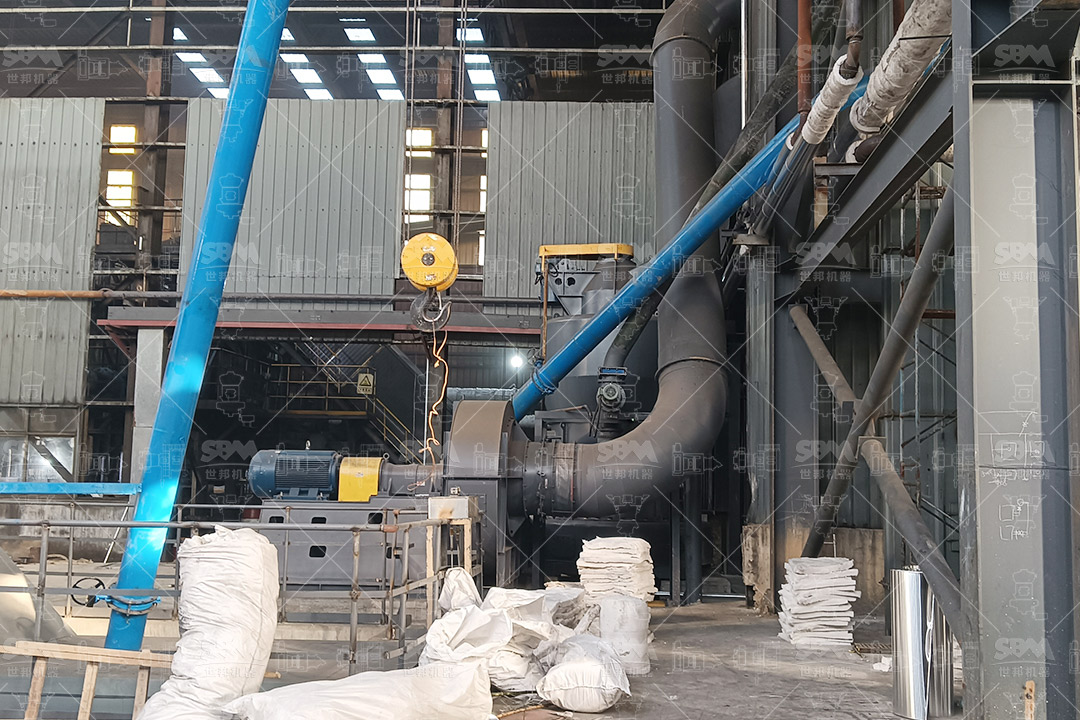
Spotlight on Key Technologies for Active Calcium Production
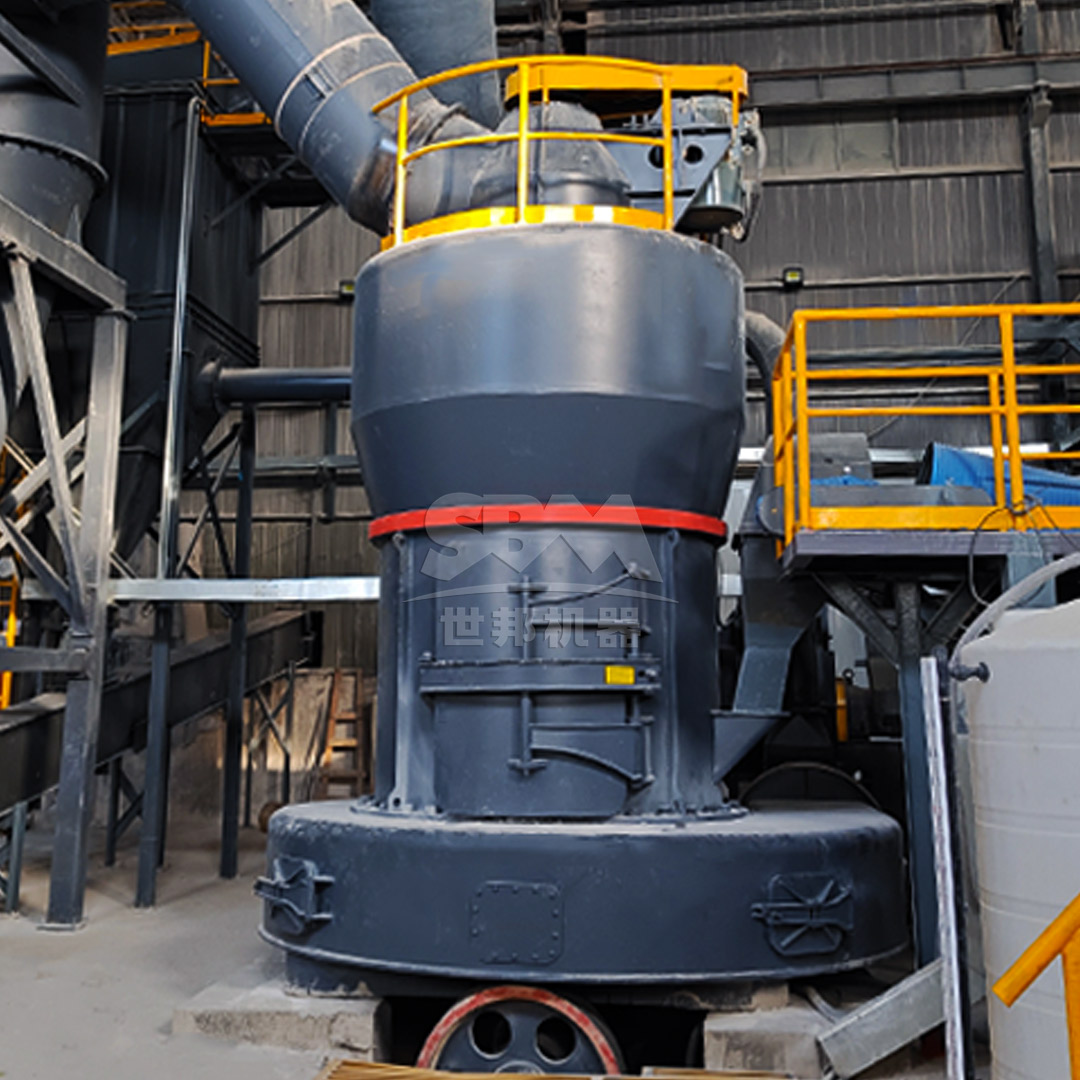
Selecting the right mill is paramount. For high-volume production of active calcium in the 30-325 mesh range, the MTW Series European Trapezium Mill stands out. Its advantages are particularly aligned with the needs of calcium processors:
- High Capacity & Robustness: With capacities from 3 to 45 tons per hour and the ability to handle feed sizes up to 50mm, it is ideal for large-scale production lines.
- Advanced Drive & Efficiency: The integral bevel gear drive boasts 98% transmission efficiency, saving energy and space. Its optimized arc air duct minimizes airflow resistance, further reducing power consumption.
- Durability: Features like the anti-wear shovel design and wear-resistant volute structure significantly reduce maintenance costs and downtime, a critical factor for continuous operations.
For producers targeting the premium, ultra-fine active calcium market (325-2500 mesh), the SCM Series Ultrafine Mill is the technology of choice. It excels in the most demanding applications:
- Exceptional Fineness & Uniformity: It reliably produces powder down to 5 microns (2500 mesh) with a very narrow PSD, thanks to its high-precision vertical turbine classifier that eliminates coarse powder mixing.
- Superior Energy Economy: Compared to traditional jet mills, the SCM series offers double the capacity with approximately 30% lower energy consumption, dramatically lowering operating costs.
- Intelligent Operation: The mill features intelligent control with automatic finished product granularity feedback, ensuring consistent quality with minimal manual intervention.
- Eco-Friendly Design: A pulse dust collection system with efficiency exceeding international standards and a soundproof room design make it an environmentally and operator-friendly solution.
Conclusion: Integrating Technology for Optimal Results
The production of high-performance active calcium powder is a sophisticated engineering challenge. Success hinges on moving beyond simple crushing to embracing integrated grinding systems that offer precision, efficiency, and reliability. Technologies like the MTW Series for coarse-to-fine grinding and the SCM Series for ultrafine applications represent the pinnacle of this evolution. By leveraging such advanced mills, producers can achieve the perfect balance of product quality, production capacity, and operational cost, securing a competitive edge in the dynamic market for functional mineral fillers.