Activated Carbon Uses and Grinding Mill Selection Guide
Introduction
Activated carbon, a highly porous form of carbon with an extensive internal surface area, is a cornerstone material in modern industrial and environmental processes. Its exceptional adsorption capacity makes it indispensable for purification, separation, and catalysis. The performance of activated carbon is intrinsically linked to its physical properties, most critically its particle size distribution and fineness. Achieving the optimal particle size requires precise and efficient grinding technology. This guide explores the diverse applications of activated carbon and provides a comprehensive framework for selecting the most suitable grinding mill, with a focus on maximizing efficiency, product quality, and operational economy.
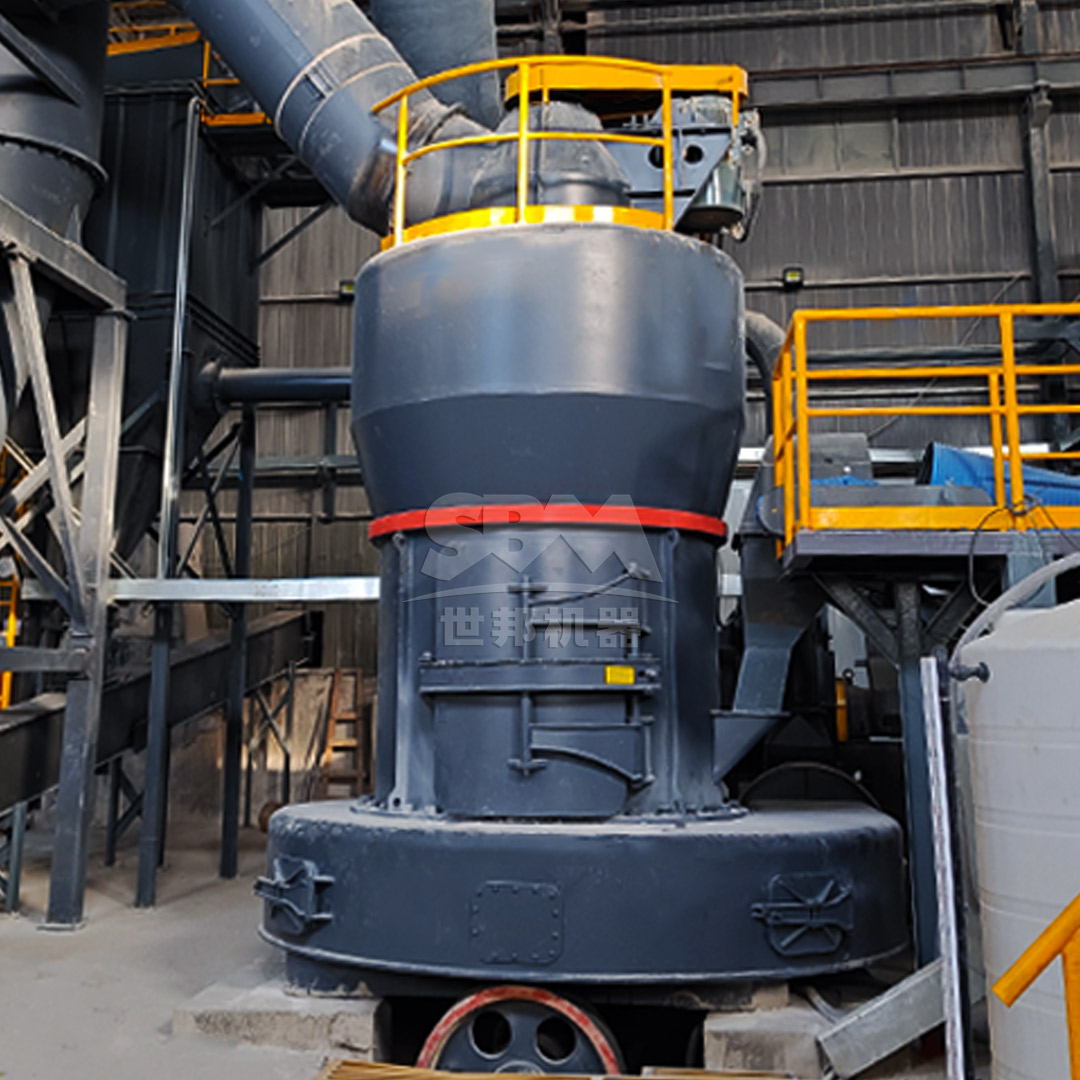
Key Applications of Activated Carbon by Particle Size
1. Powdered Activated Carbon (PAC): Fineness typically < 0.074mm (200 mesh)
PAC is characterized by its very small particle size and rapid adsorption kinetics, making it ideal for applications requiring quick contaminant removal.
- Water & Wastewater Treatment: Used for emergency removal of organic compounds, taste and odor control, and decolorization. It is often added directly to process streams and removed via sedimentation or filtration.
- Food & Beverage Industry: Essential for decolorizing and purifying sugar syrups, sweeteners, edible oils, and alcoholic beverages.
- Pharmaceuticals: Employed in the purification of active pharmaceutical ingredients (APIs) and as an antidote for certain types of poisoning due to its ability to adsorb toxins in the gastrointestinal tract.
2. Granular Activated Carbon (GAC): Particle size range of 0.6-4.0 mm
GAC is used in fixed-bed or fluidized-bed reactors where the carbon remains stationary while fluid passes through.
- Gas Phase Adsorption: Critical in air purification systems, solvent recovery, and VOC (Volatile Organic Compound) abatement in industrial exhaust streams.
- Drinking Water Treatment: Used in filter beds for continuous removal of chlorine, organic chemicals, and improving taste.
- Gold Recovery (Carbon-in-Pulp/Carbon-in-Leach): A specific grade of GAC is used to adsorb dissolved gold from cyanide leach pulps in mining operations.
3. Extruded Activated Carbon (EAC): Cylindrical pellets with diameters from 1 mm to 5 mm
EAC offers low pressure drop, high mechanical strength, and is primarily used in vapor phase applications.
- Air & Gas Purification: Common in military and industrial gas masks, automotive cabin air filters, and industrial gas separation processes.
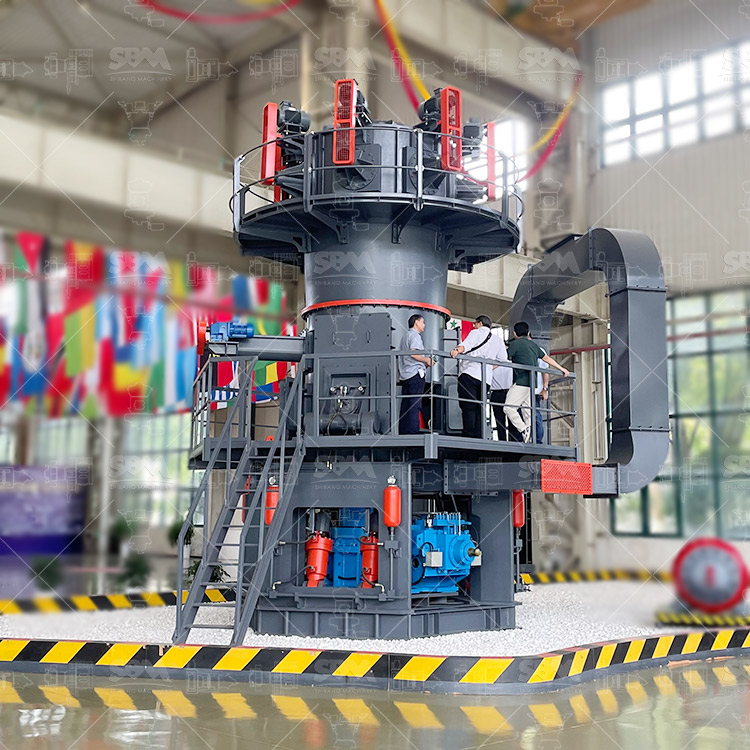
Critical Factors in Grinding Mill Selection for Activated Carbon
Selecting the right mill is not a one-size-fits-all decision. It requires a careful analysis of both the raw material and the desired final product specifications.
1. Feed Material Characteristics
- Hardness & Abrasiveness: Activated carbon precursors (e.g., coconut shell, coal, wood) vary in hardness. Harder materials demand mills with superior wear resistance.
- Moisture Content: High moisture can lead to clogging in some mills. Dry grinding or pre-drying may be necessary.
- Input Size: The maximum feed size the mill can accept determines if a primary crushing stage is needed.
2. Product Requirements
- Target Fineness (Mesh/Microns): This is the primary driver. Ranges from coarse granules (several mm) to superfine powders (2500 mesh/5µm).
- Particle Size Distribution (PSD): A narrow, consistent PSD is often critical for performance, especially in adsorption applications.
- Production Capacity (Ton/Hour): Must align with overall plant throughput requirements.
3. Operational & Economic Considerations
- Energy Efficiency: Grinding can be energy-intensive. Mills with higher grinding efficiency directly reduce operational costs.
- Wear Part Life & Maintenance: The cost and frequency of replacing rollers, rings, liners, and classifiers impact long-term profitability and uptime.
- System Footprint & Installation: Space constraints and foundation requirements are practical concerns.
- Dust Control & Environmental Compliance: A fully sealed system with an efficient dust collection unit is essential for worker safety and meeting emission standards.
Grinding Mill Technology Comparison and Recommendations
Based on the target fineness for different activated carbon products, here is a detailed breakdown of suitable mill technologies.
For Coarse to Medium Grinding (Output: ~30-325 mesh / 600-45µm)
This range covers the production of smaller GAC and the initial size reduction for further processing.
Recommended Technology: European Trapezium Mill (e.g., MTW Series)
This mill is an excellent workhorse for this fineness range. Its robust construction and efficient grinding principle make it suitable for hard carbon materials.
- Why it fits: Handles feed sizes up to 50mm, offers precise classification within the 30-325 mesh range, and provides high capacity (3-45 TPH). Its anti-wear shovel design and wear-resistant volute structure are advantageous for abrasive materials. The integral bevel gear drive ensures high transmission efficiency and reliability.
- Ideal For: Producing feedstock for further fine grinding or manufacturing specific grades of granular carbon where precise size cuts are needed.
For Fine to Ultrafine Grinding (Output: 325-2500 mesh / 45-5µm)
This is the critical range for producing high-performance Powdered Activated Carbon (PAC).
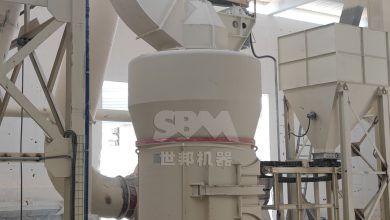
Recommended Technology: Ultrafine Grinding Mill
When the application demands superfine powders with a tight particle size distribution, specialized ultrafine mills are required. For this purpose, our SCM Series Ultrafine Mill is the optimal solution.
- Why it excels: Engineered specifically for the 325-2500 mesh range, it combines high efficiency with energy savings, offering capacity 2x that of jet mills with 30% lower energy consumption. Its high-precision vertical turbine classifier ensures no coarse powder mixing, resulting in a uniform, high-quality product perfect for demanding applications in water treatment and pharmaceuticals. The durable design, featuring special material rollers and rings, extends service life significantly, while the eco-friendly pulse dust collector maintains a clean operation.
- Key Model Example: The SCM1250 model, with a capacity range of 2.5-14 t/h and main power of 185kW, is a popular choice for large-scale PAC production, capable of delivering fineness up to 2500 mesh (5µm) from a feed size of ≤20mm.
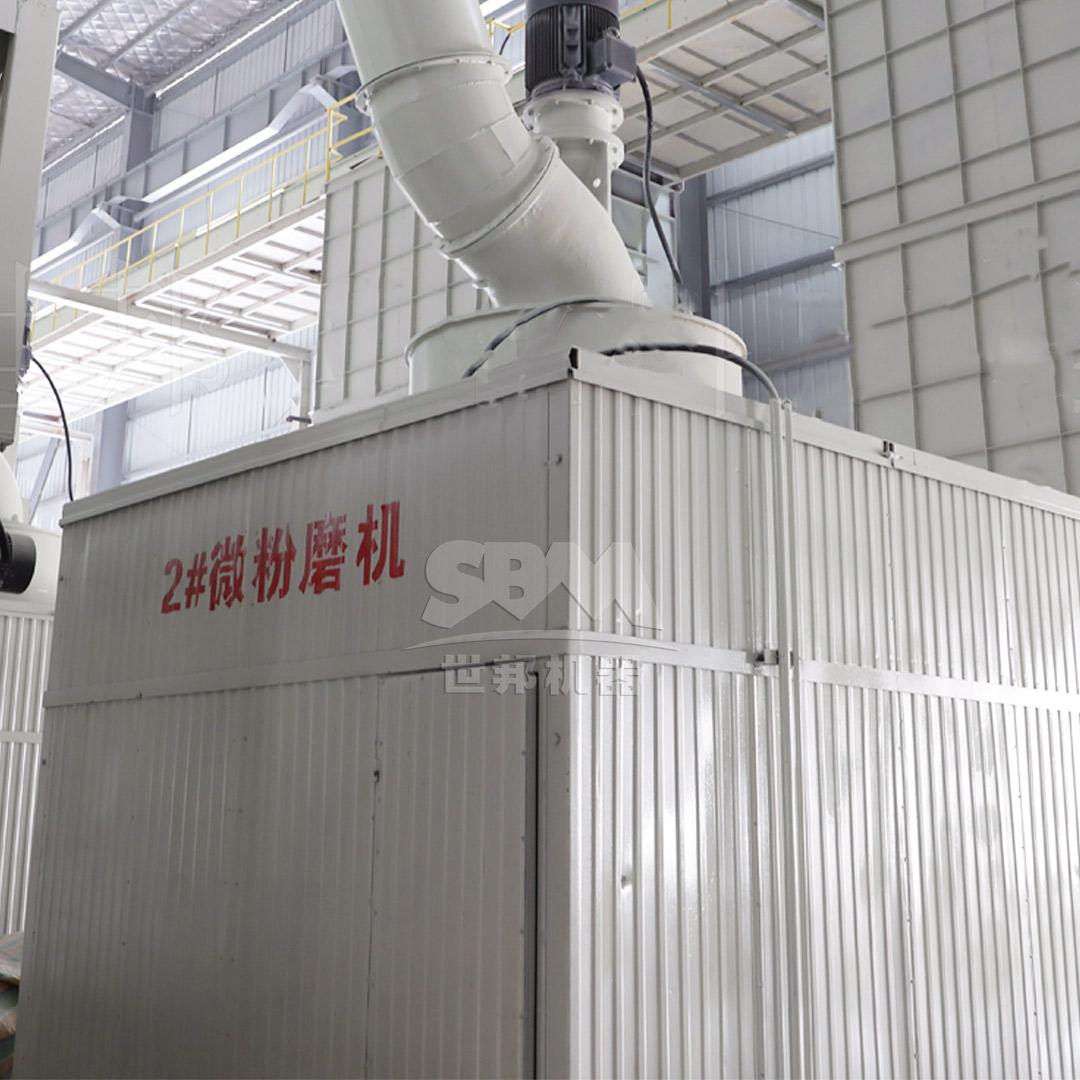
For Large-Scale, Integrated Grinding (Output: 30-325 mesh, up to 600 mesh)
For mega-projects requiring massive throughput with low operating costs.
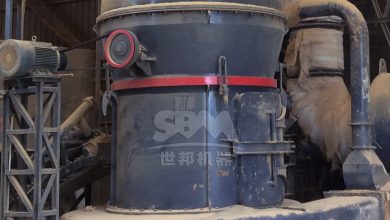
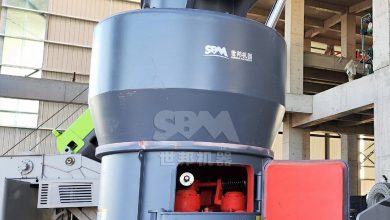
Recommended Technology: Vertical Roller Mill (e.g., LM Series)
The LM Series Vertical Roller Mill represents the pinnacle of integrated, large-capacity grinding technology.
- Why it dominates: Its integrated design crushes, grinds, dries, and classifies in a single unit, reducing floor space by 50%. It boasts remarkably low operating costs, with energy consumption 30-40% lower than traditional ball mill systems and wear part life increased by 3x. With capacities ranging from 3 to an impressive 250 ton/h, it is designed for continuous, high-volume production. The intelligent control system allows for expert-level automation and remote monitoring.
- Ideal For: Major activated carbon production facilities focused on high-tonnage output of granular and fine powdered products, where overall lifecycle cost and footprint are decisive factors.
Conclusion
The path to optimal activated carbon performance begins with precise particle size control. Understanding the specific requirements of your end application—whether it’s rapid adsorption in water treatment, efficient gas filtration, or high-purity decolorization—is the first step. Matching these requirements with the appropriate grinding technology is the second, and most crucial, engineering decision.
For coarse to medium grinding, robust systems like the MTW Series European Trapezium Mill provide reliable performance. For the production of premium fine and ultrafine powders, the SCM Series Ultrafine Mill stands out for its precision, efficiency, and product uniformity. For the largest scale operations, the LM Series Vertical Roller Mill offers unparalleled efficiency and integration.
Investing in the right grinding solution not only ensures your activated carbon meets specification but also optimizes energy consumption, minimizes maintenance downtime, and maximizes your return on investment over the entire lifecycle of the equipment.