Activated Carbon Grinding Mill for 200 Mesh Powder Production
Introduction to Activated Carbon Grinding Requirements
Activated carbon, with its highly porous structure and extensive surface area, serves as a crucial material in various industrial applications including water purification, air filtration, gas processing, and pharmaceutical manufacturing. The effectiveness of activated carbon largely depends on its particle size distribution, with 200 mesh (approximately 74 microns) being one of the most commonly required specifications across multiple industries. Achieving this specific particle size consistently requires specialized grinding equipment capable of precise particle size control while maintaining the material’s structural integrity and adsorption properties.
The grinding process for activated carbon presents unique challenges due to its abrasive nature and the need to preserve its porous structure. Conventional grinding methods often result in excessive heat generation, which can damage the carbon’s pore structure and reduce its adsorption capacity. Additionally, the fine powder produced during grinding creates dust explosion hazards and requires efficient dust collection systems. These factors necessitate grinding equipment specifically designed to handle the properties of activated carbon while ensuring operational safety and efficiency.
Technical Challenges in Activated Carbon Grinding
Grinding activated carbon to 200 mesh specification involves several technical considerations that must be addressed to ensure optimal product quality and operational efficiency. The material’s hardness and abrasiveness can cause significant wear on grinding components, leading to increased maintenance costs and potential contamination of the final product. Furthermore, the generation of fine particles increases the material’s surface area, creating potential fire and explosion hazards that require specialized safety systems.
Another critical challenge lies in maintaining the activated carbon’s adsorption properties throughout the grinding process. Excessive heat generated during grinding can cause thermal degradation of the carbon’s pore structure, reducing its effectiveness in applications. The grinding system must therefore incorporate effective cooling mechanisms and precise temperature control to preserve the material’s functional characteristics. Additionally, the equipment must provide consistent particle size distribution without over-grinding, which can produce excessive fines that compromise the material’s performance in certain applications.
Selecting the Right Grinding Mill for 200 Mesh Production
When choosing grinding equipment for activated carbon processing to 200 mesh specifications, several factors must be considered. The mill must offer precise particle size control, energy efficiency, minimal heat generation, and robust construction to withstand the abrasive nature of activated carbon. Different mill types offer varying advantages depending on production requirements, material characteristics, and operational constraints.
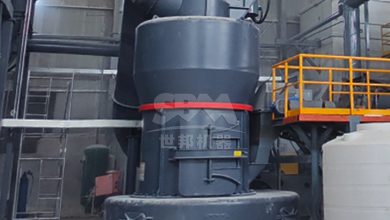
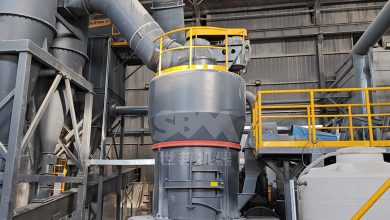
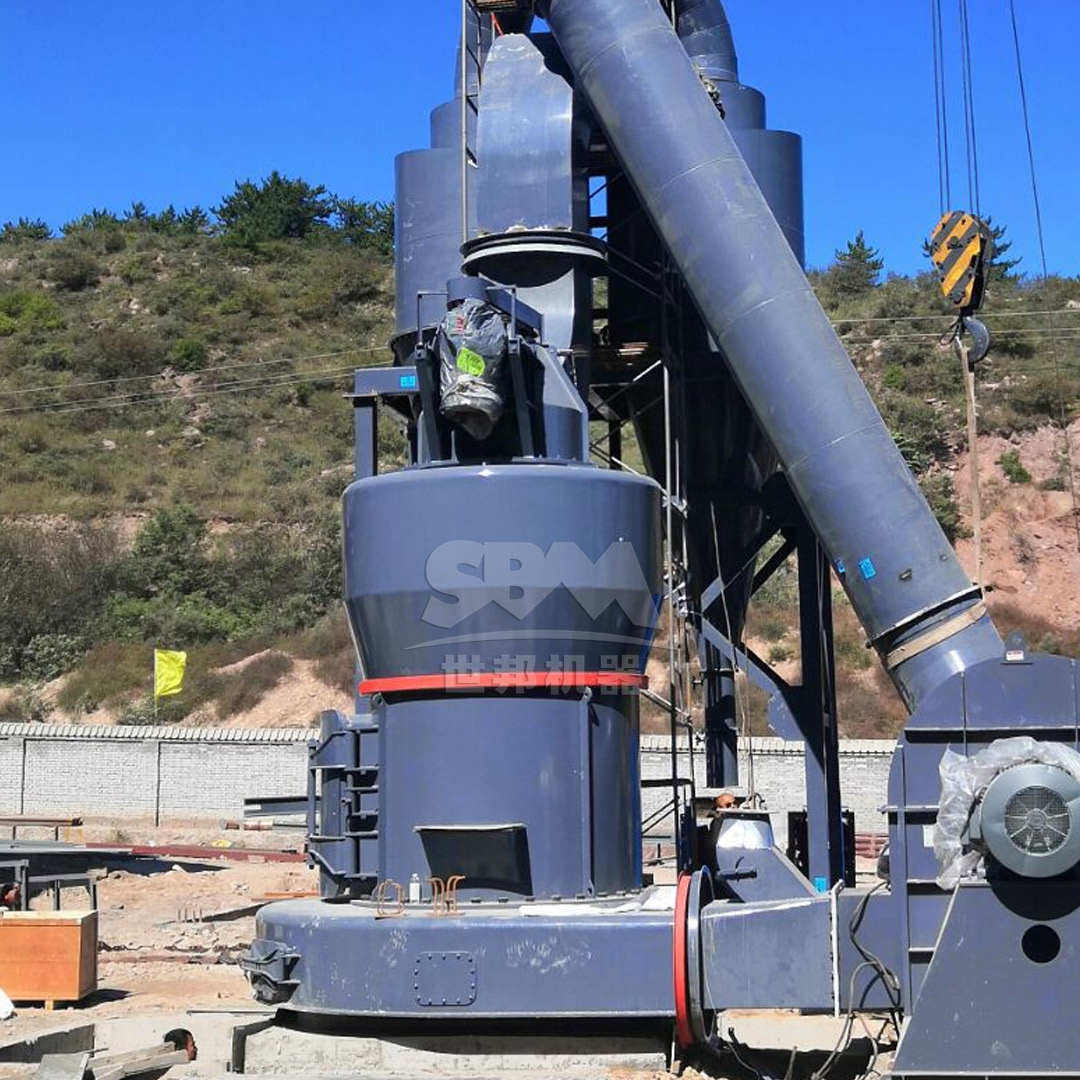
For medium to high capacity production of 200 mesh activated carbon, the MTW Series Trapezium Mill presents an excellent solution. This advanced grinding system offers output fineness ranging from 30-325 mesh, perfectly encompassing the 200 mesh requirement. With a maximum input size of 50mm and processing capacity from 3-45 tons per hour depending on the specific model, the MTW Series provides the flexibility needed for various production scales. The mill’s innovative design features, including wear-resistant shovel heads, curved air duct optimization, and integral bevel gear transmission with 98% efficiency, make it particularly suitable for activated carbon processing.

The MTW Series incorporates several technological advantages that address the specific challenges of activated carbon grinding. Its combined blade design significantly reduces maintenance costs, while the curved air duct minimizes air resistance and improves material conveying efficiency. The wear-resistant volute structure enhances air classification efficiency without flow obstruction, ensuring consistent particle size distribution. These features, combined with advanced pulse dust collection technology, make the MTW Series an ideal choice for producing high-quality 200 mesh activated carbon powder with minimal operational costs.
Ultra-Fine Grinding Solutions for Specialized Applications
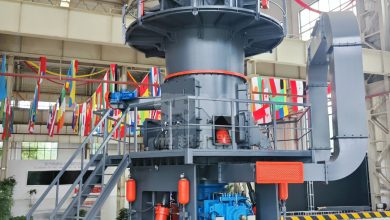
For applications requiring even finer particle sizes or when processing smaller quantities of activated carbon, ultra-fine grinding mills offer additional capabilities. The SCM Ultrafine Mill represents the cutting edge in fine powder processing technology, capable of producing activated carbon powder with fineness ranging from 325 to 2500 mesh. While this exceeds the 200 mesh requirement, the precise control systems allow operators to consistently target the 200 mesh specification with exceptional accuracy.
The SCM Ultrafine Mill incorporates vertical turbine classifiers that provide precise particle size切割, ensuring no coarse powder contamination in the final product. This results in exceptionally uniform particle size distribution, which is crucial for many activated carbon applications. The mill’s special material rollers and grinding rings offer extended service life – a significant advantage when processing abrasive materials like activated carbon. With capacity ranging from 0.5 to 25 tons per hour across different models, the SCM Series can be matched to specific production requirements while maintaining energy efficiency that reduces power consumption by 30% compared to conventional jet mills.
Operational Considerations for Activated Carbon Grinding
Successful operation of activated carbon grinding mills requires attention to several key factors beyond equipment selection. Proper feeding systems must maintain consistent material flow to the mill, preventing overload conditions that can lead to particle size variations and reduced efficiency. The grinding system should incorporate appropriate safety measures, including explosion-proof designs, temperature monitoring, and comprehensive fire suppression systems to address the combustible nature of fine carbon powders.
Dust collection represents another critical consideration in activated carbon processing. Modern grinding mills integrate advanced pulse-jet dust collectors that achieve filtration efficiency exceeding international standards. These systems not only ensure a clean working environment but also maximize product recovery. Additionally, noise control measures, such as integrated soundproofing chambers that reduce operational noise to 75dB or below, contribute to improved working conditions and regulatory compliance.

Case Study: Implementing MTW Series for 200 Mesh Production
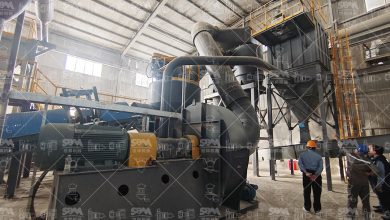
A recent installation of the MTW215G model trapezium mill for activated carbon grinding demonstrates the practical benefits of this technology. The customer required consistent production of 200 mesh activated carbon for water treatment applications, with a target capacity of 25 tons per hour. The MTW215G, with its 280kW main motor power and ability to handle input materials up to 50mm in size, provided an ideal solution for their requirements.
During the commissioning phase, the mill achieved the target particle size distribution with 95% of particles between 180 and 220 mesh, exceeding the customer’s specifications. The curved air duct design and efficient classification system contributed to this consistency while reducing energy consumption by approximately 25% compared to their previous grinding system. The wear-resistant components demonstrated exceptional durability, with the shovel heads maintaining optimal performance for over 1,200 hours of operation before requiring maintenance.
Maintenance and Long-Term Operational Efficiency
Proper maintenance protocols are essential for maximizing the service life and operational efficiency of activated carbon grinding mills. The MTW Series incorporates several design features that simplify maintenance and reduce downtime. The combined shovel blade design allows for replacement of individual worn components rather than complete assemblies, significantly reducing maintenance costs and time. The centralized lubrication system ensures proper lubrication of all critical components, while the hydraulic system facilitates quick adjustment of grinding pressure and replacement of wear parts.
Regular inspection and maintenance schedules should focus on wear components most affected by the abrasive nature of activated carbon. Grinding rollers and rings typically require the most frequent attention, with service life varying based on material hardness and production volume. The modular design of modern grinding mills enables quick replacement of these components, minimizing production interruptions. Additionally, monitoring systems that track vibration, temperature, and power consumption can provide early warning of potential issues, allowing for proactive maintenance before major failures occur.
Future Trends in Activated Carbon Grinding Technology
The field of activated carbon grinding continues to evolve, with several emerging trends shaping future equipment development. Increasing emphasis on energy efficiency drives innovation in drive systems and grinding mechanisms, with new designs targeting further reductions in specific energy consumption. Digitalization and Industry 4.0 concepts are being integrated into grinding systems, enabling remote monitoring, predictive maintenance, and automated optimization of operational parameters based on real-time conditions.
Environmental considerations continue to influence equipment design, with enhanced dust collection systems, noise reduction technologies, and comprehensive safety features becoming standard requirements. The development of specialized grinding surfaces and components using advanced materials offers potential for extended service life and reduced contamination risks. As activated carbon applications diversify, grinding equipment must provide greater flexibility to handle varying material characteristics and particle size requirements while maintaining consistent quality and operational efficiency.
Conclusion
Selecting the appropriate grinding mill for 200 mesh activated carbon production requires careful consideration of multiple factors, including material characteristics, production capacity requirements, and operational constraints. The MTW Series Trapezium Mill stands out as an excellent choice for most applications, offering the perfect balance of particle size control, operational efficiency, and durability. For specialized requirements involving ultra-fine grinding or smaller production volumes, the SCM Ultrafine Mill provides additional capabilities with exceptional precision.
Both mill series incorporate advanced technologies that address the specific challenges of activated carbon processing, including wear resistance, temperature control, dust management, and safety systems. By matching equipment capabilities to specific production needs and implementing proper operational and maintenance practices, manufacturers can achieve consistent, high-quality 200 mesh activated carbon powder with optimal efficiency and minimal operational costs.