Acidified Calcium Carbonate Production Process and Methods
1. Introduction to Acidified Calcium Carbonate
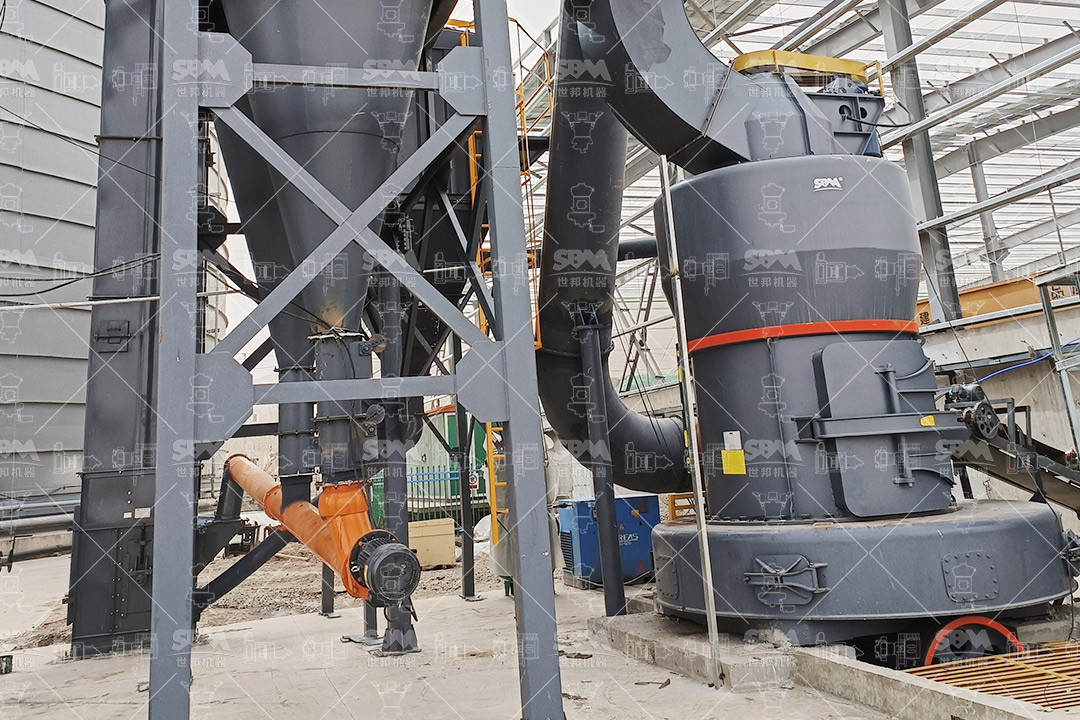
Acidified Calcium Carbonate (ACC), also known as precipitated calcium carbonate (PCC) produced via a carbonation process, is a high-value, synthetic form of calcium carbonate. Unlike ground calcium carbonate (GCC) derived directly from limestone, ACC is manufactured through a controlled chemical reaction, resulting in products with superior purity, specific particle morphology, and tailored particle size distribution. These characteristics make ACC indispensable in demanding applications such as high-quality paper coatings, plastics, paints, sealants, pharmaceuticals, and food products. The production process hinges on two critical stages: the preparation of a high-calcium lime slurry and the subsequent precision grinding and classification of the final product, where the choice of milling technology becomes paramount.
2. Core Production Process
The manufacturing of ACC is a sophisticated chemical engineering process that transforms raw limestone into a consistent, high-performance powder.
2.1 Calcination and Slaking
The process begins with high-calcium limestone (CaCO3), which is calcined in a kiln at temperatures around 900-1000°C to produce quicklime (CaO) and carbon dioxide (CO2). The quicklime is then carefully slaked with water in a controlled exothermic reaction to produce a milk-of-lime slurry, primarily consisting of calcium hydroxide (Ca(OH)2). The purity and reactivity of this slurry are foundational to the quality of the final ACC.
2.2 Carbonation and Precipitation
The heart of ACC production is the carbonation reactor. Here, the purified Ca(OH)2 slurry is treated with the CO2 recovered from the calcination stage. Under tightly controlled conditions of temperature, concentration, and agitation, a precipitation reaction occurs: Ca(OH)2 + CO2 → CaCO3 + H2O. By manipulating these parameters, producers can engineer specific crystal forms (such as scalenohedral, rhombohedral, or prismatic) and primary particle sizes, which directly influence the product’s opacity, brightness, and reinforcement properties.
2.3 Filtration, Drying, and Deagglomeration
The precipitated slurry is filtered, washed to remove impurities, and then dried. The drying process often leads to the formation of hard agglomerates as fine primary particles fuse together. These agglomerates must be effectively broken down to restore the engineered particle size and unlock the product’s full performance potential. This is where advanced milling technology is non-negotiable.
3. Critical Role of Milling and Classification in ACC Production
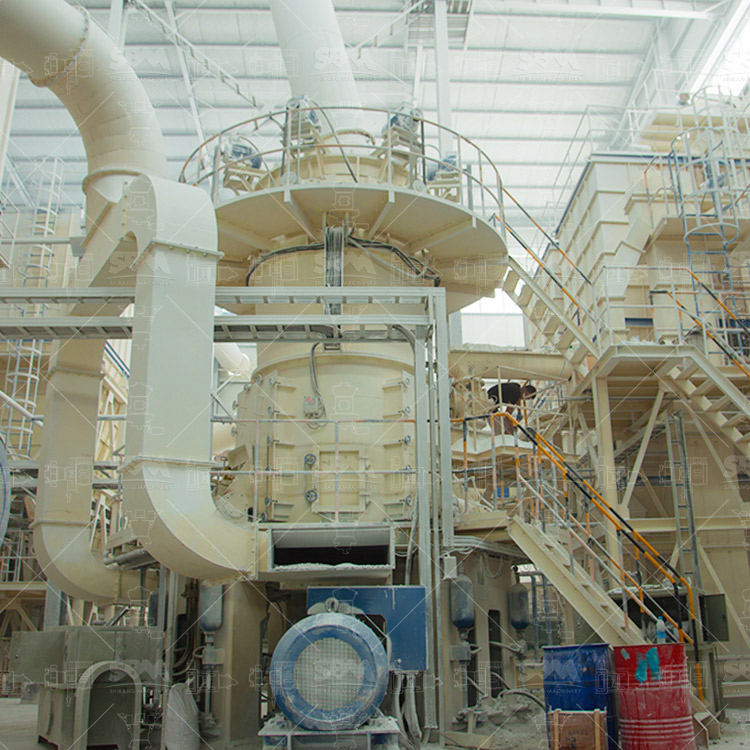
Post-drying processing is not merely about size reduction; it is a precision engineering step. The goal is to deagglomerate the dried cake back to its primary particle size distribution without causing excessive attrition or altering the delicate crystal morphology. Furthermore, the process must ensure a narrow, consistent particle size distribution (PSD) to meet stringent application specifications. This requires equipment capable of:
- Gentle yet Effective Deagglomeration: Applying sufficient shear and impact force to break bonds without fracturing the primary crystals.
- High-Precision Classification: Accurately separating fines at cut points often in the micron or sub-micron range to achieve target top-size and PSD.
- High Efficiency & Consistency: Delivering stable output quality at industrial-scale capacities with minimal energy consumption and operational variance.
4. Recommended Milling Solutions for ACC
Selecting the right milling system is pivotal for achieving the desired product characteristics and maintaining profitable operation. Based on the specific requirements of ACC processing—particularly the need for ultra-fine finishes and precise classification—we highly recommend the following solutions from our portfolio.
4.1 For Ultra-Fine ACC (325-2500 mesh / 45-5μm): SCM Series Ultrafine Mill
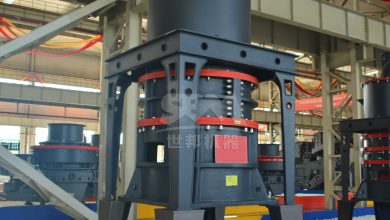
When the application demands the highest levels of fineness and uniformity, such as in premium paper coatings or high-end plastics, the SCM Series Ultrafine Mill is the ideal choice. This mill excels in the delicate task of deagglomerating and finely grinding ACC to micron and sub-micron levels.
Its vertical turbine classifier is a key differentiator, providing exceptional precision in particle size cutting. This ensures no coarse powder is mixed into the final product, guaranteeing the narrow PSD required for superior opacity and gloss. The grinding mechanism, utilizing multiple grinding rings and rollers, applies layered pressure for efficient size reduction with relatively low energy consumption—offering up to 30% lower energy use compared to traditional jet mills while doubling the capacity.
For a typical ACC line targeting high-value markets, the SCM1000 model (1.0-8.5 t/h, fineness 325-2500 mesh) offers an excellent balance of capacity and precision. Its fully enclosed, negative-pressure operation with a high-efficiency pulse dust collector ensures an environmentally clean plant, keeping dust emissions well below international standards and protecting product yield.
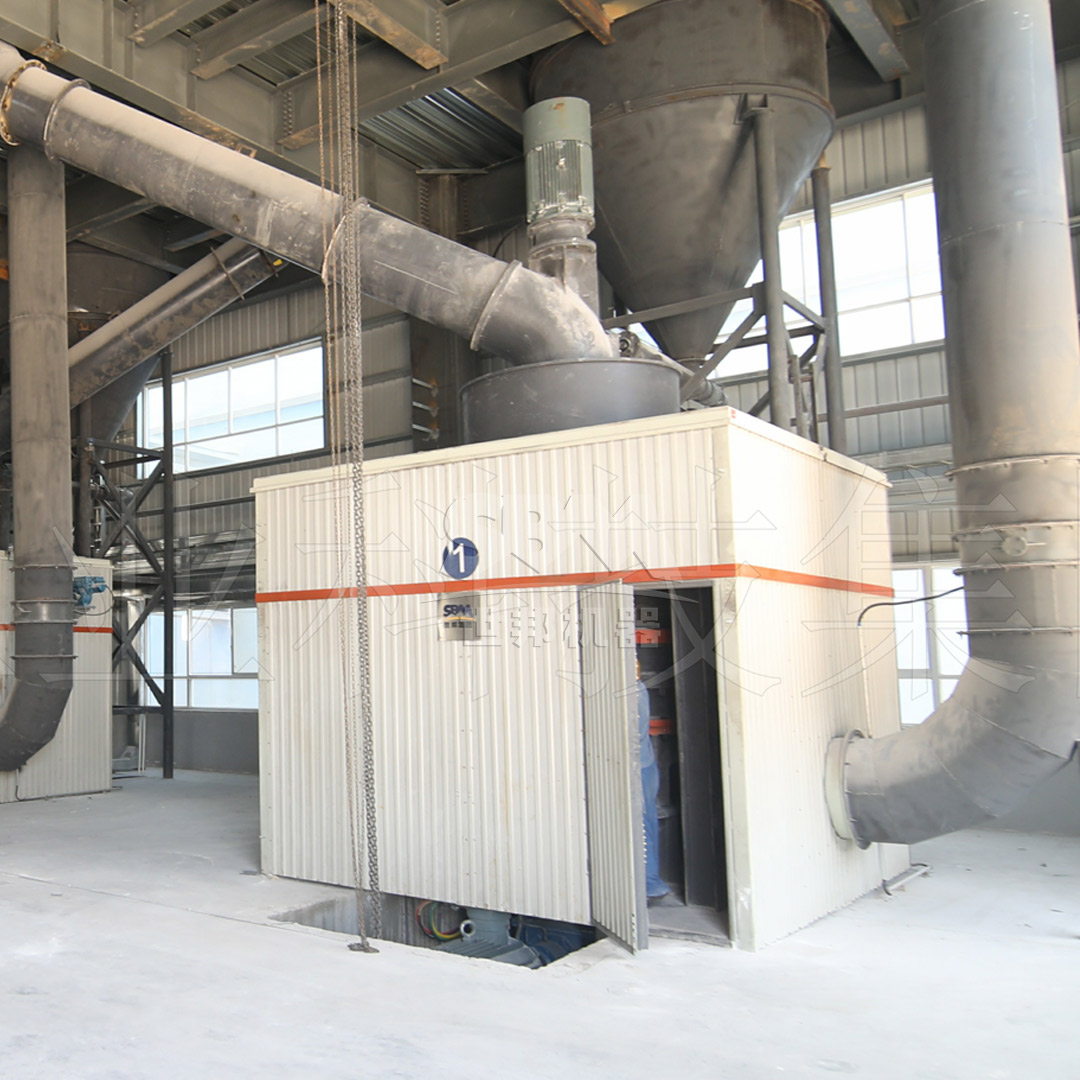
4.2 For High-Capacity Fine ACC (30-325 mesh / 600-45μm): MTW Series European Trapezium Mill
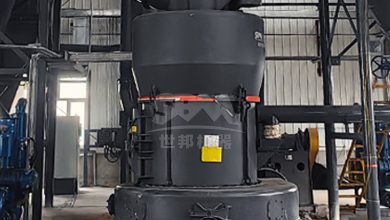
For producers focusing on larger-volume grades of ACC for applications like paints, sealants, or general-purpose plastics, the MTW Series European Trapezium Mill delivers unmatched efficiency and reliability. It is perfectly suited for producing fine powders in the 30-325 mesh range with high throughput.
The mill’s integral bevel gear drive achieves a remarkable 98% transmission efficiency, translating directly into lower power costs. Its curved shovel blade design and wear-resistant components, such as the volute structure, are engineered for longevity, significantly reducing maintenance downtime and cost. The optimized arc air duct enhances airflow efficiency, working in concert with the classifier to ensure consistent product fineness from 3 to 45 tons per hour.
A model like the MTW175G (9.5-25 t/h, fineness 10-325 mesh) is a robust workhorse for a high-capacity ACC production line. It provides the stability and consistent output quality needed for continuous industrial-scale manufacturing, backed by a design that prioritizes low total cost of ownership.
5. Conclusion
The production of high-quality Acidified Calcium Carbonate is a synergy of precise chemistry and advanced mechanical processing. While the carbonation process defines the primary particle properties, the final milling and classification stage is critical to realizing the product’s commercial value. Investing in the right milling technology—one that offers precise classification, energy efficiency, operational stability, and environmental compliance—is a strategic decision that impacts product quality, market competitiveness, and plant profitability. The SCM Series for ultra-fine requirements and the MTW Series for high-capacity fine grinding represent proven, state-of-the-art solutions tailored to meet the exacting standards of the modern ACC industry.