A Complete Guide to Petroleum Coke Powder: Uses and Grinding Mill Equipment
Introduction to Petroleum Coke
Petroleum coke (petcoke) is a carbon-rich solid material derived from the oil refining process, specifically from the cracking of heavy residual oils. It is a valuable industrial commodity with a high calorific value and carbon content, making it a versatile material for various applications. The physical and chemical properties of petcoke, such as its hardness, low volatile matter, and high sulfur content, necessitate specialized processing equipment to transform it into a usable powder form. This guide explores the primary uses of petroleum coke powder and delves into the critical grinding mill equipment required for its efficient and profitable production.
Key Applications of Petroleum Coke Powder
The value of petroleum coke is unlocked through grinding it into fine or ultra-fine powders, which significantly increases its reactivity and surface area. The major end-use sectors include:
1. Fuel for Cement Kilns and Power Plants
Ground petcoke is a high-energy, cost-effective alternative to coal. Its high calorific value makes it an excellent fuel for cement rotary kilns and thermal power generation. The fine powder ensures efficient combustion, though its sulfur content often requires flue gas desulfurization systems.
2. Anode Production for Aluminum Smelting
This is one of the most demanding applications. Calcined petroleum coke (CPC) is ground to a precise, ultra-fine powder and used as the primary carbon source in manufacturing prebaked anodes for the Hall-Héroult process. The powder’s purity, particle size distribution, and density are critical for anode performance and longevity.
3. Graphite and Carbon Product Manufacturing
Petcoke powder serves as a feedstock for producing synthetic graphite, carbon electrodes, carbon brushes, and other carbon-based materials. The grinding process controls the microstructure of the final product.
4. Other Industrial Uses
These include use as a recarburizer in steelmaking to add carbon back into molten steel, and as a filler material in various products. Each application has specific requirements for fineness, contamination levels, and flow characteristics.
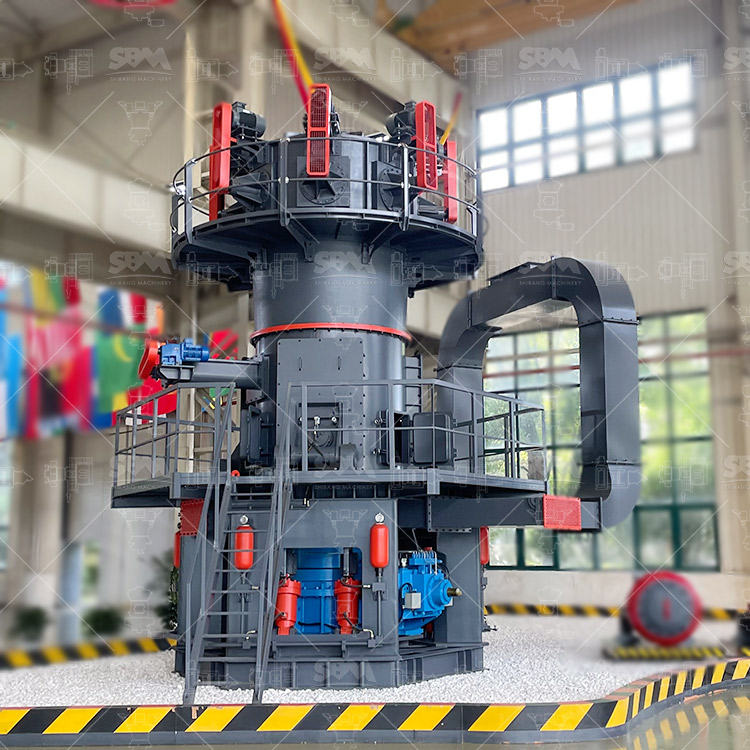
Challenges in Grinding Petroleum Coke
Grinding petcoke is not a trivial task due to its unique characteristics:
- Abrasiveness: Petcoke is highly abrasive, leading to rapid wear on grinding components.
- Low Volatile Matter & High Hardness: This makes it resistant to size reduction, requiring robust milling forces.
- Dust Explosion Risk: Fine petcoke dust is combustible, necessitating equipment with excellent sealing and inert gas protection systems.
- Moisture Sensitivity: Some grades can be hygroscopic, potentially causing clogging in mills and classifiers.
- Precision Requirements: Applications like anode production demand extremely tight control over particle size distribution (PSD).
Essential Grinding Mill Equipment for Petroleum Coke
Selecting the right grinding system is paramount for operational efficiency, product quality, and cost control. The choice depends heavily on the target fineness and required capacity.
For Coarse to Medium-Fine Grinding (30-325 mesh / 600-45μm)
When the target is a powder for fuel or recarburizer use, robust and high-capacity mills are ideal.
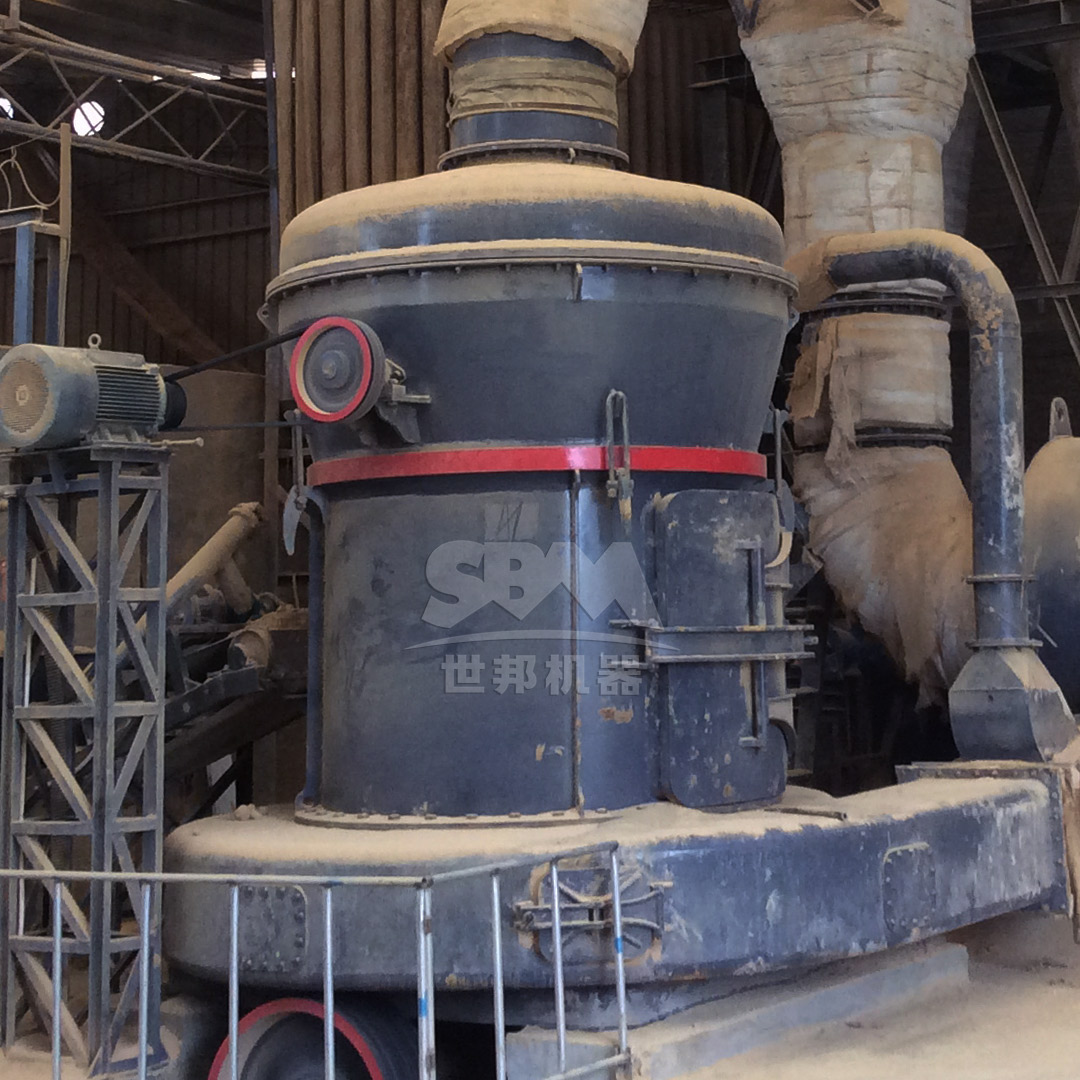
Recommended Equipment: MTW Series Trapezium Mill
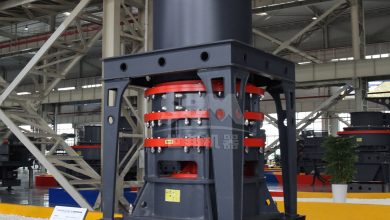
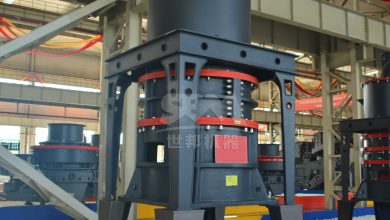
Our MTW Series Trapezium Mill is exceptionally well-suited for high-volume production of petroleum coke powder in the medium-fine range. Its design directly addresses the challenges of grinding abrasive materials. Key advantages for petcoke processing include:
- Enhanced Wear Resistance: The curved duct design and high-strength protective plates minimize wear in high-abrasion areas. The modular shovel blade design allows for easy replacement of worn parts, significantly reducing maintenance downtime and cost.
- High Efficiency & Capacity: With capacities ranging from 3 to 45 tons per hour, it meets the demands of large-scale operations. The bevel gear integral transmission achieves up to 98% efficiency, translating to lower energy consumption per ton of product.
- Stable Product Quality: The advanced grinding curve and precise airflow classification ensure a consistent and uniform product size, which is crucial for stable combustion or chemical reaction rates.
- Comprehensive System: It integrates grinding, classification, and conveying, supporting a complete production line from lump petcoke to packaged powder.
Models like the MTW215G, with a 280kW main motor and handling capacity up to 45 TPH, are perfect for major fuel-grade petcoke grinding plants.
For Ultra-Fine and High-Purity Grinding (325-2500 mesh / 45-5μm)
Producing powder for anode or high-end carbon products requires equipment capable of achieving micron and sub-micron sizes with exceptional PSD control.
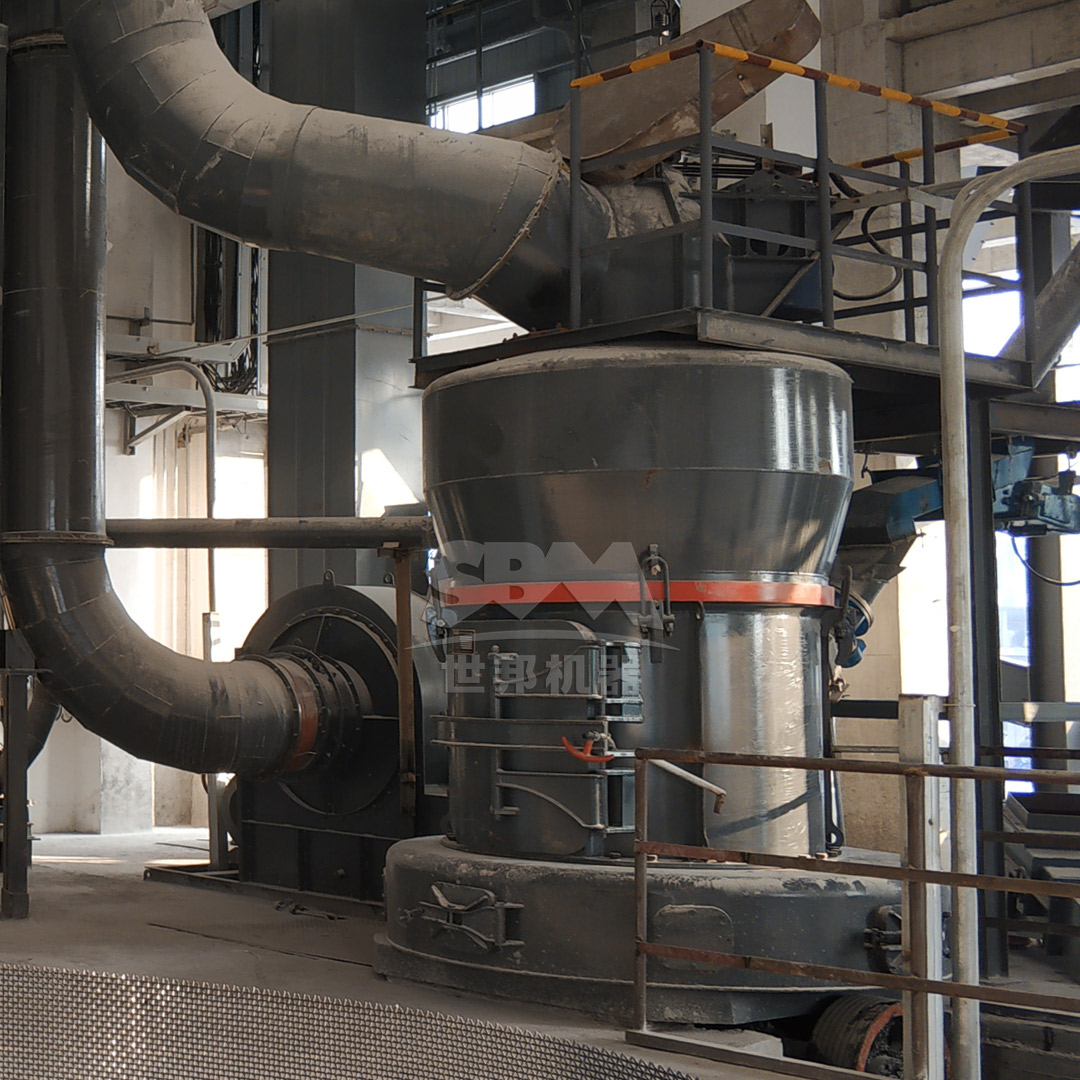
Recommended Equipment: SCM Ultrafine Mill
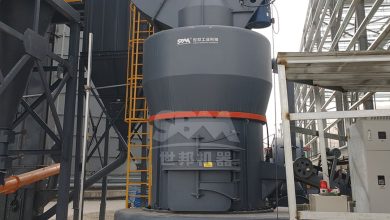
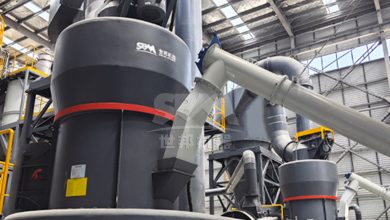
For the most demanding applications requiring ultra-fine petroleum coke powder, our flagship SCM Ultrafine Mill is the optimal solution. It is engineered to produce powders as fine as 2500 mesh (D97 ≤ 5μm) with high efficiency and reliability.
- Superior Fineness & Precision Classification: The integrated vertical turbine classifier enables precise cut-point control, ensuring no coarse particles contaminate the final product—a non-negotiable requirement for anode-grade coke.
- High Efficiency & Energy Savings: The multi-layer grinding principle and optimized kinetic energy utilization result in a capacity twice that of jet mills while reducing energy consumption by approximately 30%.
- Exceptional Durability: Specially hardened grinding rollers and rings, combined with a bearingless screw grinding chamber design, offer dramatically extended service life and stable operation when processing highly abrasive petcoke.
- Intelligent & Eco-Friendly Operation: An intelligent control system automatically adjusts parameters for target fineness. The pulse dust collector exceeds international emission standards, and the soundproof room design keeps noise levels below 75dB, ensuring a clean and compliant workshop.
From the SCM800 model (0.5-4.5 TPH) to the high-capacity SCM1680 (5-25 TPH), this series provides scalable solutions for ultra-fine petcoke powder production.
Choosing the Right Mill: A Comparative Summary
| Criteria | MTW Series Trapezium Mill | SCM Ultrafine Mill |
|---|---|---|
| Target Fineness | 30-325 mesh (600-45μm) | 325-2500 mesh (45-5μm) |
| Typical Application | Fuel, Recarburizer, General Carbon Products | Anode Grade, High-Purity Graphite, Specialty Carbons |
| Key Strength | High Capacity, Robustness, Cost-Effectiveness | Ultra-Fine Grinding, Precision Classification, Product Purity |
| Wear Resistance Focus | Curved Duct, Modular Shovel Blades | Special Alloy Rollers/Rings, Bearingless Grinding Chamber |
Ancillary Systems for a Complete Grinding Plant
A successful petcoke powder plant relies on more than just the mill. Critical supporting systems include:
- Pre-Crushing: Hammer mills or jaw crushers to reduce raw petcoke to a feed size suitable for the main mill (e.g., ≤20mm or ≤50mm).
- Drying System: If raw material moisture is high, a dryer is essential to prevent clogging and ensure grinding efficiency.
- Feeding System: Vibrating feeders or screw conveyors for stable and controlled material input.
- Classification & Collection: High-efficiency cyclones and pulse-jet baghouse dust collectors are integral for product separation and environmental protection.
- Packaging & Storage: Automated packing machines and silos for finished product handling.
- Safety Systems: Inerting (N2/CO2) systems, explosion vents, and comprehensive monitoring to mitigate dust explosion risks.
Conclusion
The transformation of raw petroleum coke into a valuable powder is a technically demanding process that hinges on selecting the appropriate grinding technology. Understanding the target application’s fineness and purity requirements is the first step. For high-volume, medium-fine grinding, the MTW Series Trapezium Mill offers an unbeatable combination of durability, capacity, and efficiency. For ultra-fine, high-precision applications such as anode manufacturing, the SCM Ultrafine Mill stands out with its advanced classification and wear-resistant design. Investing in the right grinding equipment, supported by robust ancillary systems, is the key to unlocking the full economic potential of petroleum coke powder, ensuring product quality, operational reliability, and long-term profitability for your business.