80-120 Mesh Ore Grinding Mill | Coarse Powder Pulverizer Machine
Introduction to Coarse Powder Grinding Technology
In the mineral processing industry, achieving the optimal particle size distribution is crucial for downstream operations and final product quality. The 80-120 mesh range (approximately 180-125 microns) represents a critical coarse powder specification that serves numerous industrial applications. This intermediate size fraction bridges the gap between fine powders and coarse aggregates, making it ideal for various chemical, construction, and metallurgical processes.
Selecting the appropriate grinding equipment for 80-120 mesh production requires careful consideration of material characteristics, production capacity requirements, and operational efficiency. Different grinding technologies offer varying advantages in terms of energy consumption, particle shape control, and maintenance requirements. This article explores the technical aspects of coarse powder pulverization and presents optimal equipment solutions for achieving consistent 80-120 mesh output.
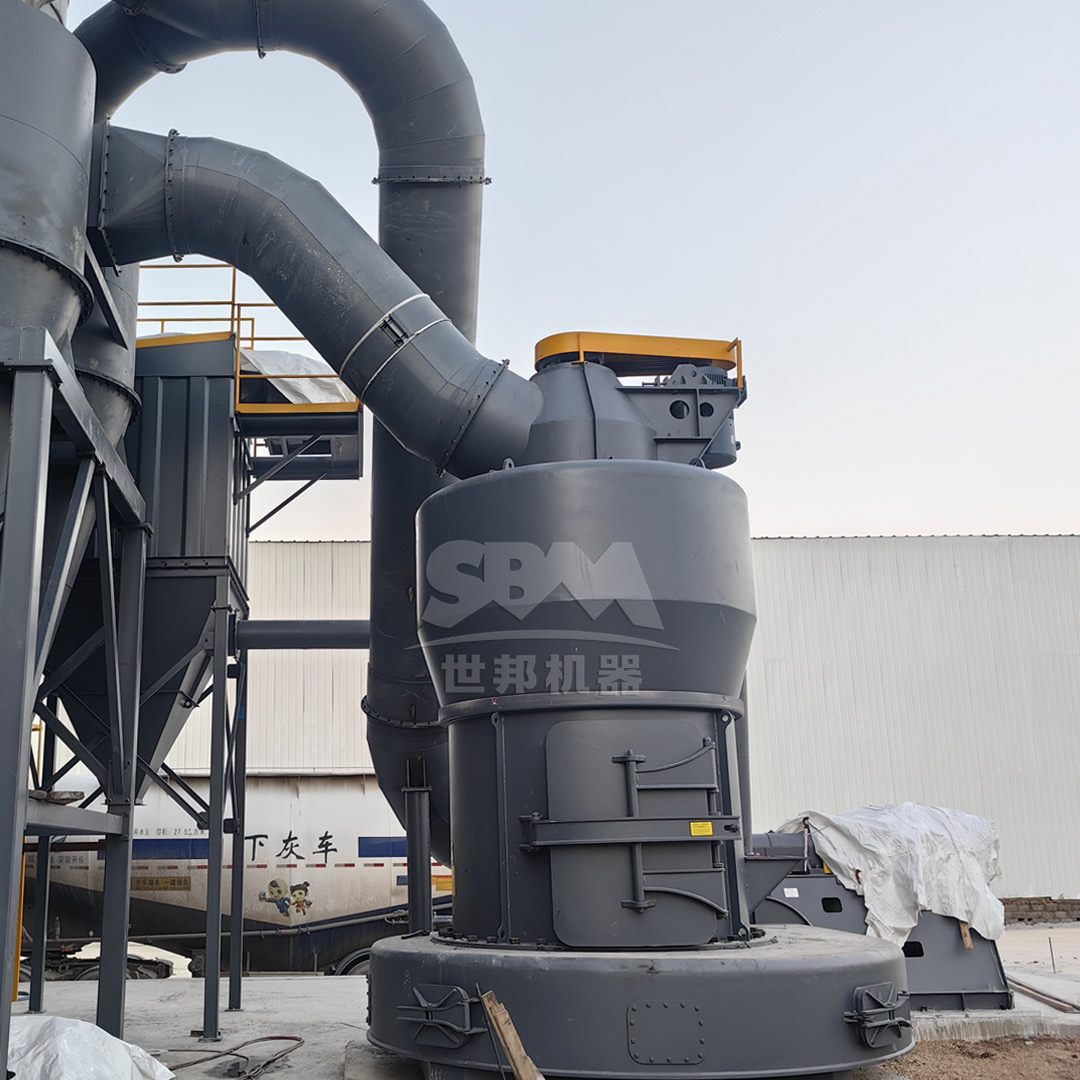
Understanding Mesh Sizes and Their Industrial Significance
The term “mesh” refers to the number of openings per linear inch in a screening surface. In the context of powder technology, 80-120 mesh corresponds to particle sizes between approximately 125 and 180 microns. This specific size range finds extensive application across multiple industries:
- Construction Materials: Ideal for cement raw meal preparation and aggregate production
- Chemical Industry: Suitable for catalyst carriers and intermediate chemical products
- Metallurgical Processes: Optimal for ore pre-treatment before flotation or leaching
- Agricultural Products: Appropriate for mineral supplements and soil amendments
The uniform particle distribution within this range ensures optimal reactivity while maintaining good flow characteristics and minimal dust generation during handling. Achieving this specification consistently requires grinding equipment with precise classification capabilities and stable operational parameters.
Key Considerations in Coarse Powder Pulverizer Selection
When selecting equipment for 80-120 mesh production, several technical factors must be evaluated to ensure optimal performance and economic operation:
Material Characteristics
The grindability of the feed material significantly impacts equipment selection. Hardness, moisture content, abrasiveness, and feed size distribution all influence the choice of grinding technology. Materials with high moisture content may require pre-drying, while highly abrasive ores necessitate equipment with superior wear resistance.
Production Capacity Requirements
Throughput requirements ranging from pilot-scale operations to high-volume production dictate the appropriate equipment size and configuration. The relationship between capacity and energy consumption must be balanced to achieve economic operation.
Particle Shape Requirements
Different grinding mechanisms produce distinct particle shapes. Impact-based systems tend to create more cubic particles, while compression grinding typically yields flaky morphology. The intended application determines the optimal particle shape characteristics.
Operational Efficiency
Energy consumption represents a significant portion of operating costs in grinding operations. Modern equipment designs focus on maximizing energy efficiency through optimized grinding mechanics and intelligent control systems.
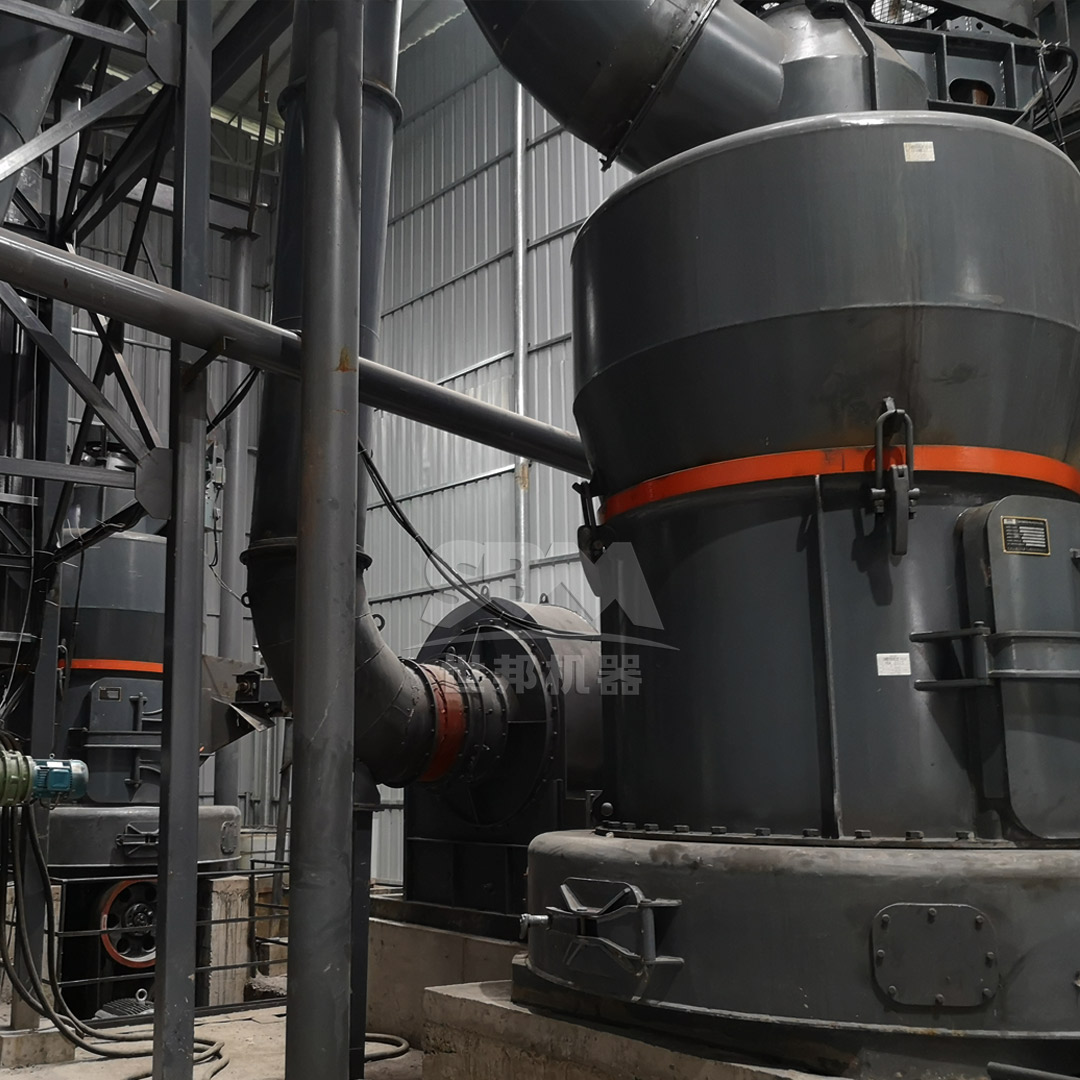
Recommended Equipment for 80-120 Mesh Production
Based on extensive technical analysis and field performance data, we recommend the following equipment for efficient 80-120 mesh production:
MTW Series Trapezium Mill – Optimal Solution for Medium to High Capacity Requirements
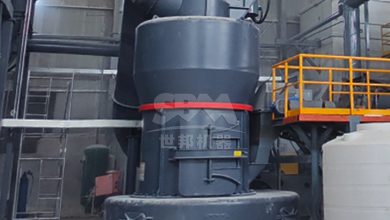
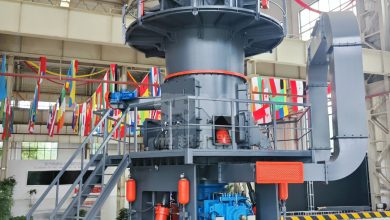
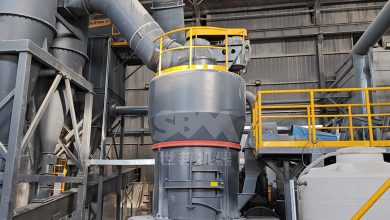
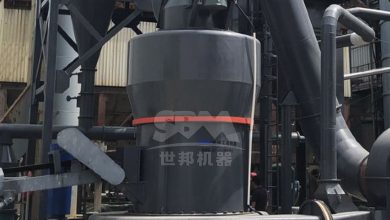
Our MTW Series Trapezium Mill represents the pinnacle of coarse to medium-fine grinding technology, specifically engineered to excel in the 30-325 mesh range, making it perfectly suited for 80-120 mesh production. This European-style grinding mill incorporates multiple patented technologies that deliver superior performance in demanding applications.
The MTW Series features several technological advancements that ensure reliable operation and consistent product quality:
- Advanced Wear Protection: The innovative curved shovel blade design significantly reduces wear part replacement frequency and associated maintenance costs. This unique geometry extends operational intervals between maintenance shutdowns.
- Optimized Airflow Path: The proprietary arc-shaped air channel minimizes pressure loss during material transport, enhancing overall system efficiency while reducing energy consumption.
- High-Efficiency Transmission: The integrated bevel gear transmission system achieves remarkable 98% mechanical efficiency, substantially outperforming conventional transmission systems while requiring less installation space.
- Durable Volute Design: The specially engineered volute structure eliminates flow resistance, improving classification efficiency while reducing maintenance requirements by approximately 30% compared to traditional designs.
The operational principle involves the main motor driving the grinding rollers to revolve around the central axis while simultaneously rotating on their own axes. The specially designed shovel blades feed material between the rollers and grinding ring, where it undergoes compressive fragmentation. The integrated classification system precisely controls final product fineness, ensuring consistent 80-120 mesh output.
Technical Specifications of MTW Series Models for 80-120 Mesh Production
| Model | Capacity (t/h) | Main Motor Power (kW) | Feed Size (mm) | Product Fineness (mesh) |
|---|---|---|---|---|
| MTW110 | 3-9 | 55 | <30 | 10-325 |
| MTW138Z | 6-17 | 90 | <35 | 10-325 |
| MTW175G | 9.5-25 | 160 | <40 | 10-325 |
| MTW215G | 15-45 | 280 | <50 | 10-325 |
For operations requiring higher production capacities while maintaining precise control over 80-120 mesh output, the MTW215G model offers exceptional performance with throughput ranging from 15 to 45 tons per hour, making it suitable for large-scale industrial applications.
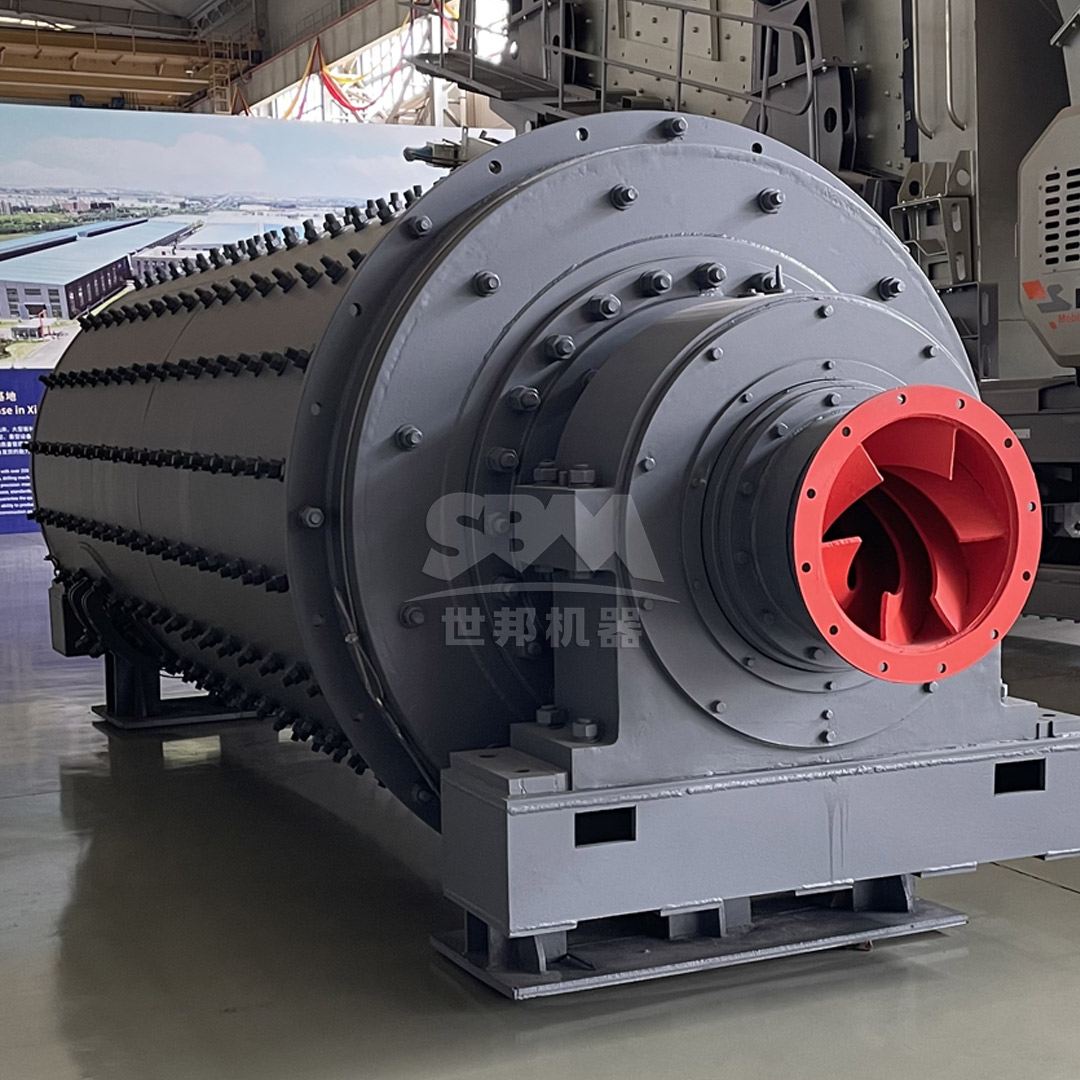
Ball Mill – Traditional Reliability for Versatile Applications
For operations requiring extreme versatility and proven reliability, our ball mill series provides a robust solution for 80-120 mesh production. Ball mills represent the most established grinding technology with demonstrated performance across countless applications worldwide.
Key advantages of our ball mill series include:
- Exceptional Versatility: Support for both dry and wet grinding modes accommodates diverse material characteristics and process requirements across cement, metallurgical, and chemical industries.
- High Size Reduction Ratio: With reduction ratios reaching 300:1, our ball mills efficiently process feed materials up to 25mm directly to the target 80-120 mesh specification.
- Large Capacity Design: Models with effective volumes up to 79m³ support continuous large-scale production requirements with minimal operational oversight.
- Proven Reliability: Incorporating decades of design refinements, our ball mills demonstrate remarkably low failure rates, reducing unplanned downtime by approximately 40% compared to industry averages.
The grinding principle involves the rotation of a cylindrical shell containing grinding media (typically steel balls). As the mill rotates, the grinding media are lifted and then cascade down onto the material, achieving comminution through a combination of impact and abrasion forces. The discharge grate ensures that only properly sized particles exit the grinding chamber, while oversize material continues circulating until the target fineness is achieved.
Comparative Analysis of Grinding Technologies
Selecting between different grinding technologies requires careful evaluation of multiple performance parameters. The following comparison highlights the key characteristics of each recommended solution for 80-120 mesh production:
| Parameter | MTW Trapezium Mill | Ball Mill |
|---|---|---|
| Energy Efficiency | High (Optimized grinding mechanism) | Moderate (Established technology) |
| Particle Shape Control | Excellent (Compressive breakage) | Good (Mixed breakage mechanisms) |
| Wear Part Consumption | Low (Advanced materials) | Moderate (Standard materials) |
| Footprint Requirements | Compact (Vertical design) | Substantial (Horizontal configuration) |
| Automation Capability | High (Integrated control systems) | Standard (Basic control options) |
| Capital Investment | Moderate to High | Competitive |
Operational Best Practices for 80-120 Mesh Production
Maximizing the performance of coarse powder grinding equipment requires adherence to established operational protocols:
Feed Preparation and Control
Consistent feed size distribution and moisture content are critical for stable operation. Implementing proper pre-crushing and, when necessary, drying operations ensures optimal grinding conditions. For 80-120 mesh production, maintaining feed size below 30mm for MTW series mills and below 25mm for ball mills provides the best results.
Classification System Optimization
Proper adjustment of integrated or external classification systems is essential for maintaining target particle size distributions. Regular inspection and maintenance of classifier components prevent performance degradation over time.
Wear Management
Implementing systematic wear monitoring and replacement protocols minimizes unexpected downtime. For the MTW series, the innovative wear part designs significantly extend service intervals, while ball mills benefit from scheduled media addition programs.
Energy Consumption Monitoring
Tracking specific energy consumption (kWh/ton) provides early indication of process inefficiencies. Modern grinding systems incorporate energy monitoring capabilities that facilitate proactive maintenance and operational adjustments.
Conclusion
Producing consistent 80-120 mesh coarse powder requires carefully selected equipment matched to specific material characteristics and production requirements. Our MTW Series Trapezium Mill offers superior efficiency and control for most applications, while our ball mill series provides proven reliability for operations requiring extreme versatility. Both solutions incorporate advanced technologies that optimize energy consumption, minimize maintenance requirements, and ensure consistent product quality.
With proper equipment selection and implementation of operational best practices, producers can achieve significant improvements in processing efficiency and product quality. Our technical team remains available to assist with equipment selection, process optimization, and operational support to ensure successful implementation of coarse powder grinding solutions.