5R4121 Raymond Mill: Capacity in Tons Per Hour for Processing Bauxite
Introduction
The efficient processing of bauxite, the primary ore for aluminum production, demands robust and reliable grinding equipment. The 5R4121 Raymond Mill, a classic model in the pendulum roller mill family, has been a cornerstone in mineral processing for decades. This article provides a detailed analysis of its capacity, operational parameters, and suitability for bauxite grinding, while also exploring modern, high-performance alternatives for enhanced productivity.
Understanding the 5R4121 Raymond Mill
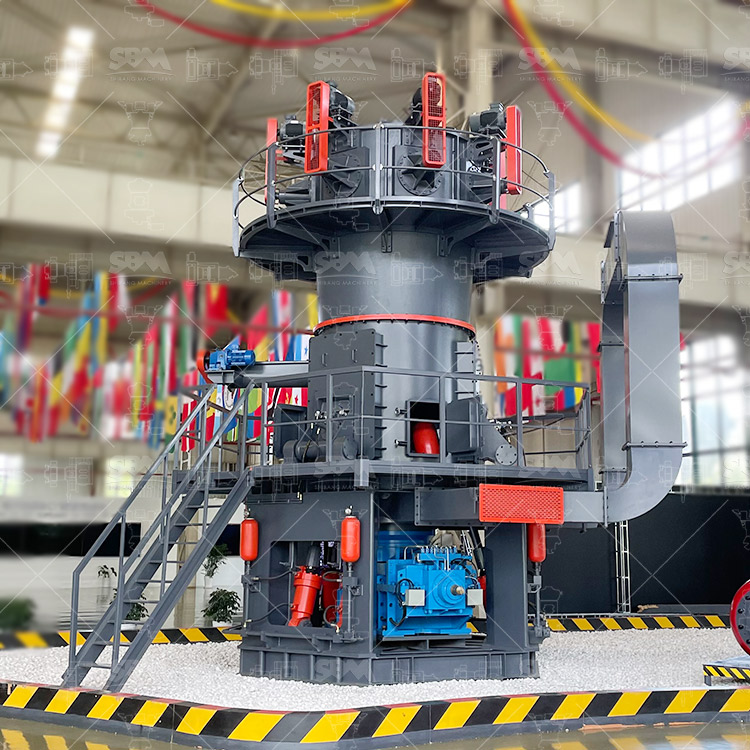
The 5R4121 designation refers to a Raymond mill configuration with 5 grinding rollers. The number ‘4121’ typically indicates the diameter and height of the grinding ring in inches (approximately 41 inches in diameter). This model operates on the traditional pendulum grinding principle, where rollers swing outward due to centrifugal force and roll against a stationary ring to crush the feed material.
For bauxite processing, the key performance indicators are throughput (tons per hour), product fineness (often required for the Bayer process), energy efficiency, and wear resistance, as bauxite can be moderately abrasive.
Capacity Analysis for Bauxite Processing
The capacity of a 5R4121 Raymond Mill is not a fixed number but a range influenced by multiple factors:
- Feed Size: Optimal capacity is achieved with a feed size of ≤30mm. Larger feed will reduce throughput and increase wear.
- Moisture Content: Bauxite should be dried to a moisture content below 6% for efficient grinding in a Raymond mill system.
- Required Product Fineness: For bauxite, a common target is 80-90% passing 200 mesh (74μm). Higher fineness demands (e.g., 325 mesh) will significantly reduce the mill’s hourly output.
- Hardness & Abrasiveness: The Bond Work Index and abrasion index of the specific bauxite deposit will impact grinding efficiency and liner life.
Under typical operating conditions—feeding dried bauxite with a size of ≤25mm and targeting a fineness of 200 mesh—a well-maintained 5R4121 Raymond Mill can achieve a capacity in the range of 8 to 15 tons per hour. This output can vary by ±3 t/h depending on the specific material characteristics and system configuration (e.g., fan power, classifier efficiency).
Limitations and Modern Grinding Demands
While the 5R4121 is a proven design, modern mineral processing plants often seek higher efficiency, larger capacity, and lower operational costs. Key limitations of the traditional design include:
- Higher Energy Consumption per Ton: Compared to newer vertical roller mill designs, the energy efficiency is lower.
- Limited Capacity Scalability: The physical size of the 5R configuration caps its maximum throughput.
- Maintenance Intensity: The wear on rollers and the grinding ring requires periodic shutdowns for rebuilding or replacement.
To address these challenges and meet the needs of large-scale, modern bauxite processing, advanced grinding solutions have been developed.
Advanced Solutions for High-Capacity Bauxite Grinding
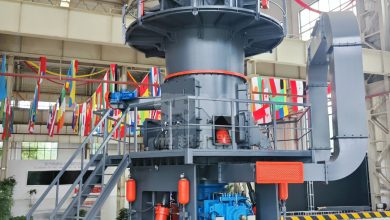
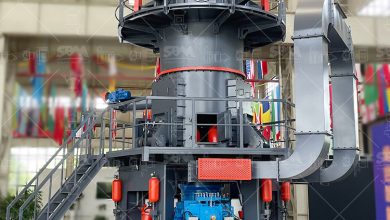
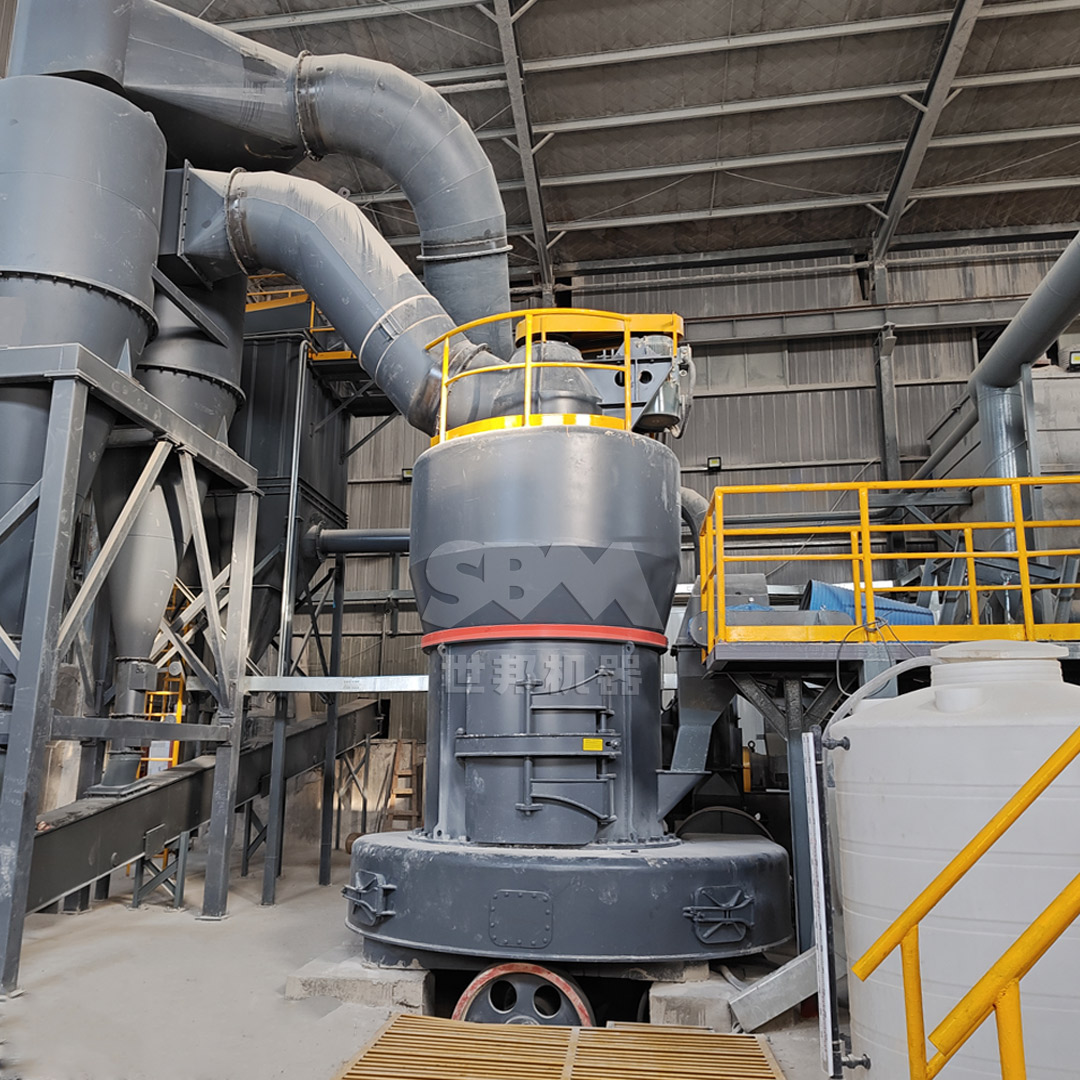
For projects requiring higher throughput, superior energy efficiency, and more consistent product quality, our company’s MTW Series European Trapezium Mill represents a significant technological leap forward from traditional Raymond mills.
Why the MTW Series is Ideal for Bauxite
The MTW mill incorporates multiple patented innovations that directly benefit bauxite processing:
- High Capacity: Models like the MTW215G can handle capacities from 15 to 45 tons per hour, far exceeding the ceiling of a 5R4121, making it suitable for large-scale alumina refineries.
- Anti-wear Design: The curved shovel blade and optimized grinding roller profile are made from special wear-resistant materials, drastically reducing maintenance costs when processing abrasive bauxite.
- Exceptional Energy Efficiency: Its integral bevel gear transmission achieves up to 98% drive efficiency, and the optimized arc air duct minimizes airflow resistance, leading to overall energy savings of 20-30% compared to traditional designs.
- Precise Classification: An advanced internal classifier ensures tight control over product fineness (30-325 mesh), which is critical for the downstream Bayer digestion process.
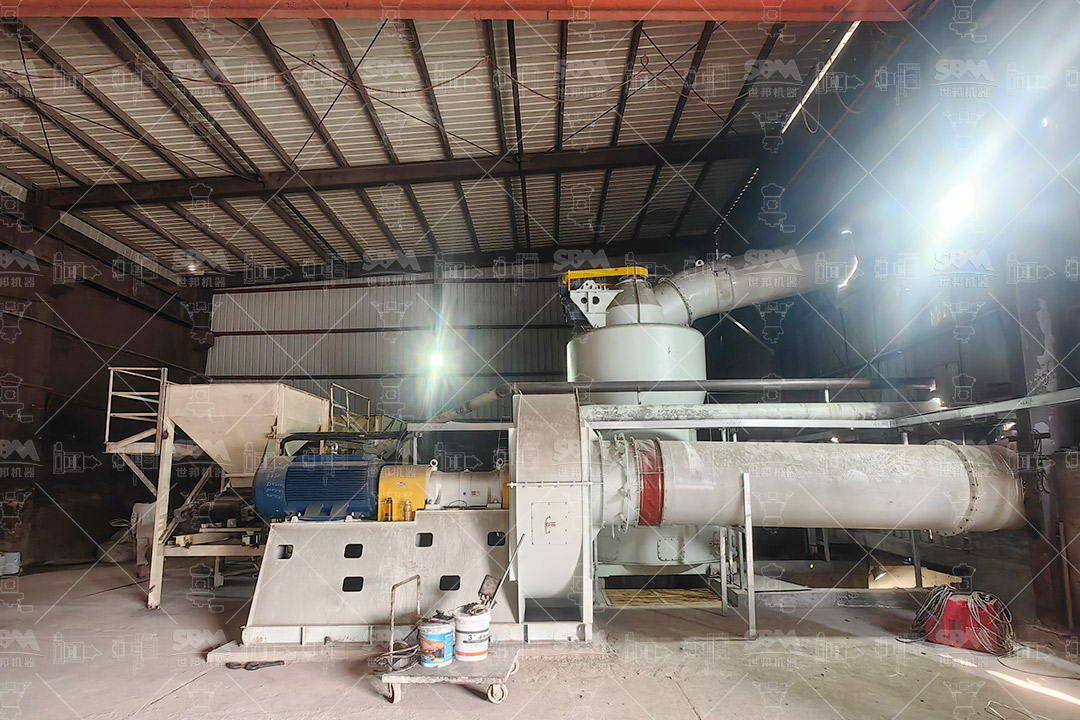
For operations that require even finer grinding of bauxite for specialized applications, or where the feed size is smaller, our SCM Series Ultrafine Mill offers an excellent solution. Capable of producing powders from 325 to 2500 mesh (45-5μm), the SCM mill features a high-precision vertical turbine classifier and an energy-efficient design that provides twice the capacity of a jet mill with 30% lower energy consumption. Its durable construction, with special material rollers and rings, ensures reliable operation in demanding environments.
Conclusion and Recommendation
The 5R4121 Raymond Mill remains a viable option for small to medium-scale bauxite grinding operations with moderate capacity requirements. Its estimated output of 8-15 t/h at 200 mesh serves as a reliable benchmark.
However, for new projects, plant expansions, or upgrades focused on maximizing profitability through higher throughput, lower operating costs, and reduced downtime, modern mill technology is the clear choice. We highly recommend evaluating our MTW Series European Trapezium Mill for your bauxite grinding needs. Its robust design, high capacity range up to 45 t/h, and significant energy savings provide a future-proof solution that enhances overall process economics. For ultra-fine bauxite powder production, the SCM Series Ultrafine Mill stands as the industry-leading technology.
Contact our technical team for a detailed capacity analysis tailored to your specific bauxite characteristics and production goals.