30 Ton Water Slag Micro Powder Production Line Cost Analysis
1. Introduction
The utilization of industrial by-products like water slag (also known as granulated blast furnace slag) has become a cornerstone of sustainable industrial practices. Transforming this material into high-value micro powder (typically ranging from 325 to 2500 mesh) for applications in cement, concrete, and advanced composites requires a sophisticated and efficient production line. For investors and plant managers, a comprehensive cost analysis is paramount. This article provides a detailed breakdown of the capital and operational expenditures (CAPEX & OPEX) for establishing a 30-ton-per-hour water slag micro powder production line, highlighting key cost drivers and strategic equipment selection for optimal return on investment.
2. Production Line Process Overview
A standard 30 TPH water slag micro powder line consists of several integrated stages:
- Raw Material Handling & Pre-drying: Water slag with inherent moisture (<15%) is fed via apron feeder into a pre-drying system, often utilizing waste heat from downstream processes.
- Primary Crushing & Grinding: Dried slag is crushed to a uniform size (<20mm) suitable for the main grinding mill.
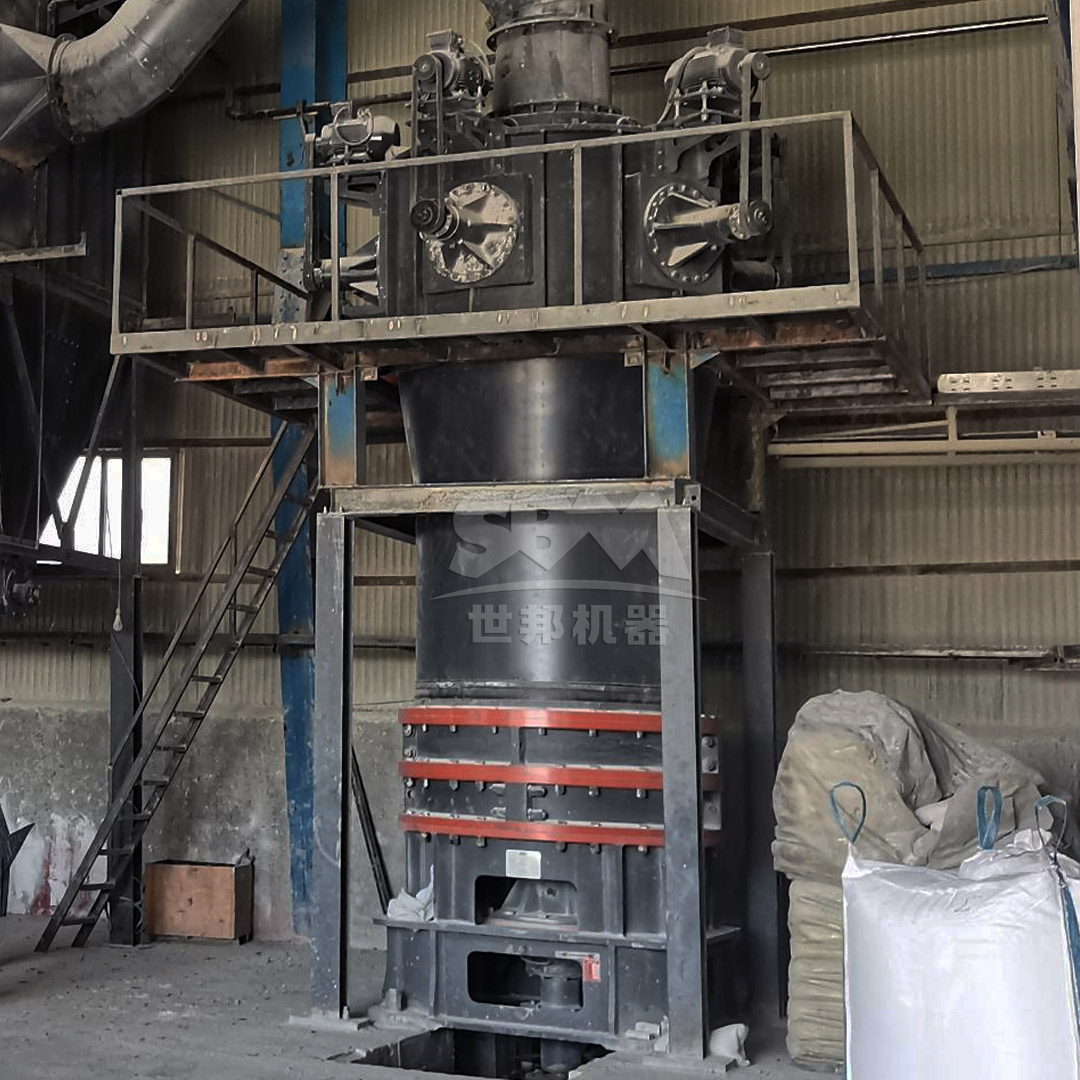
- Fine Grinding & Classification (Core Stage): The pre-processed material is fed into the core equipment—a high-performance grinding mill. The ground powder is simultaneously classified by an integrated or separate classifier. Oversize particles are recirculated for further grinding.
- Product Collection & Dust Removal: Qualified micro powder is collected by a high-efficiency cyclone and bag filter system. This stage is critical for product yield and environmental compliance.
- Packaging & Storage: The final product is conveyed to silos and packaged for shipment.
3. Detailed Cost Analysis (CAPEX & OPEX)
3.1 Capital Expenditure (CAPEX)
CAPEX covers all one-time costs for purchasing and installing the production line.
- Equipment Procurement (Approx. 65-75% of total CAPEX): This is the most significant cost component. For a 30 TPH line targeting 600-2500 mesh fineness, the choice of the main grinding mill is decisive. High-capacity vertical roller mills or ultra-fine grinding mills represent the major investment. Ancillary equipment (crusher, dryer, classifier, dust collector, fans, elevators, conveyors) constitutes the remainder.
- Civil Works & Installation (15-20%): Includes foundation construction, structural steel, plant buildings, and professional installation/commissioning services.
- Electrical & Control Systems (8-12%): Encompasses power distribution, motor control centers (MCC), and a central PLC-based automation system for process control and monitoring.
- Engineering & Contingency (5-10%): Covers design, project management, and a buffer for unforeseen expenses.
3.2 Operational Expenditure (OPEX)
OPEX determines the long-term profitability of the operation.
- Power Consumption (Largest OPEX factor): The main grinding mill’s drive motor is the primary consumer. Energy efficiency (kWh/ton) is the single most critical metric. A mill that consumes 30% less power can save hundreds of thousands of dollars annually. Ancillary equipment like the ID fan and classifier motor also contribute significantly.
- Wear Parts & Maintenance (15-25%): Includes the replacement of grinding rollers/tables, classifier blades, fan impellers, and conveyor belts. Equipment with superior wear-resistant designs and longer service intervals drastically reduces this cost.
- Labor (5-10%): A highly automated line with intelligent control can operate with a minimal crew (2-3 operators per shift), reducing labor costs and human error.
- Raw Material & Other Costs: Cost of purchasing moist water slag, packaging materials, and general plant overheads.
4. Core Equipment Selection & Cost Impact
The performance of the main grinding mill dictates the entire line’s efficiency and cost structure. Selecting the wrong technology can lead to crippling energy bills and excessive downtime.
For producing 30 TPH of water slag micro powder, two primary technological paths exist: large-scale vertical roller mills for coarser ranges (e.g., S95 slag powder ~400-500 m²/kg) and advanced ultra-fine mills for high-value products (600-2500 mesh).
4.1 Recommendation for High-Capacity, Coarse-to-Medium Fineness Grinding
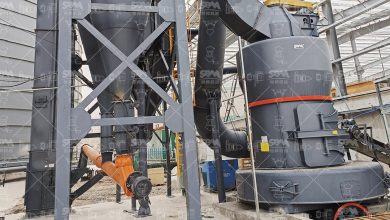
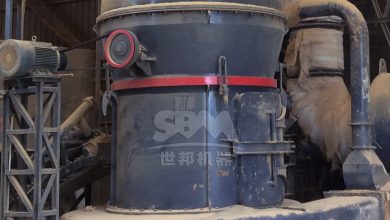
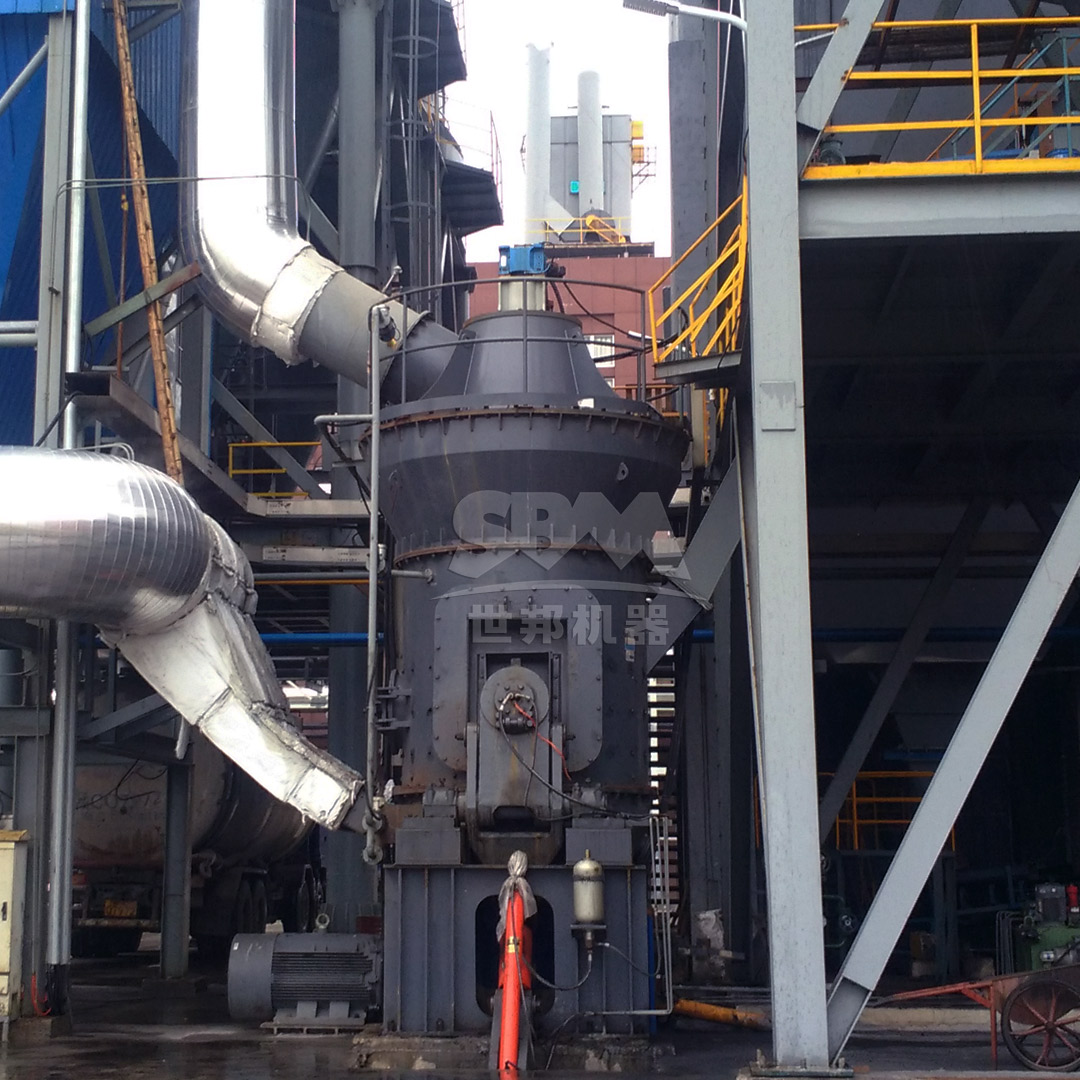
For projects targeting the massive S95 slag powder market with high throughput, the LM Series Vertical Roller Mill is the industry-preferred solution. Its integrated design combining drying, grinding, and classification in a single footprint offers unparalleled efficiency for this application.
Why the LM Series is Ideal for a 30 TPH Slag Line:
- Unmatched Energy Efficiency: Its bed grinding principle consumes 30-40% less energy than traditional ball mill systems, directly targeting the largest OPEX component.
- High Throughput & Integrated Design: Models like the LM190K or LM220K are perfectly sized for a 30 TPH output. The system integration reduces floor space by 50% and civil costs by approximately 40%, significantly lowering CAPEX.
- Low Operating Cost: Features like a non-contact grinding design and wear-resistant materials extend the life of critical wear parts by up to 3 times, slashing maintenance OPEX.
- Environmental Compliance: Fully sealed negative pressure operation ensures dust emissions are kept well below international standards, avoiding potential fines.
4.2 Recommendation for Ultra-Fine & High-Value Product Grinding
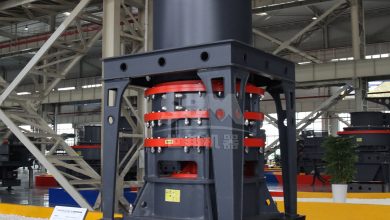
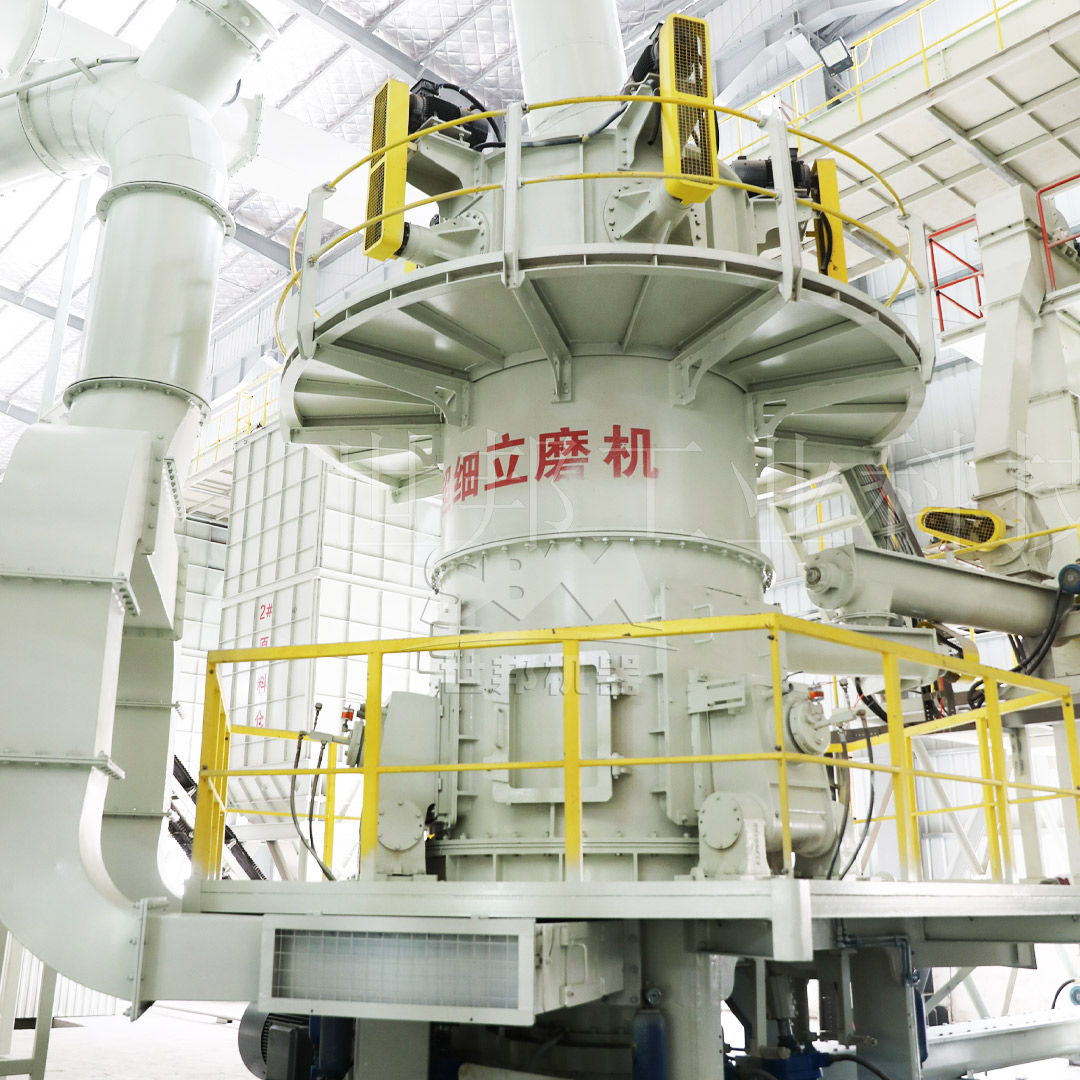
If the business plan focuses on producing ultra-fine slag powder (1250-2500 mesh) for high-end composites or specialty chemicals, the SCM Series Ultrafine Mill is the superior technical choice.
Why the SCM Series Excels in Ultra-Fine Production:
- Precise Particle Size Control: Its vertical turbine classifier achieves exact particle size cuts with no coarse powder mixing, ensuring a uniform and high-quality product that commands a premium price.
- High Efficiency for Fine Grinding: While producing ultra-fine powder, its capacity can be twice that of jet mills while consuming about 30% less energy, making it the most cost-effective solution in its fineness range.
- Durable & Stable: The special material rollers and rings, coupled with a shaftless screw grinding chamber design, guarantee stable, long-term operation with minimal unexpected downtime.
- Model Suggestion: For a 30 TPH target on slightly coarser ultra-fine grades, multiple units of SCM1680 (5-25 TPH capacity) could be configured. For the finest ranges (2500 mesh), the LUM Ultrafine Vertical Roller Mill, with its multi-rotor classifying technology, is also an excellent alternative to consider for its exceptional classification precision and environmental performance.
5. Key Factors Influencing Total Cost
- Raw Material Characteristics: Slag hardness (Bond Work Index), moisture content, and iron content directly affect grinding energy and wear rates.
- Target Product Specification: Finer products require more grinding stages, higher classifier precision, and more energy, increasing both CAPEX and OPEX.
- Site-Specific Conditions: Local electricity rates, labor costs, environmental regulations, and infrastructure (port, roads) play a major role.
- Degree of Automation: Investing in an expert-level control system (like the one offered with the LM Series) increases initial CAPEX but yields substantial OPEX savings through optimized operation, lower manpower needs, and higher consistency.
6. Conclusion
Establishing a 30 TPH water slag micro powder production line is a significant but potentially highly profitable investment. A thorough cost analysis reveals that while CAPEX is substantial, OPEX—particularly energy consumption and maintenance—is the true determinant of long-term viability. Therefore, equipment selection must prioritize lifecycle cost, not just purchase price.
The LM Series Vertical Roller Mill stands out as the most cost-effective solution for high-tonnage production of standard slag powder, offering dramatic savings in energy and maintenance. For ventures targeting the premium ultra-fine powder market, the SCM Series Ultrafine Mill provides the necessary precision, efficiency, and product quality to maximize returns. Partnering with an experienced supplier who can provide not only the technology but also comprehensive process design and lifecycle support is crucial to translating this detailed cost analysis into a successful and profitable operation.