
How to Process Animal Feed Blood Meal: A Complete Production Guide
Introduction to Blood Meal Production
Blood meal is a high-protein animal feed ingredient derived from animal blood, typically obtained as a byproduct from slaughterhouses. With protein content ranging from 80-90%, it serves as an excellent nutritional supplement in livestock, poultry, and aquaculture feeds. The production process involves careful collection, processing, and drying of blood to create a stable, nutrient-rich powder that can be efficiently incorporated into animal feed formulations.
The global animal feed blood meal market continues to grow, driven by increasing demand for high-quality protein sources in animal nutrition. Proper processing is crucial to maintain nutritional value, ensure product safety, and achieve the desired physical properties for optimal handling and mixing in feed manufacturing.
Raw Material Collection and Preparation
The first critical step in blood meal production begins at slaughterhouses where blood is collected hygienically. Proper collection methods prevent contamination and preserve nutritional quality. Fresh blood should be processed within hours of collection to prevent spoilage and bacterial growth.
Key considerations for raw material preparation include:
- Implementing anti-coagulant treatments to prevent clotting during collection
- Maintaining proper temperature control during storage and transport
- Ensuring separation from other slaughterhouse byproducts to prevent cross-contamination
- Conducting quality checks for purity and freshness before processing
Coagulated blood requires mechanical treatment before further processing. For large-scale operations, preliminary size reduction is essential to create uniform particles that dry efficiently.
Coagulation and Dehydration Processes
Two primary methods dominate blood meal production: conventional drying and flash drying. The conventional method involves steam coagulation followed by mechanical dewatering and drying. Blood is heated to approximately 90°C to coagulate proteins, then pressed to remove excess water before the final drying stage.
Flash drying represents a more modern approach where blood is directly introduced into a hot air stream, rapidly evaporating moisture while minimizing heat damage to proteins. This method typically produces a higher quality product with better protein digestibility.
Critical parameters for optimal dehydration include:
- Temperature control to avoid protein denaturation (typically 60-80°C)
- Moisture reduction to below 10% for proper preservation
- Uniform heat distribution to prevent localized overheating
- Efficient moisture removal to minimize energy consumption
Grinding and Particle Size Optimization
Proper grinding is essential to achieve the optimal particle size for animal feed applications. The ideal blood meal should have consistent particle size distribution to ensure uniform mixing with other feed ingredients and maximize digestibility.
For blood meal processing, particle sizes typically range from coarse (500-800μm) for ruminant feeds to fine (100-300μm) for poultry and aquaculture applications. The grinding process must balance energy efficiency with precise particle size control.
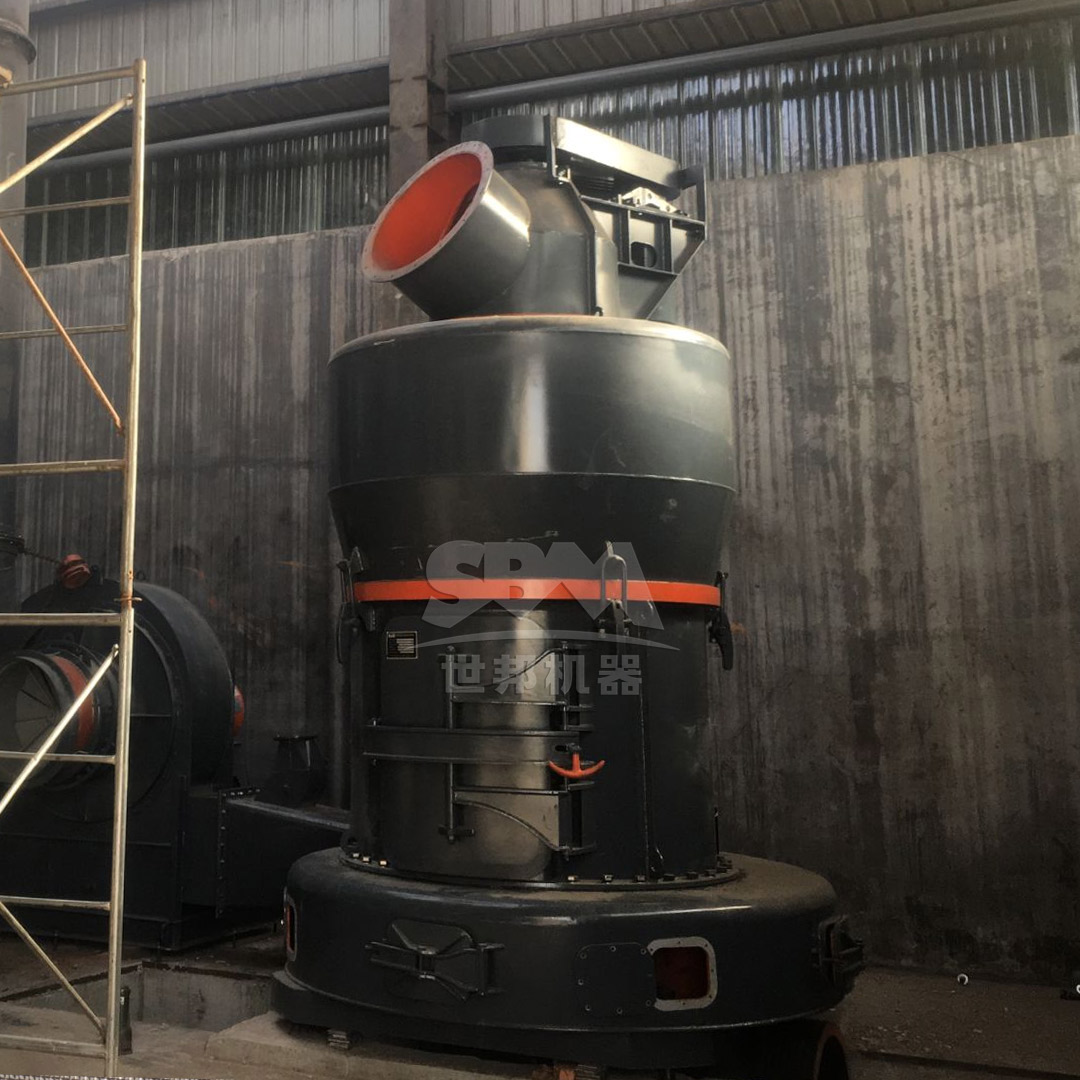
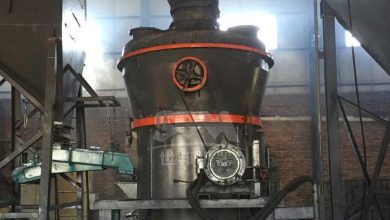
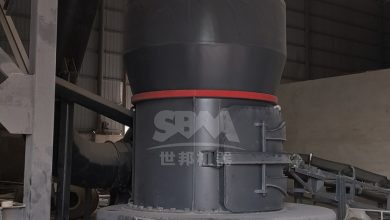
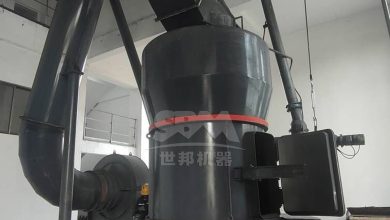
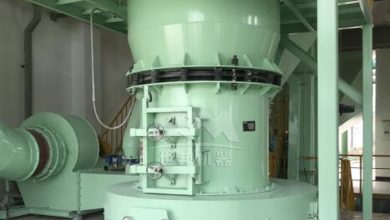
Our SCM Ultrafine Mill series offers exceptional performance for blood meal grinding applications. With output fineness ranging from 325-2500 mesh (D97≤5μm) and processing capacity of 0.5-25 tons per hour, these mills provide the precision required for high-quality blood meal production. The intelligent control system automatically monitors and adjusts product fineness, while the vertical turbine classifier ensures accurate particle size distribution without coarse powder contamination.
Quality Control and Nutritional Preservation
Maintaining nutritional quality throughout the production process is paramount. Key quality parameters include:
- Protein content analysis (typically 80-90%)
- Moisture content (should not exceed 10-12%)
- Ash content (indicative of mineral levels)
- Microbiological safety (total plate count, Salmonella testing)
- Amino acid profile preservation
Proper temperature control during drying is critical to prevent Maillard reactions, which can reduce protein digestibility and amino acid availability. Regular laboratory testing should be implemented at each production stage to ensure consistent product quality.
Storage and Handling Considerations
Processed blood meal requires proper storage conditions to maintain quality and prevent deterioration. Key storage guidelines include:
- Storage in cool, dry environments with temperature below 25°C
- Protection from direct sunlight and moisture
- Use of airtight containers or silos to prevent oxidation
- Regular inventory rotation to ensure product freshness
- Implementation of pest control measures
Blood meal has a typical shelf life of 6-12 months when stored under optimal conditions. Proper handling equipment, such as pneumatic conveying systems, helps maintain product integrity during transfer and loading operations.

Equipment Selection for Blood Meal Production
Choosing the right equipment is crucial for efficient blood meal production. The processing line typically includes coagulation tanks, dewatering presses, dryers, and grinding systems. For grinding operations, selecting appropriate milling equipment significantly impacts final product quality and production efficiency.
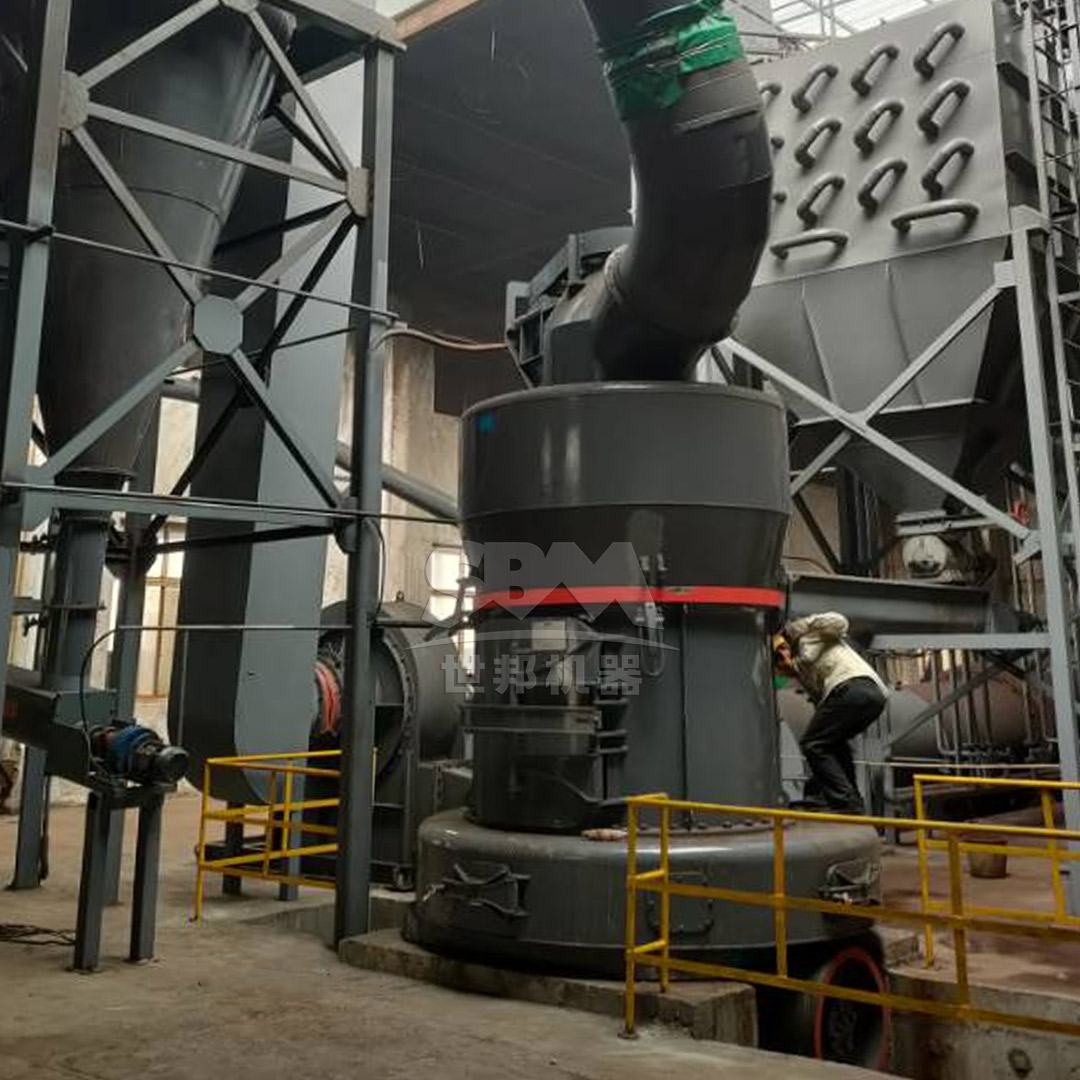
Our MTW Series Trapezium Mill provides an excellent solution for blood meal processing with output fineness of 30-325 mesh and capacity ranging from 3-45 tons per hour. The innovative wear-resistant shovel design reduces maintenance costs, while the curved air channel optimization minimizes energy loss and improves transmission efficiency. The integrated pulse dust collection system ensures environmental compliance with emissions exceeding international standards.
When selecting grinding equipment, consider the following factors:
- Required production capacity and scalability
- Target particle size distribution
- Energy efficiency and operating costs
- Maintenance requirements and component lifespan
- Environmental compliance and dust control
Economic Considerations and Market Outlook
The economic viability of blood meal production depends on several factors, including raw material costs, energy consumption, equipment investment, and market prices for the finished product. Modern, efficient processing equipment can significantly improve profitability through:
- Reduced energy consumption per ton of product
- Higher product quality commanding premium prices
- Lower maintenance costs and reduced downtime
- Increased production capacity meeting market demand
The global animal feed protein market continues to expand, with blood meal maintaining a significant share due to its high protein content and favorable amino acid profile. Emerging markets in Asia and Latin America present new opportunities for blood meal producers equipped with modern, efficient processing technology.
Environmental and Safety Compliance
Blood meal production facilities must adhere to strict environmental and safety regulations. Key considerations include:
- Wastewater management from cleaning operations
- Air emissions control, particularly odor management
- Worker safety protocols for equipment operation
- Product safety and traceability systems
- Energy efficiency and carbon footprint reduction
Modern processing equipment incorporates features that address these concerns, such as closed-system designs to minimize odor release, efficient dust collection systems, and energy-saving technologies that reduce environmental impact.
Conclusion
Successful blood meal production requires careful attention to each processing stage, from raw material collection to final packaging. Implementing modern, efficient equipment and strict quality control measures ensures a high-quality product that meets the nutritional needs of various animal species while maintaining economic viability.
Advances in processing technology, particularly in grinding and drying systems, continue to improve the efficiency and quality of blood meal production. By selecting appropriate equipment like our SCM Ultrafine Mill and MTW Series Trapezium Mill, producers can optimize their operations for maximum productivity and product quality, positioning themselves competitively in the growing animal feed ingredients market.