Efficient Processing of Ultra-Fine Steel Slag Powder with Advanced Vertical Roller Mill
Introduction
The steel industry generates substantial amounts of steel slag as a byproduct, presenting both environmental challenges and economic opportunities. Traditional processing methods often fall short in efficiently converting this industrial waste into valuable ultra-fine powder suitable for construction materials, cement production, and other industrial applications. The emergence of advanced vertical roller mill technology has revolutionized steel slag processing, offering unprecedented efficiency, precision, and environmental benefits.
Challenges in Steel Slag Processing
Steel slag possesses unique characteristics that complicate its processing into ultra-fine powder. Its high hardness, abrasive nature, and variable chemical composition demand robust equipment capable of withstanding extreme operating conditions. Conventional grinding systems often experience rapid wear, inconsistent product quality, and excessive energy consumption when processing steel slag. Furthermore, the requirement for precise particle size distribution in the final product adds another layer of complexity to the grinding process.
Vertical Roller Mill Technology: A Revolutionary Approach
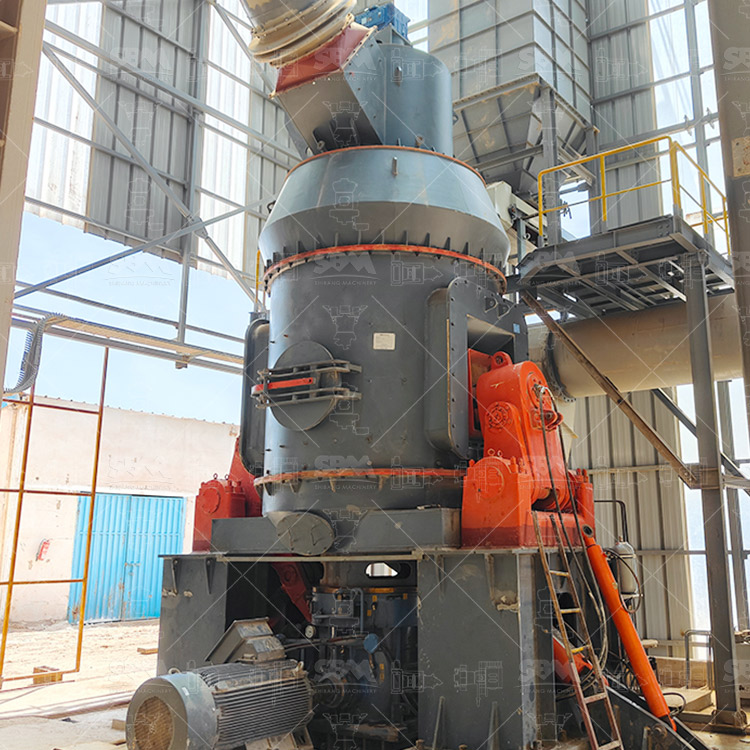
Vertical roller mills (VRMs) represent a significant advancement in comminution technology, particularly for challenging materials like steel slag. Unlike traditional ball mills that rely on impact and attrition between grinding media, VRMs utilize a bed compression principle where material is ground between a rotating table and stationary rollers. This fundamental difference in grinding mechanism offers several distinct advantages for steel slag processing.
Key Technological Advantages
The bed compression grinding mechanism of vertical roller mills provides superior energy efficiency compared to conventional systems. By applying pressure directly to the material bed rather than relying on random media collisions, VRMs achieve higher grinding efficiency with significantly lower specific energy consumption. Additionally, the integrated drying capability allows simultaneous grinding and drying of moist steel slag, eliminating the need for separate drying equipment and further reducing overall energy requirements.
Modern VRMs incorporate advanced classification systems that enable precise control over product fineness. The integration of high-efficiency separators ensures consistent particle size distribution, which is critical for applications requiring ultra-fine steel slag powder. The modular design of contemporary VRMs facilitates maintenance and replacement of wear parts, minimizing downtime and operational costs.
Recommended Solution: LM Series Vertical Roller Mill
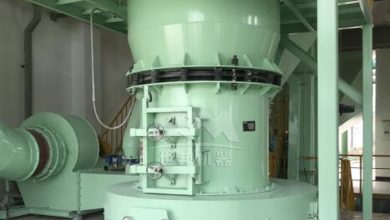
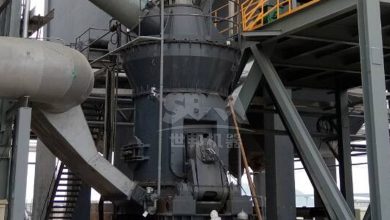
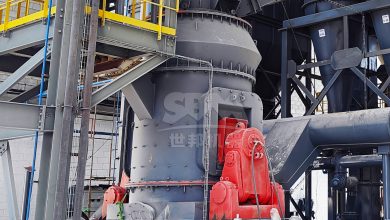
For steel slag processing applications requiring high capacity and superior efficiency, we recommend our LM Series Vertical Roller Mill. This advanced grinding system has been specifically engineered to handle the challenging characteristics of steel slag while delivering exceptional performance and reliability.
Technical Specifications and Capabilities
The LM Series Vertical Roller Mill accommodates feed sizes up to 50mm and produces finished powder ranging from 30 to 325 mesh, with special configurations capable of achieving 600 mesh fineness. With capacity ranging from 3 to 250 tons per hour depending on the specific model, this mill series offers scalability to match various production requirements. The compact, integrated design reduces footprint by up to 50% compared to traditional grinding systems and allows for outdoor installation, significantly reducing civil engineering costs.
Performance Advantages for Steel Slag
The LM Series demonstrates remarkable efficiency in steel slag processing, achieving 30-40% lower energy consumption compared to ball mill systems. The non-contact design between grinding rollers and the table extends wear part life up to three times, dramatically reducing maintenance requirements and operational costs. Advanced automatic control systems enable both remote and local operation, with real-time monitoring of critical parameters to minimize manual intervention and ensure consistent product quality.
Specialized Application: LM Vertical Slag Mill Series
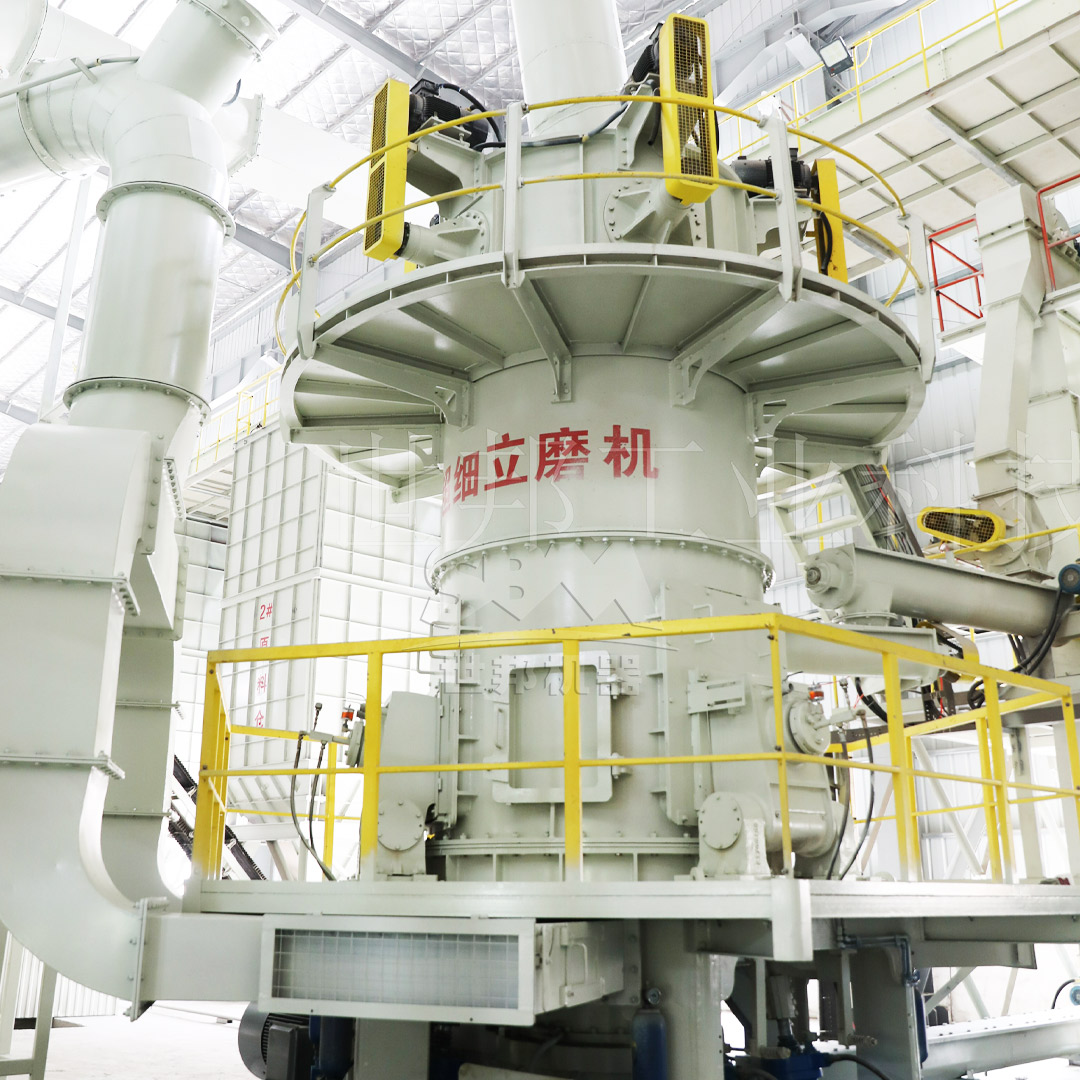
For operations specifically focused on steel slag processing, our dedicated LM Vertical Slag Mill series offers optimized performance. These specialized mills handle steel slag with moisture content up to 15% and produce powder with specific surface area exceeding 420 m²/kg while maintaining output moisture below 1%. The series includes multiple models with capacities ranging from 4-6 tons per hour for the LM130N to 90-110 tons per hour for the LM370N, ensuring an appropriate solution for operations of any scale.
Complementary Technology: SCM Ultrafine Mill
For applications requiring the finest steel slag powders, our SCM Ultrafine Mill provides exceptional capabilities in the 325-2500 mesh range (D97≤5μm). This advanced grinding system handles feed material up to 20mm and achieves production rates from 0.5 to 25 tons per hour across different models. The SCM series incorporates a vertical turbine classifier that ensures precise particle size control without coarse powder contamination, delivering consistently uniform product quality.
Efficiency and Environmental Performance
The SCM Ultrafine Mill demonstrates remarkable energy efficiency, delivering twice the capacity of jet mills while reducing energy consumption by 30%. Intelligent control systems automatically monitor and adjust for consistent product fineness. Environmental performance is equally impressive, with pulse dust collection efficiency exceeding international standards and noise levels maintained below 75dB through integrated acoustic enclosures.
Operational Considerations for Steel Slag Processing
Successful implementation of vertical roller mill technology for steel slag processing requires attention to several operational factors. Pre-crushing to appropriate feed size, moisture control, and proper system configuration are essential for optimal performance. The abrasive nature of steel slag necessitates careful selection of wear-resistant materials for grinding components, while the variable composition may require adjustments to operational parameters to maintain consistent product quality.
Economic and Environmental Benefits
The adoption of advanced vertical roller mill technology for steel slag processing delivers substantial economic and environmental advantages. The significantly higher energy efficiency translates to lower operating costs, while the superior product quality commands premium pricing in the market. From an environmental perspective, the conversion of steel slag from waste to valuable product reduces landfill requirements and associated environmental impacts. The clean, enclosed operation of modern VRMs ensures compliance with stringent environmental regulations regarding dust emissions and noise pollution.
Case Study: Implementation Results
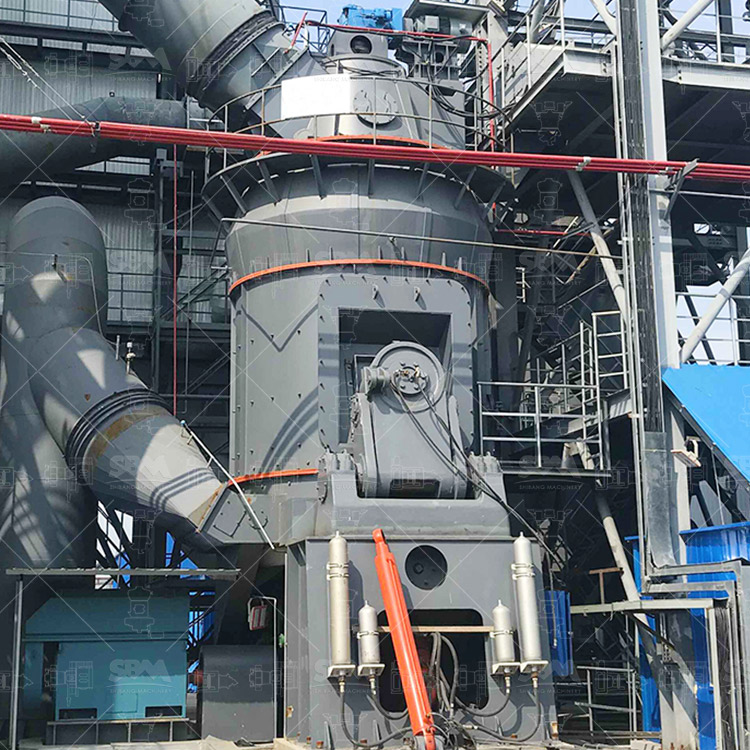
Multiple installations of LM Series Vertical Roller Mills in steel slag processing applications have demonstrated consistent performance improvements. One facility reported a 35% reduction in specific energy consumption compared to their previous ball mill system, along with a 45% increase in production capacity. Product quality showed significant improvement, with tighter particle size distribution and more consistent performance in downstream applications. Maintenance requirements decreased substantially, with wear part replacement intervals extending from every 3-4 months to over 12 months of continuous operation.
Future Trends and Developments
The future of steel slag processing continues to evolve with advancements in vertical roller mill technology. Ongoing research focuses on further improving energy efficiency through optimized grinding geometries and advanced control algorithms. Developments in wear-resistant materials promise extended component life in abrasive applications, while digitalization and Industry 4.0 integration enable predictive maintenance and optimized operation through real-time data analysis and machine learning.
Conclusion
Advanced vertical roller mill technology represents the state-of-the-art in steel slag processing, offering unparalleled efficiency, product quality, and operational reliability. Our LM Series Vertical Roller Mill and SCM Ultrafine Mill provide comprehensive solutions for operations ranging from large-scale production to specialized ultra-fine applications. By transforming steel slag from an industrial waste product into a valuable resource, these advanced grinding systems contribute to both economic prosperity and environmental sustainability in the steel industry.