Can Raymond Mill Process Putty Powder?
Introduction: Understanding Putty Powder Processing Requirements
Putty powder, also known as wall putty or finishing putty, is a crucial construction material used for wall leveling and surface preparation before painting. The quality of putty powder directly depends on the fineness and uniformity of its constituent materials, primarily calcium carbonate, talc, and other mineral fillers. To achieve the desired smooth finish and excellent adhesion properties, these materials must be ground to extremely fine particle sizes, typically ranging from 325 mesh to 1250 mesh (approximately 45-10 microns). This raises the important question: can traditional Raymond mill technology effectively process materials to meet these stringent requirements for high-quality putty powder production?
The Technical Challenges of Putty Powder Grinding
Processing materials for putty powder presents several significant challenges that not all grinding equipment can adequately address. First and foremost is the requirement for consistent ultra-fine particle size distribution. Putty powder with uneven particle size will result in poor workability, surface imperfections, and reduced coverage area. Secondly, the grinding process must maintain the chemical properties of the raw materials, as excessive heat generation during milling can alter material characteristics and reduce product quality. Additionally, energy efficiency has become increasingly important in today’s competitive market, where operational costs directly impact profitability. Finally, environmental considerations such as dust control and noise pollution must be addressed to meet modern manufacturing standards.
Traditional Raymond Mill Limitations
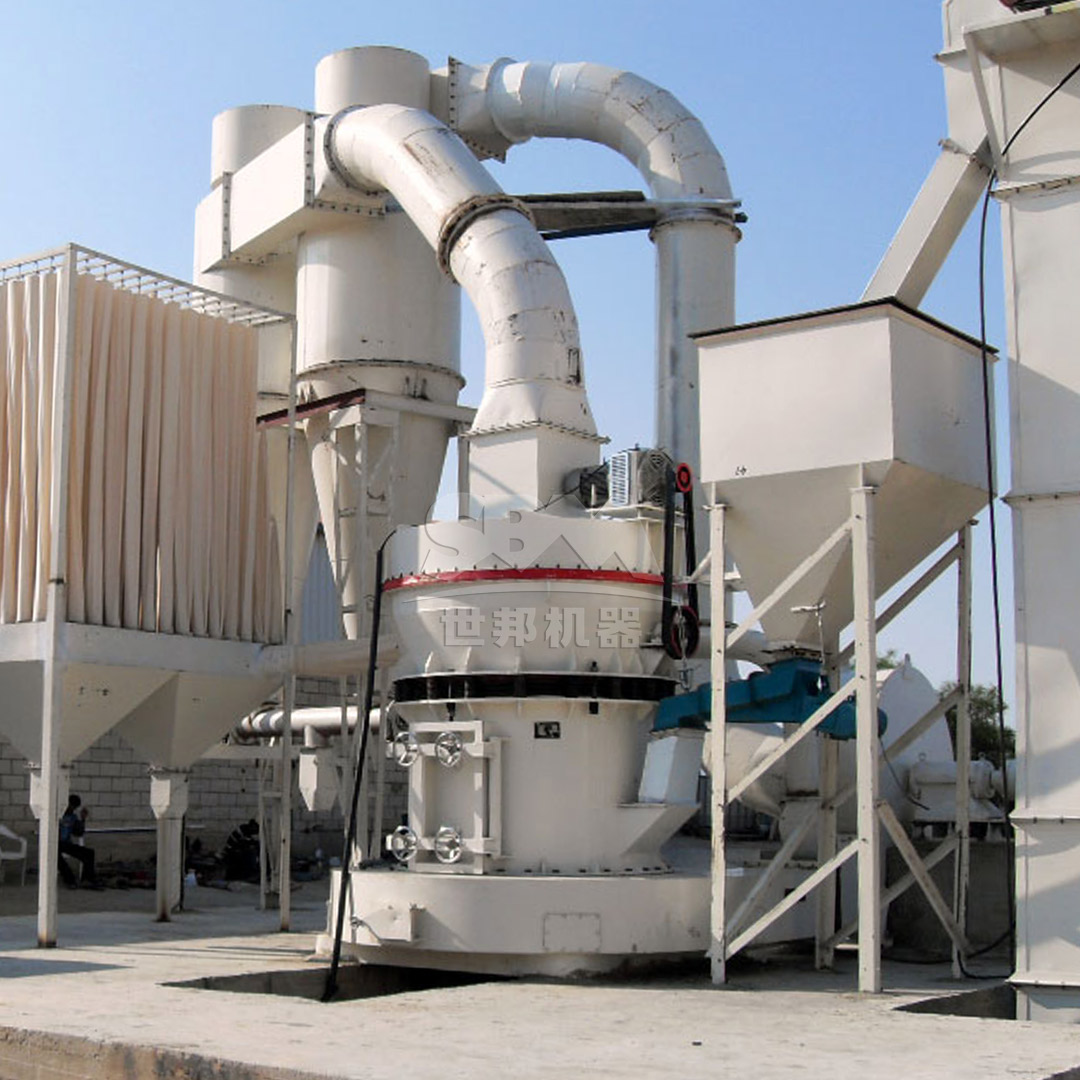
Conventional Raymond mill systems, while effective for many industrial grinding applications, face limitations when processing materials for high-quality putty powder. The primary constraint lies in their maximum achievable fineness. Standard Raymond mills typically produce powders in the range of 80-400 mesh (180-38 microns), which falls short of the finer specifications required for premium putty powder. Furthermore, the particle size distribution from traditional mills may not be sufficiently narrow, leading to inconsistent product quality. Energy consumption relative to output also becomes less favorable when pushing these systems beyond their designed capabilities. The mechanical design of older Raymond mill models also presents challenges in maintaining consistent fineness as grinding components wear over time.
Advanced Milling Solutions for Putty Powder Production
Modern grinding technology has evolved significantly to address the specific requirements of putty powder production. Advanced milling systems now incorporate precision classification systems that enable much finer and more consistent particle size control. Improved grinding mechanisms reduce heat generation, preserving material properties while achieving superior fineness. Energy efficiency has been dramatically enhanced through optimized mechanical designs and intelligent control systems that adjust operational parameters in real-time based on material characteristics and desired output specifications.
SCM Ultrafine Mill: The Ideal Solution for High-Quality Putty Powder
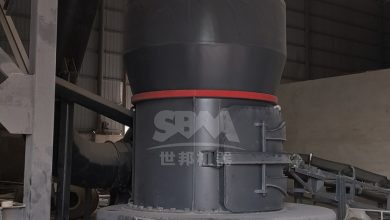
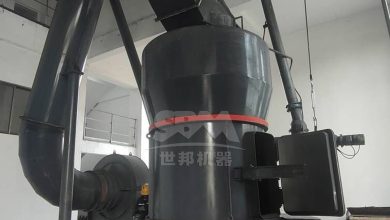
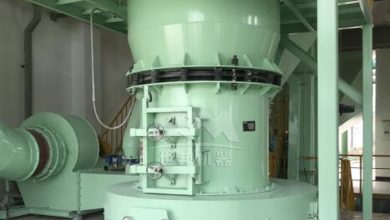
For putty powder manufacturers seeking to produce premium products with consistent quality, our SCM Series Ultrafine Mill represents the optimal solution. This advanced grinding system specifically addresses the limitations of traditional Raymond mills while offering significant advantages for putty powder production:
The SCM Ultrafine Mill achieves an exceptional output fineness range of 325-2500 mesh (45-5μm), comfortably exceeding the requirements for even the most demanding putty powder applications. With processing capacities from 0.5 to 25 tons per hour depending on model selection, it suits operations of various scales. The mill’s intelligent control system automatically maintains consistent product quality by continuously monitoring and adjusting operational parameters.
Key technical advantages include:
- Superior Energy Efficiency: The SCM Ultrafine Mill delivers twice the capacity of jet mills while reducing energy consumption by 30%, significantly lowering production costs.
- Precision Classification: Its vertical turbine classifier ensures precise particle size cuts with no coarse powder contamination, guaranteeing uniform product quality batch after batch.
- Enhanced Durability: Specially manufactured roller and grinding ring materials extend service life multiple times compared to conventional components.
- Environmental Compliance: Pulse dust collection efficiency exceeds international standards, while soundproofing design maintains noise levels below 75dB.
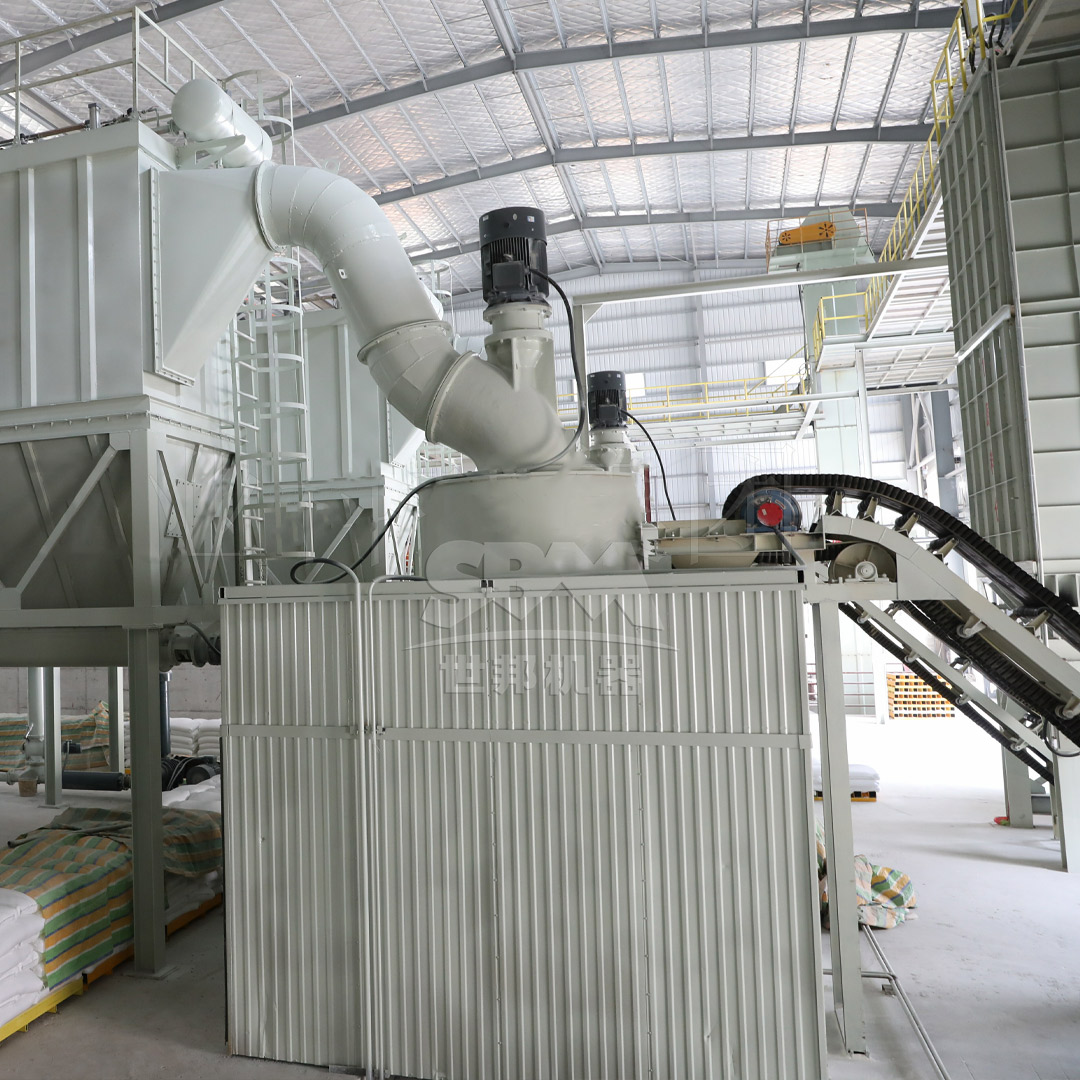
The working principle involves a main motor driving multiple grinding rings in layers. Material is dispersed into the grinding path by centrifugal force, undergoing progressive compression and grinding before final collection through a cyclone collector and pulse dust removal system. This multi-stage approach ensures gentle yet efficient processing that preserves material properties while achieving exceptional fineness.
MTW Series Trapezium Mill: High-Capacity Putty Powder Production
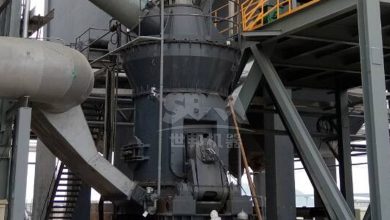
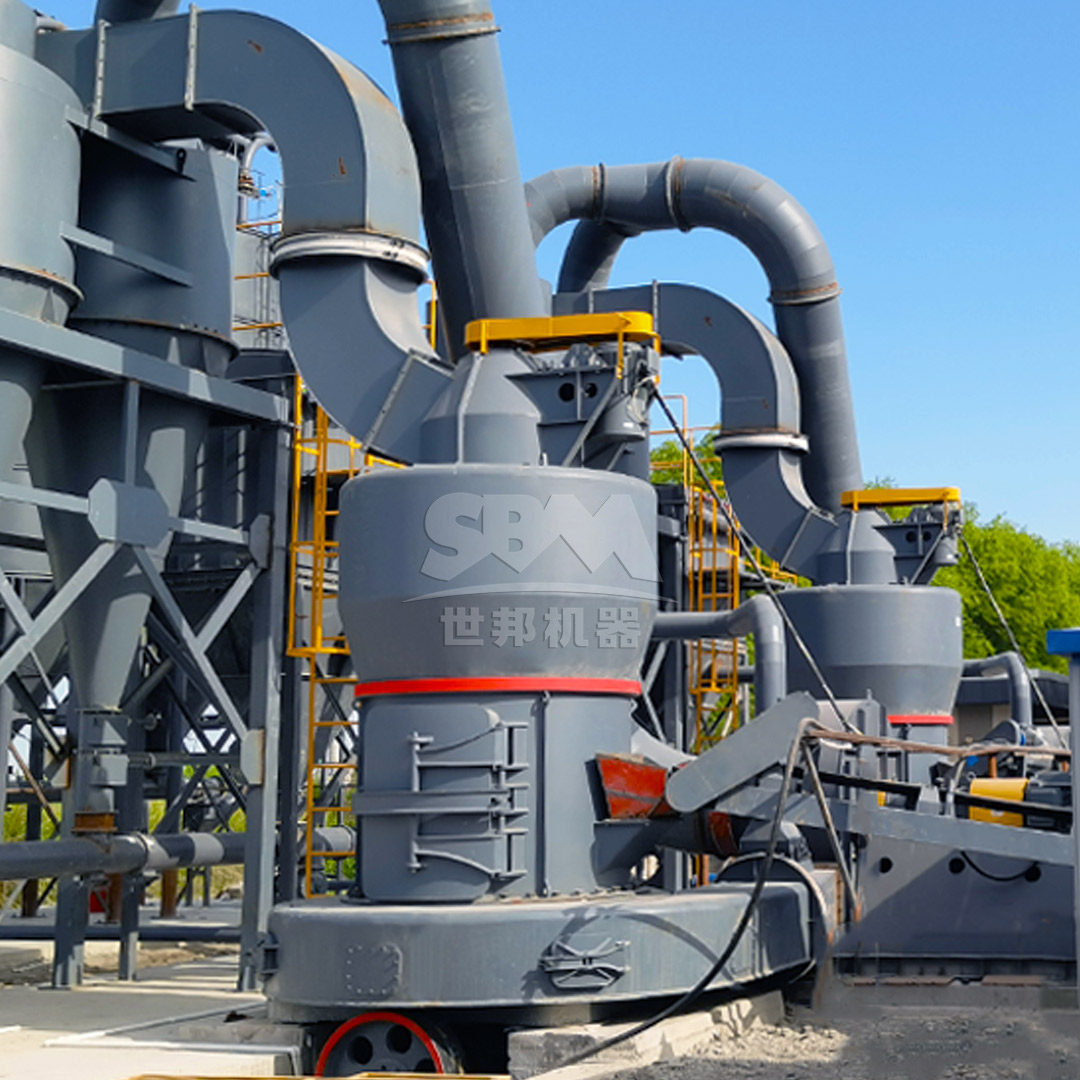
For larger-scale putty powder manufacturing operations, our MTW Series Trapezium Mill offers an outstanding balance of capacity and precision. With processing capabilities ranging from 3 to 45 tons per hour and output fineness from 30-325 mesh (600-45μm), this robust system delivers consistent performance for high-volume production environments.
The MTW Series incorporates several advanced features specifically beneficial for putty powder applications:
- Anti-Wear Shovel Design: Combined shovel segments reduce maintenance costs while curved surface design extends grinding roller lifespan.
- Optimized Air Channel:- Curved air channel design minimizes airflow resistance, improving transmission efficiency with reinforced protective plates.
- Efficient Drive System: Bevel gear integrated transmission achieves 98% drive efficiency while saving space and installation costs.
- Durable Housing Structure: Wear-resistant蜗壳design with non-blocking airflow path improves air classification efficiency.
In operation, the main motor drives grinding rollers to revolve around the central axis while rotating themselves to generate centrifugal force. Shovels feed material between the grinding ring and rollers where layer-by-layer compression achieves efficient crushing. The integrated classification system precisely controls final product fineness.
Technical Comparison: Selecting the Right Mill for Your Putty Powder Needs
Choosing between the SCM Ultrafine Mill and MTW Series Trapezium Mill depends on specific production requirements. For manufacturers focusing on premium-grade putty powders requiring the finest particle sizes (up to 2500 mesh), the SCM Series delivers unparalleled performance. Its precision classification system and ultra-fine grinding capability make it ideal for high-value products where superior finish quality commands market premiums.
For operations prioritizing high-volume production of standard-grade putty powders, the MTW Series offers exceptional efficiency and reliability. Its robust construction and higher capacity ranges make it suitable for large-scale manufacturing facilities supplying broader markets. The MTW Series particularly excels when processing raw materials with slightly larger initial particle sizes, thanks to its generous 50mm maximum feed size.
Operational Considerations for Putty Powder Mills
Successful putty powder production requires attention to several operational factors beyond equipment selection. Proper raw material preparation is essential, including adequate drying to optimal moisture levels before grinding. Material handling systems must be designed to maintain consistent feed rates, as fluctuations can impact product uniformity. Regular maintenance schedules should be established based on operating hours and material abrasiveness, with particular attention to wear parts like grinding rollers and rings. Dust collection systems must be properly sized and maintained to ensure both product recovery and environmental compliance.
Economic Analysis: ROI of Advanced Milling Technology
Investing in advanced grinding technology for putty powder production delivers compelling economic benefits. The significantly higher energy efficiency of modern mills like the SCM and MTW series translates to substantial operational cost savings, typically achieving payback periods of 12-24 months through reduced electricity consumption alone. Additional savings accrue from reduced maintenance requirements and longer component life. Perhaps most importantly, the ability to produce higher-value premium-grade products commands better market prices and profit margins. When calculating return on investment, manufacturers should consider both the direct operational savings and the revenue enhancement opportunities enabled by superior product quality.
Conclusion: The Future of Putty Powder Processing
While traditional Raymond mills played an important historical role in mineral processing, contemporary putty powder production demands the advanced capabilities of modern grinding systems like the SCM Ultrafine Mill and MTW Series Trapezium Mill. These technologies not only overcome the limitations of earlier equipment but also deliver significant advantages in product quality, operational efficiency, and environmental performance. As market expectations for putty powder continue to rise, manufacturers who invest in appropriate grinding technology will be best positioned to compete effectively and profitably in an increasingly demanding marketplace.