Which Graphite Grinding Mill is the Best Choice for Your Needs?
Introduction to Graphite Grinding Requirements
Graphite, with its unique layered structure and excellent electrical and thermal conductivity, has become an indispensable material in numerous industries including lithium-ion batteries, refractories, lubricants, and advanced composites. However, processing graphite to achieve the desired particle size distribution presents significant challenges that require specialized grinding equipment. The selection of an appropriate graphite grinding mill is crucial for achieving optimal product quality, energy efficiency, and operational economics.
Graphite’s flaky structure and lubricating properties make it particularly challenging to grind to fine and ultra-fine sizes. Traditional grinding methods often result in inefficient particle size reduction, excessive energy consumption, and contamination issues. Furthermore, different applications demand specific particle size distributions – from coarse flakes for refractories to sub-micron particles for conductive additives in batteries.
This comprehensive guide examines the key factors to consider when selecting a graphite grinding mill and provides detailed analysis of various grinding technologies suitable for graphite processing operations.
Key Considerations for Graphite Grinding Mill Selection
Particle Size Requirements
The required final product fineness is arguably the most critical factor in mill selection. Graphite applications span a wide range of particle sizes:
- Coarse Grinding (45-325 mesh): Suitable for foundry facings, lubricants, and refractories
- Fine Grinding (325-1250 mesh): Used in pencils, batteries, and expanded graphite
- Ultra-fine Grinding (1250-2500+ mesh): Essential for conductive coatings, high-performance composites, and advanced battery materials
The grinding mill must consistently produce the target particle size distribution with minimal oversize or undersize fractions. Equipment with precise classification systems is essential for maintaining tight particle size control.
Production Capacity
Your required throughput directly influences mill selection. Small-scale operations (under 1 ton/hour) may benefit from compact systems, while large-scale production facilities (over 10 tons/hour) require heavy-duty industrial grinding mills. It’s important to consider both current requirements and future expansion plans when selecting equipment capacity.
Energy Efficiency
Grinding operations typically account for a significant portion of total production costs. Energy-efficient mills can reduce operational expenses by 20-40% compared to conventional equipment. Modern grinding technologies incorporate advanced design features that minimize energy consumption while maximizing throughput.
Contamination Control
Graphite’s purity is critical for many applications, particularly in electronics and battery manufacturing. The grinding process must minimize contamination from wear parts and external sources. Mills constructed with specialized wear-resistant materials and designed for easy cleaning between product changes are essential for high-purity applications.
Operational and Maintenance Considerations
Reliability, ease of maintenance, and operational simplicity significantly impact overall productivity and cost-effectiveness. Equipment with accessible wear parts, automated control systems, and minimal downtime for maintenance provides substantial advantages in continuous production environments.
Types of Graphite Grinding Mills
Ultra-fine Grinding Mills
For applications requiring particle sizes below 10 microns, ultra-fine grinding mills offer the precision and control necessary for high-value graphite products. These mills typically incorporate advanced classification systems that separate particles based on size, ensuring consistent product quality.
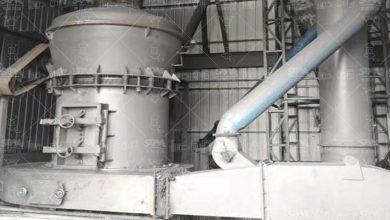
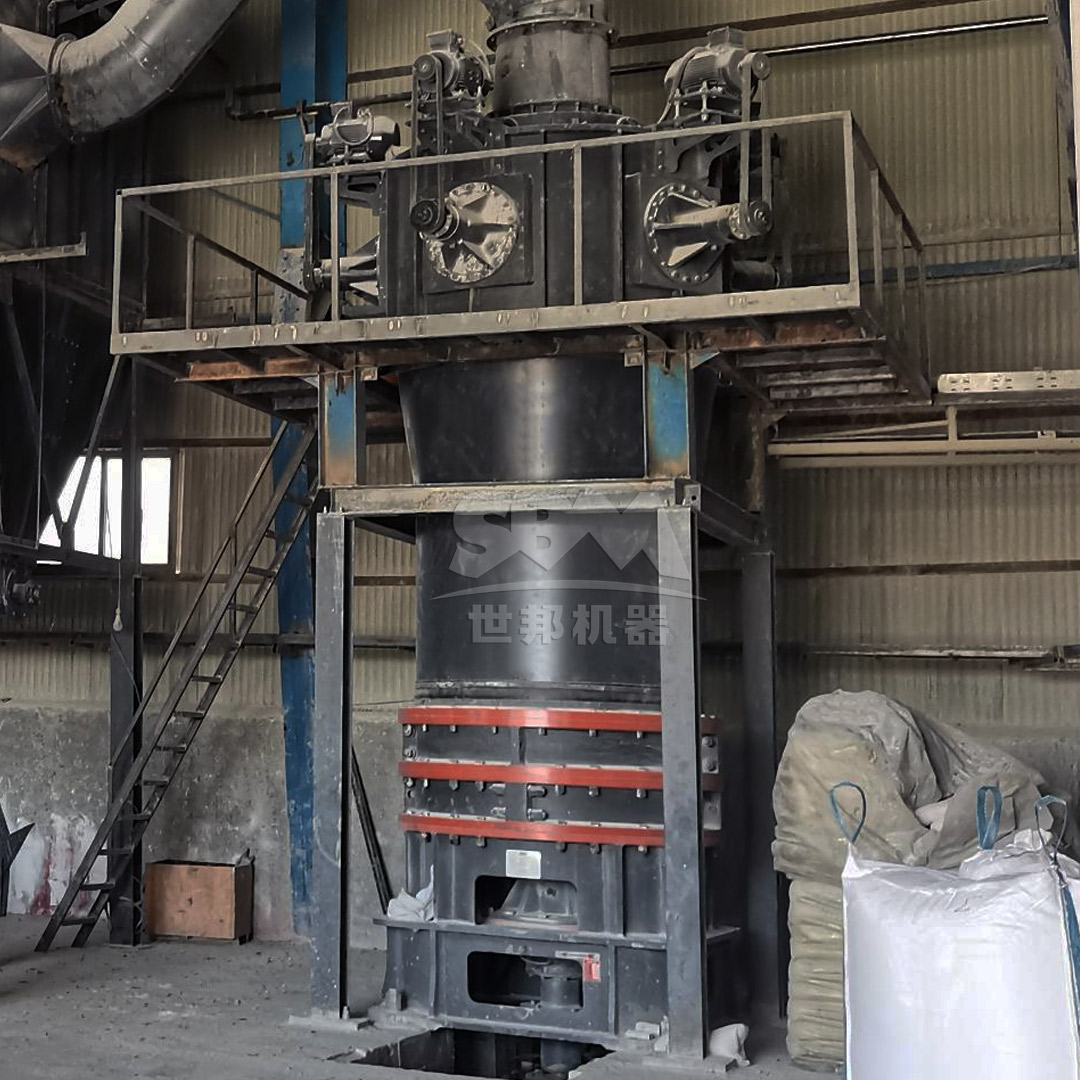
Our SCM Ultrafine Mill represents the pinnacle of ultra-fine grinding technology for graphite processing. With an output fineness range of 325-2500 mesh (D97≤5μm) and capacity from 0.5 to 25 tons per hour depending on model, this mill delivers exceptional performance for the most demanding graphite applications.
The SCM series incorporates several technological advantages specifically beneficial for graphite grinding:
- High-efficiency grinding system that consumes 30% less energy compared to conventional jet mills while delivering twice the production capacity
- Vertical turbine classifier that ensures precise particle size cuts with no coarse powder contamination
- Specialized wear materials for grinding rollers and rings that extend service life multiple times over standard components
- Advanced dust collection with pulse jet dust collectors that exceed international environmental standards
- Low-noise operation at ≤75dB through integrated soundproofing technology
The working principle involves a main motor driving multiple grinding rings in layers. Material is dispersed into the grinding path by centrifugal force, undergoes progressive compression grinding through multiple layers, and is finally collected by a cyclone separator and pulse dust collection system. This multi-stage approach ensures uniform particle size distribution and high collection efficiency.
Vertical Roller Mills
Vertical roller mills provide an excellent solution for medium to high capacity graphite grinding operations. Their compact design and high grinding efficiency make them suitable for both standalone operations and integrated production lines.
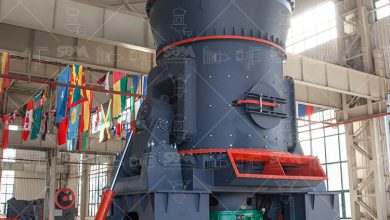
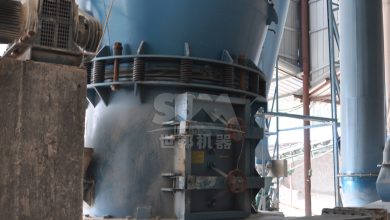
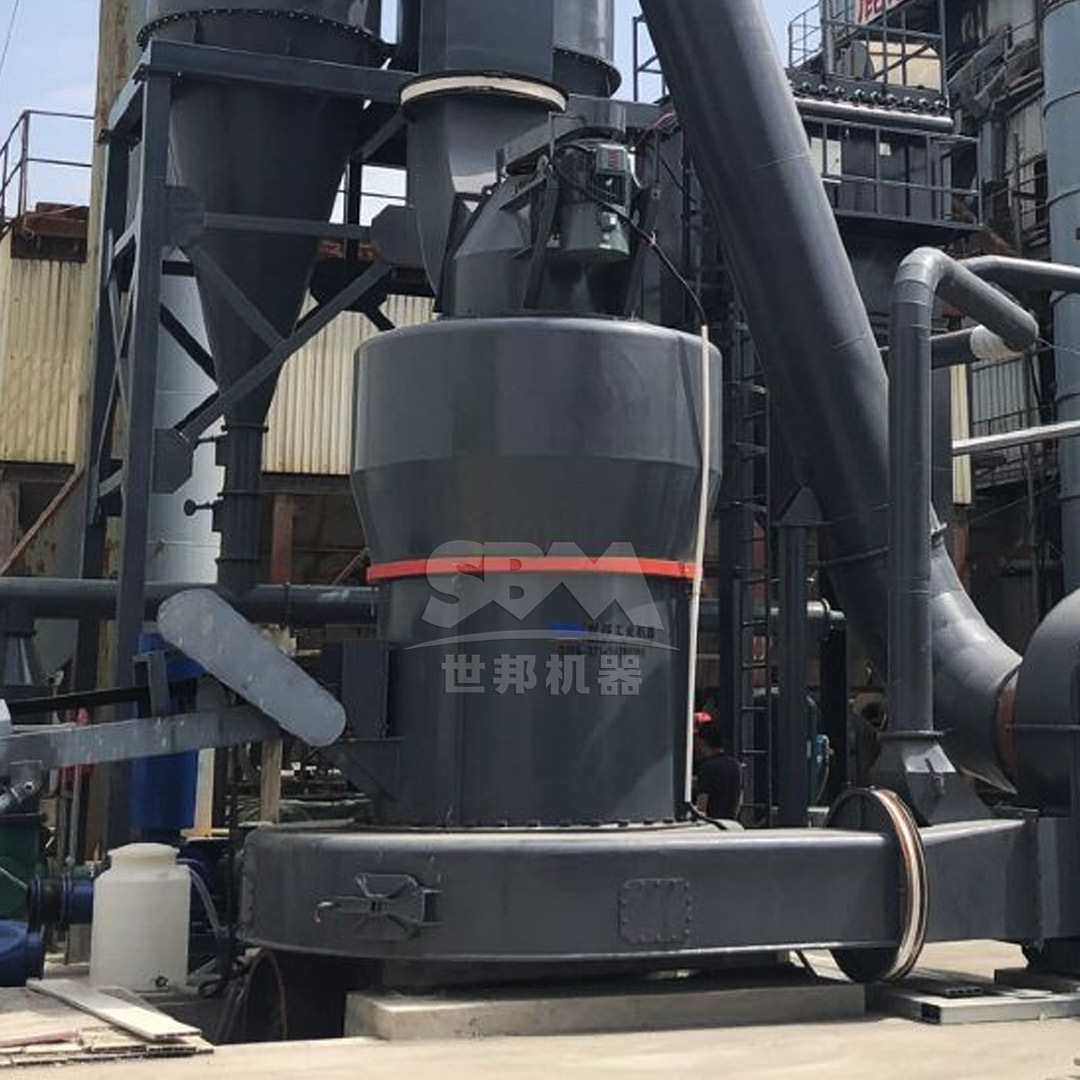
Our LM Series Vertical Roller Mill offers outstanding performance for graphite processing with output fineness from 30-325 mesh (special models up to 600 mesh) and capacities ranging from 3 to 250 tons per hour. The integrated design combines crushing, grinding, and separation functions in a single compact unit, reducing footprint requirements by 50% compared to traditional grinding systems.
Key advantages of the LM series for graphite applications include:
- Integrated system design that reduces civil engineering costs by 40% with potential for outdoor installation
- Low operating costs with 30-40% lower energy consumption compared to ball mill systems
- Non-contact grinding design that extends wear part life up to three times
- Intelligent control system with expert automation supporting remote/local operation switching
- Environmental compliance with fully sealed negative pressure operation and dust emissions <20mg/m³
The working principle involves the main motor driving the grinding table through a reducer. Material enters through the central feed chute and spreads uniformly under centrifugal force. Grinding rollers apply compression force to achieve bed comminution, with qualified fine powder carried by hot air to the classifier while coarse material returns to the grinding table for further processing.
Trapezium Mills
For operations requiring medium-fine graphite powders, trapezium mills offer a robust and cost-effective solution. These mills balance production capacity, energy efficiency, and product quality for a wide range of graphite applications.
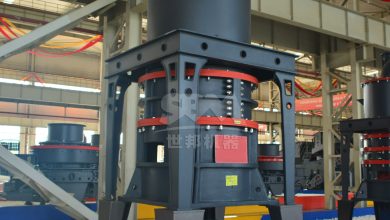
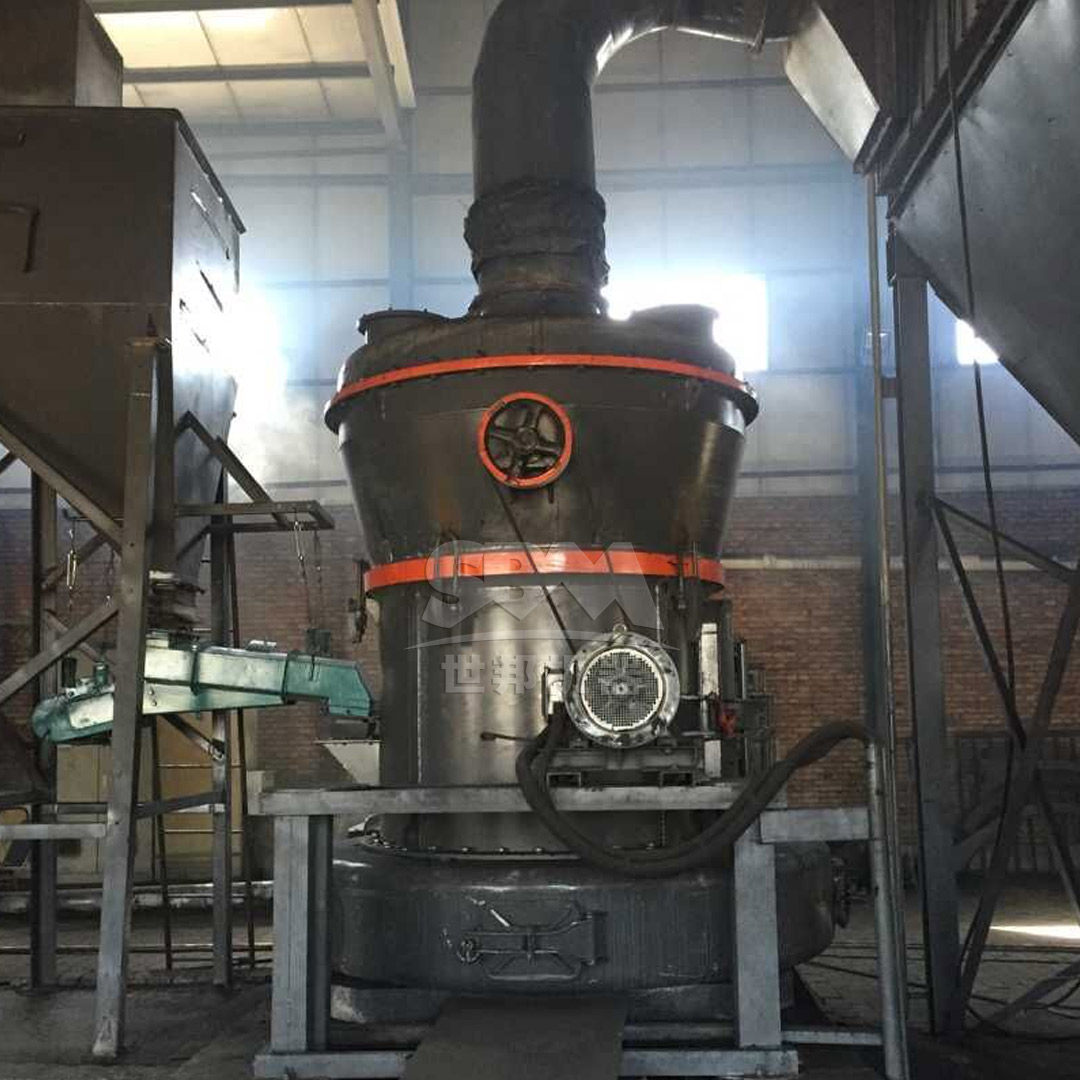
Our MTW Series Trapezium Mill processes graphite with input sizes up to 50mm and delivers output fineness from 30-325 mesh (down to 0.038mm) at capacities from 3 to 45 tons per hour. This mill incorporates several patented technologies that enhance its performance for graphite grinding:
- Anti-wear shovel blade design with combined blade segments that reduce maintenance costs
- Curved air channel optimization that reduces air flow energy loss and improves transmission efficiency
- Bevel gear integral transmission with 98% transmission efficiency
- Wear-resistant volute structure that improves air classification efficiency
The grinding process involves the main motor driving grinding rollers to revolve around the central axis while rotating themselves to generate centrifugal force. Shovel blades throw material between the grinding ring and rollers to form a material layer, achieving efficient crushing through compression, with the classification system precisely controlling final particle size.
Ball Mills
While traditional, ball mills remain relevant for certain graphite applications, particularly where cost considerations outweigh the need for the finest particle sizes. Modern ball mills have evolved to offer improved efficiency and reliability.
Our Ball Mill series handles graphite with input sizes up to 25mm and produces output fineness from 0.074-0.8mm at capacities ranging from 0.65 to 450 tons per hour. The versatility of dry/wet operation modes makes these mills suitable for various graphite processing requirements.
Key features include:
- Wide applicability for both powder preparation and mineral processing across multiple industries
- High reduction ratio up to 300:1 with continuously adjustable fineness
- Large capacity design with maximum effective volume of 79m³ supporting large-scale continuous production
- Proven reliability with mature technical solutions reducing failure downtime by 40%
Comparative Analysis of Graphite Grinding Technologies
Performance Comparison
When selecting a graphite grinding mill, understanding the relative performance characteristics of different technologies is essential. The following comparison highlights key differences:
| Mill Type | Optimal Fineness Range | Energy Efficiency | Capital Cost | Operating Cost | Maintenance Requirements |
|---|---|---|---|---|---|
| Ultra-fine Mills | 325-2500 mesh | High | High | Medium | Medium |
| Vertical Roller Mills | 30-600 mesh | Very High | Medium-High | Low | Low |
| Trapezium Mills | 30-325 mesh | High | Medium | Medium | Medium |
| Ball Mills | 20-200 mesh | Medium | Low-Medium | High | High |
Application-Specific Recommendations
Different graphite applications benefit from specific grinding technologies:
Battery Anode Materials: For lithium-ion battery applications where particle size distribution critically impacts performance, our SCM Ultrafine Mill provides the precise control necessary for consistent product quality. The ability to achieve D97≤5μm with tight distribution curves makes it ideal for this demanding application.
Conductive Additives: Graphite used as conductive additives in plastics and coatings requires specific surface area control. The LM Series Vertical Roller Mill offers excellent capabilities for producing materials with controlled particle morphology and surface characteristics.
Refractories and Foundry: For coarser graphite applications where cost-effectiveness is paramount, the MTW Series Trapezium Mill provides an optimal balance of performance and economics.
Large-Scale Industrial Applications: Operations requiring high throughput of medium-fine graphite powders benefit from the LM Series Vertical Roller Mills with their high capacity and energy efficiency.
Technical Considerations for Optimal Graphite Grinding
Feed Preparation
Proper preparation of graphite feed material significantly impacts grinding efficiency and product quality. Key considerations include:
- Feed size reduction: Pre-crushing to appropriate sizes improves grinding efficiency and reduces wear
- Moisture control: Optimal moisture content (typically 1-3%) prevents agglomeration and improves flow characteristics
- Feed rate consistency: Stable, controlled feeding prevents mill overload and ensures consistent product quality
Classification Systems
Advanced classification is particularly important for graphite grinding due to the material’s flaky morphology and wide particle size distribution in natural states. Modern mills incorporate dynamic classifiers that provide:
- Precise cut points for tight particle size distributions
- Adjustable parameters for product flexibility
- High efficiency with minimal coarse particle contamination
- Integration with grinding chamber for optimized system performance
Wear Protection
Graphite’s abrasive nature necessitates robust wear protection in grinding systems. Advanced solutions include:
- Specialized alloy materials for high-wear components
- Ceramic linings for critical areas subject to extreme abrasion
- Modular design for quick replacement of wear parts
- Hardfacing technologies that extend component life
Making the Right Choice for Your Operation
Selecting the optimal graphite grinding mill requires careful consideration of multiple factors specific to your operation:
For ultra-fine graphite production with stringent quality requirements, our SCM Ultrafine Mill delivers unparalleled performance with its advanced classification system and energy-efficient design. The vertical turbine classifier ensures precise particle size control, while the specialized wear materials provide extended service life in demanding applications.
For high-capacity operations requiring medium to fine graphite powders, the LM Series Vertical Roller Mill offers exceptional efficiency and reliability. The integrated design reduces space requirements and installation costs, while the intelligent control system minimizes operational complexity.
For cost-sensitive applications where production economics are paramount, the MTW Series Trapezium Mill provides excellent value with its balanced performance characteristics and robust construction.
Ultimately, the best choice depends on your specific product requirements, production scale, quality standards, and economic considerations. Our technical team can provide detailed recommendations based on your specific graphite processing needs, ensuring you select equipment that delivers optimal performance and return on investment.
Conclusion
Graphite grinding presents unique challenges that require specialized milling equipment for optimal results. The selection of an appropriate grinding system significantly impacts product quality, production efficiency, and operational economics. Modern grinding technologies offer substantial advantages over traditional methods, with advanced classification systems, improved energy efficiency, and enhanced operational reliability.
Whether your requirements call for ultra-fine powders for advanced battery materials or cost-effective production of coarse graphite for industrial applications, the right grinding technology can transform your operation. By carefully matching your specific needs with the appropriate grinding solution, you can achieve superior product quality while optimizing production costs.
For operations demanding the finest graphite powders with precise particle size control, our SCM Ultrafine Mill stands as the premier choice, delivering exceptional performance across a wide range of production capacities. For high-volume applications requiring excellent efficiency and reliability, the LM Series Vertical Roller Mill provides an outstanding solution that balances performance with operational economics.