What Type of Grinding Mill is Used for Calcium Powder Processing? Find Calcium Powder Mills Here
Introduction to Calcium Powder Processing
Calcium carbonate powder is one of the most widely used industrial minerals, with applications spanning plastics, paints, coatings, paper, pharmaceuticals, food, and construction. The quality and properties of calcium powder are heavily dependent on the grinding technology employed during processing. Selecting the right grinding mill is crucial for achieving the desired particle size distribution, brightness, and chemical purity required by various industries.
The processing of calcium carbonate begins with extracted limestone or marble, which undergoes primary crushing to reduce the raw material to manageable sizes. Subsequent grinding stages then transform these crushed materials into fine powders with specific particle size distributions. The choice of grinding equipment directly impacts production efficiency, energy consumption, and final product quality.
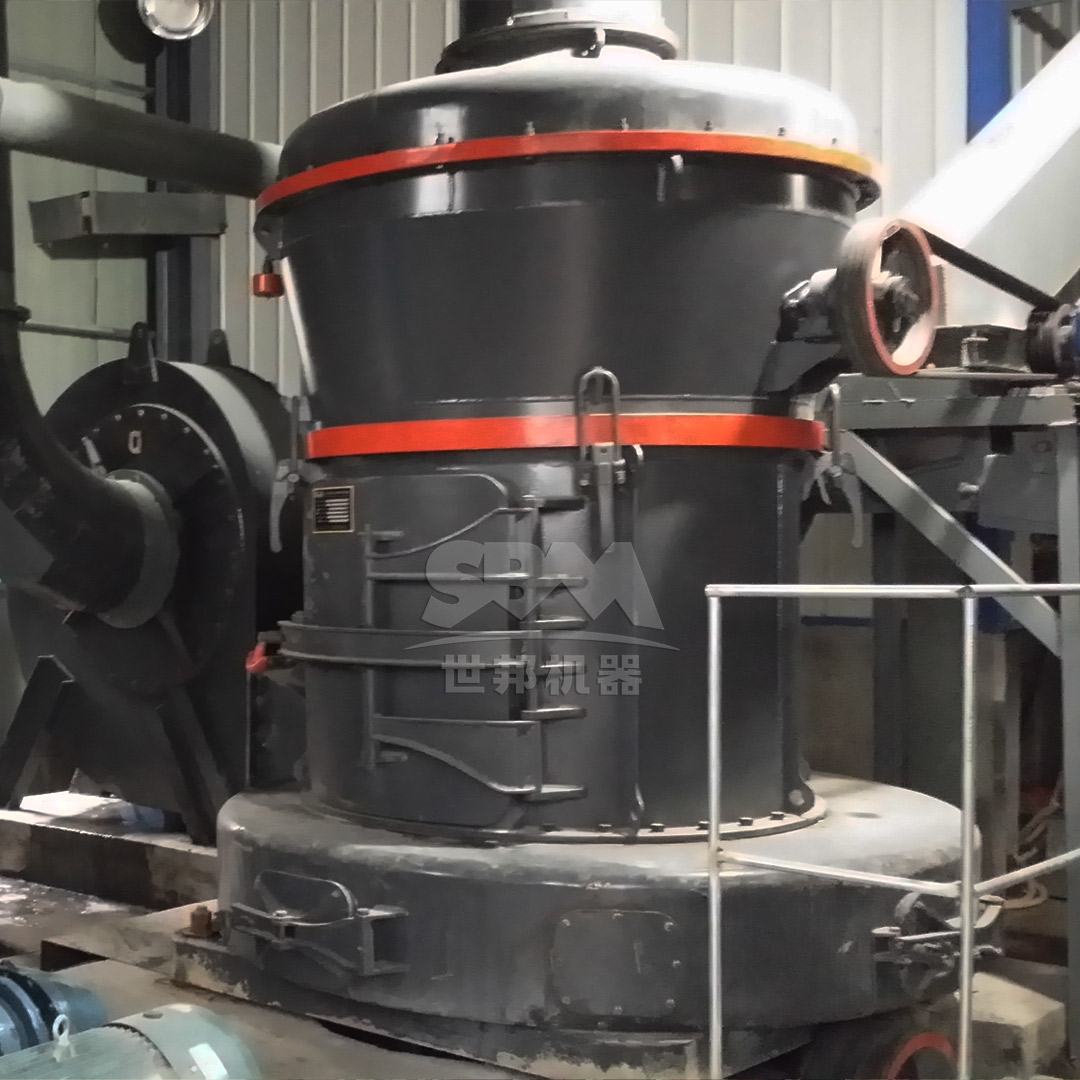
Types of Grinding Mills for Calcium Powder Processing
Ultrafine Grinding Mills (325-2500 mesh)
For applications requiring extremely fine calcium powders, ultrafine grinding mills are the preferred choice. These mills can produce powders with particle sizes as fine as 5 microns (D97) and are essential for high-value applications such as premium paints, high-grade plastics, pharmaceuticals, and food additives.
Ultrafine mills employ advanced grinding mechanisms that combine impact, shear, and attrition forces to achieve fine particle sizes. The classification systems in these mills are critical for ensuring narrow particle size distributions and eliminating coarse particles that could compromise product quality.
Medium-fine Grinding Mills (30-325 mesh)
For general industrial applications where extremely fine particles are not required, medium-fine grinding mills offer an optimal balance between production capacity, energy consumption, and product quality. These mills are commonly used for producing calcium powders for paper filling, rubber compounds, adhesives, and construction materials.
Medium-fine grinding mills typically employ roller or pendulum grinding principles, where material is crushed between grinding elements under controlled pressure. The adjustable grinding pressure allows operators to fine-tune the final product characteristics according to specific requirements.
Vertical Roller Mills
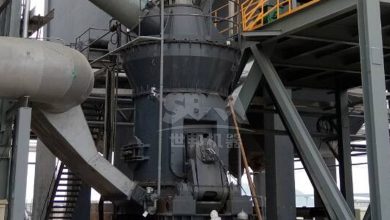
Vertical roller mills represent an efficient solution for large-scale calcium powder production. Their integrated design combines grinding, drying, and classification in a single unit, making them particularly suitable for processing materials with varying moisture content.
The vertical configuration of these mills provides significant advantages in terms of floor space requirements and energy efficiency. Additionally, the ability to utilize waste heat from other processes for drying makes them an environmentally friendly option for calcium powder production.
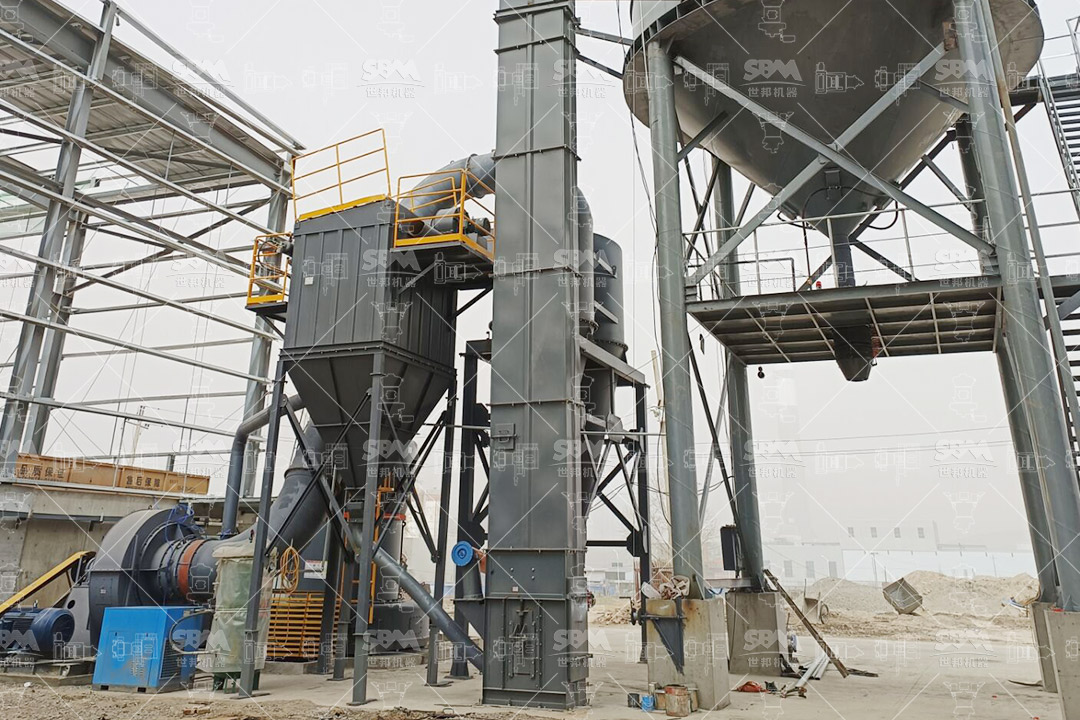
Key Factors in Selecting Calcium Powder Mills
Particle Size Requirements
The required fineness of the final calcium powder is the primary consideration when selecting grinding equipment. Different applications demand specific particle size distributions:
- Coarse grades (100-325 mesh): Used in animal feed, agriculture, and construction applications
- Medium grades (400-800 mesh): Suitable for plastics, rubber, and paper manufacturing
- Fine grades (1000-2500 mesh): Required for high-performance plastics, paints, and pharmaceuticals
Production Capacity
The required production capacity directly influences the size and type of grinding mill selected. Small-scale operations might utilize compact grinding systems with capacities under 1 ton/hour, while large industrial plants may require mills capable of processing 25 tons/hour or more.
Energy Efficiency
Grinding operations are energy-intensive, making energy efficiency a critical economic factor. Modern grinding mills incorporate various energy-saving technologies, including optimized grinding geometries, efficient classification systems, and intelligent control systems that minimize energy consumption while maintaining product quality.
Environmental Considerations
Dust control, noise emissions, and overall environmental impact are increasingly important considerations in mill selection. Advanced grinding systems incorporate comprehensive dust collection systems, sound insulation, and other features to minimize their environmental footprint and ensure compliance with regulatory standards.
Recommended Mills for Calcium Powder Processing
SCM Ultrafine Mill for High-value Applications
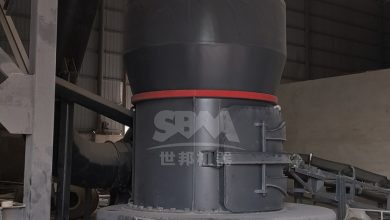
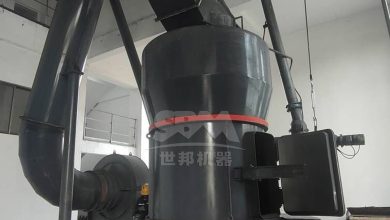
For operations requiring the finest calcium powders with superior quality characteristics, we highly recommend our SCM Ultrafine Mill. This advanced grinding system represents the cutting edge of ultrafine grinding technology, specifically engineered to meet the demanding requirements of high-value calcium powder applications.
The SCM Ultrafine Mill operates with an input size of ≤20mm and produces powders ranging from 325 to 2500 mesh (D97≤5μm), with processing capacities from 0.5 to 25 tons per hour depending on the specific model. What sets this mill apart is its exceptional energy efficiency – it delivers twice the capacity of jet mills while reducing energy consumption by 30%.
Key technical advantages include:
- High-precision classification: Vertical turbine classifiers ensure precise particle size cuts with no coarse powder contamination
- Durable design: Specially manufactured grinding rollers and rings provide extended service life
- Environmental performance: Pulse dust collection efficiency exceeds international standards with operating noise below 75dB
- Intelligent control: Automated systems with feedback mechanisms maintain consistent product quality
The working principle involves a main motor driving three layers of grinding rings in rotation. Material is dispersed into the grinding path by centrifugal force, undergoes roller compression crushing, and is progressively ground through multiple layers. The final powder collection is accomplished through a cyclone collector and pulse dust removal system.
With models ranging from the SCM800 (0.5-4.5 ton/h, 75kW) to the SCM1680 (5.0-25 ton/h, 315kW), the SCM series offers a comprehensive solution for calcium powder producers targeting premium market segments.
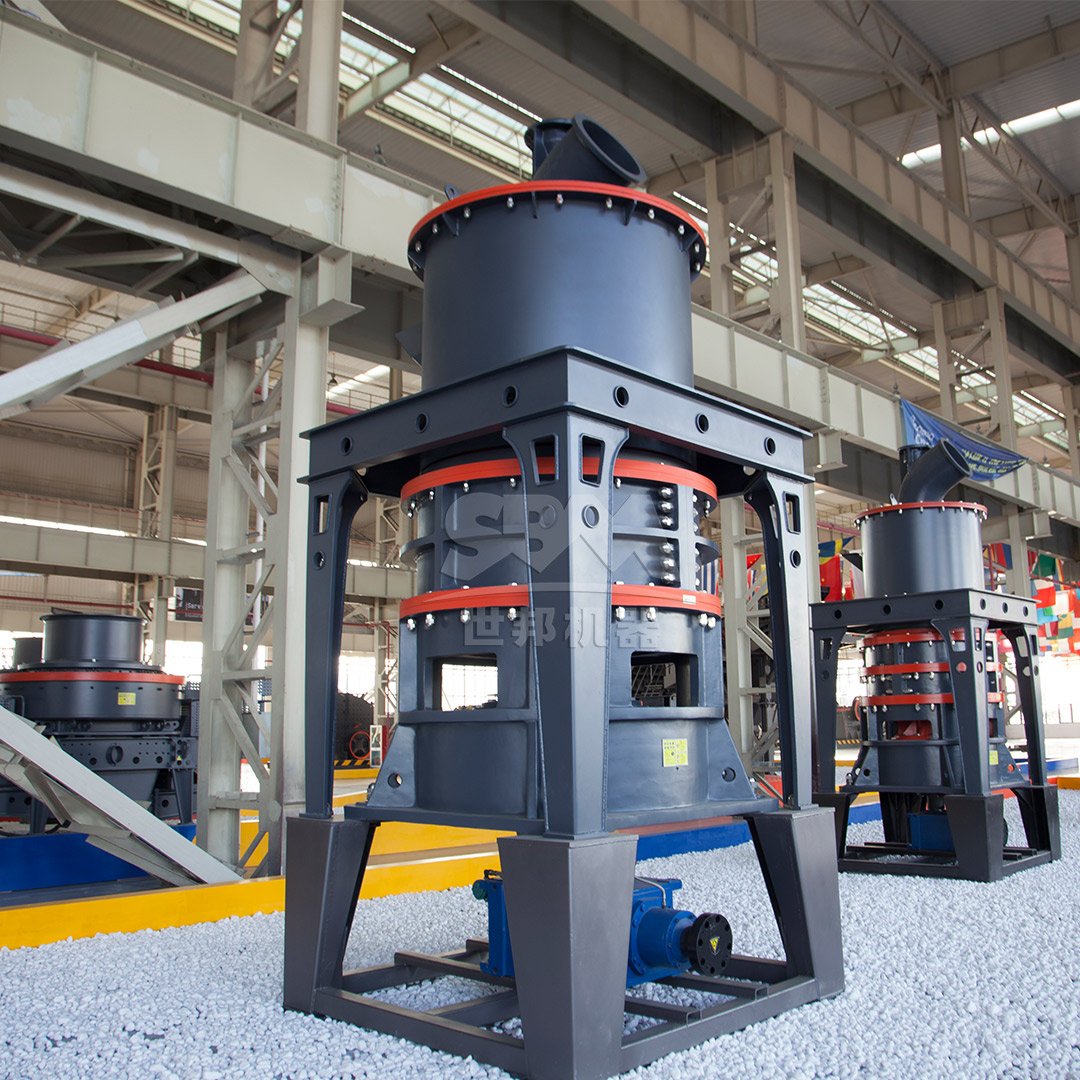
MTW Series Trapezium Mill for General Industrial Applications
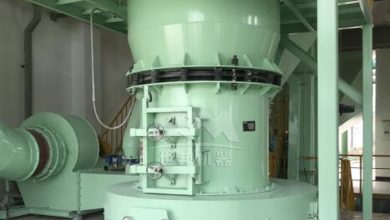
For general industrial calcium powder requirements where ultra-fineness is not the primary concern, our MTW Series Trapezium Mill provides an outstanding balance of performance, efficiency, and reliability. This European-style grinding mill handles input materials up to 50mm and produces powders from 30 to 325 mesh (down to 0.038mm), with capacities ranging from 3 to 45 tons per hour.
The MTW Series incorporates several innovative design features that enhance its performance in calcium processing applications:
- Anti-wear shovel design: Combined shovel blades reduce maintenance costs while curved designs extend roller life
- Optimized air channel:\ Curved air channels minimize energy loss and improve transmission efficiency
- Integrated bevel gear transmission: Achieves 98% transmission efficiency while saving space and installation costs
- Wear-resistant volute structure: No-resistance design improves air classification efficiency
The operational principle involves the main motor driving grinding rollers to revolve around the central axis while simultaneously rotating to generate centrifugal force. Shovels throw material between the grinding ring and rollers to form a material layer, with efficient crushing achieved through compression. The integrated classification system provides precise control over final product fineness.
Available in multiple configurations including the MTW110 (3-9 ton/h), MTW138Z (6-17 ton/h), MTW175G (9.5-25 ton/h), and MTW215G (15-45 ton/h), the MTW series offers scalable solutions for calcium powder producers of all sizes.
Operational Considerations for Calcium Powder Mills
Feed Material Preparation
Proper preparation of feed material is essential for optimal mill performance and consistent product quality. Calcium carbonate raw materials should be pre-crushed to the appropriate size range specified for each mill type. Moisture content should be controlled, with drying systems integrated when processing high-moisture materials.
Maintenance Requirements
Regular maintenance is crucial for ensuring continuous operation and extending equipment service life. Key maintenance activities include:
- Regular inspection and replacement of wear parts (grinding rollers, rings, liners)
- Lubrication system maintenance
- Classification system calibration
- Dust collection system checks
Quality Control Systems
Implementing comprehensive quality control measures ensures consistent product quality. Modern grinding mills often include integrated monitoring systems that track key parameters such as particle size distribution, throughput, and energy consumption. Regular laboratory analysis of product samples provides additional quality verification.
Conclusion
Selecting the appropriate grinding mill for calcium powder processing requires careful consideration of multiple factors including required product specifications, production capacity, energy efficiency, and operational costs. The SCM Ultrafine Mill and MTW Series Trapezium Mill represent two excellent solutions catering to different segments of the calcium powder market.
For producers targeting high-value applications requiring ultrafine powders with tight particle size distributions, the SCM Ultrafine Mill offers unparalleled performance and efficiency. For general industrial applications where production volume and operational economy are prioritized, the MTW Series Trapezium Mill provides reliable performance with lower capital investment.
Both mill series incorporate the latest technological advancements in grinding efficiency, classification accuracy, and environmental performance, ensuring that calcium powder producers can meet both their product quality objectives and their operational efficiency targets.