What Industries Can Use a Small 400 Mesh Superfine Grinding Mill?
Introduction to Superfine Grinding Technology
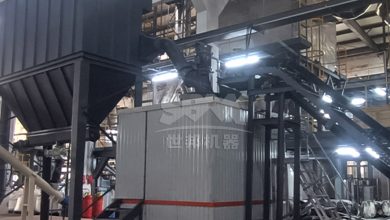
In today’s advanced manufacturing landscape, the demand for ultra-fine powders has expanded across numerous industries. A small 400 mesh (approximately 38 microns) superfine grinding mill represents a crucial piece of equipment for operations requiring precise particle size control at production scales from 0.5 to 25 tons per hour. This technology bridges the gap between conventional crushing equipment and specialized nano-grinding systems, offering an optimal balance of precision, efficiency, and operational economy.
The significance of achieving 400 mesh fineness cannot be overstated. At this particle size range, materials exhibit enhanced chemical reactivity, improved suspension stability, better dispersion characteristics, and increased surface area-to-volume ratios. These properties are essential for high-value applications in pharmaceuticals, advanced materials, fine chemicals, and food processing where product performance directly correlates with particle size distribution.

Pharmaceutical and Biotechnology Industries
The pharmaceutical sector represents one of the most demanding applications for superfine grinding technology. Achieving consistent 400 mesh particle size is critical for drug bioavailability, dissolution rates, and uniform blending in formulations. Small superfine mills enable pharmaceutical manufacturers to process active pharmaceutical ingredients (APIs), excipients, and herbal medicines with precise control over particle size distribution.
Specific pharmaceutical applications include:
- Micronization of poorly soluble drugs to enhance bioavailability
- Size reduction of herbal extracts for standardized formulations
- Production of uniform particles for dry powder inhalers
- Preparation of fine powders for tablet compression and capsule filling
- Processing of temperature-sensitive materials with minimal degradation
The SCM Ultrafine Mill is particularly well-suited for pharmaceutical applications due to its precision grading system that ensures no coarse particles contaminate the final product. With output fineness ranging from 325 to 2500 mesh (D97 ≤ 5μm) and intelligent control systems that automatically maintain target particle size, this equipment meets the stringent requirements of GMP-compliant pharmaceutical manufacturing. The mill’s closed-system design prevents contamination while pulse dust collection efficiency exceeds international standards for clean manufacturing environments.
Chemical and Pigment Production
In the chemical industry, particle size directly influences product performance across numerous applications. Superfine grinding at 400 mesh enables manufacturers to achieve optimal properties in dyes, pigments, fillers, and specialty chemicals. The enhanced surface area and uniform particle distribution improve color strength, opacity, suspension stability, and chemical reactivity.
Key chemical industry applications include:
- Production of high-performance pigments for coatings and plastics
- Size reduction of fillers such as calcium carbonate and talc
- Processing of ceramic powders with controlled particle size distribution
- Manufacture of catalysts with optimized surface area
- Preparation of flame retardants and other functional additives
The MTW Series Trapezium Mill offers exceptional capabilities for chemical applications with its anti-wear shovel design that significantly reduces maintenance costs. The curved air channel optimization minimizes energy loss during material transport while the integrated cone gear transmission achieves 98% efficiency. With output fineness adjustable from 30 to 325 mesh and capacity ranging from 3 to 45 tons per hour depending on model selection, this equipment provides chemical manufacturers with versatile processing solutions for diverse material requirements.
Food and Nutraceutical Processing
The food industry increasingly utilizes superfine grinding technology to create value-added ingredients with enhanced functional properties. Achieving 400 mesh fineness improves texture, mouthfeel, solubility, and bioavailability of nutritional compounds. The technology enables manufacturers to develop innovative products that meet consumer demands for convenience, health benefits, and superior sensory characteristics.
Food and nutraceutical applications include:
- Production of instant beverage powders with rapid dissolution
- Micronization of dietary fibers for improved functionality
- Size reduction of protein isolates for better emulsification
- Processing of spice powders with enhanced flavor release
- Manufacture of functional food ingredients with improved bioavailability
Superfine grinding mills designed for food applications must meet stringent hygiene standards and prevent heat degradation of sensitive nutritional compounds. Equipment with precision temperature control, easy-clean surfaces, and corrosion-resistant materials is essential for these applications. The gentle grinding action of modern superfine mills preserves heat-sensitive components while achieving the desired particle size distribution.
Mineral Processing and Advanced Materials
In mineral processing, achieving precise particle size distributions at 400 mesh enables manufacturers to optimize material performance in downstream applications. Superfine grinding enhances the functional properties of industrial minerals, creating value-added products for construction, plastics, paints, and advanced material applications.
Mineral processing applications include:
- Production of high-purity quartz powders for electronics
- Size reduction of industrial minerals for filler applications
- Processing of rare earth minerals for specialized applications
- Manufacture of customized mineral blends with controlled particle size
- Preparation of raw materials for advanced ceramic production
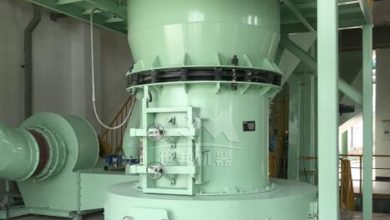
The LM Series Vertical Roller Mill provides exceptional capabilities for mineral processing applications with its integrated crushing/grinding/separating system that reduces footprint by 50%. The non-contact design between grinding rollers and disc triples the service life of wear parts while reducing energy consumption by 30-40% compared to ball mill systems. With output fineness adjustable from 30 to 325 mesh (with special models achieving 600 mesh) and capacity ranging from 3 to 250 tons per hour, this equipment offers mineral processors scalable solutions for diverse production requirements.
Cosmetics and Personal Care
The cosmetics industry relies on superfine grinding to create products with superior texture, spreadability, and sensory characteristics. Achieving 400 mesh particle size is essential for foundations, pressed powders, eyeshadows, and other color cosmetics where smooth application and even coverage are critical quality attributes. Superfine pigments and fillers also improve the stability and performance of liquid formulations.
Cosmetic applications include:
- Micronization of titanium dioxide and zinc oxide for sunscreens
- Size reduction of color pigments for cosmetic formulations
- Processing of talc and mica for face and body powders
- Manufacture of specialty fillers with specific light-reflecting properties
- Preparation of natural mineral powders for clean beauty products
For cosmetic applications, the SCM Ultrafine Mill offers distinct advantages with its vertical turbine classifier that ensures precise particle size cuts and eliminates contamination from coarse particles. The special material grinding rollers and rings provide extended service life while maintaining product purity. With noise levels below 75dB and pulse dust collection that exceeds international standards, this equipment creates the ideal processing environment for high-value cosmetic ingredients.
Selecting the Right Superfine Grinding Mill
Choosing the appropriate superfine grinding mill requires careful consideration of multiple factors beyond just the target particle size. Material characteristics, production capacity requirements, energy efficiency, maintenance needs, and total cost of ownership all influence equipment selection decisions.
Key selection criteria include:
- Material hardness and abrasiveness
- Required production capacity and scalability
- Particle size distribution specifications
- Heat sensitivity of the material
- Moisture content and drying requirements
- Cleanability and cross-contamination concerns
- Available space and utility constraints
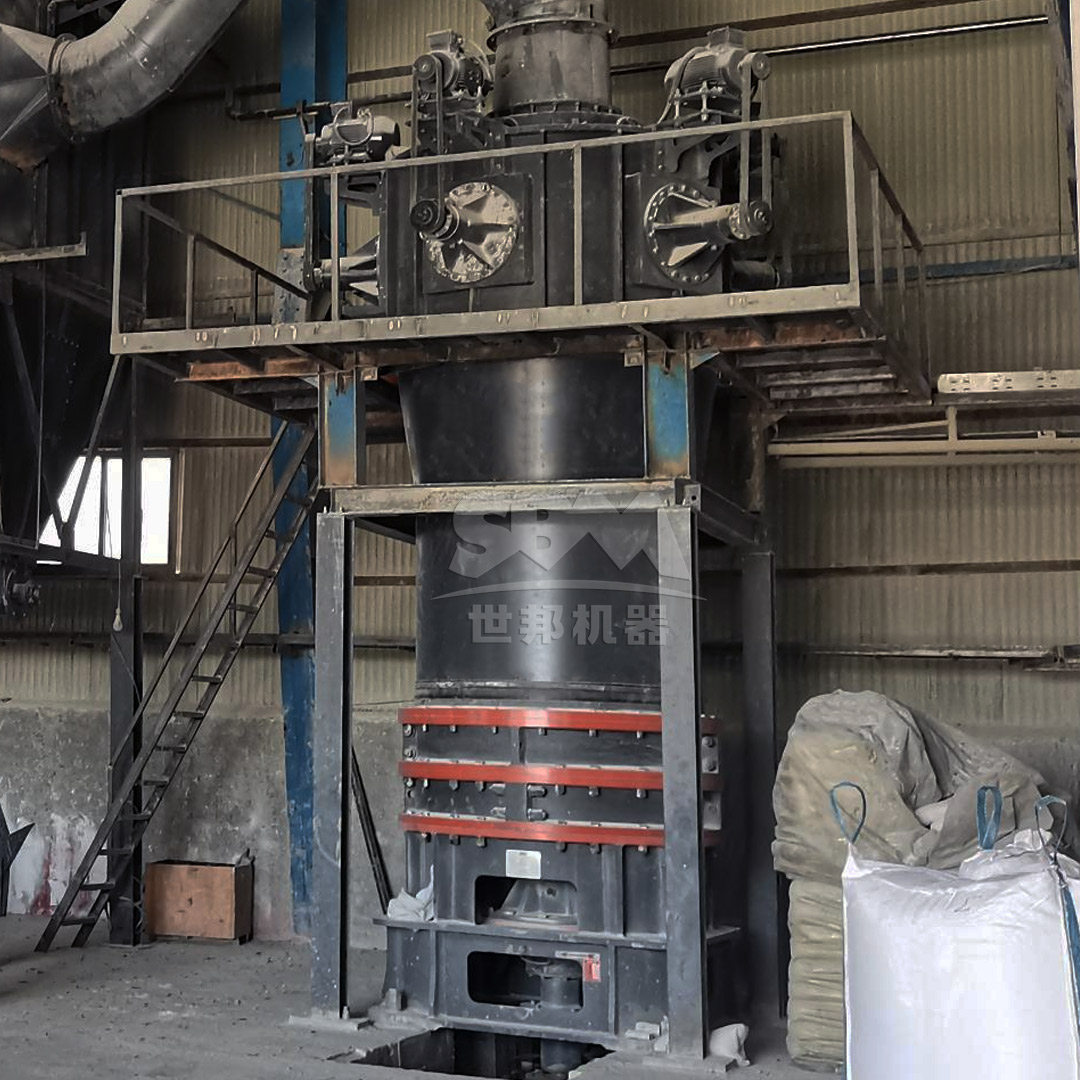
Our SCM Ultrafine Mill series offers a comprehensive solution for operations requiring output fineness between 325-2500 mesh (D97 ≤ 5μm) with capacities from 0.5 to 25 tons per hour. The intelligent control system automatically maintains target particle size while reducing energy consumption by 30% compared to conventional jet mills. The durable design features special material rollers and grinding rings that extend service life while the bearing-free screw grinding chamber ensures stable operation.
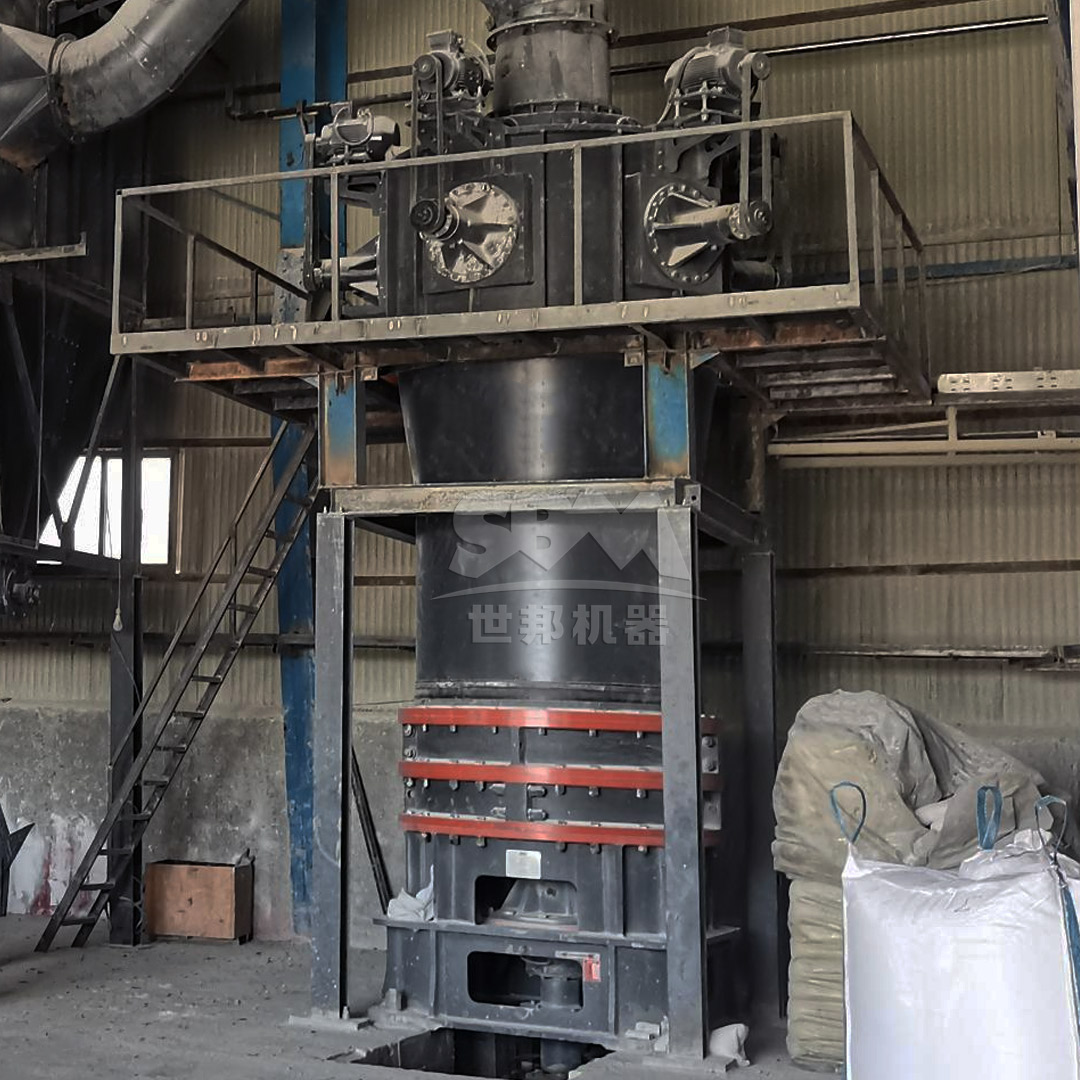
For operations requiring slightly coarser fineness with higher throughput, the MTW Series Trapezium Mill provides output from 30-325 mesh with capacities from 3-45 tons per hour. The innovative wear-resistant shovel design reduces maintenance costs while the curved air channel optimization improves transmission efficiency. The integrated cone gear transmission achieves 98% efficiency in a compact footprint that reduces installation costs.
Conclusion
The versatility of small 400 mesh superfine grinding mills makes them indispensable across diverse industries from pharmaceuticals and chemicals to food processing and advanced materials. As manufacturing continues to demand higher precision and improved efficiency, these grinding systems provide the technological foundation for product innovation and quality enhancement.
Selecting the appropriate superfine grinding technology requires careful matching of equipment capabilities with specific application requirements. With advanced features such as precision classification, intelligent control systems, and durable component designs, modern superfine grinding mills offer manufacturers reliable solutions for achieving consistent particle size distributions at production scales. As industries continue to evolve toward finer specifications and tighter quality control, the role of superfine grinding technology will only increase in importance for competitive manufacturing operations.