The Future of Lithium Carbonate Market: Insights from a Grinding Machine Manufacturer
Introduction: The Lithium Revolution and Processing Challenges
The global transition to clean energy and electric mobility has positioned lithium carbonate as one of the most critical materials of the 21st century. As demand for lithium-ion batteries continues to surge, manufacturers face unprecedented pressure to optimize production processes, particularly in the crucial grinding and refinement stages. The quality of lithium carbonate powder directly impacts battery performance, making precision grinding technology a cornerstone of the entire lithium value chain.
Traditional grinding methods often struggle to meet the stringent requirements for lithium carbonate processing, including precise particle size distribution, contamination control, and energy efficiency. As battery technology advances toward higher energy densities and faster charging capabilities, the specifications for lithium carbonate become increasingly demanding, requiring innovative grinding solutions that can deliver superior performance while reducing operational costs.
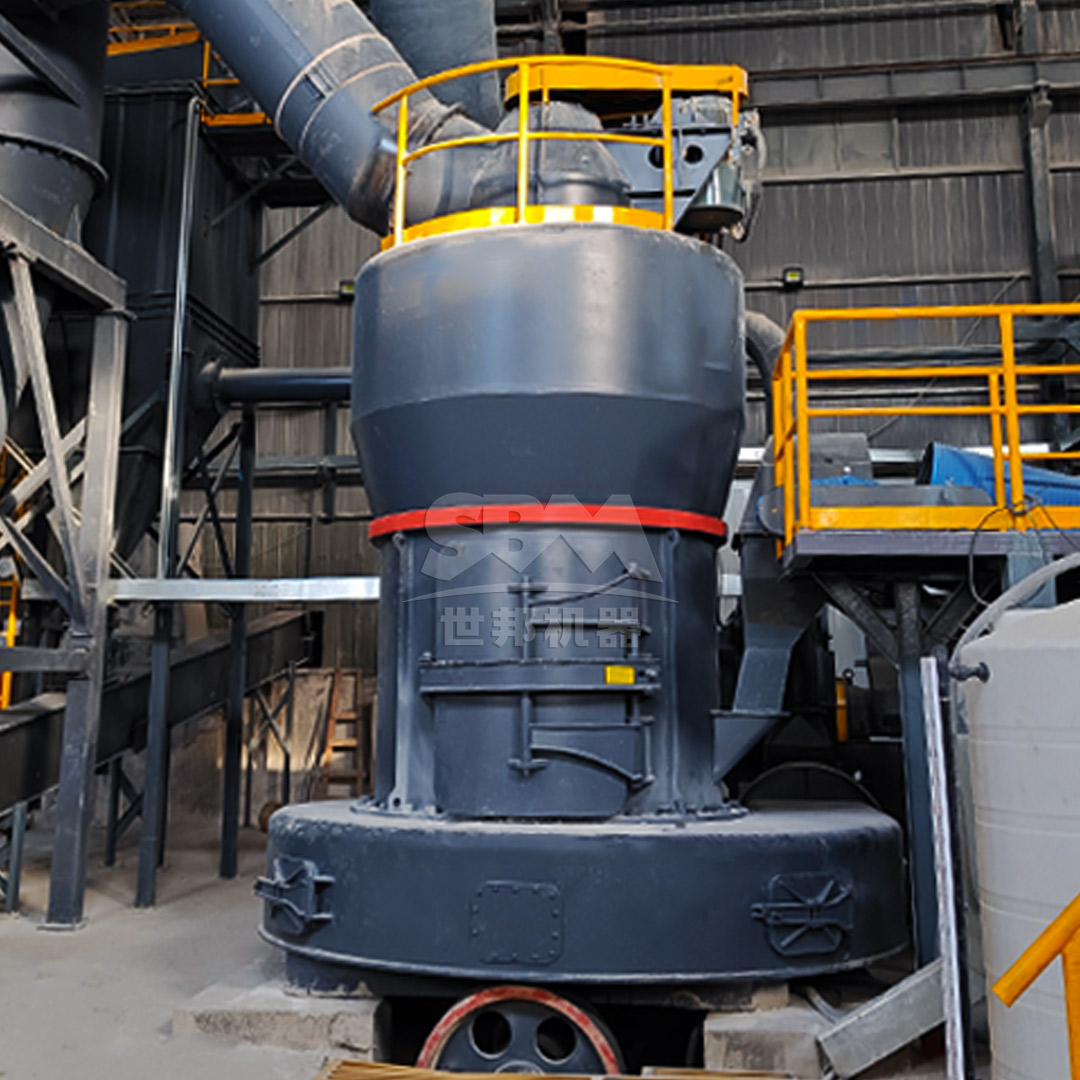
Current Market Dynamics and Technical Requirements
The lithium carbonate market is experiencing rapid transformation, driven by both supply chain considerations and evolving technical specifications. Current market analysis indicates that battery-grade lithium carbonate must achieve particle sizes between 5-20 micrometers with narrow distribution curves to ensure optimal electrode performance. Furthermore, contamination levels must be maintained below 50 parts per million to prevent battery degradation and safety issues.
Processing challenges in lithium carbonate refinement include:
- Maintaining chemical purity during mechanical processing
- Achieving consistent particle morphology for enhanced battery performance
- Minimizing energy consumption in high-volume production environments
- Ensuring scalability from pilot plants to industrial-scale operations
- Meeting increasingly stringent environmental regulations
These challenges necessitate grinding equipment that combines precision, reliability, and efficiency in a single integrated system.
Advanced Grinding Solutions for Lithium Carbonate Processing
Modern lithium carbonate processing demands grinding technology that can deliver exceptional performance across multiple parameters. Our engineering team has developed specialized solutions specifically tailored to the unique requirements of lithium compound processing, focusing on precision, efficiency, and contamination control.
SCM Ultrafine Mill: Precision Grinding for Battery-Grade Materials
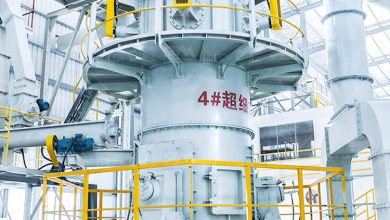
For operations requiring the highest levels of precision in lithium carbonate processing, our SCM Ultrafine Mill represents the pinnacle of grinding technology. This advanced system delivers exceptional performance characteristics specifically beneficial for lithium carbonate refinement:
- Ultra-Fine Grinding Capability: Achieves output fineness between 325-2500 mesh (D97≤5μm), perfectly suited for battery-grade lithium carbonate specifications
- Superior Energy Efficiency: Delivers twice the capacity of jet mills while reducing energy consumption by 30%, significantly lowering operational costs
- Precision Classification: Vertical turbine classifiers ensure precise particle size control with no coarse powder contamination
- Enhanced Durability: Special material rollers and grinding rings extend service life by multiple factors compared to conventional systems
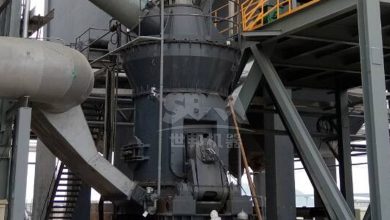
The SCM series incorporates intelligent control systems that automatically monitor and adjust product fineness, ensuring consistent quality throughout production cycles. With models ranging from the SCM800 (0.5-4.5 ton/h capacity) to the industrial-scale SCM1680 (5.0-25 ton/h capacity), operations of any scale can benefit from this advanced technology.
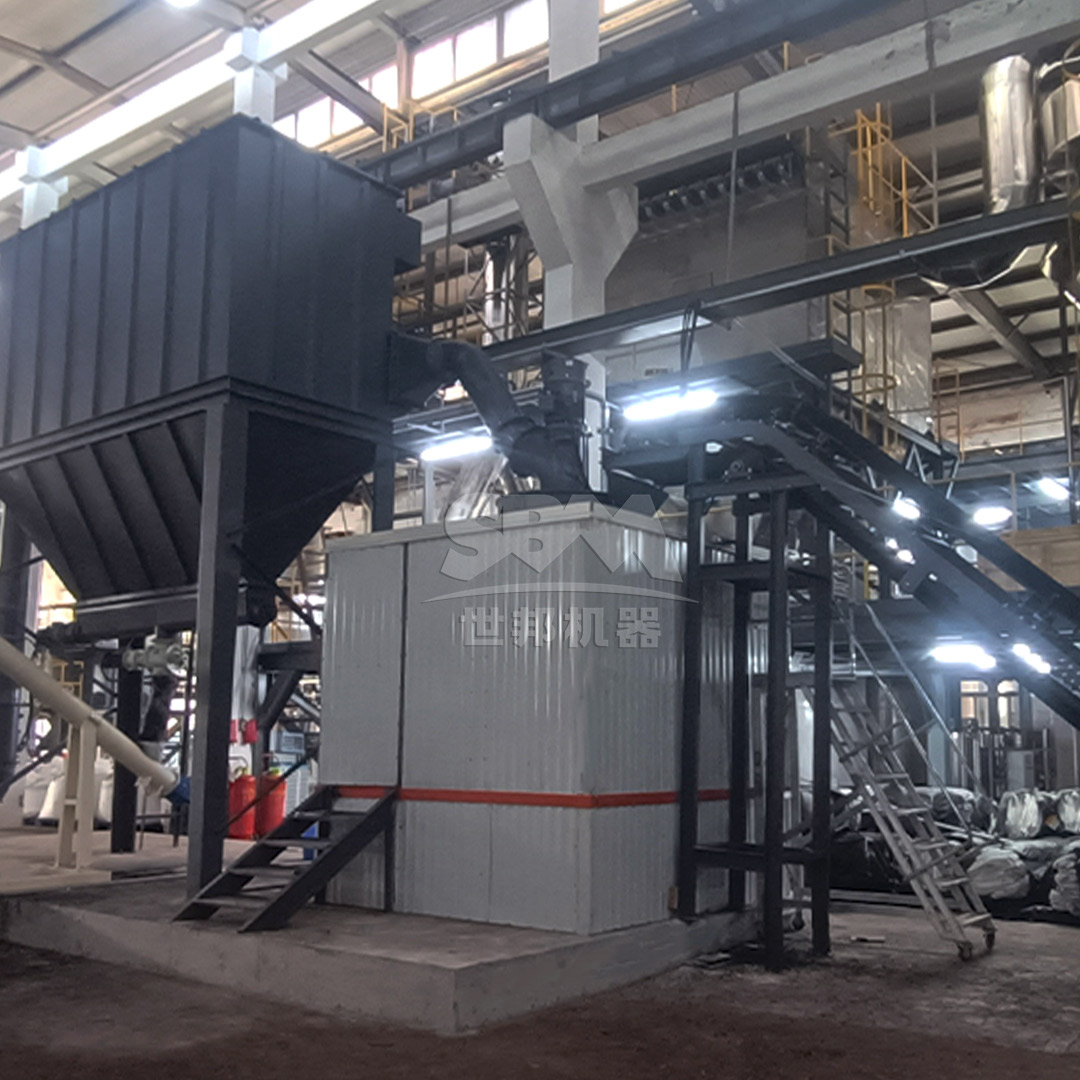
MTW Series Trapezium Mill: High-Capacity Processing Solution
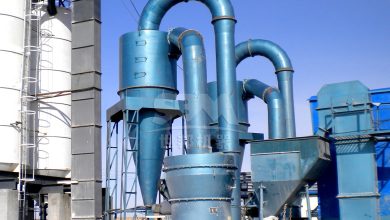
For large-scale lithium carbonate production facilities, our MTW Series Trapezium Mill offers robust performance and exceptional reliability. This European-style grinding mill combines high throughput with precision control, making it ideal for medium to large lithium processing operations:
- High Processing Capacity: Handles throughput from 3-45 tons per hour depending on model specifications
- Advanced Wear Protection: Combined shovel blade design and curved air channel optimization reduce maintenance costs and extend component life
- Efficient Transmission System: Cone gear integral transmission achieves 98% efficiency while saving installation space
- Optimized Airflow Design: Arc air channel and wear-resistant volute structure improve separation efficiency and reduce energy losses
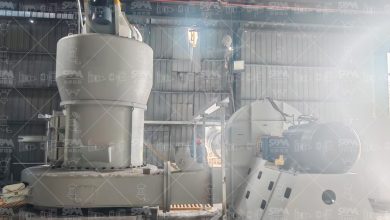
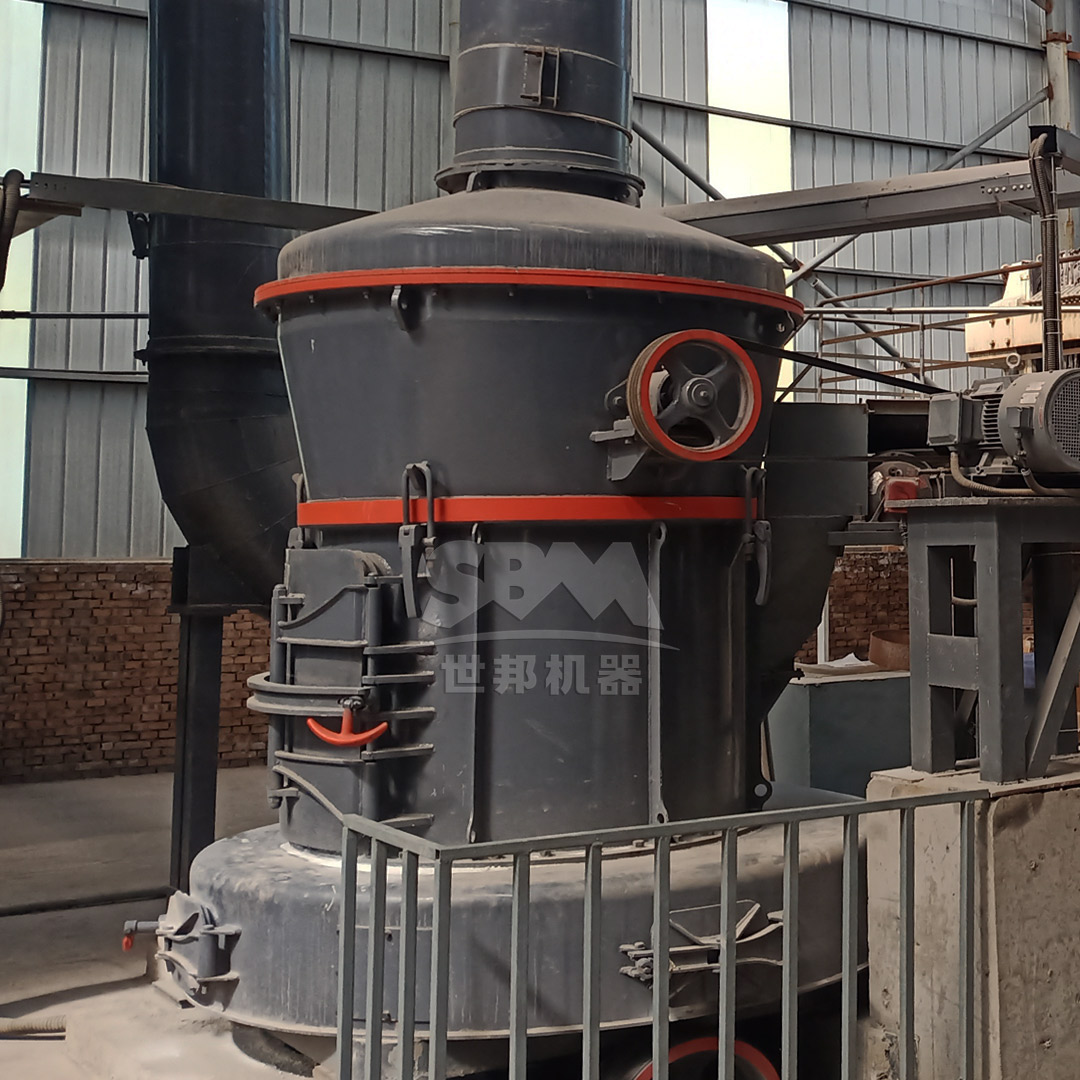
The MTW series employs a sophisticated grinding principle where the main motor drives grinding rollers to revolve around the central axis while rotating themselves, generating centrifugal force that ensures efficient material processing. With models like the MTW215G capable of processing 15-45 tons per hour, this equipment meets the demands of modern lithium carbonate production facilities.
Technical Innovations Driving Lithium Processing Efficiency
The evolution of grinding technology has introduced several key innovations that directly benefit lithium carbonate processing. These advancements address the specific challenges of lithium compound refinement while improving overall operational efficiency.
Intelligent Control Systems
Modern grinding equipment incorporates sophisticated automation that continuously monitors and adjusts operational parameters. Real-time feedback mechanisms ensure consistent product quality while optimizing energy consumption. For lithium carbonate processing, this means maintaining precise particle size distribution despite variations in raw material characteristics.
Advanced Classification Technology
Precise particle separation is critical for battery-grade lithium carbonate. Contemporary grinding systems utilize multi-stage classification with vertical turbine separators that provide exact size cuts without coarse particle contamination. This technology ensures that finished products meet the stringent specifications required for high-performance battery applications.
Environmental and Safety Considerations
Modern grinding systems prioritize environmental protection through integrated pulse dust collection systems that exceed international standards. With noise levels maintained below 75dB and full negative pressure operation preventing dust leakage, these systems support sustainable lithium processing while ensuring worker safety.
Future Trends in Lithium Carbonate Processing
The lithium industry continues to evolve, with several emerging trends likely to shape future grinding technology requirements:
Increasing Automation and Digitalization
The integration of Industry 4.0 technologies will further enhance grinding efficiency through predictive maintenance, remote monitoring, and AI-driven optimization. Smart grinding systems will automatically adjust to changing raw material characteristics and production requirements, maximizing throughput while minimizing energy consumption.
Enhanced Sustainability Metrics
As environmental regulations tighten and sustainability becomes a competitive advantage, grinding equipment must continue to reduce energy and water consumption while minimizing waste generation. Future innovations will focus on closed-loop systems that maximize resource efficiency throughout the lithium processing chain.
Modular and Scalable Solutions
The rapid expansion of lithium production capacity demands equipment that can scale efficiently from pilot operations to full industrial production. Modular grinding systems that can be easily expanded or reconfigured will become increasingly important as producers seek to match capacity with fluctuating market demands.
Conclusion: Strategic Investment in Advanced Grinding Technology
The future of the lithium carbonate market is intrinsically linked to advancements in processing technology. As battery specifications become more demanding and production volumes increase, manufacturers must invest in grinding equipment that delivers precision, efficiency, and reliability. Our SCM Ultrafine Mill and MTW Series Trapezium Mill represent the cutting edge of lithium carbonate processing technology, offering solutions tailored to the specific requirements of this dynamic industry.
By partnering with equipment manufacturers who understand the unique challenges of lithium compound processing, producers can position themselves for success in an increasingly competitive market. The right grinding technology not only ensures product quality but also provides significant operational advantages through reduced energy consumption, lower maintenance costs, and enhanced production flexibility.
As the global transition to clean energy accelerates, advanced grinding solutions will play a pivotal role in enabling the scale-up of lithium production required to meet growing demand. Manufacturers who embrace these technologies today will be best positioned to capitalize on the opportunities presented by the lithium revolution.