High Titanium Slag Grinding: What Mill Equipment is Best?
Introduction to High Titanium Slag Grinding
High titanium slag, a byproduct of titanium dioxide production, presents unique challenges in grinding operations due to its high hardness, abrasiveness, and specific particle size requirements for downstream applications. The selection of appropriate milling equipment is crucial for achieving optimal productivity, energy efficiency, and product quality in titanium slag processing plants. This comprehensive analysis examines the various mill technologies available and identifies the most suitable solutions for high titanium slag grinding applications.
The grinding of high titanium slag requires equipment capable of handling materials with high abrasion characteristics while producing consistent particle size distributions in the range typically required for subsequent processing stages. The choice between different mill types depends on multiple factors including feed size, required product fineness, capacity requirements, energy consumption, and operational costs.

Challenges in High Titanium Slag Grinding
Abrasion and Wear Considerations
High titanium slag contains hard mineral phases that cause significant wear on grinding components. The presence of titanium compounds, particularly rutile and ilmenite, creates exceptional challenges for conventional grinding equipment. The abrasive nature of these materials necessitates specialized wear-resistant components and innovative grinding chamber designs to maintain operational efficiency and reduce maintenance frequency.
Traditional grinding systems often experience rapid deterioration when processing high titanium slag, leading to increased downtime, higher maintenance costs, and inconsistent product quality. The selection of milling equipment must prioritize wear resistance through advanced material selection and intelligent design features that minimize direct contact between metallic components and the abrasive slag material.
Particle Size Distribution Requirements
The intended application of ground titanium slag dictates specific particle size distribution requirements. For use in pigments, ceramics, or welding flux applications, precise control over the top size and fines content is essential. Most industrial applications require product fineness between 200 mesh (74μm) and 325 mesh (45μm), with some specialized applications demanding even finer particles.
Conventional ball mills often struggle to achieve the narrow particle size distributions required for high-value applications of titanium slag. The inability to precisely control the grinding action leads to overgrinding of some particles while others remain insufficiently processed, resulting in poor product performance and reduced market value.
Mill Equipment Options for Titanium Slag Grinding
Ball Mill Systems
Traditional ball mills have been widely used in mineral processing operations, including slag grinding applications. These systems operate on the principle of impact and attrition as grinding media (balls) cascade within a rotating cylinder. While ball mills offer simplicity and reliability, they present significant limitations when applied to high titanium slag grinding.
The main disadvantages of ball mills for titanium slag include high energy consumption (typically 25-40 kWh/t), excessive wear rates due to the highly abrasive nature of the material, and limited ability to produce narrow particle size distributions. Additionally, ball mills require substantial space and foundation requirements, increasing both capital and operating costs.
Vertical Roller Mill Technology
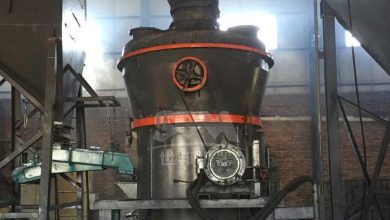
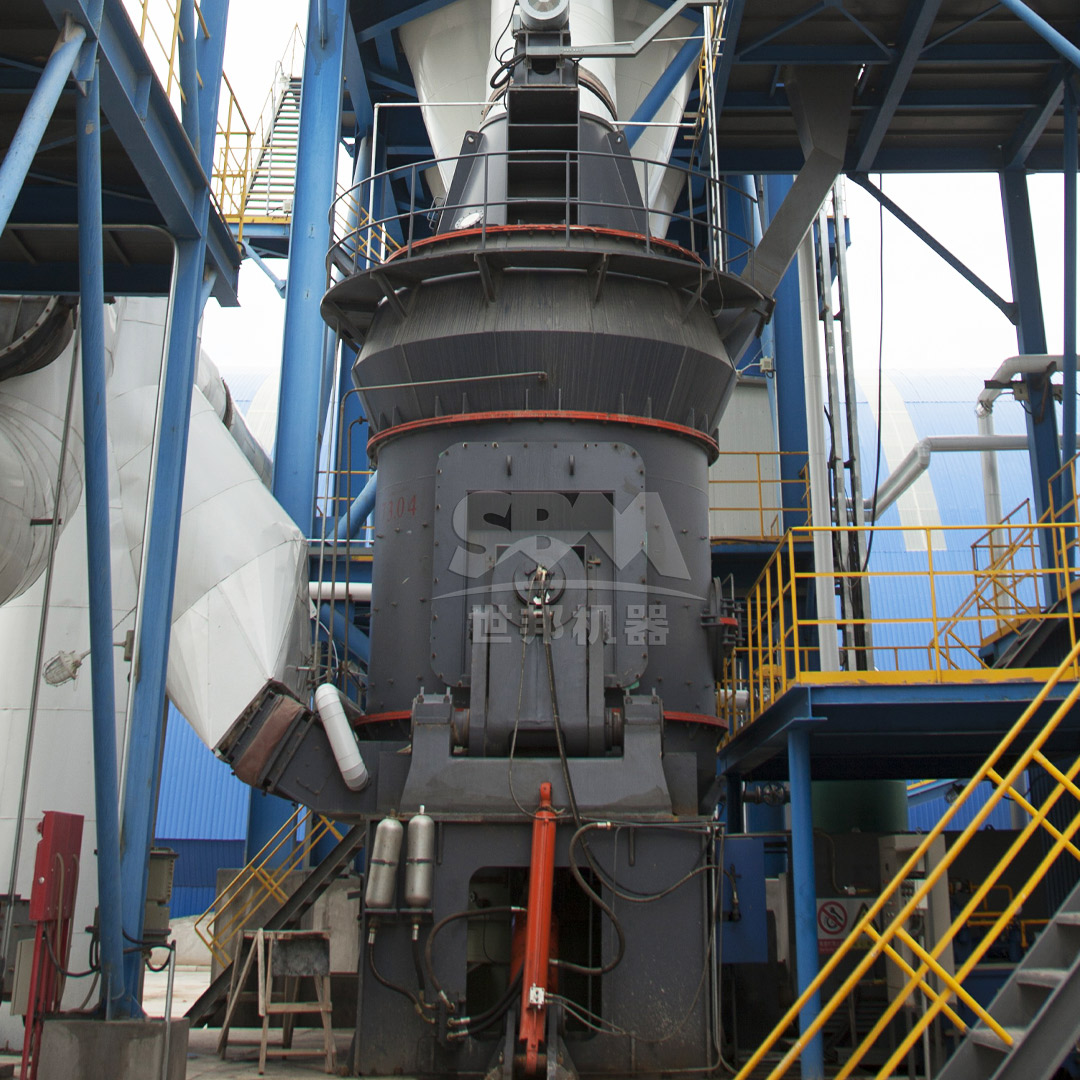
Vertical roller mills (VRMs) represent a significant advancement in grinding technology, offering substantial benefits for abrasive materials like high titanium slag. These systems employ multiple rollers that press against a rotating grinding table, utilizing a bed compression principle that minimizes metal-to-metal contact and reduces wear rates.
The fundamental advantage of VRM technology lies in its ability to combine grinding, drying, and classification in a single compact unit. For high titanium slag applications, this integrated approach reduces system complexity while improving energy efficiency. Modern VRM designs incorporate advanced material technology in grinding components, with specialized alloys and composite materials that extend service life in abrasive applications.
Recommended Mill Solutions for High Titanium Slag
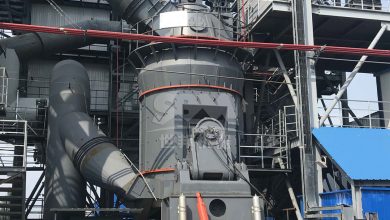
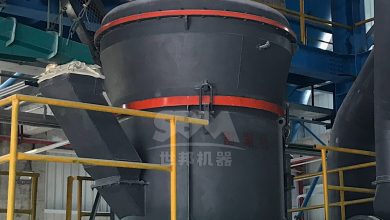
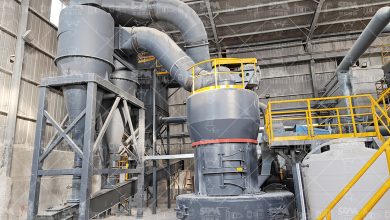
LM Series Vertical Roller Mill
For high titanium slag grinding applications requiring medium to high capacity with product fineness between 30-325 mesh, the LM Series Vertical Roller Mill presents an optimal solution. This advanced grinding system combines high efficiency with exceptional wear resistance, specifically engineered for challenging mineral applications.
The LM Series features a compact, integrated design that reduces footprint requirements by up to 50% compared to traditional ball mill systems. Its unique grinding principle utilizes a bed compression mechanism that significantly reduces specific energy consumption – typically 30-40% lower than ball mills for equivalent throughput. The mill’s intelligent control system automatically adjusts operational parameters to maintain consistent product quality despite variations in feed characteristics.
Key technical advantages of the LM Series for titanium slag grinding include:
- Integrated Design: Combines crushing, grinding, and classification functions in a single unit
- Reduced Operating Costs: Non-contact grinding design extends wear part life up to 3 times
- Energy Efficiency: 30-40% lower energy consumption compared to ball mill systems
- Environmental Compliance: Full sealed negative pressure operation with dust emissions <20mg/m³
With multiple models available offering capacities from 3-250 tons per hour, the LM Series provides scalable solutions for operations of all sizes. The mill’s ability to handle feed materials up to 50mm in size reduces requirements for pre-crushing systems, further simplifying the grinding circuit.
SCM Series Ultrafine Mill for Specialized Applications
For applications requiring ultrafine grinding of high titanium slag to particle sizes between 325-2500 mesh (45-5μm), the SCM Series Ultrafine Mill delivers exceptional performance. This specialized grinding system incorporates advanced classification technology that enables precise control over product fineness, making it ideal for high-value titanium slag products used in specialty applications.
The SCM Series utilizes a unique grinding mechanism with multiple grinding rings and rollers arranged in a vertical configuration. This design creates a multi-stage grinding action that progressively reduces particle size while minimizing energy consumption. The integrated high-precision turbo classifier ensures sharp particle size cuts with no coarse particle contamination in the final product.
Notable features of the SCM Ultrafine Mill for titanium slag applications include:
- High Efficiency: Twice the capacity of jet mills with 30% lower energy consumption
- Precision Classification: Vertical turbo classifier enables exact particle size control
- Durable Construction: Special material rollers and grinding rings with extended service life
- Environmental Performance: Pulse dust collection exceeding international standards with noise levels ≤75dB
Available in multiple models with capacities ranging from 0.5-25 tons per hour, the SCM Series provides flexible solutions for operations requiring ultrafine titanium slag powders. The mill’s intelligent control system with automatic feedback on product fineness ensures consistent quality with minimal operator intervention.
Technical Comparison and Selection Guidelines
Capacity and Fineness Considerations
The selection between different mill types for high titanium slag grinding depends primarily on the required production capacity and product fineness. For large-scale operations (above 25 tph) producing products in the 30-325 mesh range, the LM Series Vertical Roller Mill typically offers the most economical solution. For specialized applications requiring ultrafine products (325-2500 mesh) at lower to medium capacities, the SCM Series Ultrafine Mill provides superior technical performance.
Operations with variable feed materials or frequently changing product specifications benefit from mills with advanced control systems that can automatically adjust to maintain product quality. Both the LM and SCM series incorporate sophisticated automation that optimizes performance across varying operating conditions.
Operational Cost Analysis
The total cost of ownership for titanium slag grinding equipment encompasses capital investment, energy consumption, maintenance requirements, and component replacement costs. While initial investment for advanced vertical mill systems may be higher than traditional ball mills, the significantly lower operating costs typically result in faster payback periods.
Energy consumption represents the largest operational expense in grinding operations. The LM Series Vertical Roller Mill reduces specific energy consumption by 30-40% compared to ball mills, while the SCM Ultrafine Mill achieves 30% savings compared to alternative ultrafine grinding technologies. These efficiency gains directly translate to lower production costs and reduced environmental impact.
Case Study: Titanium Slag Grinding Performance
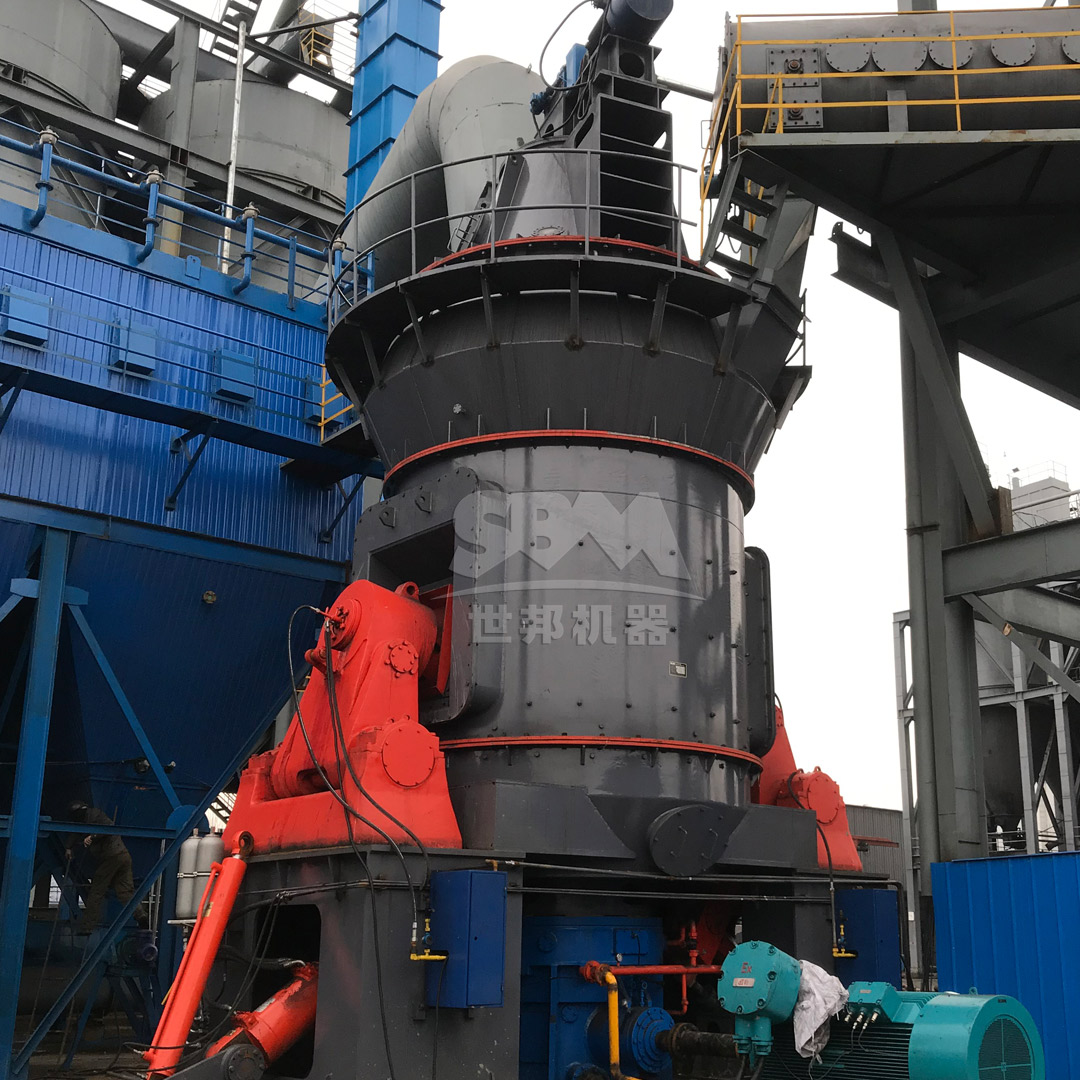
In a recent installation at a major titanium processing facility, an LM190K Vertical Roller Mill was implemented for grinding high titanium slag to a product fineness of 200 mesh. The system achieved a consistent output of 23 tons per hour with a specific energy consumption of 18.5 kWh/t – approximately 35% lower than the previous ball mill installation.
The improved wear characteristics of the LM Series resulted in a 60% reduction in maintenance costs and increased availability from 85% to 94%. The precise particle size control enabled by the integrated dynamic classifier improved product quality consistency, allowing the operation to command premium pricing for their ground titanium slag products.
Future Trends in Titanium Slag Grinding Technology
The evolution of grinding technology continues to address the specific challenges presented by high titanium slag. Emerging developments include hybrid grinding systems that combine multiple comminution principles, advanced material science for wear components, and increasingly sophisticated control systems utilizing artificial intelligence to optimize grinding parameters in real-time.
Digitalization trends are transforming grinding operations through predictive maintenance algorithms that anticipate component wear before failure occurs. These systems analyze operational data to recommend optimal maintenance schedules, further increasing equipment availability and reducing unplanned downtime. The integration of grinding operations with broader plant automation systems enables holistic optimization of the entire production process.
Conclusion
The selection of optimal milling equipment for high titanium slag grinding requires careful consideration of multiple technical and economic factors. For most industrial applications, vertical roller mill technology – particularly the LM Series – offers significant advantages in energy efficiency, wear resistance, and product quality control. For specialized applications requiring ultrafine products, the SCM Series Ultrafine Mill provides unparalleled performance in the sub-45μm range.
The advanced design features of these mill systems address the specific challenges presented by high titanium slag, including its abrasive nature and precise particle size requirements. By selecting equipment engineered specifically for demanding mineral applications, operations can achieve substantial improvements in productivity, cost efficiency, and product quality – ultimately enhancing competitiveness in the global titanium market.