What Grinding Mill is Used for Vanadium-Titanium Slag Processing?
Introduction to Vanadium-Titanium Slag Processing
Vanadium-titanium slag, a byproduct from the smelting of vanadium-titanium magnetite, presents unique challenges in mineral processing due to its complex composition and abrasive nature. The material contains valuable elements like vanadium, titanium, and iron, but requires specialized grinding equipment to achieve the optimal particle size for subsequent extraction processes. The selection of appropriate grinding technology significantly impacts recovery rates, energy consumption, and overall operational costs.
The processing of vanadium-titanium slag typically requires fine to ultra-fine grinding to liberate the valuable minerals from the gangue matrix. The target particle size distribution depends on the specific extraction method employed, but generally ranges from 45 microns (325 mesh) to as fine as 5 microns (2500 mesh) for certain advanced extraction techniques. The abrasive nature of the material also demands equipment with exceptional wear resistance to maintain operational efficiency and minimize maintenance downtime.
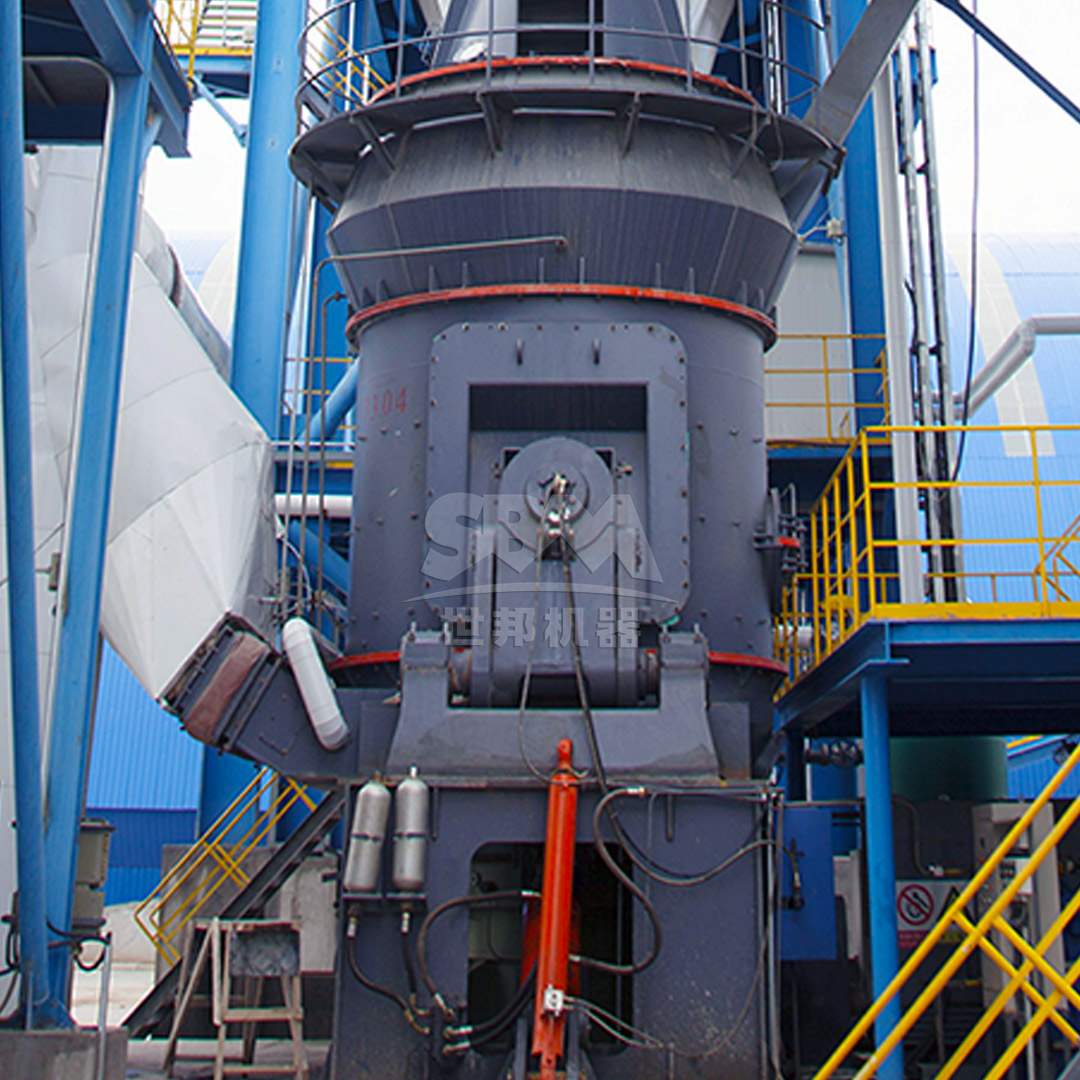
Technical Requirements for Vanadium-Titanium Slag Grinding
Material Characteristics and Challenges
Vanadium-titanium slag possesses several distinctive characteristics that influence mill selection. The material typically has a Mohs hardness ranging from 6 to 7, making it moderately abrasive. Its composition includes hard mineral phases that can accelerate wear on conventional grinding media. Additionally, the material may contain metallic iron particles that pose challenges for certain types of grinding equipment.
The optimal grinding solution must address these challenges through robust construction, specialized wear materials, and efficient classification systems. The grinding circuit must be capable of handling variations in feed composition while maintaining consistent product quality. Energy efficiency is particularly important given the high volume of material typically processed in vanadium-titanium operations.
Particle Size Requirements
Different downstream processes require specific particle size distributions. For conventional hydrometallurgical extraction of vanadium, a grind size of 45-75 microns (200-325 mesh) is typically sufficient. However, for more advanced extraction methods or for titanium recovery, much finer grinding down to 5-20 microns (625-2500 mesh) may be necessary to achieve adequate mineral liberation.
The grinding system must therefore offer flexibility in controlling product fineness while maintaining high classification efficiency to prevent overgrinding, which can increase energy consumption and potentially create slimes that complicate subsequent processing steps.
Recommended Grinding Solutions
SCM Ultrafine Mill for Fine Grinding Applications
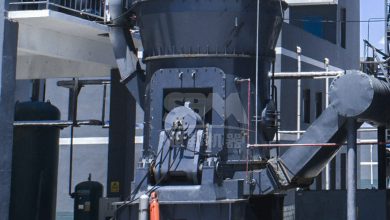
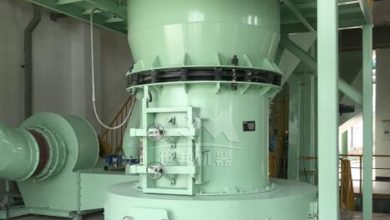
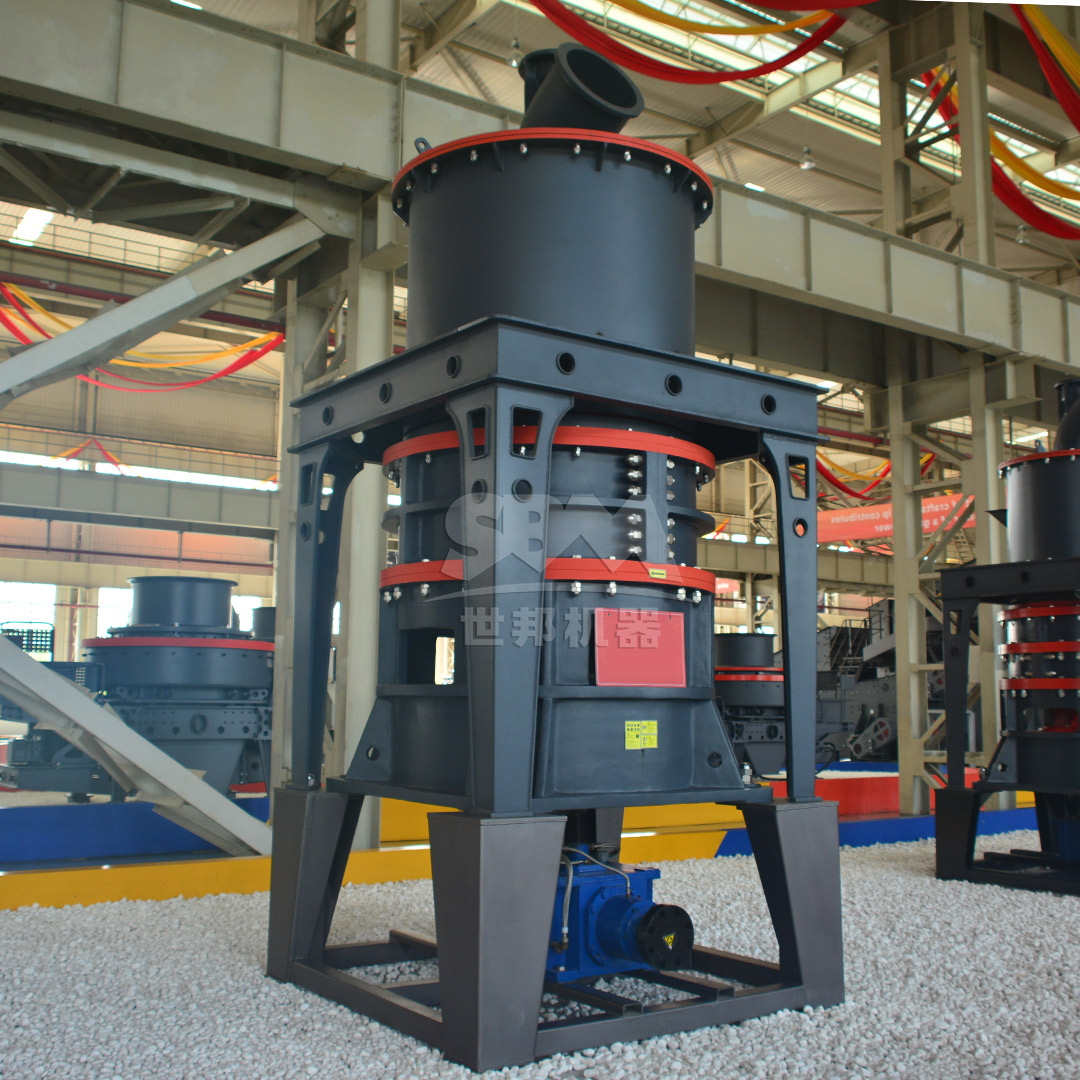
For operations requiring ultra-fine grinding of vanadium-titanium slag, our SCM Ultrafine Mill represents an optimal solution. This mill is specifically engineered to produce powders in the range of 325-2500 mesh (45-5μm), making it ideal for applications demanding maximum mineral liberation. The mill’s unique grinding mechanism combines impact, compression, and shear forces to efficiently reduce particle size while minimizing energy consumption.
The SCM Ultrafine Mill features several technological advantages particularly relevant to vanadium-titanium slag processing. Its vertical turbine classifier ensures precise particle size control, preventing coarse particles from contaminating the final product. The special material composition of grinding rollers and rings provides exceptional wear resistance against the abrasive slag components, significantly extending service life compared to conventional mills.
With capacity ranging from 0.5 to 25 tons per hour across different models, the SCM series can be matched to specific production requirements. The intelligent control system automatically monitors and adjusts operational parameters to maintain consistent product quality despite variations in feed characteristics. The mill’s energy efficiency is particularly noteworthy, with consumption approximately 30% lower than alternative technologies like jet mills.
MTW Series Trapezium Mill for Coarse to Medium Fine Grinding
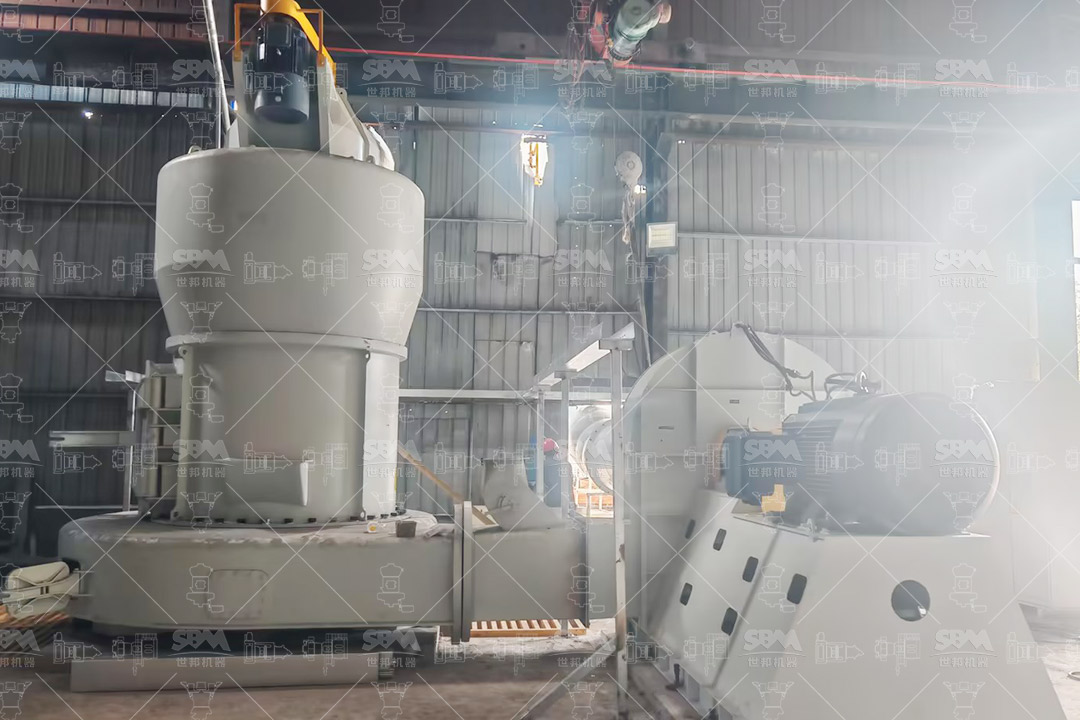
For operations where the target product size falls in the coarse to medium fine range (30-325 mesh), our MTW Series Trapezium Mill offers an excellent balance of performance, reliability, and operating economy. This mill handles feed materials up to 50mm in size and delivers throughputs from 3 to 45 tons per hour, making it suitable for high-volume vanadium-titanium slag processing operations.
The MTW Series incorporates several innovative features that enhance its suitability for abrasive materials. The curved air channel design reduces flow resistance and minimizes wear on critical components. The wear-resistant shovel blades are designed for easy replacement, significantly reducing maintenance time and costs. The integral transmission with bevel gears achieves up to 98% transmission efficiency, contributing to overall energy savings.
For vanadium-titanium slag applications, the MTW138Z and MTW175G models are particularly recommended, offering capacities of 6-17 t/h and 9.5-25 t/h respectively. These models provide the robust construction needed to withstand the abrasive nature of the material while delivering consistent product quality through advanced classification systems.
Comparative Analysis of Grinding Technologies
Performance Metrics for Vanadium-Titanium Slag
When evaluating grinding equipment for vanadium-titanium slag, several performance metrics are particularly important. Wear rate directly impacts operating costs and maintenance requirements. Our SCM and MTW series mills address this challenge through specialized materials and designs that extend component life. Grinding efficiency affects both energy consumption and throughput, with both recommended mills offering significant advantages over conventional ball mills or Raymond mills.
Product quality consistency is another critical factor, as variations in particle size distribution can adversely affect downstream extraction processes. The advanced classification systems in both the SCM and MTW mills ensure tight control over product specifications. Operational flexibility is also important, as processing requirements may change based on ore characteristics or market conditions. Both mills offer adjustable parameters to accommodate such variations.
Economic Considerations
The total cost of ownership for grinding equipment includes not only the initial investment but also energy consumption, maintenance, and component replacement costs. For vanadium-titanium slag applications, the abrasive nature of the material makes wear part longevity particularly important. Our SCM Ultrafine Mill and MTW Trapezium Mill are engineered to minimize these costs through durable construction and easily replaceable wear components.
Energy efficiency represents another significant economic factor, with grinding typically accounting for a substantial portion of total processing energy. The SCM series achieves 30% lower energy consumption compared to jet mills, while the MTW series optimizes energy use through efficient transmission and reduced air flow resistance. These efficiencies translate to meaningful operational cost savings over the equipment lifetime.
Implementation Considerations
System Integration
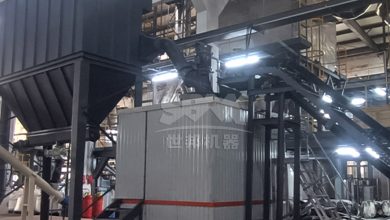
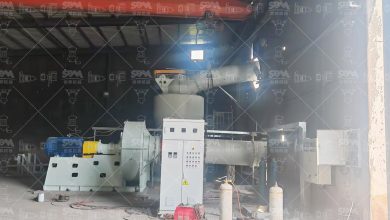
Successful implementation of grinding equipment for vanadium-titanium slag requires careful consideration of system integration. Both the SCM and MTW mills are designed for straightforward integration with existing or new processing circuits. Ancillary equipment such as feeders, collectors, and dust control systems must be properly sized and configured to ensure optimal performance.
For the SCM Ultrafine Mill, the pulse dust collector achieves efficiency exceeding international standards, addressing environmental concerns while maximizing product recovery. The integrated隔音室设计 (soundproof chamber design) maintains noise levels below 75dB, creating a better working environment. For the MTW Series, the innovative air channel and蜗壳结构 (volute structure) enhance overall system efficiency while reducing maintenance requirements.
Operational Optimization
Maximizing the performance of grinding equipment for vanadium-titanium slag requires attention to operational parameters. Feed rate, classifier speed, and grinding pressure must be optimized based on specific material characteristics and product requirements. Both recommended mills feature advanced control systems that facilitate this optimization process.
Regular maintenance is essential for maintaining performance and extending equipment life. The modular design of critical components in both the SCM and MTW mills simplifies maintenance procedures and reduces downtime. Proper training of operational and maintenance personnel ensures that the equipment is operated within design parameters and that potential issues are identified and addressed promptly.
Conclusion
The processing of vanadium-titanium slag demands grinding equipment that combines robust construction, precise classification, and energy efficiency. Our SCM Ultrafine Mill and MTW Series Trapezium Mill offer complementary solutions covering the full range of particle size requirements for vanadium-titanium slag processing. The SCM series excels in ultra-fine grinding applications where maximum mineral liberation is required, while the MTW series provides high-capacity processing for coarser applications.
Both mills incorporate specialized features that address the unique challenges posed by vanadium-titanium slag, including wear resistance, classification efficiency, and operational flexibility. By selecting the appropriate grinding technology and optimizing its operation, processors can significantly improve recovery rates, reduce operating costs, and enhance the overall economics of vanadium-titanium slag processing operations.