How to Choose an Ultrafine Talc Powder Grinding Mill?
Introduction
The production of ultrafine talc powder is a cornerstone of numerous industries, including plastics, paints, coatings, cosmetics, and pharmaceuticals. The quality, particle size distribution, and production efficiency of the final product are directly influenced by the grinding technology employed. Selecting the appropriate ultrafine grinding mill is therefore a critical technical and economic decision. This article provides a comprehensive guide to the key factors involved in choosing the right mill for your ultrafine talc processing needs, and highlights advanced solutions from our product portfolio.
Key Factors in Selecting an Ultrafine Talc Mill
1. Required Product Fineness and Particle Size Distribution
Talc applications demand specific fineness ranges. For instance, high-grade cosmetics may require talc finer than 1250 mesh (10μm), while some industrial fillers might be suitable in the 325-800 mesh range. The mill must not only achieve the target top size (D97) but also produce a narrow, consistent particle size distribution. A mill with a high-precision, independently driven classifier is essential for this purpose.
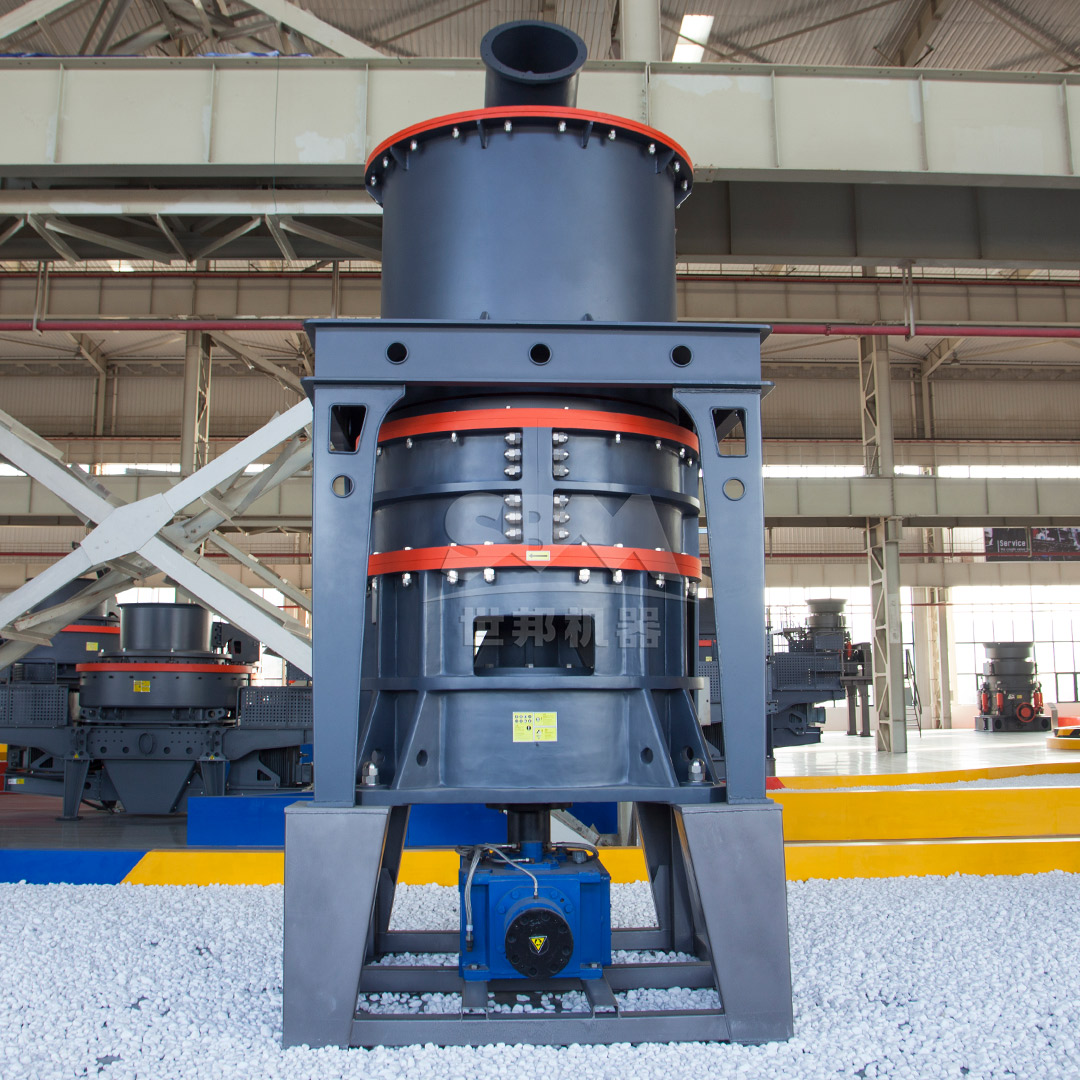
2. Production Capacity and Scalability
Your required hourly or annual output dictates the size and model of the mill. It’s crucial to match the mill’s capacity to your production goals with some room for future expansion. Consider both the grinding unit’s capacity and the efficiency of the entire system, including feeding, classification, and collection.
3. Energy Efficiency and Operating Costs
Grinding to ultrafine sizes is energy-intensive. The specific energy consumption (kWh/ton) is a major operational cost driver. Modern mills utilizing bed grinding principles (pressure) are generally more energy-efficient than impact-based mills for fine and ultrafine grinding. Factors like maintenance frequency, wear part life, and system automation also significantly impact long-term operating expenses.
4. System Design and Environmental Compliance
A modern grinding plant must operate cleanly. The mill system should be designed for fully sealed, negative pressure operation to prevent dust emission. Integrated, efficient pulse jet baghouse dust collectors are mandatory. Furthermore, noise levels should be controlled through soundproofing and stable mechanical design to meet workplace and environmental standards.
5. Reliability, Maintenance, and Spare Parts
Downtime is costly. The chosen mill should have a robust design with long-lasting wear parts (rollers, rings, liners). Features that facilitate easy maintenance, such as hydraulic systems for roller replacement or modular designs, greatly reduce service time and costs. Reliable local support for technical service and spare parts is also a vital consideration.
Grinding Technology Comparison for Talc
Different mill types offer varying advantages for talc processing:
- Ball Mills: Traditional, versatile, but less energy-efficient for ultrafine grinding (<20μm). Suitable for coarser talc products.
- Raymond Mills (Pendulum Mills): Excellent for fine grinding in the 30-325 mesh range. A cost-effective solution for many talc applications not requiring ultrafine grades.
- Vertical Roller Mills (VRM): Highly efficient for medium to fine grinding. They integrate crushing, grinding, drying, and classification, offering low energy consumption and a small footprint. Ideal for high-capacity production of fine talc.
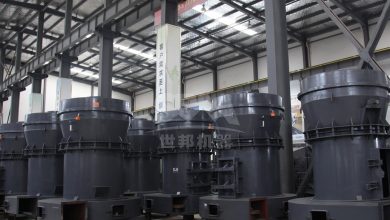
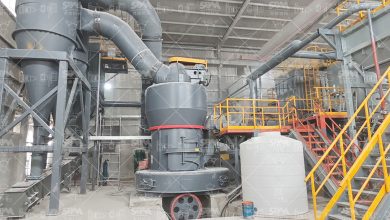
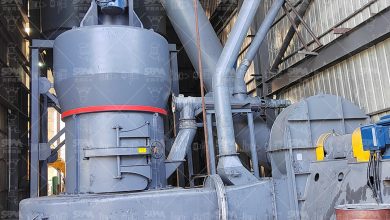
- Ultrafine Vertical Roller Mills & Ring Roller Mills: This is the premier technology for producing talc powders in the 325-2500 mesh (45-5μm) range. They combine the bed grinding efficiency of a VRM with advanced, high-speed classifiers to achieve precise top cuts and narrow distributions.
- Jet Mills: Can achieve extremely fine sizes without contamination, but have very high energy consumption and lower capacity, making them less economical for high-volume talc production.
Recommended Solutions for Ultrafine Talc Production
Based on the critical factors outlined above, we recommend our advanced grinding systems engineered specifically for high-value mineral processing like talc.
Primary Recommendation: SCM Series Ultrafine Mill (45-5μm)
For dedicated, high-volume production of ultrafine and coated talc powders, our SCM Series Ultrafine Mill is the optimal choice. This mill is designed from the ground up to excel in the most demanding fineness ranges.
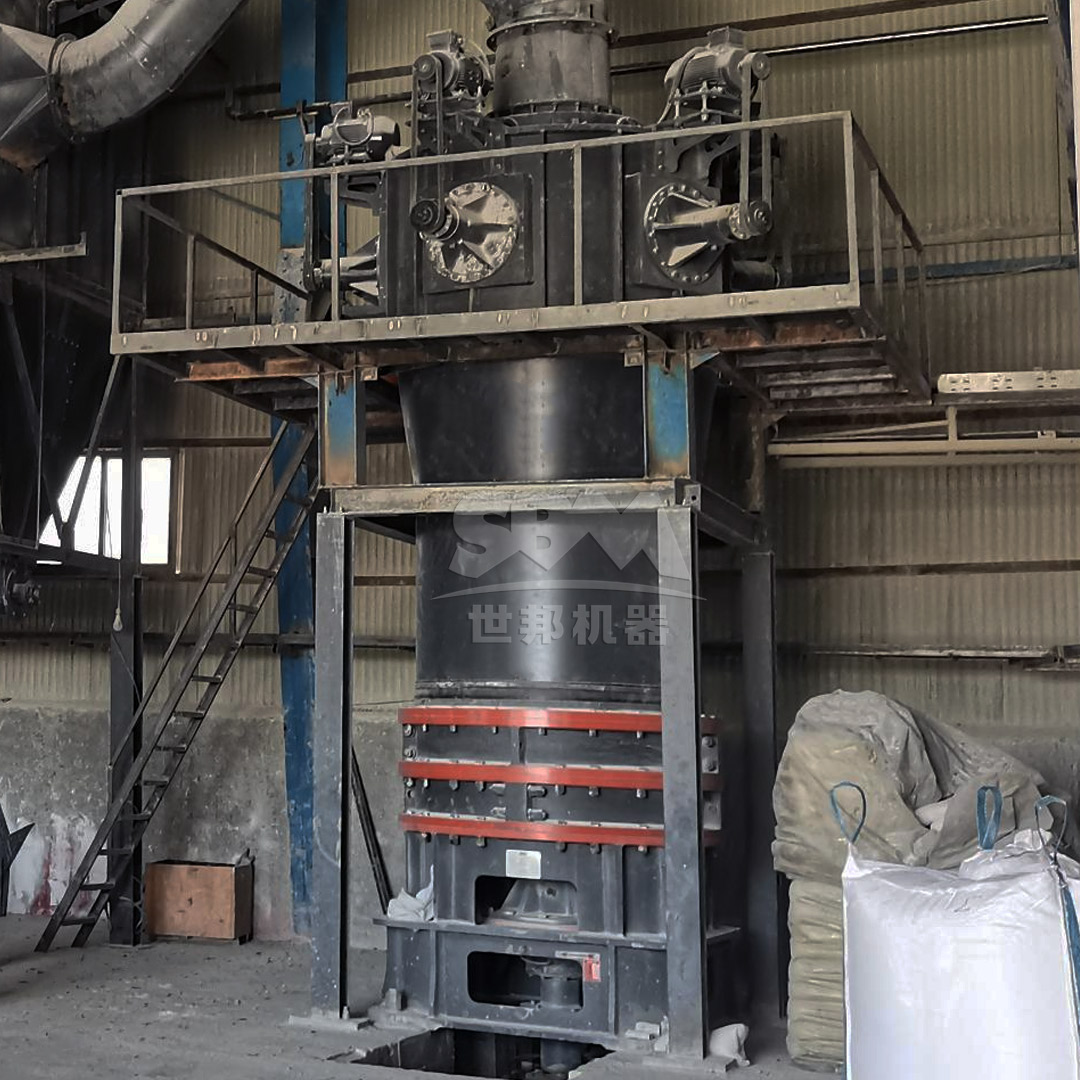
Why it’s ideal for Talc:
- Targeted Fineness: Precisely produces powder in the 325-2500 mesh (45-5μm) range, covering all premium talc applications.
- High Efficiency & Energy Saving: Its grinding principle delivers capacity 2x higher than jet mills while consuming 30% less energy, dramatically reducing your cost per ton.
- High-Precision Classification: Equipped with a vertical turbine classifier, it ensures sharp particle size cuts and a uniform product with no coarse powder mixing.
- Superior Product Integrity: The gentle, layered grinding action helps preserve the natural lamellar (plate-like) structure of talc, which is crucial for its performance as a filler and reinforcing agent.
- Durable & Eco-friendly: Special alloy rollers and rings extend service life. The system operates under full negative pressure with a high-efficiency pulse dust collector, ensuring a clean workshop and emissions that exceed international standards.
Model Selection Example: For a production requirement of 8-10 tons per hour of 1250 mesh talc powder, the SCM1000 model (Main Power: 132kW, Capacity: 1.0-8.5t/h) would be a suitable and efficient configuration.
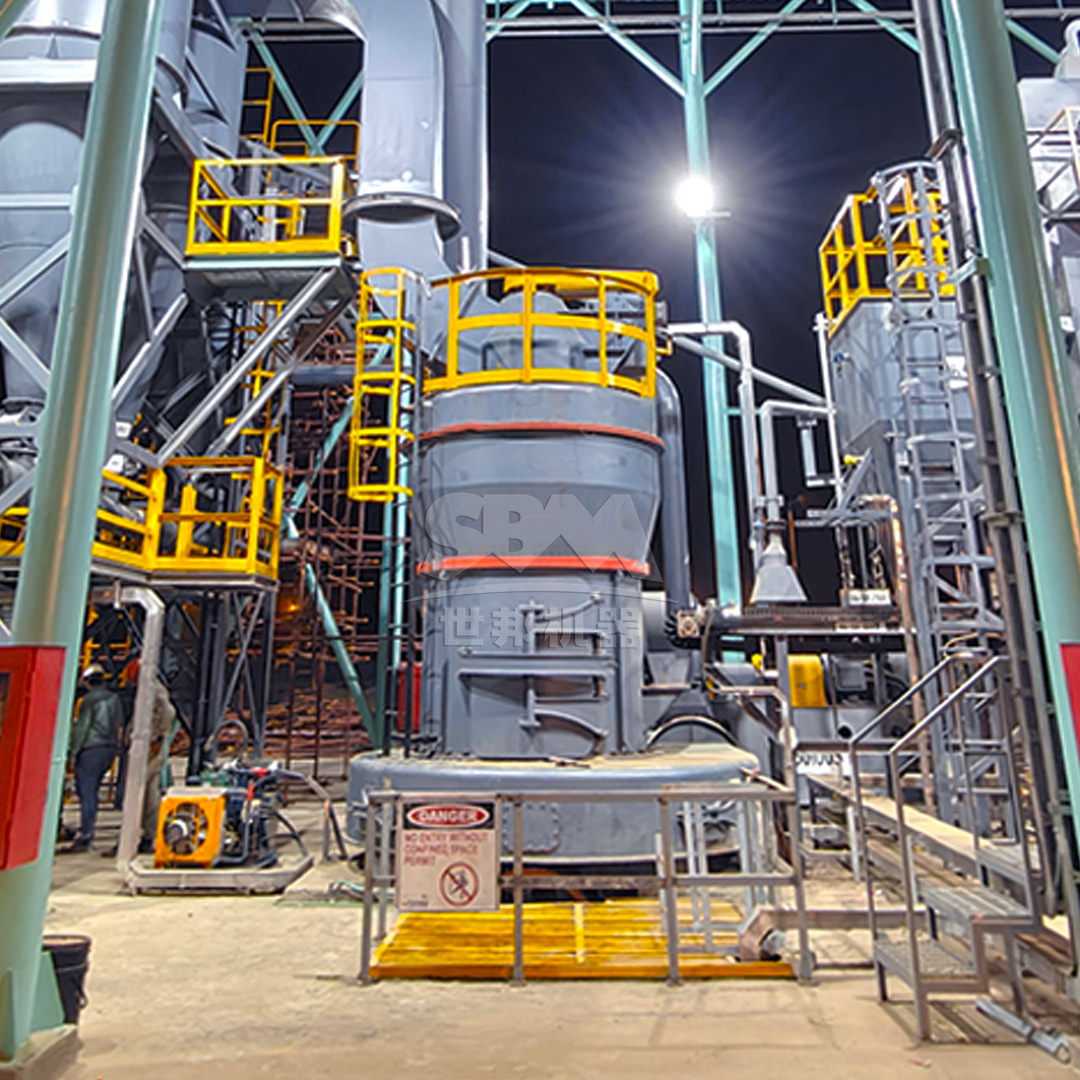
Alternative for High-Capacity Fine Grinding: MTW Series European Trapezium Mill (600-45μm)
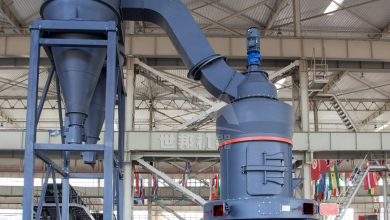
If your primary need is for high-volume production of fine talc (e.g., 200-400 mesh for plastics or paints) with the option to reach 325 mesh, the MTW Series European Trapezium Mill offers outstanding value and reliability.
Why it’s a strong contender:
- Robust Capacity: Models are available with capacities from 3 up to 45 tons per hour, perfect for large-scale operations.
- Advanced Engineering: Features like the curved anti-wear shovel design, integral bevel gear drive (98% efficiency), and wear-resistant volute structure ensure low maintenance costs and high uptime.
- Economic Operation: It provides an excellent balance between capital investment, energy consumption, and output for fine talc products.
Conclusion
Selecting the right ultrafine talc grinding mill requires a careful analysis of your product specifications, capacity needs, and total cost of ownership. While traditional technologies have their place, modern ring roller mills and advanced trapezium mills represent the most efficient and reliable path forward. Our SCM Series Ultrafine Mill stands out as the specialized tool for premium, ultrafine talc production, while the MTW Series provides a powerhouse solution for high-tonnage fine grinding. Investing in the correct technology not only ensures product quality but also secures long-term profitability through operational efficiency and reliability.