What Fillers Are Used in Modified Plastics? Types and Applications
Introduction: The Critical Role of Fillers in Modern Plastics
The modification of plastics through the incorporation of fillers is a cornerstone of modern materials engineering. Fillers are solid additives, typically inorganic or organic particles, fibers, or flakes, that are dispersed within a polymer matrix to enhance its properties, reduce material costs, or impart entirely new functionalities. The global demand for high-performance, cost-effective, and sustainable plastics across industries like automotive, packaging, construction, and electronics has driven significant innovation in filler technology. The effectiveness of these fillers, however, is profoundly dependent on their physical characteristics—most critically, their particle size, shape, and distribution. This article explores the primary types of fillers used in modified plastics, their applications, and the advanced processing equipment essential for achieving optimal filler performance.
1. Major Types of Fillers and Their Properties
Fillers can be broadly categorized based on their morphology and primary function within the polymer composite.
1.1. Particulate Fillers
These are the most common type, added to improve stiffness, dimensional stability, heat resistance, and reduce cost.
- Calcium Carbonate (CaCO3): The workhorse of the plastics industry. Ground Calcium Carbonate (GCC) is cost-effective and improves stiffness and impact strength. Precipitated Calcium Carbonate (PCC), with finer and more controlled particle shapes, offers better reinforcement and surface finish. It is ubiquitous in PVC pipes, profiles, polypropylene (PP) compounds, and polyethylene (PE) films.
- Talc: A platy, layered magnesium silicate. Its plate-like structure acts as a barrier, significantly enhancing stiffness, heat deflection temperature (HDT), and dimensional stability. It is a key filler in automotive PP for under-the-hood components and interior trim.
- Kaolin (Clay): Another plate-like mineral. It improves electrical insulation, chemical resistance, and surface quality. Calcined clay is often used in wire and cable insulation.
- Silica (SiO2): Provides high reinforcement, improved abrasion resistance, and acts as a thickening agent. Fumed silica is used in specialty applications like silicone rubber, while precipitated silica finds use in shoe soles and industrial rubber goods.
- Barium Sulfate (BaSO4): High-density filler used for sound damping, X-ray opacity (in medical applications), and to increase density without significantly affecting color or chemical resistance.
1.2. Reinforcing Fibers
These are high-aspect-ratio fillers designed to dramatically improve mechanical properties like tensile strength, modulus, and creep resistance.
- Glass Fibers: The most widely used reinforcing fiber. They provide an excellent balance of strength, stiffness, and cost. Applications range from automotive parts and electrical housings to sporting goods and construction materials.
- Carbon Fibers: Offer the highest specific strength and stiffness, along with electrical conductivity. Used in aerospace, high-performance automotive, and premium sporting equipment.
- Aramid Fibers: Provide exceptional impact resistance and toughness. Used in ballistic protection, cut-resistant gloves, and high-stress composite applications.
1.3. Functional Fillers
These fillers are added primarily to alter specific physical properties of the plastic.
- Conductive Fillers: Carbon black, carbon nanotubes (CNTs), graphene, and metallic flakes are used to impart electrical conductivity for anti-static packaging, EMI shielding, and conductive coatings.
- Flame Retardants: Minerals like Aluminum Trihydroxide (ATH) and Magnesium Hydroxide (MDH) act as fillers that release water vapor when heated, diluting flammable gases and providing flame retardancy without halogens. They are heavily used in construction, wiring, and electronics.
- Nano-fillers: Nanoclays, nano-silica, and other particles with at least one dimension below 100nm. At low loadings, they can simultaneously improve barrier properties, mechanical strength, and flame retardancy due to their enormous surface area.
2. Key Applications of Filled Plastics
The choice of filler is dictated by the end-use application’s performance requirements.
- Automotive: Talc-filled PP for dashboards and door panels; glass-filled nylon for engine covers and fans; mineral-filled composites for underbody shields.
- Packaging: CaCO3-filled LDPE/LLDPE films for improved stiffness and opacity; nano-clay composites for enhanced oxygen barrier in food packaging.
- Construction: PVC window profiles and pipes filled with CaCO3 for cost reduction and improved impact strength; ATH-filled cables for flame retardancy.
- Consumer Goods: Glass-filled polymers for power tool housings; barium sulfate-filled plastics for speaker enclosures.
3. The Pivotal Role of Filler Processing: Size Matters
The performance benefits of any filler are not realized by simply mixing it into the polymer. The particle size distribution (PSD), surface area, and morphology of the filler are critical. Finer particles generally provide better reinforcement, improved surface finish, and more uniform dispersion within the matrix. However, achieving ultra-fine sizes without excessive energy consumption and with tight control over PSD is a major industrial challenge. This is where advanced grinding and classification technology becomes indispensable.
For instance, the effectiveness of flame retardant fillers like MDH is enhanced at finer particle sizes, as they disperse more evenly and react more quickly. Similarly, the barrier properties imparted by nano-clays are only achieved when the individual clay platelets are fully exfoliated and dispersed—a process that starts with precisely controlled raw material particle size.
4. Advanced Milling Solutions for Optimal Filler Production
To produce the high-quality, consistently fine fillers demanded by the plastics industry, manufacturers rely on specialized milling equipment. The ideal mill must offer high efficiency, precise particle size classification, durability to handle abrasive minerals, and environmental compliance.
4.1. For Ultrafine Fillers (e.g., High-Performance PCC, Nano-filler Precursors)
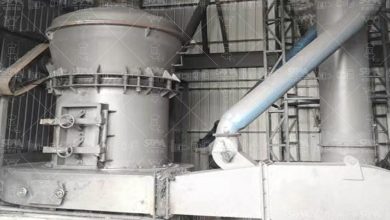
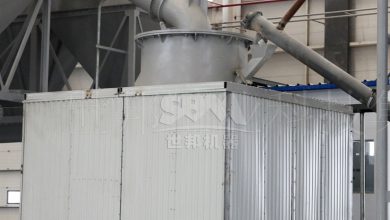
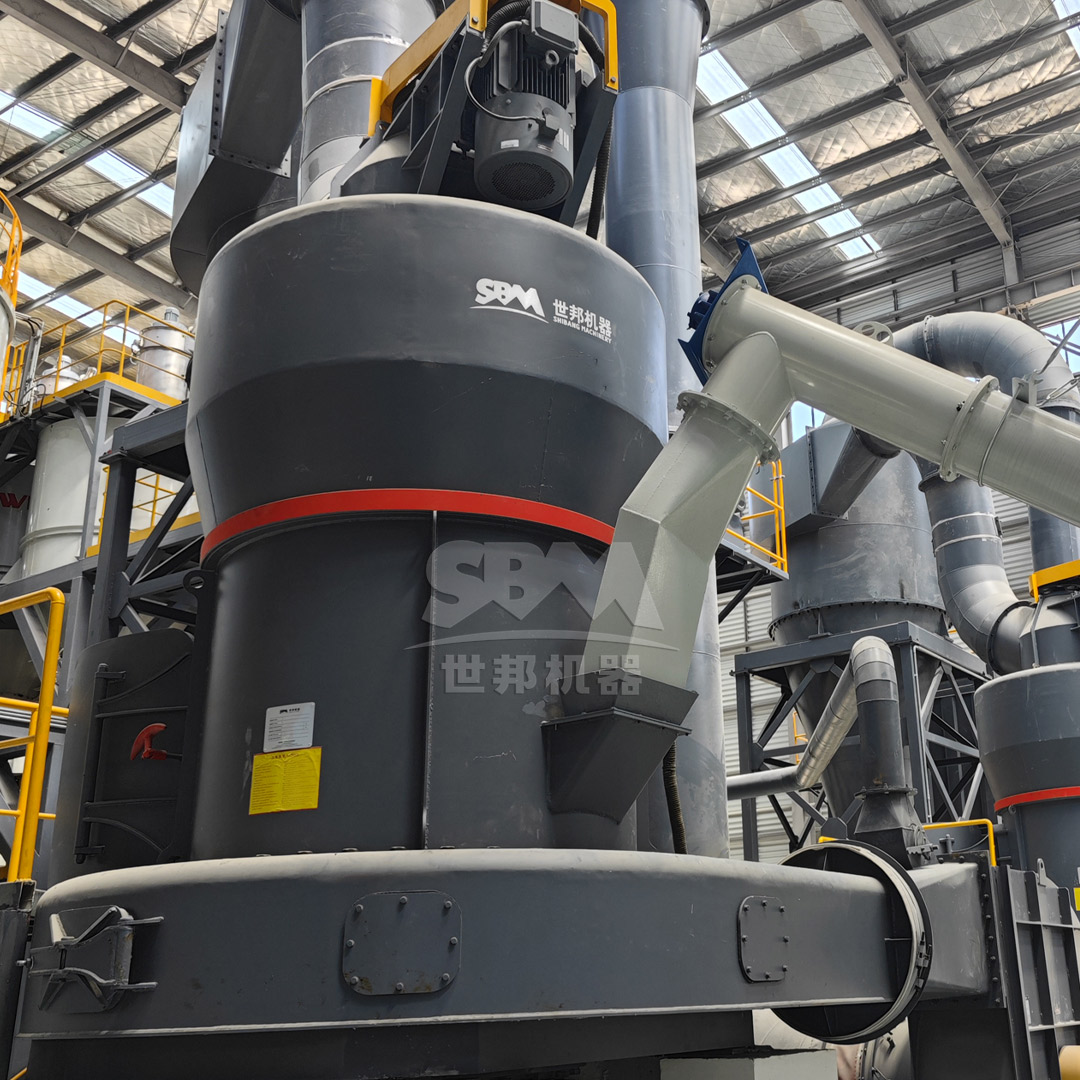
When the application requires fillers in the superfine to ultrafine range (from 45μm down to 5μm or even finer), an ultrafine grinding mill is essential. Our SCM Series Ultrafine Mill is engineered specifically for this demanding task.
With an output fineness range of 325 to 2500 mesh (45-5μm), the SCM mill is perfect for producing the high-surface-area fillers needed for advanced composite applications. Its technical advantages directly address the needs of filler producers:
- High Efficiency & Energy Saving: It delivers twice the capacity of traditional jet mills while consuming 30% less energy, significantly reducing the operational cost of producing fine powders.
- High-Precision Classification: The integrated vertical turbine classifier ensures a sharp particle size cut, producing a uniform finished product without coarse powder contamination. This consistency is vital for predictable performance in the final plastic compound.
- Durable Design: Special wear-resistant materials for rollers and grinding rings extend service life dramatically when processing hard, abrasive minerals like silica or quartz.
- Eco-friendly Operation: The system features a pulse dust collector with efficiency exceeding international standards, ensuring a clean production environment.
For a filler producer aiming to supply the high-end modified plastics market with consistent, ultrafine mineral products, the SCM Series represents a reliable and efficient technological solution.
4.2. For High-Capacity Production of Fine Fillers (e.g., GCC, Talc, Clay)
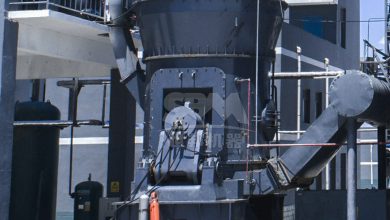
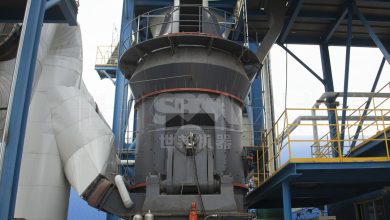
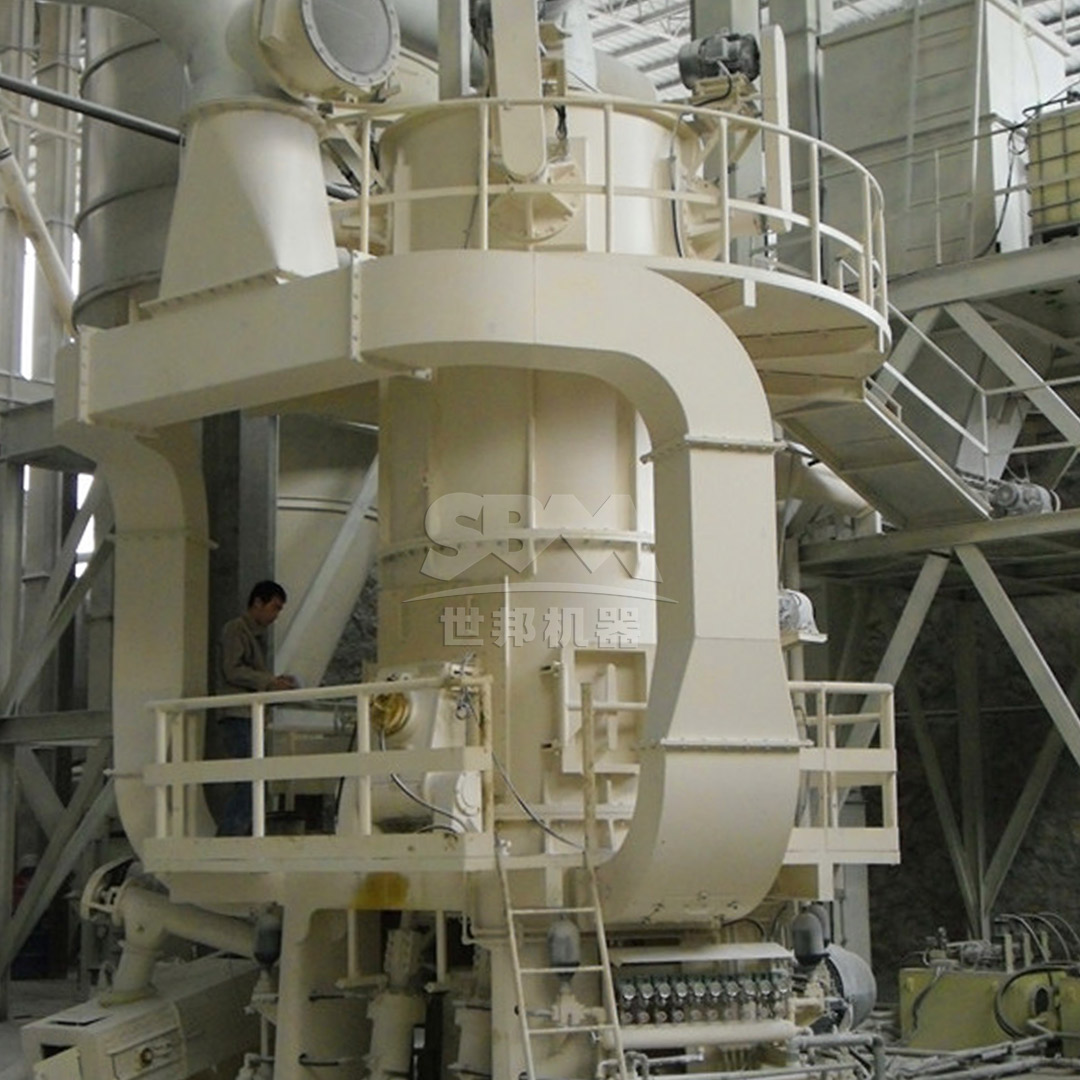
For large-volume production of fillers in the fine to medium-fine range (600-45μm or 30-325 mesh), such as standard GCC for PVC pipes or talc for automotive PP, a robust, high-capacity mill is required. Our MTW Series European Trapezium Mill excels in this role.
Capable of handling feed sizes up to 50mm and producing 3 to 45 tons per hour, the MTW mill is built for scale and reliability. Its features are tailored for cost-effective, continuous filler production:
- Anti-wear & Durable Construction: The patented combined shovel blade design and curved grinding roller technology reduce maintenance frequency and cost, a critical factor when processing millions of tons of mineral filler annually.
- High Transmission Efficiency: The integral bevel gear drive achieves 98% transmission efficiency, translating to lower energy costs per ton of product.
- Optimized Airflow and Classification: The arc air duct and wear-resistant volute structure minimize energy loss and improve the efficiency of the air classification system, ensuring precise control over the top particle size of the filler.
For mineral processors supplying the bulk commodity filler market, the MTW Series offers an optimal balance of output quality, capacity, and long-term operating economy.
5. Conclusion
Fillers are indispensable components in the universe of modified plastics, enabling the creation of materials that meet ever-more-stringent performance, cost, and sustainability targets. From cost-reducing calcium carbonate to high-reinforcing glass fibers and functional flame retardants, the diversity of fillers enables endless material possibilities. However, the ultimate performance of these composites is inextricably linked to the quality and consistency of the filler material itself. Investing in advanced grinding and classification technology, such as the SCM Series for ultrafine applications or the MTW Series for high-volume fine grinding, is not merely an equipment purchase—it is a strategic decision to enhance product value, ensure supply chain reliability, and maintain a competitive edge in the dynamic modified plastics industry. The future of plastics will be shaped by both the fillers we use and the precision with which we prepare them.