Can a Grinding Mill Process Limestone Kiln Rings or Clinker Blocks?
Introduction: The Challenge of Hard, Agglomerated Materials
In the cement and lime production industries, operators frequently encounter challenging by-products and intermediate materials that require further size reduction for recycling, disposal, or alternative applications. Two such materials are limestone kiln rings and clinker blocks. Kiln rings are hard, sintered deposits that form on the refractory lining of rotary kilns during the calcination of limestone, often composed of re-crystallized calcium carbonate and various impurities. Clinker blocks, on the other hand, are large, fused agglomerates of cement clinker that can form due to process upsets or during storage. The question arises: can standard industrial grinding mills effectively process these exceptionally hard and often large feed materials?
The answer is a qualified yes, but it hinges critically on selecting the correct type of grinding mill with the appropriate design, power, and wear resistance to handle the specific physical characteristics of these materials. This article explores the requirements for processing limestone kiln rings and clinker blocks and highlights optimal milling solutions.
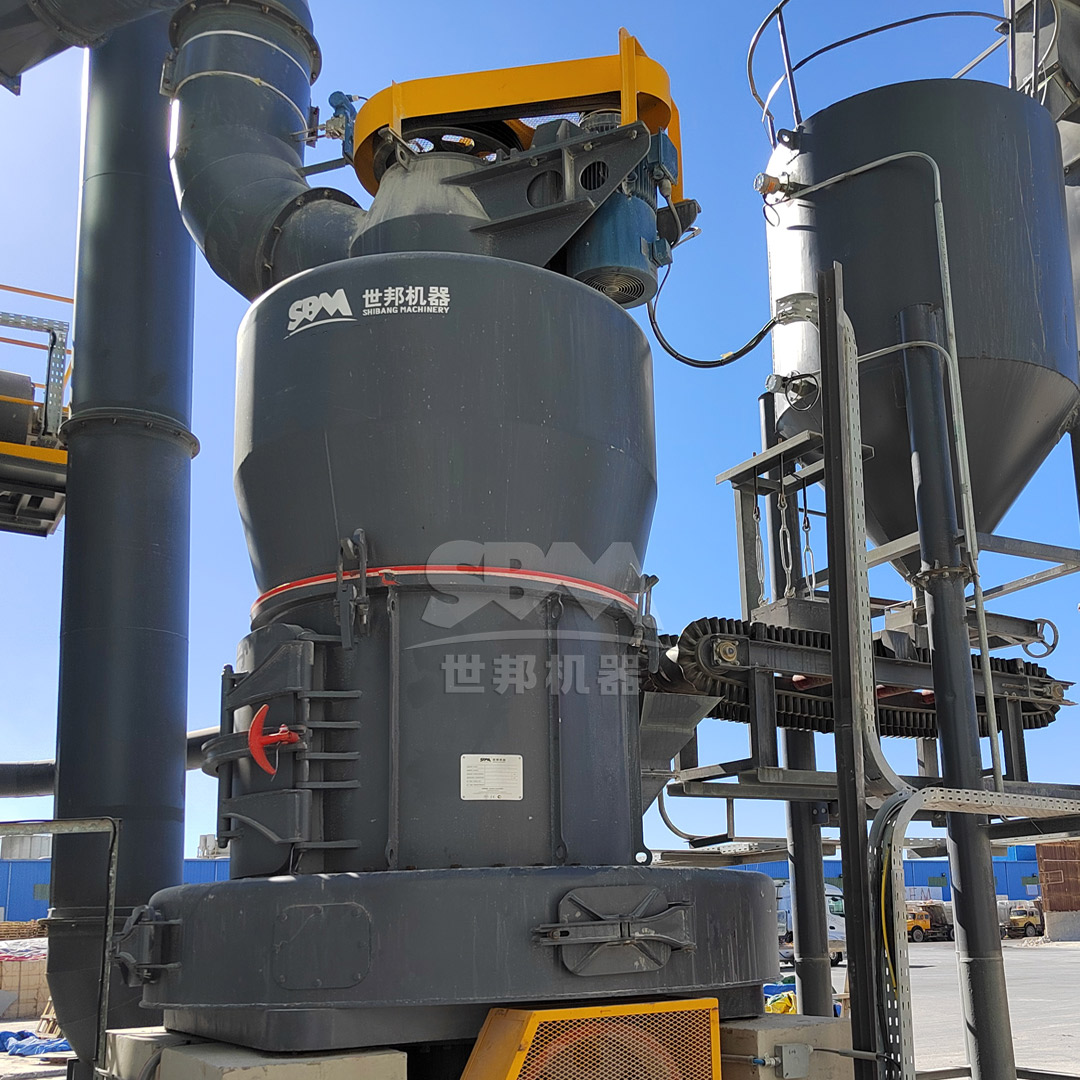
Material Characteristics and Grinding Challenges
Successfully grinding these materials requires an understanding of their key properties:
- High Hardness and Abrasiveness: Both kiln rings and clinker blocks are highly sintered, resulting in significant hardness (often above 5 Mohs) and abrasiveness. This leads to rapid wear of grinding components.
- Large and Irregular Feed Size: These materials often exist as large chunks or blocks, sometimes exceeding 200mm, requiring primary size reduction before fine grinding.
- Variable Composition: Kiln rings can contain uneven pockets of harder impurities, creating inconsistent grinding resistance.
- Goal of Grinding: The objective is typically to reduce the material to a fine powder (e.g., for use as a cement additive, soil amendment, or landfill cover), requiring a mill capable of high reduction ratios.
Mill Technology Selection: Key Considerations
Not all grinding mills are created equal for this task. Key selection criteria include:
- Primary Crushing Capability: The mill must accept a large feed size or be part of a system with a primary jaw crusher.
- Wear Resistance: Critical components like rollers, grinding rings/tables, and liners must be made from special, high-chromium or alloyed materials to withstand abrasion.
- Grinding Force & Principle: The mill must employ a high-pressure grinding mechanism, such as roller-to-table or roller-to-ring compression, rather than simple impact.
- System Robustness: The drive train, classifier, and housing must be designed for processing hard, dense materials without excessive vibration or downtime.
Recommended Milling Solutions
Based on the stringent requirements above, two mill series stand out as particularly suitable for processing limestone kiln rings and clinker blocks.
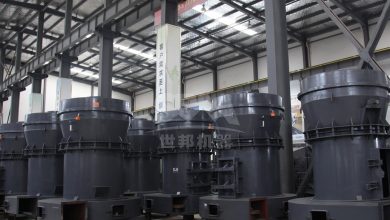
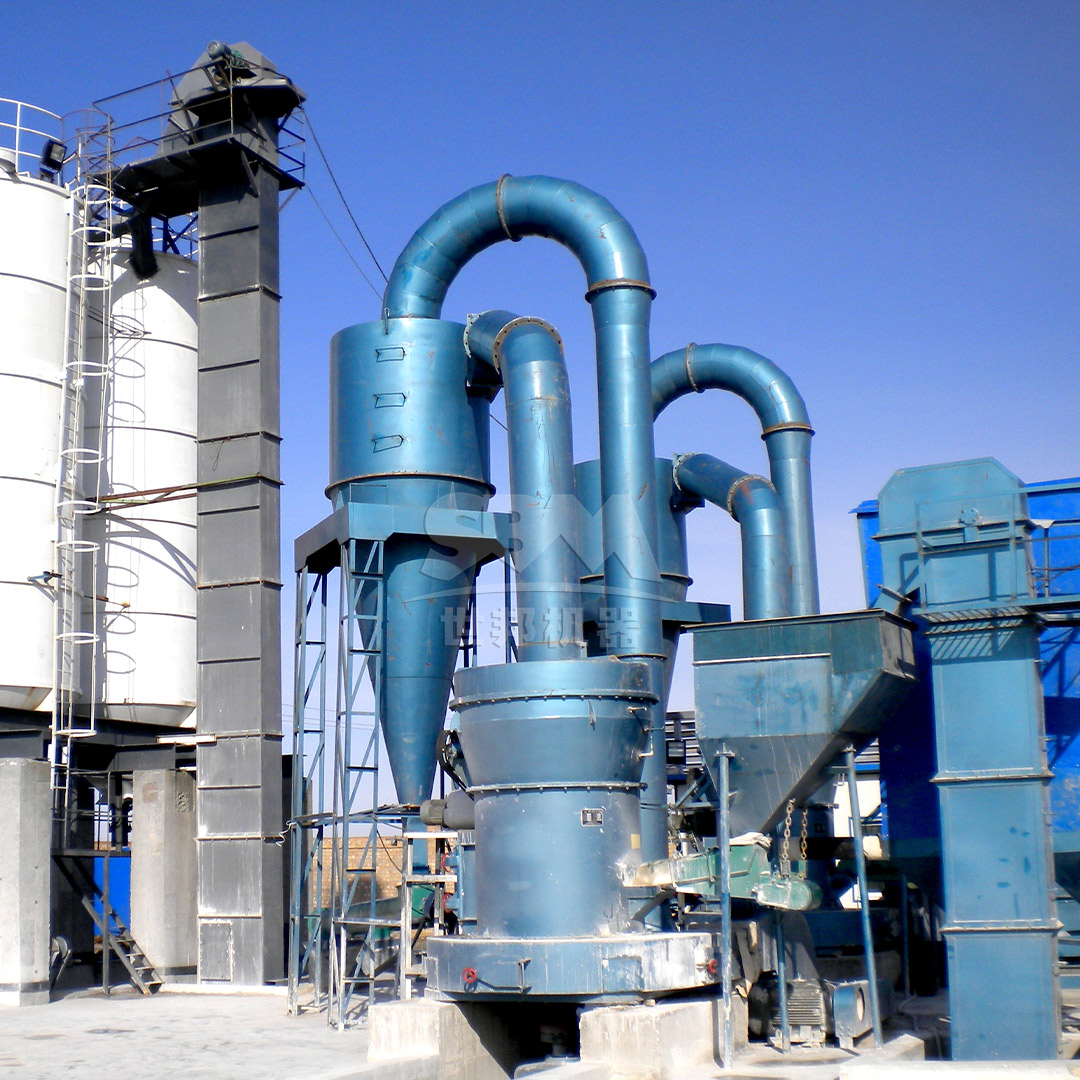
1. For High-Capacity, Coarse to Medium-Fine Grinding: The MTW Series European Trapezium Mill
For operations aiming to process significant volumes of pre-crushed kiln rings or clinker blocks into products in the 30-325 mesh range (approximately 0.045mm to 0.6mm), the MTW Series European Trapezium Mill is an excellent choice. Its design directly addresses the challenges of abrasive materials.
Its anti-wear shovel design with combined, curved blades minimizes maintenance costs when handling hard feed. The integral bevel gear drive provides a remarkable 98% transmission efficiency, ensuring ample power is delivered to the grinding rollers for crushing hard blocks. Furthermore, the wear-resistant volute structure and optimized arc air duct are built to withstand the abrasive nature of the powder, reducing long-term maintenance costs by up to 30%.
With an input size capability of up to ≤50mm and capacities ranging from 3 to 45 tons per hour depending on the model, the MTW series can form the core of a robust recycling system. A model like the MTW215G, with a 280kW main motor and capacity of 15-45 t/h, is ideally suited for large-scale processing of these tough materials.
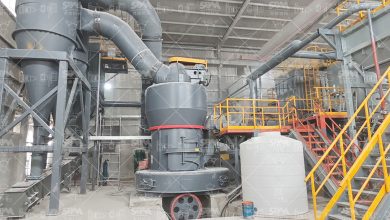
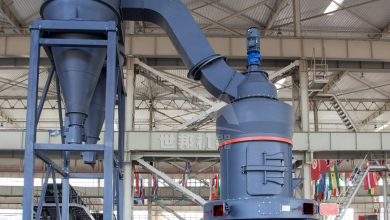
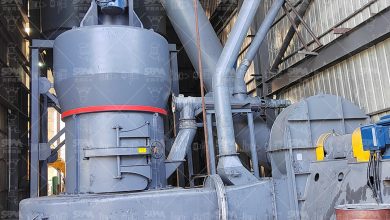
2. For Integrated Pre-Grinding and High-Efficiency Processing: The LM Series Vertical Roller Mill (Pre-grinding Models)
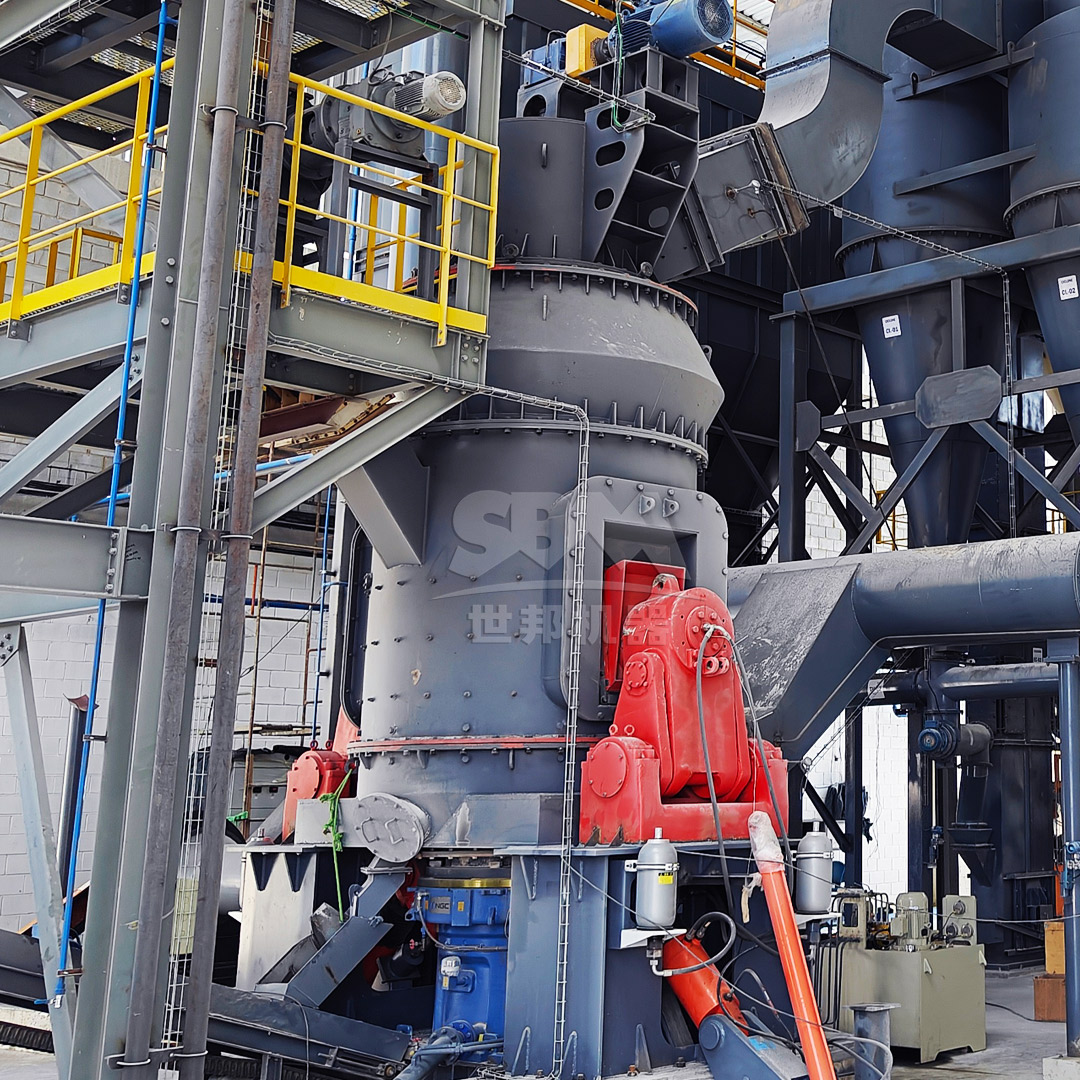
When the application involves direct grinding of smaller block fragments or requires an ultra-efficient, integrated system, the LM Series Vertical Roller Mill, specifically its Vertical Pre-grinding Mill models (LM-Y series), is arguably the superior technology. This mill is explicitly designed for materials like cement clinker and limestone.
The LM-Y series operates on a highly efficient bed grinding principle, where material is crushed between rollers and a rotating table under high pressure. This method is not only energy-efficient—consuming 30-50% less power than traditional ball mills—but also generates less heat and noise. Its modular grinding roller assembly allows for quick replacement of wear parts, a critical feature when processing abrasive kiln rings.
Most importantly for handling blocky feed, these models are multi-functional, integrating characteristics of crushing and grinding. With a maximum feed size of ≤20mm and circulation capacities reaching up to 1000 tons per hour in the largest models, they can handle the tough, variable feed presented by broken-up clinker blocks and kiln rings. For a dedicated processing line, a model such as the LM340Y, with its 2500kW power and 80-100 t/h capacity, represents a top-tier, high-throughput solution.
System Design and Best Practices
Implementing a mill for this purpose requires a holistic system approach:
- Pre-Crushing: A primary jaw crusher or heavy-duty hammer mill is almost always necessary to reduce the large blocks and rings to a size acceptable for the fine grinding mill (e.g., below 50mm).
- Feed System: A robust, variable-speed feeder (like the GZ series mentioned in your specs) is needed to ensure a steady, controlled feed rate to the mill, preventing overload.
- Dust Collection: The milling process will generate dust. Integrating the mill with a high-efficiency pulse dust collection system (exceeding 99.9% efficiency) is essential for environmental compliance and product recovery.
- Wear Monitoring: Implement a scheduled maintenance program to monitor the thickness of grinding rollers, tables, and liners, leveraging the mill’s design for quick component changes.
Conclusion
Grinding limestone kiln rings and cement clinker blocks is a demanding but entirely feasible industrial process. The key to success lies in moving beyond standard milling equipment and selecting technology engineered for high abrasion resistance, large reduction ratios, and robust operation. The MTW Series European Trapezium Mill offers a powerful and reliable solution for coarse to medium-fine grinding applications, while the LM Series Vertical Pre-grinding Mill provides an integrated, high-efficiency solution specifically tailored for such hard, siliceous materials. By carefully matching the mill technology to the material characteristics and designing a complete system with proper pre-crushing and dust control, operators can effectively transform these challenging by-products into valuable, usable powders.