Applications of Alumina Powder Grinding Mill in Modern Industry
Introduction: The Critical Role of Alumina Powder
Alumina (Al2O3), a cornerstone of modern materials science, is indispensable across a vast spectrum of industries. Its exceptional properties—high hardness, excellent thermal stability, superior electrical insulation, and remarkable chemical inertness—make it a material of choice. However, the performance of alumina in its final application is intrinsically linked to its particle size, distribution, and morphology. This is where advanced grinding technology becomes paramount. The process of transforming raw alumina into precisely controlled powders is not merely a mechanical operation; it is a precision engineering discipline that unlocks the material’s full potential. This article explores the diverse industrial applications of fine and ultrafine alumina powders and examines the grinding mill technologies that make these applications possible.
Key Industrial Applications of Fine Alumina Powder
1. Advanced Ceramics and Structural Components
This sector represents one of the most demanding applications for high-purity, fine-grained alumina. Powders with tightly controlled particle size distributions (typically in the submicron to low-micron range) are essential for sintering dense, high-strength ceramic components. These include wear-resistant liners, cutting tools, biomedical implants (like hip joints), and substrates for electronic packages. Uniform particle size ensures minimal porosity and optimal mechanical properties after sintering.
2. Abrasives and Polishing Compounds
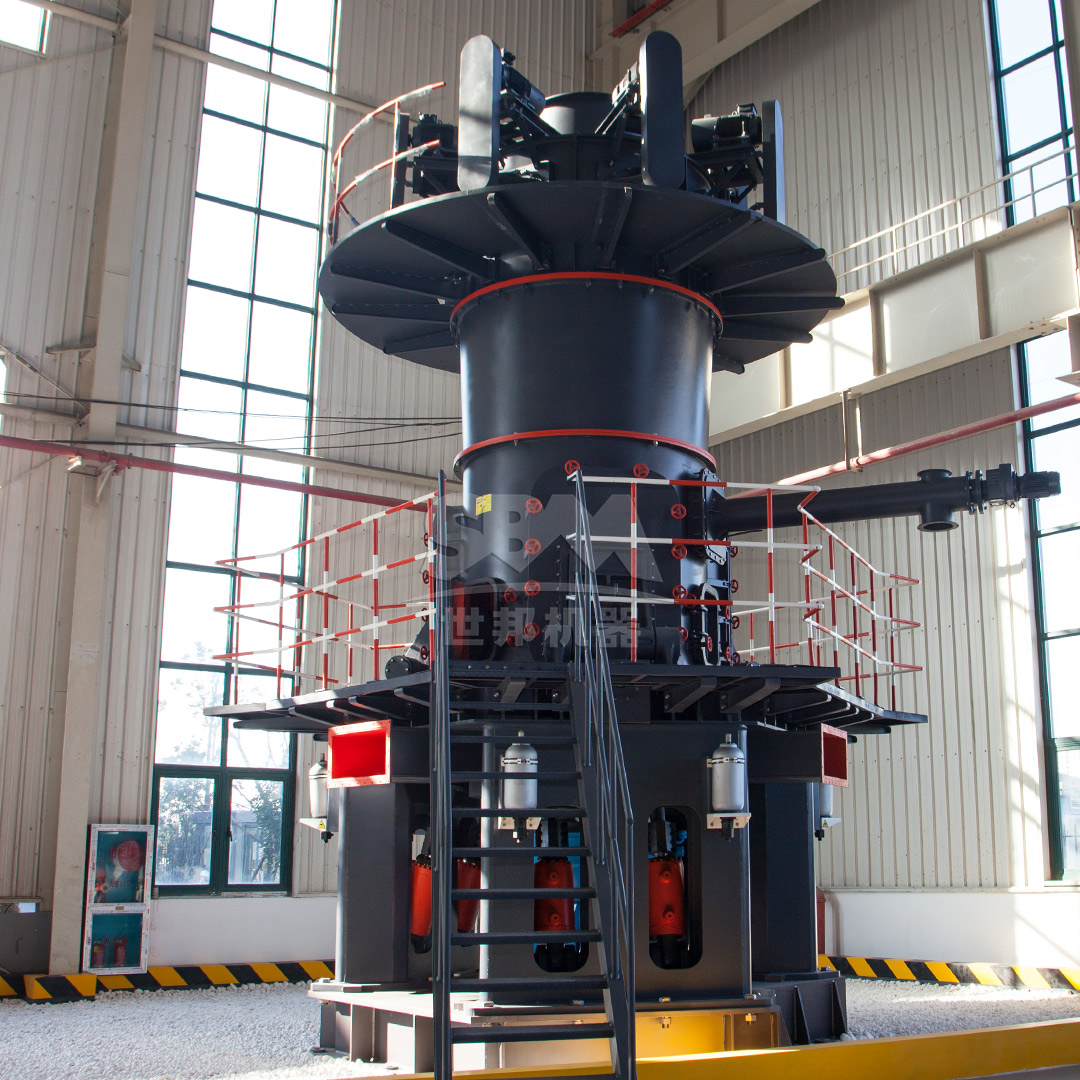
Alumina’s hardness (9 on the Mohs scale) makes it ideal for abrasive applications. The grit size directly determines the aggressiveness and finish quality. Coarser powders (e.g., 30-100 mesh) are used in grinding wheels and sandpaper, while finer and ultrafine powders (from 325 mesh down to micron and submicron levels) are critical for precision lapping, polishing of semiconductor wafers, optical lenses, and hard disk substrates. The consistency of particle shape and size is crucial to prevent scratching and achieve a mirror finish.
3. Refractory Materials
In steelmaking, glass production, and cement kilns, alumina-based refractories must withstand extreme temperatures and corrosive environments. Here, alumina powders of various fineness are used as a key component. Fine alumina fillers improve the packing density and sintering behavior of refractory bricks and castables, enhancing their thermal shock resistance and service life.
4. Catalysts and Catalyst Supports
The high surface area of activated alumina makes it an excellent catalyst support in the petrochemical and automotive industries. Grinding to create porous, high-surface-area powders is vital. Furthermore, alumina itself acts as a catalyst in various chemical processes. The catalytic activity is highly dependent on the available surface area, which is maximized by producing ultrafine particles.
5. Functional Fillers and Coatings
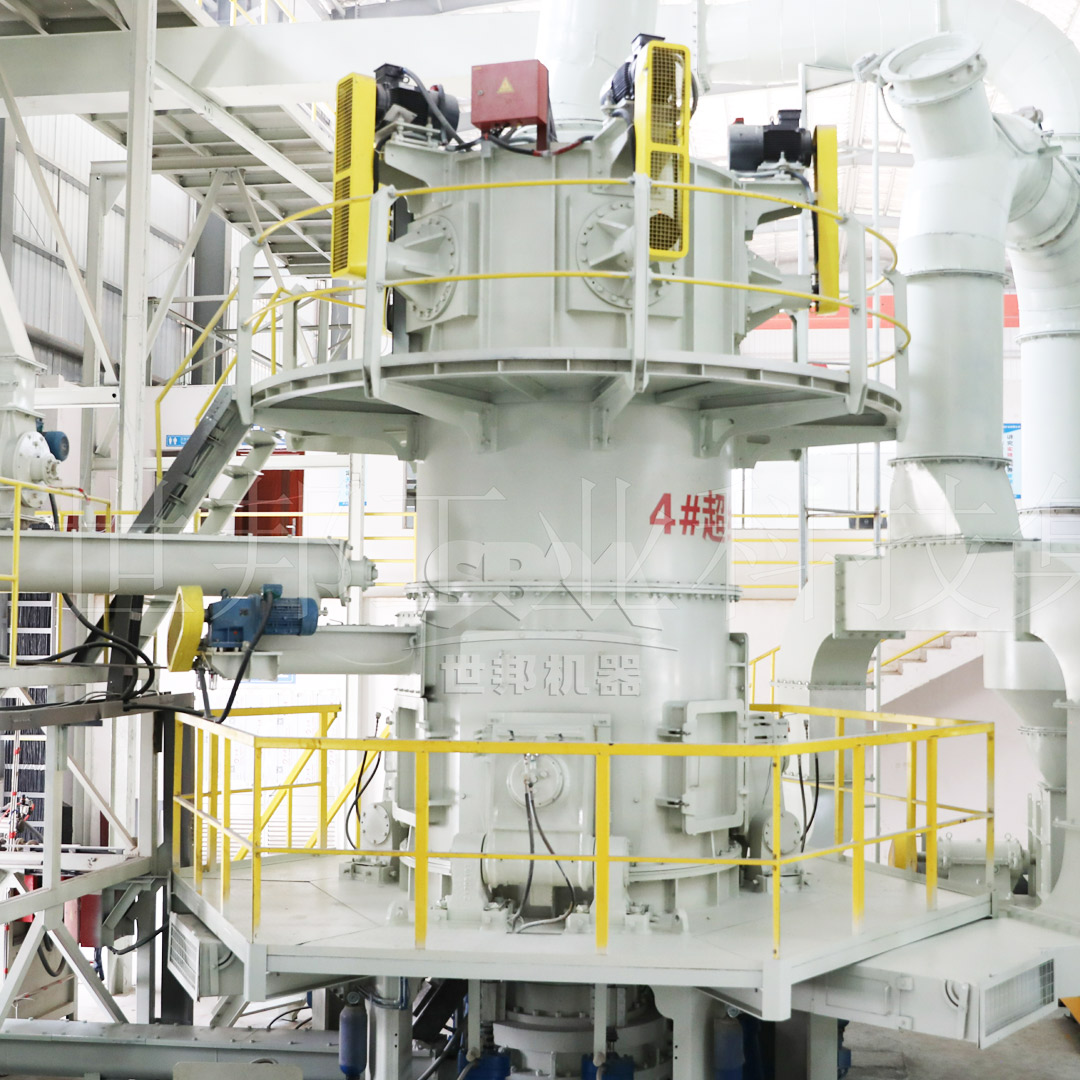
Finely ground alumina is used as a functional filler in composites, paints, and coatings to improve hardness, wear resistance, thermal conductivity, and corrosion protection. In anti-slip coatings and epoxy floorings, specific particle sizes provide the desired texture and durability.
Technological Demands on Alumina Grinding Mills
Grinding alumina is challenging due to its high hardness, which leads to severe wear on grinding media and mill internals. An ideal mill for alumina processing must meet several critical criteria:
- High Wear Resistance: Components like rollers, rings, and liners must be made from special alloys or ceramics to withstand abrasion.
- Precise Classification: Ability to produce a narrow, consistent particle size distribution with minimal oversize or fines.
- Energy Efficiency: Alumina grinding is energy-intensive; mills must maximize size reduction per unit of energy consumed.
- Contamination Control: The grinding process must minimize the introduction of metallic impurities from wear, especially for high-purity applications.
- System Flexibility: Capability to handle different feed sizes and produce a wide range of output fineness to serve multiple market segments.
Recommended Grinding Solutions for Alumina Processing
Selecting the right mill depends on the target fineness, required capacity, and purity specifications. Based on extensive industry experience, we recommend the following robust solutions from our portfolio.
For Ultrafine and High-Purity Alumina (325-2500 mesh)
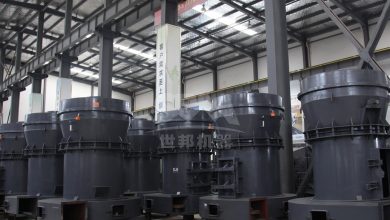
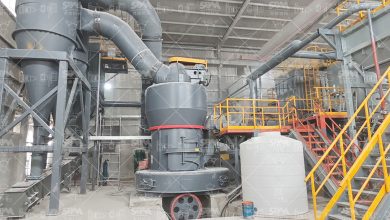
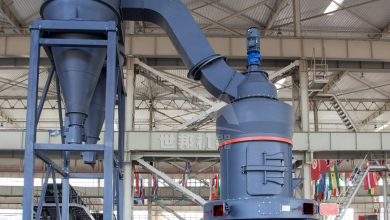
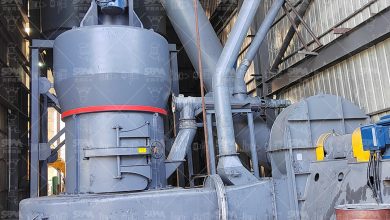
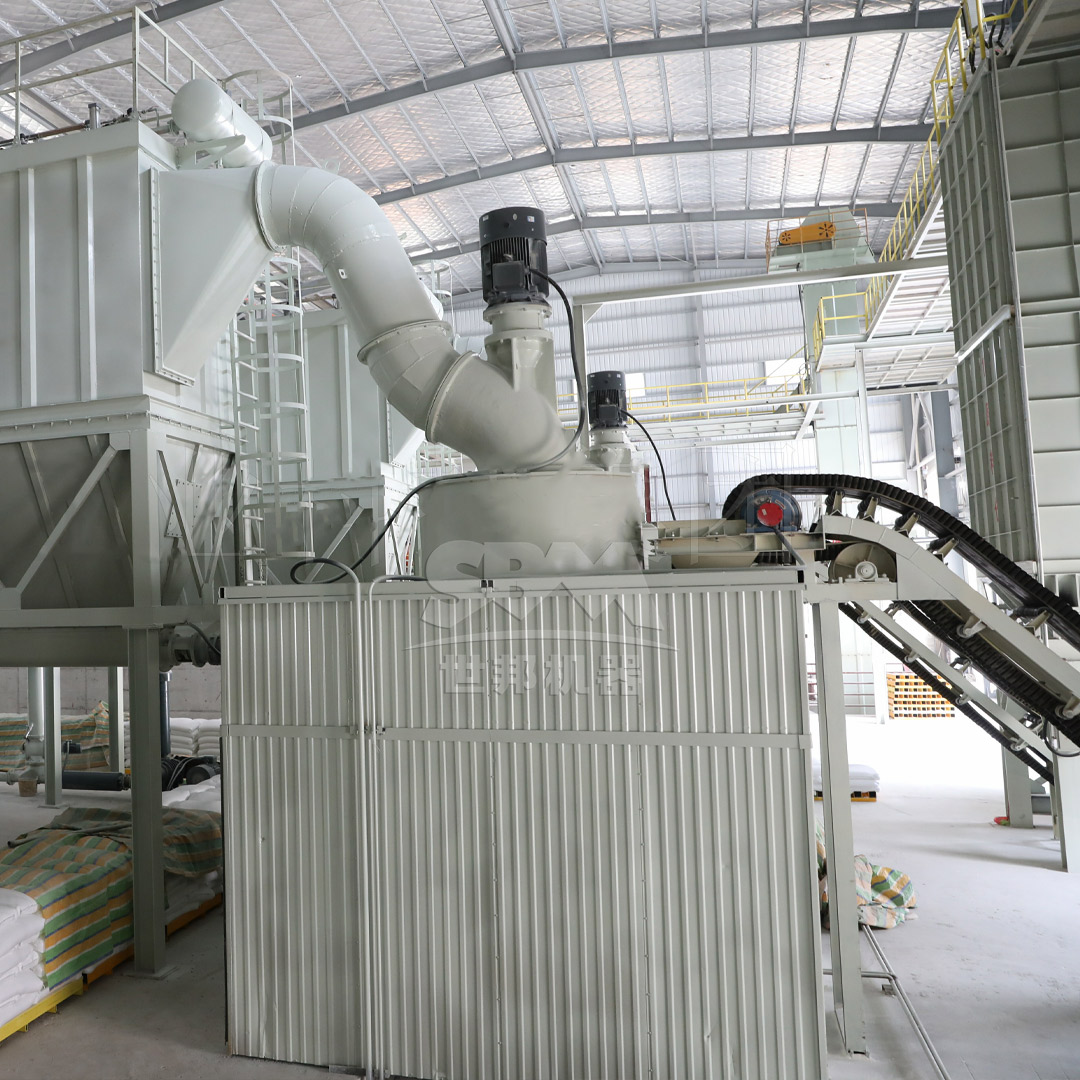
Our SCM Series Ultrafine Mill is the premier choice for producing high-value, ultrafine alumina powders. Its design directly addresses the challenges of hard material processing. The mill features special material grinding rollers and rings that extend service life several times over compared to conventional designs, critically reducing contamination risk. Its high-precision vertical turbine classifier ensures sharp particle size cuts, delivering uniform product without coarse powder mixing—a must for advanced ceramics and polishing compounds. Furthermore, its grinding efficiency is exceptional, offering capacity twice that of jet mills while consuming 30% less energy. The fully enclosed system with high-efficiency pulse dust collection guarantees an environmentally clean operation, protecting both product purity and the workplace.
For High-Capacity Fine Grinding (30-325 mesh)
For applications requiring larger volumes of fine alumina powder, such as refractories or filler production, our MTW Series European Trapezium Mill offers an optimal balance of capacity, efficiency, and durability. Its patented wear-resistant shovel design and curved grinding roller technology significantly reduce maintenance costs and downtime when processing abrasive materials. The integral bevel gear drive provides a high transmission efficiency of up to 98%, translating to lower operational costs. The optimized arc air duct and wear-resistant volute structure ensure stable airflow and efficient classification at high throughputs, making it ideal for large-scale industrial production lines.
Conclusion
The evolution of modern industry is closely tied to the advancement of material processing technologies. As the demand for high-performance alumina grows across sectors from electronics to energy, the role of sophisticated grinding mills becomes increasingly central. Investing in the right grinding technology—one that offers precision, durability, energy efficiency, and purity—is not an operational cost but a strategic decision that defines product quality and competitive edge. Our engineered grinding solutions, such as the SCM and MTW series, are designed to meet these exacting standards, empowering producers to unlock the full potential of alumina and drive innovation forward.