Utilization Methods of Calcium Carbide Slag: Recycling and Sustainable Applications
Introduction
Calcium carbide slag (CCS), a by-product of acetylene gas production from calcium carbide hydrolysis, presents a significant environmental and economic challenge for the chemical industry. Composed primarily of calcium hydroxide (Ca(OH)2) with impurities like silica, alumina, and carbon, its traditional disposal in landfills leads to land occupation, alkalinity pollution, and resource wastage. However, with the global push towards a circular economy, CCS is increasingly recognized not as waste, but as a valuable secondary resource. This article explores advanced methods for recycling and sustainably utilizing calcium carbide slag, highlighting the critical role of modern grinding technology in transforming this industrial by-product into high-value materials.
1. Characterization and Challenges of Calcium Carbide Slag
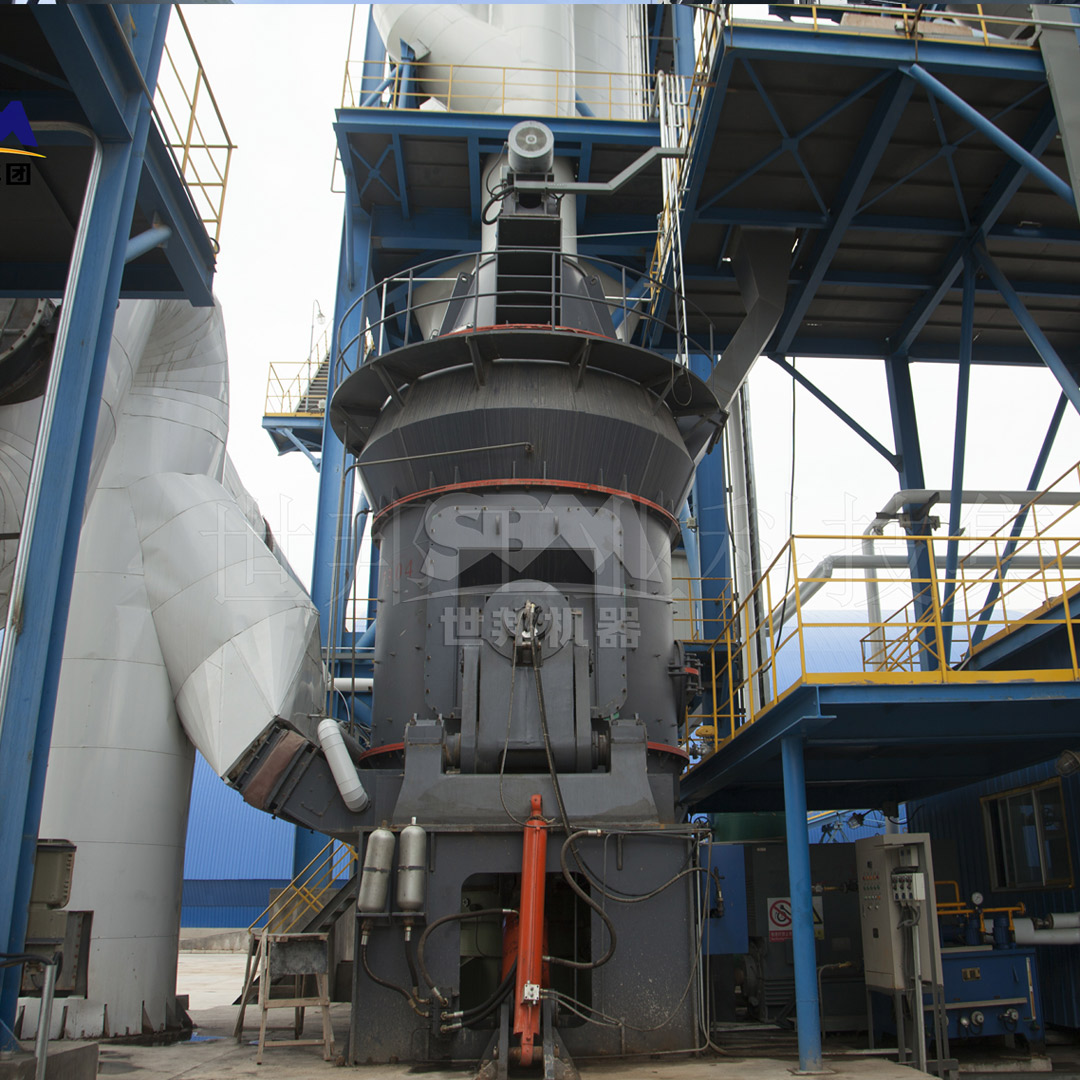
Fresh CCS typically contains 70-85% Ca(OH)2 and has a high moisture content (up to 40-50%), making it sticky and difficult to handle. Upon drying, it forms a hard, compact mass. The primary challenge in its utilization lies in processing its physical form—achieving a consistent, fine, and reactive powder is essential for most high-value applications. Traditional grinding equipment often struggles with its abrasive nature and tendency to agglomerate, leading to high energy consumption, low efficiency, and inconsistent product quality. Therefore, selecting appropriate preprocessing and milling technology is the first and most crucial step in any CCS valorization pathway.
2. High-Value Recycling Pathways and Applications
2.1. Construction and Building Materials
This represents the largest volume application for CCS, leveraging its high calcium content.
- Supplementary Cementitious Material (SCM): Finely ground CCS can partially replace Portland cement. Its pozzolanic and latent hydraulic properties contribute to strength development, especially in later ages. The key is achieving a Blaine fineness exceeding 400 m2/kg, which maximizes reactivity.
- Autoclaved Aerated Concrete (AAC): CCS is an excellent calcium source for AAC production, reacting with silica sand under high-pressure steam to form strength-giving tobermorite.
- Stabilization/Solidification Agent: CCS is effective in treating heavy metal-contaminated soils and solid wastes, immobilizing pollutants through precipitation and adsorption mechanisms.
2.2. Environmental Remediation
CCS’s alkalinity is harnessed for neutralization and purification.
- Flue Gas Desulfurization (FGD): CCS slurry can absorb SO2 from industrial flue gases, forming gypsum (CaSO4·2H2O), which is itself a saleable product.
- Acidic Wastewater Treatment: As a low-cost alkaline agent, CCS can neutralize acidic mine drainage and industrial effluents, while also precipitating dissolved metals.
2.3. Chemical and Industrial Raw Materials
- Precipitated Calcium Carbonate (PCC): High-purity CCS can be carbonated with CO2 (potentially from flue gas) to produce high-value PCC used in paper, plastics, and paints.
- Calcium-Based Chemical Production: CCS serves as a feedstock for producing calcium chloride, calcium nitrate, and other chemicals.
3. The Pivotal Role of Advanced Grinding Technology
The economic and technical feasibility of nearly all the above applications hinges on efficient size reduction. The goal is to produce a powder with a specific, often very fine, particle size distribution (PSD) that ensures high chemical reactivity, good workability in mixes, or optimal physical properties.
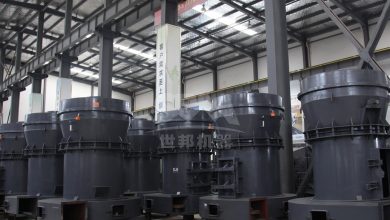
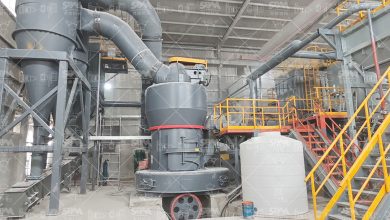
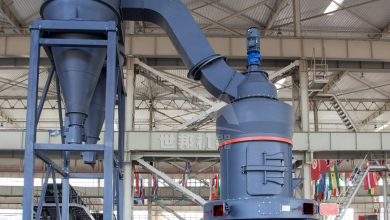
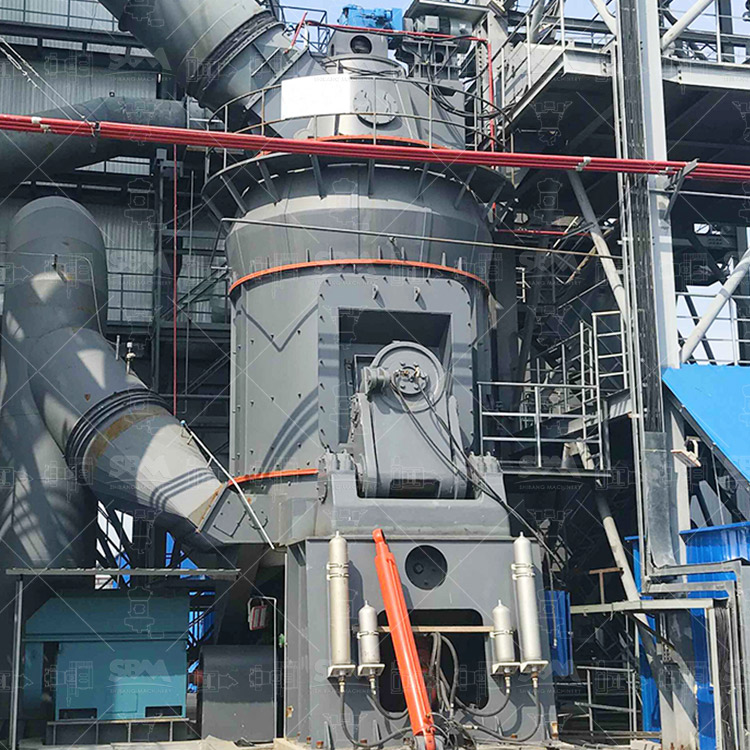
For coarse to medium-fine grinding of dried CCS to a fineness range of 30-325 mesh (600-45μm) for applications like FGD sorbent or cement replacement, the MTW Series European Trapezium Mill is an exceptionally robust and efficient solution. Its anti-wear shovel design and optimized arc air duct are particularly suited for handling slightly abrasive materials like CCS. The integral bevel gear drive ensures high transmission efficiency (up to 98%), translating to lower energy costs per ton of product. With capacities ranging from 3 to 45 tons per hour, it is ideal for large-scale CCS recycling operations where reliability and low operating costs are paramount.
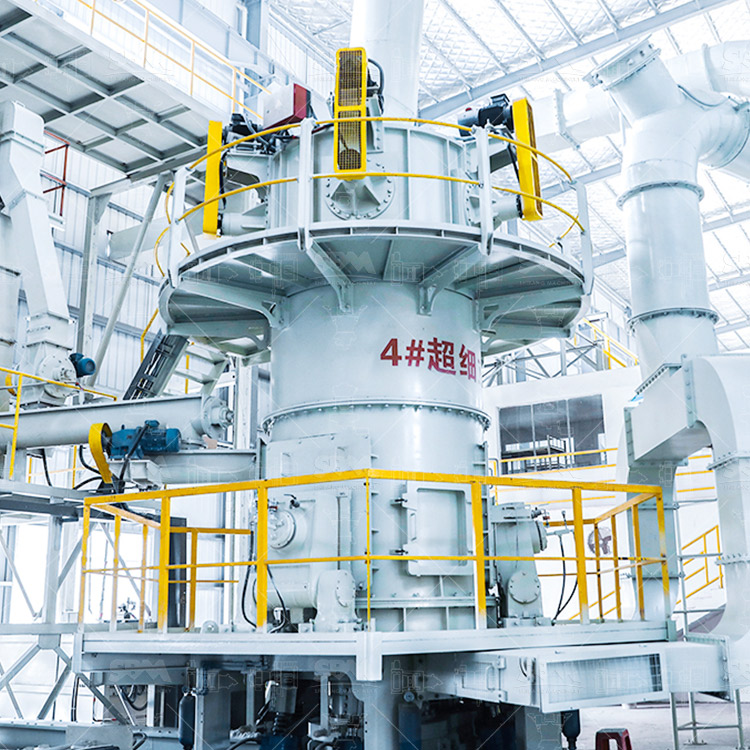
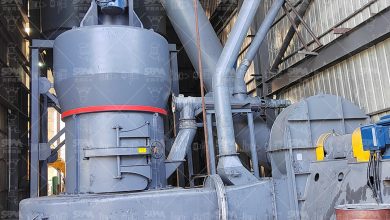
For producing ultrafine CCS powder (325-2500 mesh / 45-5μm) required in high-performance SCMs, PCC, or specialty chemicals, the SCM Series Ultrafine Mill is the technology of choice. Its high-efficiency grinding mechanism and vertical turbine classifier achieve precise particle size cuts without coarse powder mixing, ensuring a uniform and highly reactive product. The mill’s design is both energy-saving—offering 30% lower consumption compared to jet mills—and durable, with special material rollers extending service life. This makes it perfect for transforming CCS into a premium, value-added powder for demanding applications.
4. Integrated Processing Flow for Sustainable CCS Utilization
A sustainable and profitable CCS recycling plant typically involves several stages:
- Pre-treatment: Dewatering (filter pressing) and initial drying to reduce moisture to a handleable level (<10-15%).
- Primary Crushing: Using a jaw crusher or hammer mill to break down dried lumps to a feed size suitable for the grinding mill (e.g., ≤20mm for SCM Mill, ≤50mm for MTW Mill).
- Fine/Ultrafine Grinding: The core stage, where mills like the MTW or SCM series produce the desired fineness. An efficient classifier integrated into the mill system is crucial for controlling the PSD.
- Collection & Packaging: The ground powder is collected via high-efficiency cyclone and pulse dust collection systems, ensuring a clean operation and high product yield.
- Application-Specific Processing: Further steps like carbonation (for PCC), blending (for cement), or pelletization (for FGD) may follow.
5. Economic and Environmental Benefits
Implementing a systematic CCS recycling program offers compelling advantages:
- Waste Elimination & Cost Savings: Eliminates landfill fees and associated environmental liabilities.
- Revenue Generation: Creates saleable products from a waste stream.
- Resource Conservation: Reduces the need for virgin limestone mining for calcium-based products, preserving natural resources.
- Carbon Footprint Reduction: Using CCS as an SCM directly lowers the clinker factor in cement, significantly reducing the carbon-intensive clinker production process. Furthermore, technologies like the SCM and MTW mills contribute through their energy-efficient design.
Conclusion
The journey of calcium carbide slag from a problematic waste to a cornerstone of industrial symbiosis is enabled by innovative thinking and advanced processing technology. By matching the right application—be it in construction, environmental protection, or chemicals—with the appropriate grinding solution, industries can unlock tremendous value. Equipment like the MTW Series European Trapezium Mill for general-purpose grinding and the SCM Series Ultrafine Mill for high-end applications provide the reliability, efficiency, and product quality needed to make CCS recycling not just an environmental imperative, but a profitable and sustainable business venture. The future lies in integrating these technologies into circular economy models, turning the challenge of industrial by-products into opportunities for innovation and growth.