Kaolin Deep Processing: Technology Trends and Future Market Prospects
Introduction
Kaolin, a naturally occurring white clay mineral primarily composed of kaolinite, is a cornerstone of modern industry. Its unique properties—including whiteness, fine particle size, chemical inertness, and plasticity—make it indispensable in sectors ranging from paper, ceramics, and paints to advanced applications in polymers, pharmaceuticals, and high-performance composites. The value of kaolin is intrinsically linked to its purity and particle size distribution. As global demand for high-performance, functional materials grows, the deep processing of kaolin—transforming raw clay into precisely engineered, ultra-fine, and high-purity powders—has become a critical technological frontier. This article explores the prevailing technology trends in kaolin deep processing and examines the future market prospects, highlighting the essential role of advanced milling and classification equipment.
Technology Trends in Kaolin Deep Processing
1. The Pursuit of Ultra-Fine and Narrow-Size Distribution
The traditional benchmark for kaolin fineness was often measured in hundreds of mesh. Today, leading-edge applications demand sub-micron and even nano-scale particles (e.g., 2500 mesh or 5μm and below). A narrow particle size distribution is equally crucial, as it ensures consistent performance, opacity, smoothness, and reinforcement properties. This trend necessitates a shift from conventional crushing to advanced fine and ultra-fine grinding technologies coupled with high-precision air classification systems. The goal is to achieve maximum yield of the target fraction while minimizing energy consumption—a significant technical challenge.
2. Energy Efficiency and Integrated System Design
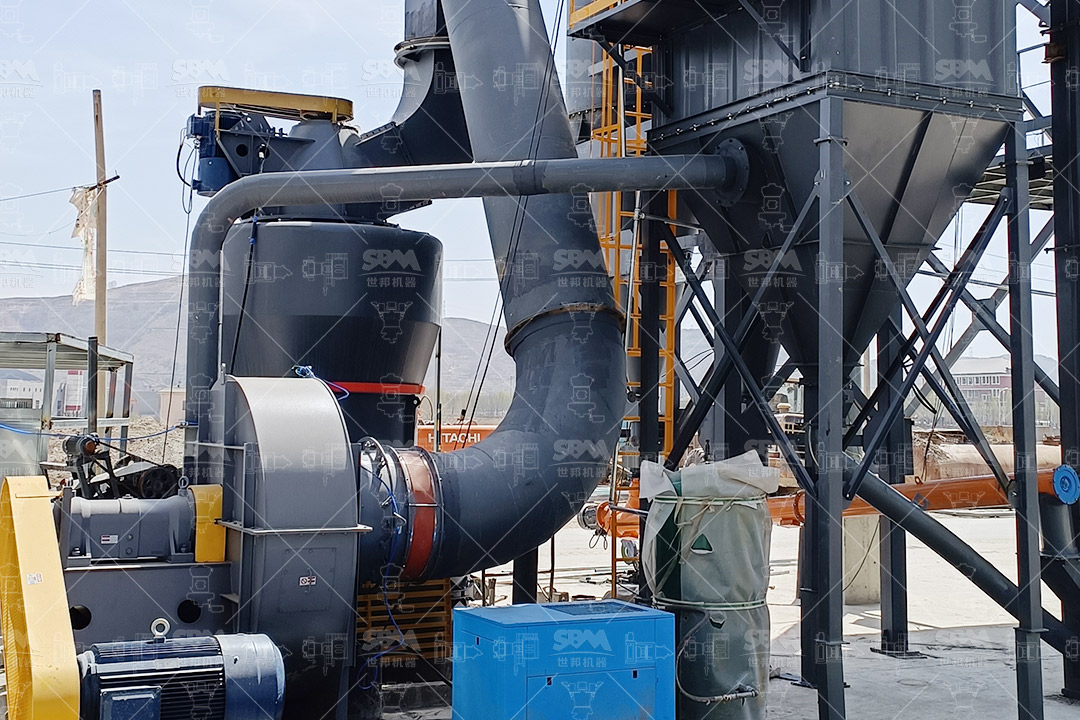
Grinding is inherently energy-intensive, often accounting for the majority of operational costs in mineral processing. The industry is therefore aggressively adopting technologies that offer higher throughput per unit of energy consumed. Modern mills are moving towards integrated system designs that combine multiple stages—drying (if needed), grinding, classification, and collection—into a single, streamlined unit. This not only reduces footprint and capital costs but also minimizes heat loss, improves process control, and lowers overall energy expenditure by 30-40% compared to traditional ball mill circuits.
3. Intelligence, Automation, and Process Control
Consistent product quality in deep processing cannot be achieved through mechanical design alone. The integration of smart sensors, programmable logic controllers (PLCs), and expert-level automation systems is now standard. These systems enable real-time monitoring of critical parameters such as feed rate, grinding pressure, classifier speed, and product fineness. They can automatically adjust operations to maintain setpoints, predict maintenance needs, and allow for remote monitoring and control. This level of intelligence ensures stable operation, reduces manual intervention, and guarantees batch-to-batch consistency.
4. Enhanced Durability and Reduced Operational Costs
Processing abrasive materials like kaolin leads to wear on grinding elements. Technological advancements focus on extending the service life of wear parts through the use of special alloy materials, innovative hardening techniques, and optimized mechanical designs that reduce direct metal-to-metal contact. Features like quick-change roller assemblies and modular designs drastically reduce downtime for maintenance. The focus is on lowering the total cost of ownership by increasing mean time between failures (MTBF) and simplifying replacement procedures.
5. Stringent Environmental and Safety Standards
Modern deep processing plants must operate as good neighbors. This means achieving near-zero dust emissions through fully sealed negative-pressure systems and highly efficient pulse-jet baghouse collectors (>99.9% efficiency). Noise pollution is mitigated via soundproofing rooms and vibration-damping technologies. Furthermore, the entire process is designed for safety, with comprehensive protection systems and clean, organized layouts that meet international environmental, health, and safety (EHS) standards.
Critical Equipment for Advanced Kaolin Processing
The transformation of raw kaolin into a high-value product hinges on the selection of appropriate grinding and classification technology. The choice depends on the target fineness, required capacity, moisture content of the feed, and overall investment strategy. Two dominant equipment categories have emerged for different stages of the value chain.
For High-Capacity, Coarse to Medium-Fine Grinding (30-325 mesh)
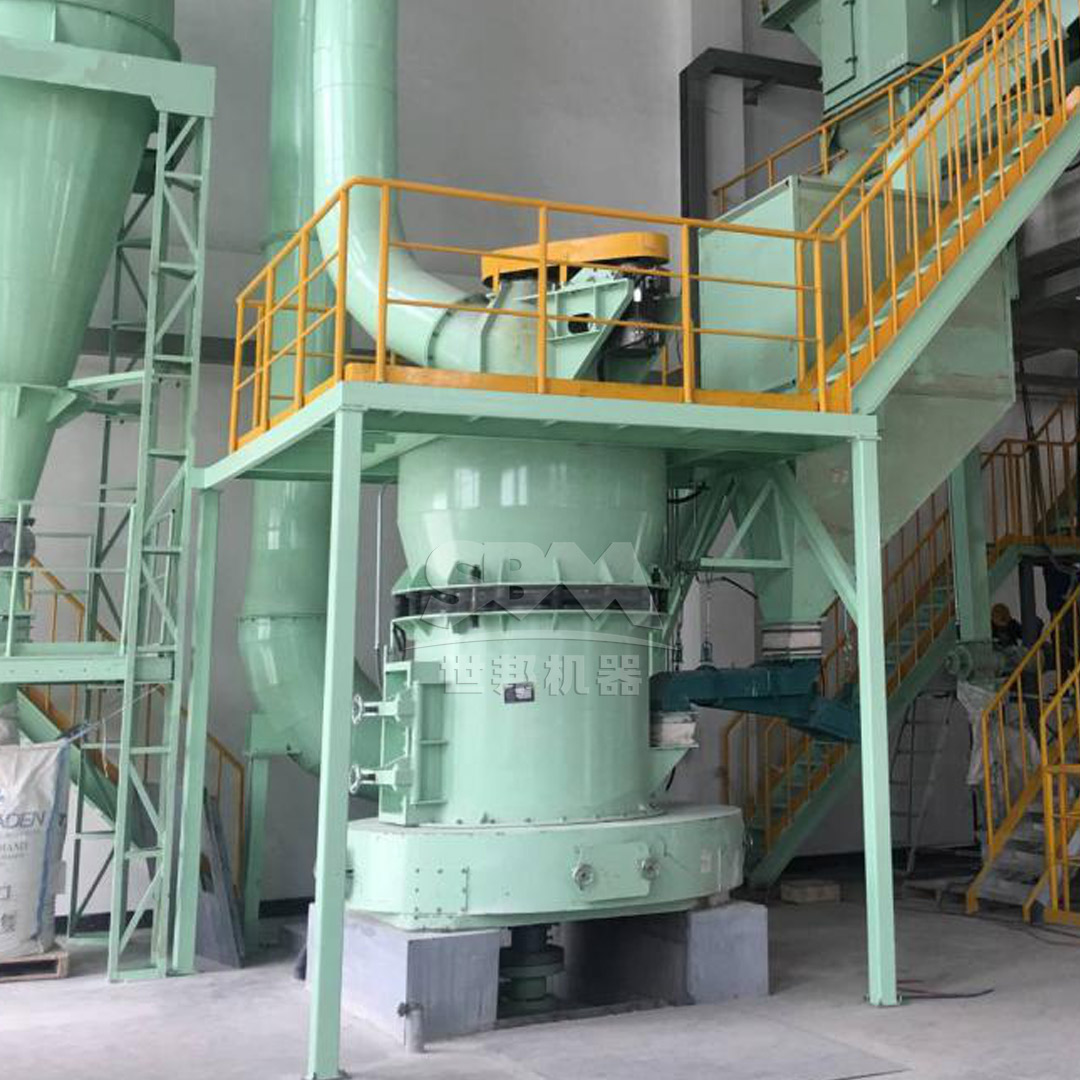
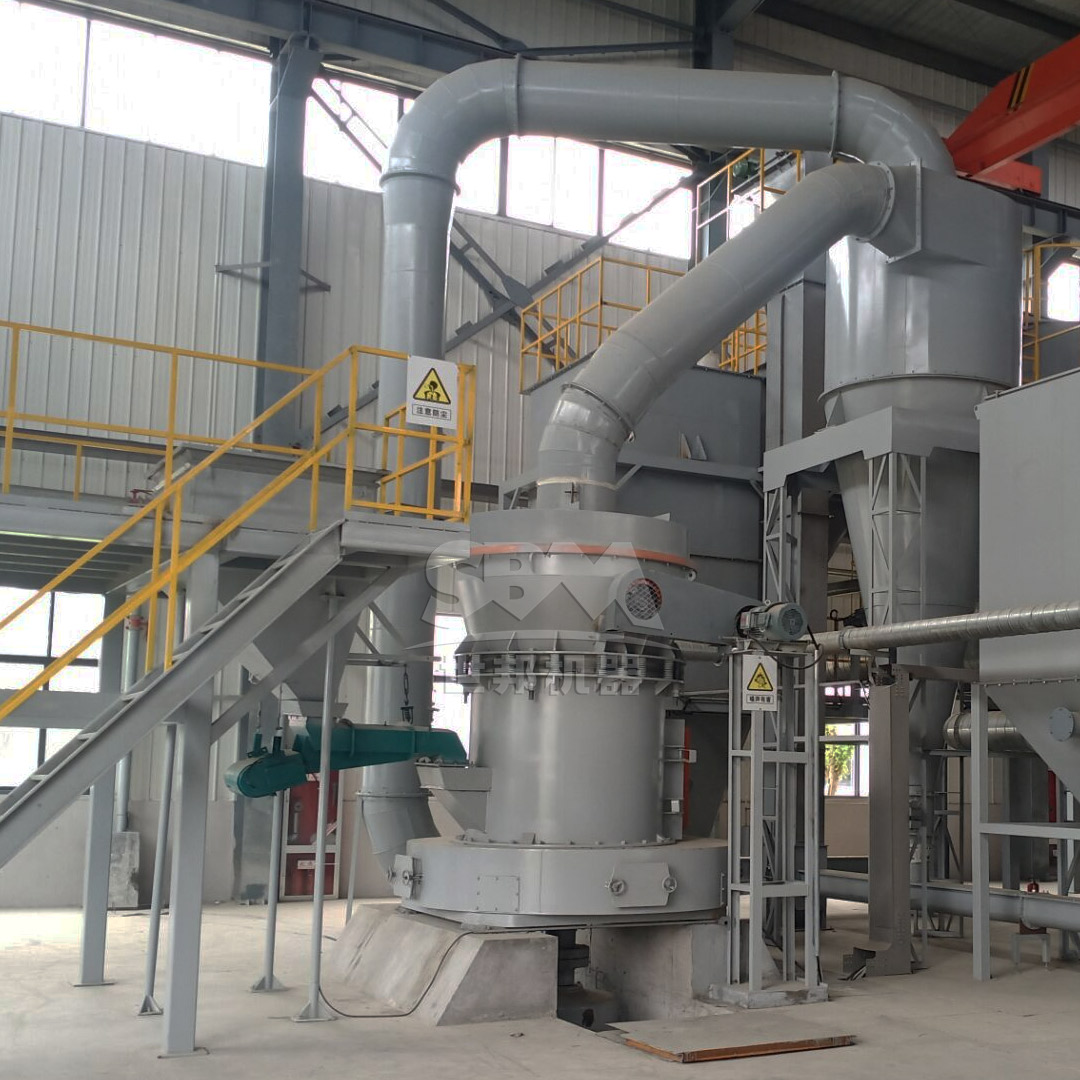
For the initial size reduction of dried kaolin to fillers and extenders for paper, ceramics, and paints, robust and efficient vertical roller mills or European-type trapezium mills are the workhorses. A prime example is the MTW Series European Trapezium Mill. This mill is engineered for efficiency and reliability in this fineness range. Its integral bevel gear drive achieves a remarkable 98% transmission efficiency, saving energy and space. The wear-resistant volute structure and optimized arc air duct minimize resistance and maintenance costs. With capacities ranging from 3 to 45 tons per hour and the ability to handle feed sizes up to 50mm, the MTW series is an ideal solution for large-scale production of consistently graded kaolin products, offering a perfect balance of performance and operational economy.
For Ultra-Fine and High-Value Product Manufacturing (325-2500 mesh)
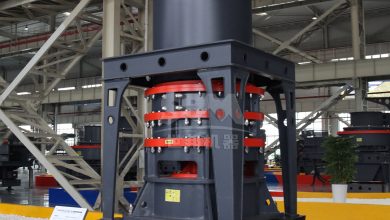
When the application demands the highest levels of whiteness, opacity, or functional performance—such as in premium coatings, high-end plastics, rubber, or adhesives—ultra-fine grinding technology is non-negotiable. Here, the SCM Series Ultrafine Mill excels. Specifically designed to produce powders in the 325 to 2500 mesh (45-5μm) range, it represents the pinnacle of fine grinding technology. Its core advantage lies in its high-precision vertical turbine classifier, which ensures sharp particle size cuts and a uniform product without coarse particle contamination. Furthermore, it delivers this performance with exceptional efficiency, offering capacity twice that of some jet mills while consuming 30% less energy. The durable design, featuring special material rollers and rings, along with its eco-friendly, low-noise operation, makes the SCM series the preferred choice for producers aiming at the most lucrative segments of the kaolin market.
Future Market Prospects and Application Drivers
The future market for deep-processed kaolin is bright and diversified, driven by innovation in downstream industries:
- Advanced Polymers and Composites: Surface-modified, ultra-fine kaolin acts as a functional filler and reinforcing agent, improving mechanical strength, dimensional stability, and barrier properties in engineering plastics and composite materials.
- New Energy and Electronics: High-purity, calcined kaolin is used in lithium-ion battery separators and as a substrate material in certain electronic components due to its thermal stability and electrical properties.
- Pharmaceuticals and Cosmetics: Ultra-fine, highly refined kaolin is valued as an adsorbent, anti-caking agent, and texture enhancer in medicines and personal care products.
- Environmentally Friendly Materials: Kaolin-based geopolymers and its use as a substitute for more energy-intensive materials (like titanium dioxide in some applications) align with global sustainability trends.
The ability to serve these evolving markets will depend directly on processors’ access to technology that can deliver precise, consistent, and cost-effective ultra-fine products.
Conclusion
The deep processing of kaolin is no longer just about making powder; it is about engineering a functional material with specific performance characteristics. The technology trends are clear: a relentless drive towards finer sizes, tighter distributions, greater energy efficiency, intelligent operation, and impeccable environmental stewardship. Success in this high-value field requires partnering with technology providers who offer not just equipment, but integrated solutions. Investing in advanced milling systems like the SCM Series Ultrafine Mill for premium ultra-fine products or the high-efficiency MTW Series Mill for large-volume filler production is an investment in future market relevance and profitability. As application demands continue to sophisticate, those equipped with the right deep-processing technology will be best positioned to capitalize on the expansive growth prospects of the global kaolin industry.