Feasibility of Using Ground Ferrochrome Slag in Concrete: Recycling and Application Analysis
1. Introduction
The global construction industry faces mounting pressure to reduce its environmental footprint, primarily driven by the high carbon emissions associated with cement production and the depletion of natural aggregates. In parallel, the ferroalloy industry generates substantial quantities of ferrochrome slag (FCS), a by-product of stainless steel production. Historically landfilled, this slag represents a significant waste management challenge and a lost resource opportunity. This article explores the technical and economic feasibility of utilizing ground ferrochrome slag as a supplementary cementitious material (SCM) and/or fine aggregate in concrete, presenting a compelling case for a circular economy model that benefits both the construction and metallurgical sectors.
2. Characteristics of Ferrochrome Slag
Ferrochrome slag is a granular, crystalline material formed during the smelting of chromite ore. Its chemical composition is dominated by silica (SiO₂), alumina (Al₂O₃), magnesia (MgO), and lime (CaO), with minor amounts of chromium oxides. In its as-cast state, FCS exhibits high density, good mechanical strength, and inherent chemical stability. However, its coarse, angular particles and variable composition in the raw state limit its direct application in high-performance concrete. To unlock its latent hydraulic and pozzolanic properties, the slag must be processed—crushed, dried, and most critically, finely ground. The grinding process increases the specific surface area, exposing more reactive silicates and aluminates that can participate in the cement hydration process, leading to improved concrete properties.
3. Processing Requirements: The Key to Activation
The transformation of inert ferrochrome slag into a valuable concrete component hinges on efficient and precise size reduction. The target fineness for optimal performance as an SCM is typically within the range of 400 to 600 m²/kg (Blaine) or finer, often corresponding to a particle size distribution where a significant portion is below 45 microns (325 mesh). Achieving this consistently requires advanced milling technology capable of handling the slag’s abrasive nature while ensuring energy efficiency and precise particle classification.
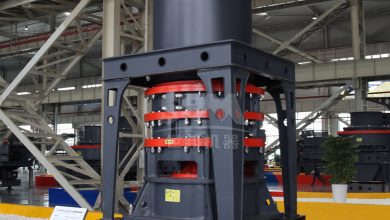
For this critical processing stage, we recommend our SCM Series Ultrafine Mill. This mill is specifically engineered for producing high-volume, super-fine powders. With an output fineness range of 325 to 2500 mesh (45-5μm), it is perfectly suited to activate ferrochrome slag. Its high-efficiency grinding mechanism and integrated high-precision vertical turbine classifier ensure a uniform product with no coarse powder mixing, which is essential for consistent concrete performance. The mill’s durable design, featuring special material rollers and rings, withstands the abrasiveness of slag, while its eco-friendly operation with high-efficiency pulse dust collection aligns with the sustainable goals of the recycling project.

4. Performance of Ground Ferrochrome Slag in Concrete
4.1 As a Supplementary Cementitious Material (SCM)
When finely ground, FCS demonstrates pozzolanic and latent hydraulic activity. Partial replacement of Portland cement (typically 10-30% by mass) with ground FCS leads to several concrete performance modifications:
- Workability: The glassy, smooth surfaces of ground slag particles can improve the lubricity of the concrete mix, potentially enhancing workability and finishability, though water demand may need adjustment.
- Strength Development: While early-age strength (1-7 days) may be slightly reduced due to slower reaction kinetics, long-term strength (28-90 days) often meets or exceeds that of plain cement concrete due to continued pozzolanic reactions and pore refinement.
- Durability: This is a key benefit. The secondary hydration products from slag reaction densify the concrete microstructure, reducing permeability. This significantly enhances resistance to chloride ion penetration, sulfate attack, and alkali-silica reaction (ASR). The reduced permeability also improves corrosion protection for embedded steel reinforcement.
- Heat of Hydration: The use of FCS as an SCM substantially lowers the peak temperature during concrete curing, reducing the risk of thermal cracking in mass concrete elements like foundations and dams.
4.2 As a Fine Aggregate
Coarser fractions of processed FCS (e.g., 0-5mm) can effectively replace natural sand. Its high hardness and angular shape contribute to improved mechanical interlocking, potentially increasing compressive and tensile strength. However, careful mix design is required to manage the potential impact on workability and water content due to the particle shape.
5. Economic and Environmental Benefits
The recycling of ferrochrome slag into concrete presents a compelling dual benefit:
- Environmental: It diverts industrial waste from landfills, conserves natural resources (limestone for clinker, river sand for aggregate), and reduces the carbon footprint of concrete by lowering the clinker factor. This contributes directly to green building certifications (LEED, BREEAM).
- Economic: For ferrochrome producers, it transforms a liability (disposal costs) into a revenue stream. For concrete producers, it offers a cost-effective alternative to traditional SCMs like fly ash or silica fume, especially in regions where these are scarce. The overall cost of concrete can be reduced while enhancing its marketability as a “green” product.
6. Application Analysis and Recommendations
Ground FCS is suitable for a wide range of concrete applications, including:
- Mass concrete structures (dams, raft foundations)
- Marine and coastal structures
- Pavements and industrial floors
- Pre-cast concrete elements
- General ready-mix concrete
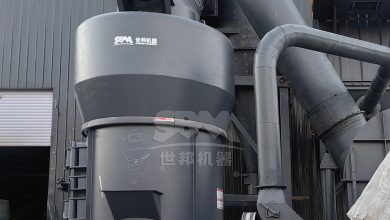
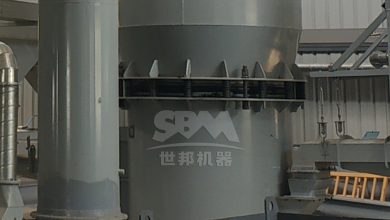
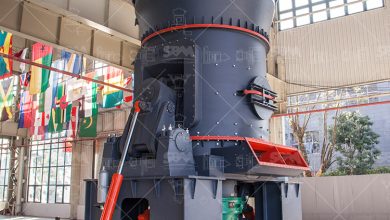
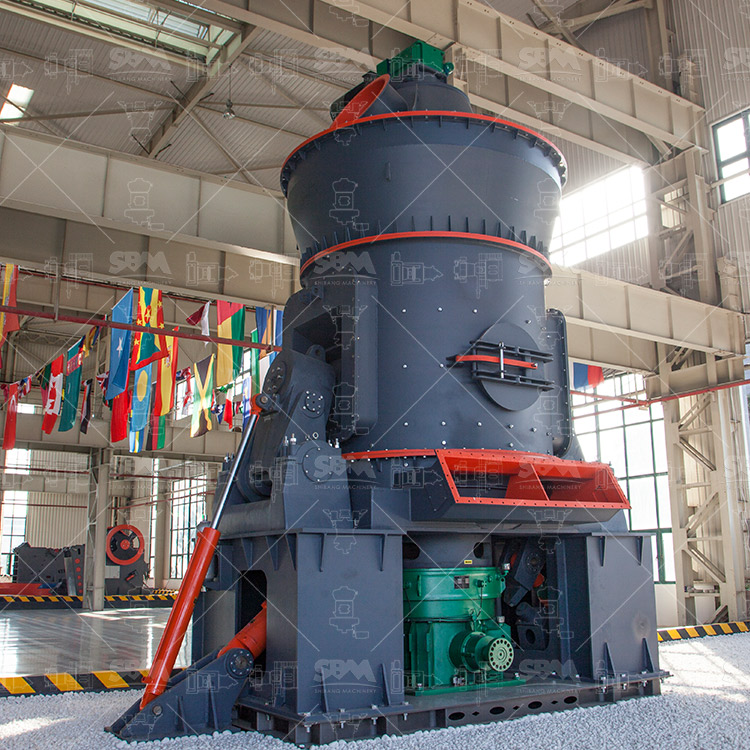
Successful implementation requires a consistent and reliable supply of quality-controlled ground slag. For large-scale commercial production, a robust and high-capacity grinding system is non-negotiable. For projects requiring high-volume processing of slag to a slightly coarser fineness for use as a cement blend or in composite cements, our LM Series Vertical Roller Mill offers an outstanding solution. Its integrated design combines crushing, grinding, drying, and classifying in a single unit, reducing footprint and infrastructure costs by up to 50%. With capacity ranging from 3 to 250 tons per hour and the ability to produce fineness from 30 to 325 mesh (and up to 600 mesh for special models), it is ideal for central slag processing plants. Its low operating cost, with energy consumption 30-40% lower than traditional ball mills, and fully sealed, environmentally compliant operation make it a cornerstone for sustainable industrial recycling.

7. Challenges and Future Outlook
Key challenges include addressing public and industry perception regarding chromium content (though the trivalent chromium in crystalline FCS is largely immobile and non-toxic), establishing standardized specifications in building codes, and ensuring long-term performance data through continued research. The future is promising, with trends pointing towards increased adoption of industrial by-products in construction. Advances in processing technology, such as the high-efficiency mills highlighted, will be instrumental in improving the quality and economics of ground FCS, solidifying its role in producing sustainable, high-performance concrete for the 21st century.
8. Conclusion
The utilization of ground ferrochrome slag in concrete is not only feasible but highly advantageous from both technical and sustainability perspectives. It enhances concrete durability, reduces environmental impact, and creates economic value from waste. The critical enabler for this recycling loop is advanced grinding technology capable of activating the slag efficiently and consistently. By investing in the right processing equipment, such as the SCM Series for ultra-fine applications or the LM Series for high-volume production, industries can successfully bridge the gap between metallurgical waste and high-quality construction materials, paving the way for a more circular and resource-efficient economy.