Top 7 High-Value Applications of Non-Metallic Minerals: A Comprehensive Guide
Non-metallic minerals, a vast and diverse group of inorganic materials, form the backbone of countless modern industries. Unlike their metallic counterparts, their value is derived not from elemental composition but from their unique physical and chemical properties—such as whiteness, refractive index, hardness, thermal stability, and chemical inertness. The transformation of raw, mined minerals into high-value products hinges on one critical process: fine and ultra-fine grinding. This guide explores seven of the most significant application areas for processed non-metallic minerals and examines the advanced milling technologies that enable their transformation.
1. Advanced Polymers & Composites
In the realm of high-performance plastics and composite materials, non-metallic minerals act as functional fillers and reinforcing agents. Ground calcium carbonate (GCC), talc, and wollastonite are extensively used to enhance stiffness, dimensional stability, heat deflection temperature, and impact resistance in automotive parts, packaging, and consumer goods. The key to their effectiveness lies in particle size distribution and surface morphology. Ultra-fine, uniformly dispersed particles create a stronger interfacial bond with the polymer matrix, leading to superior mechanical properties.
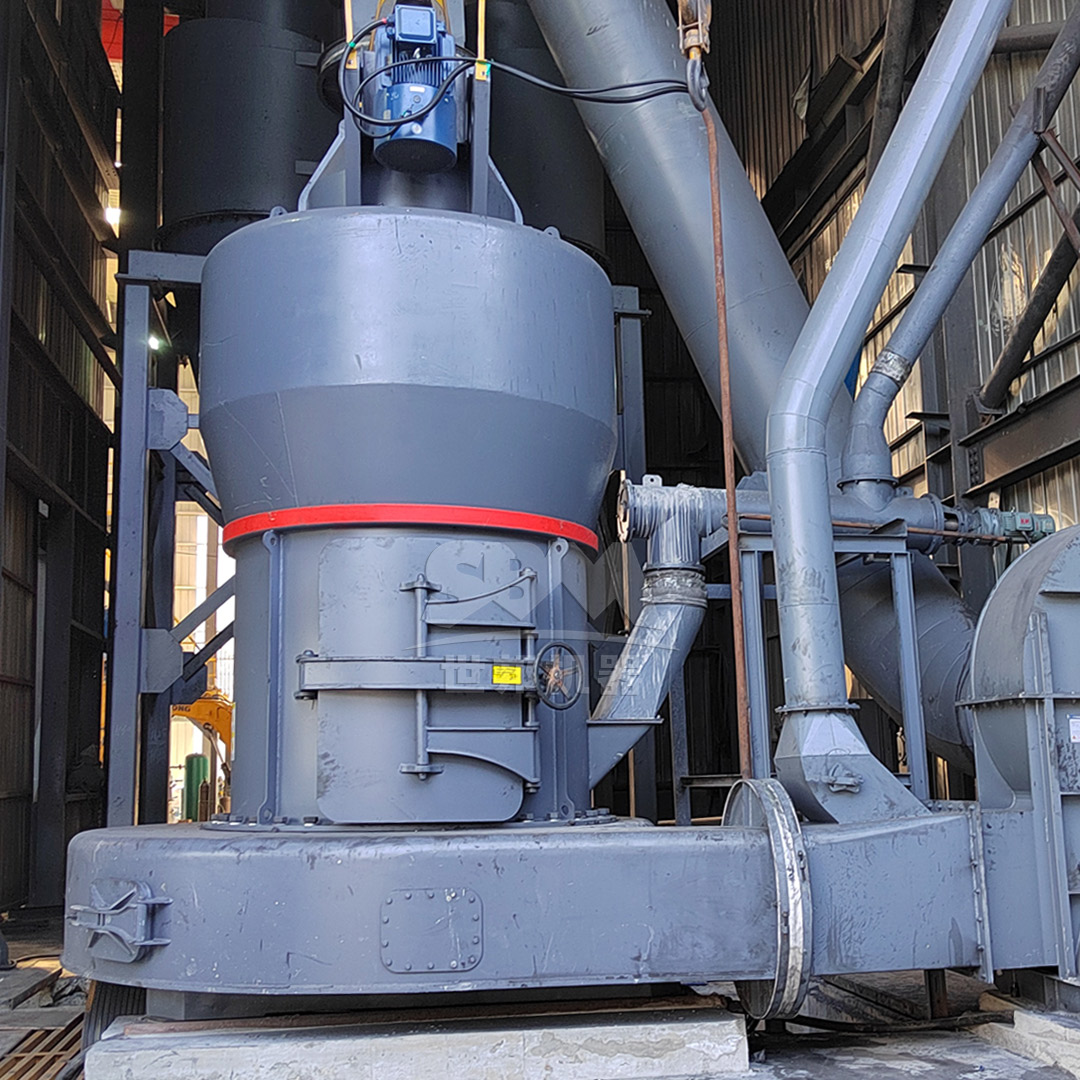
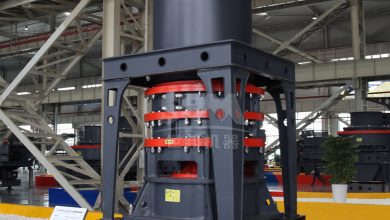
For producing the consistent, ultra-fine powders (often down to 5μm or finer) required for high-end composites, advanced milling systems are essential. Our SCM Series Ultrafine Mill is engineered precisely for this challenge. With an output fineness range of 325-2500 mesh (45-5μm) and a high-precision vertical turbine classifier, it ensures no coarse powder mixing, resulting in a uniform product that maximizes composite performance. Its energy-efficient design, offering 30% lower consumption compared to jet mills, makes it a cost-effective solution for high-volume production.
2. High-Performance Coatings & Paints
The opacity, brightness, durability, and sheen of modern paints and coatings are directly influenced by their mineral constituents. Titanium dioxide (TiO2) is the premier white pigment, but its high cost drives the use of extenders like kaolin, mica, and barite. These minerals improve film integrity, weather resistance, and gloss control. In powder coatings, the flow and curing properties are critically dependent on the precise particle size and shape of the mineral fillers.
Grinding technology must deliver not only fine particle size but also maintain the mineral’s crystal structure to preserve its optical properties. Mills that generate excessive heat or use abrasive grinding media can degrade product quality.
3. Electronics & Semiconductor Manufacturing
This sector demands extreme purity and precision. High-purity quartz is fundamental for silicon wafers and crucibles. Boron nitride and aluminum nitride are key ceramic substrates for heat sinks due to their exceptional thermal conductivity and electrical insulation. The production of these materials requires grinding to sub-micron levels with absolute contamination control. Even minute impurities or inconsistent particle sizes can lead to device failure.
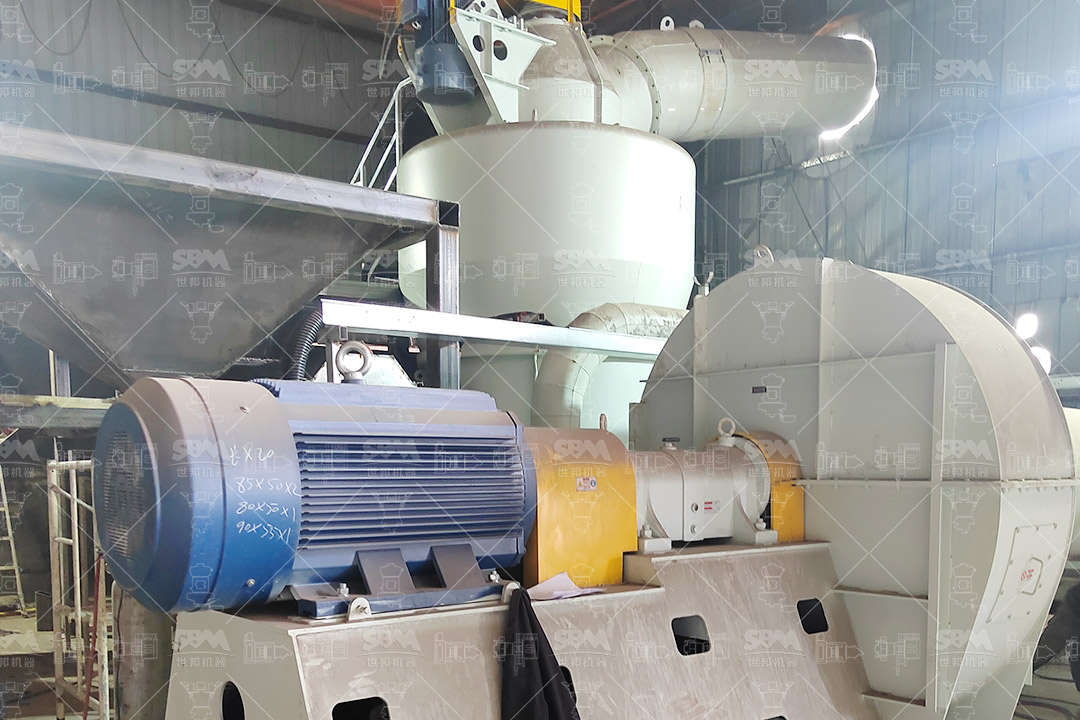
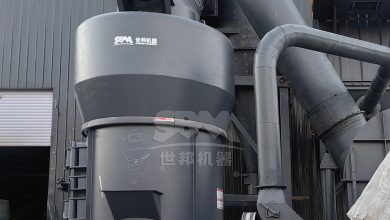
Processing these sensitive, high-value minerals calls for a mill with intelligent control, a sealed grinding environment, and superior classification. The LUM Ultrafine Vertical Roller Mill, with its fully sealed negative pressure operation and multi-rotor classifying technology, is ideally suited. It ensures no dust leakage, prevents contamination, and achieves precise particle size cuts from 325 to 2500 mesh, meeting the stringent specifications of the electronics industry.
4. Construction & Building Materials
Beyond traditional uses in cement and concrete (where limestone and gypsum are crucial), processed non-metallics enable advanced building materials. Ultra-fine ground granulated blast-furnace slag (GGBS) and fly ash create stronger, more durable, and sustainable concrete. Mica and perlite are used in fire-resistant boards and plasters. Vermiculite provides lightweight insulation. The trend towards high-performance, “smart” construction materials relies on the tailored properties imparted by finely ground minerals.
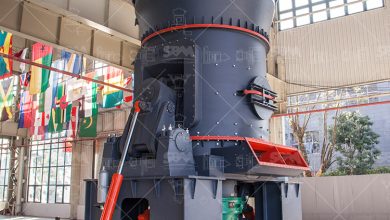
For large-scale processing of minerals like limestone, slag, and gypsum, efficiency and capacity are paramount. Our LM Series Vertical Roller Mill excels here. Its integrated design reduces floor space by 50% and lowers energy consumption by 30-40% compared to traditional ball mills. With capacities ranging from 3 to 250 tons per hour, it is the workhorse for modern, eco-friendly building material plants.
5. Environmental Remediation & Catalysis
Activated clays, zeolites, and diatomaceous earth are powerful adsorbents used in water purification, oil spill cleanup, and gas filtration. Their effectiveness is a direct function of surface area, which is maximized through careful grinding and activation processes. Furthermore, certain minerals serve as catalyst supports or photocatalysts themselves (e.g., modified TiO2). The catalytic activity is intensely linked to particle size and surface morphology, requiring milling processes that can create and preserve high-surface-area nanostructures.
6. Agriculture & Animal Feed
Non-metallic minerals are vital for soil health and animal nutrition. Diatomite is used as a natural pesticide and soil conditioner. Zeolites in animal feed bind toxins and improve nutrient absorption. Calcium carbonate and phosphates are essential supplements. In these applications, grind fineness affects bioavailability and mixing uniformity. The grinding process must also ensure product hygiene and remove potential contaminants.
7. Cosmetics & Personal Care
The smooth feel, UV protection, and visual appeal of cosmetics are driven by minerals. Talc, mica, and silica provide slip and absorbency in powders. Zinc oxide and titanium dioxide are physical sunscreen agents. Iron oxides are natural colorants. For topical application, particles must be ultra-fine, uniformly shaped, and absolutely free of abrasive impurities to ensure safety and a premium sensory experience. This often requires the finest levels of grinding and air classification.
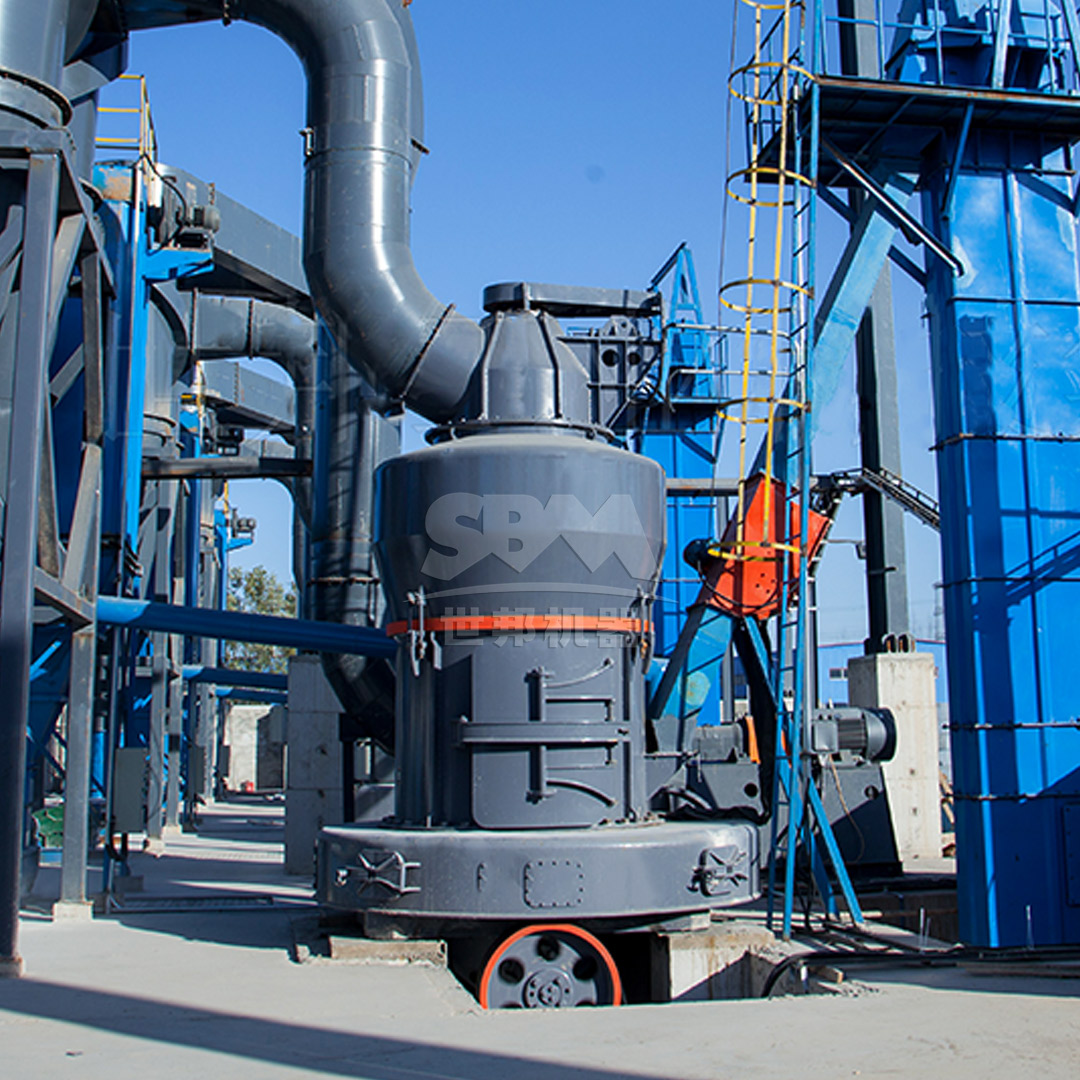
Producing cosmetic-grade powders pushes milling technology to its limits. Again, the SCM Series Ultrafine Mill proves its value. Its special material rollers and rings ensure minimal metallic contamination, while the pulse dust collection system with efficiency exceeding international standards maintains a clean production environment. The ability to reliably produce powder in the 2500 mesh range makes it a perfect fit for the exacting standards of the personal care industry.
Conclusion: The Critical Role of Precision Grinding Technology
The journey from a raw non-metallic mineral to a high-value industrial product is defined by comminution. The choice of grinding technology—whether for coarse crushing, medium-fine grinding, or ultra-fine pulverization—directly determines the product’s performance characteristics and commercial viability. As this guide illustrates, different applications have distinct requirements for particle size, shape, purity, and throughput.
Investing in the right milling system is not merely an operational decision but a strategic one that unlocks the full potential of non-metallic mineral resources. From the high-capacity, energy-saving LM Vertical Roller Mill for construction materials to the precision-focused SCM Ultrafine Mill for advanced composites and cosmetics, selecting equipment tailored to the specific mineral and target application is the cornerstone of success in this dynamic and essential sector.