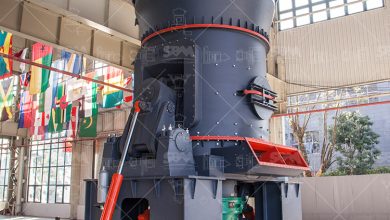
Can Raymond Mill Process Granite Waste Stone into Usable Powder?
Introduction: The Challenge of Granite Waste
The global stone processing industry generates millions of tons of granite waste annually, comprising offcuts, sludge, and quarry tailings. Traditionally viewed as a disposal problem, this hard, abrasive material presents both an environmental challenge and a potential resource. The key to unlocking its value lies in efficient size reduction technology. This article explores the technical feasibility of processing granite waste into valuable, fine powders for applications in construction, composites, and chemical industries, with a focus on the capabilities and limitations of Raymond mill technology.
Understanding Granite: Material Characteristics and Grinding Challenges
Granite is an igneous rock primarily composed of quartz (hardness ~7 on Mohs scale), feldspar (~6), and mica. This mineralogy presents specific challenges for grinding:
- High Hardness & Abrasiveness: Quartz content leads to rapid wear of grinding components.
- Variable Composition: Fluctuations in mineral content can affect grindability and final product properties.
- Demand for Fine, Uniform Powder: High-value applications like polymer fillers or advanced concrete require consistent fineness between 200 to 1250 mesh.
Processing this material requires equipment designed not only for size reduction but also for durability and precise classification.
The Raymond Mill: Principle and Application Scope
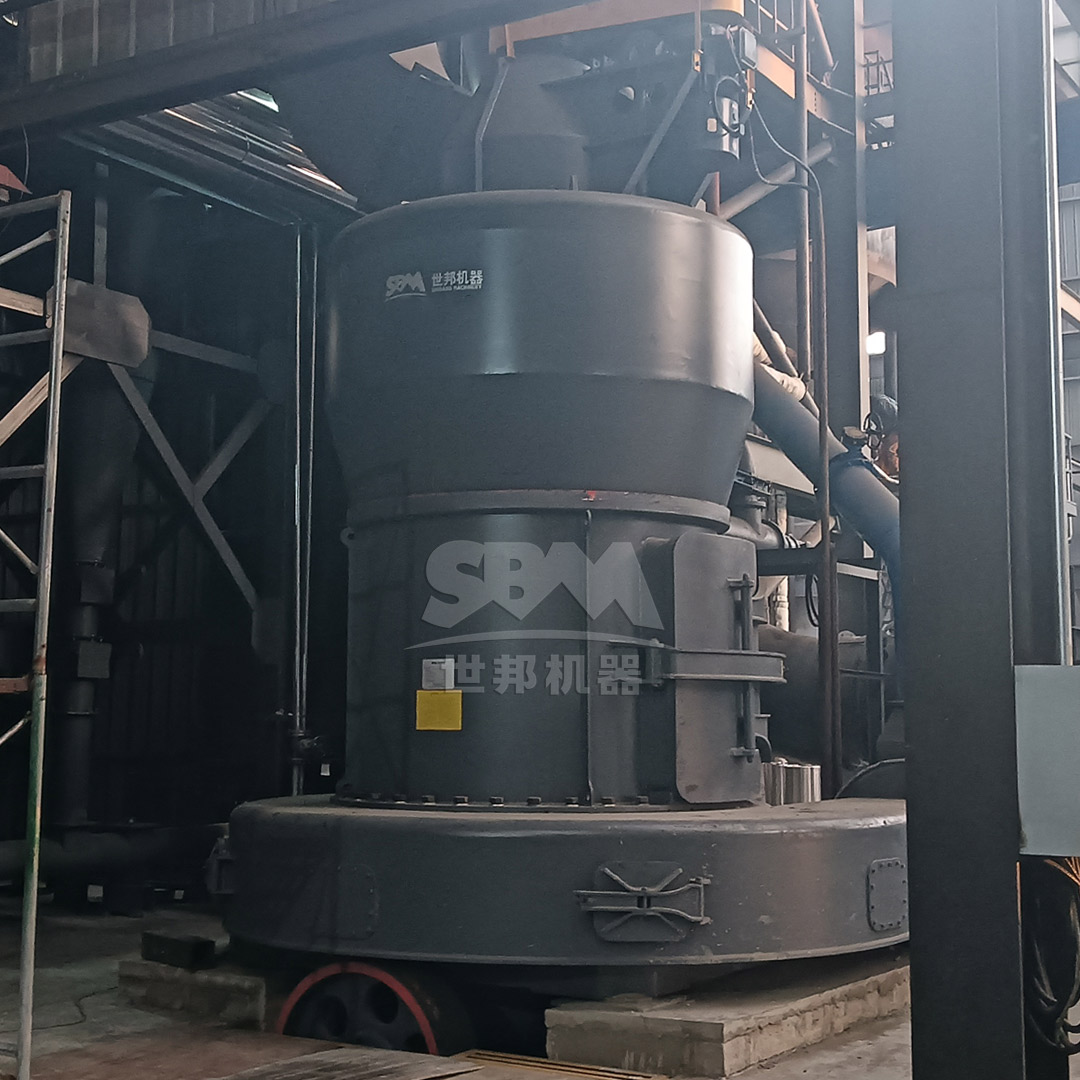
The traditional Raymond mill (or pendulum roller mill) operates on the principle of spring-loaded rollers rotating against a stationary grinding ring. Material is fed into the grinding zone, crushed by the roller pressure, and carried by an air stream to a classifier for size separation.
For standard granite waste aiming for coarse to medium fineness (e.g., 30-200 mesh for use as artificial sand or aggregate filler), a robust Raymond-type mill can be a viable solution. It effectively handles materials with a feed size up to 30-35mm and offers relatively low capital and operating costs for these output ranges.
Limitations of Traditional Mills for High-Value Fine Powder Production
When the target product is a superfine or ultrafine powder (325 mesh and finer) from granite, traditional Raymond mills encounter significant limitations:
- Fineness Ceiling: Struggles to achieve consistent output beyond 325 mesh (45μm).
- Low Efficiency on Hard Materials: The grinding force and principle are less efficient for hard minerals like quartz, leading to high energy consumption per ton of fine product.
- High Wear Costs: Direct rolling and grinding on abrasive granite accelerates wear of rollers and rings, increasing maintenance downtime and cost.
- Product Contamination: Metal wear from grinding components can contaminate the powder, unacceptable for high-purity applications.
Therefore, while suitable for coarser applications, traditional technology often falls short for transforming granite waste into high-value ultrafine powders.
Advanced Milling Solutions: Engineered for Hard, Abrasive Materials
To economically convert granite waste into premium-grade powders, advanced milling systems with enhanced durability, efficiency, and classification precision are essential. Our company’s engineering focus has led to the development of mills that specifically address the shortcomings of older designs when processing materials like granite.
Recommended Solution 1: MTW Series European Trapezium Mill
For projects targeting fine powders in the 30-325 mesh range with high capacity requirements, the MTW Series European Trapezium Mill represents a significant evolution from the Raymond mill design. It is particularly well-suited for the initial or intermediate fine grinding of granite waste.
- Enhanced Durability: Its anti-wear shovel design and wear-resistant volute structure directly combat the abrasiveness of granite, reducing maintenance frequency and cost.
- High Efficiency & Capacity: With an integral bevel gear drive boasting 98% transmission efficiency and optimized arc air ducts, it delivers higher capacity (3-45 t/h) with lower energy loss. This makes large-scale processing of waste stone economically feasible.
- Precision Classification: The advanced internal classifier ensures a tight particle size distribution, which is crucial for product consistency in filler applications.
For instance, the MTW215G model, with an input size of ≤50mm and a capacity of 15-45 t/h, is an excellent choice for a high-throughput granite recycling plant aiming to produce fine fillers for construction materials.
Recommended Solution 2: SCM Series Ultrafine Mill
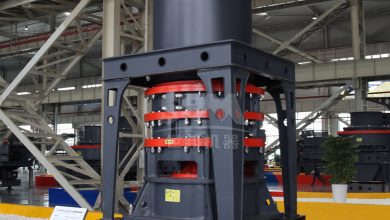
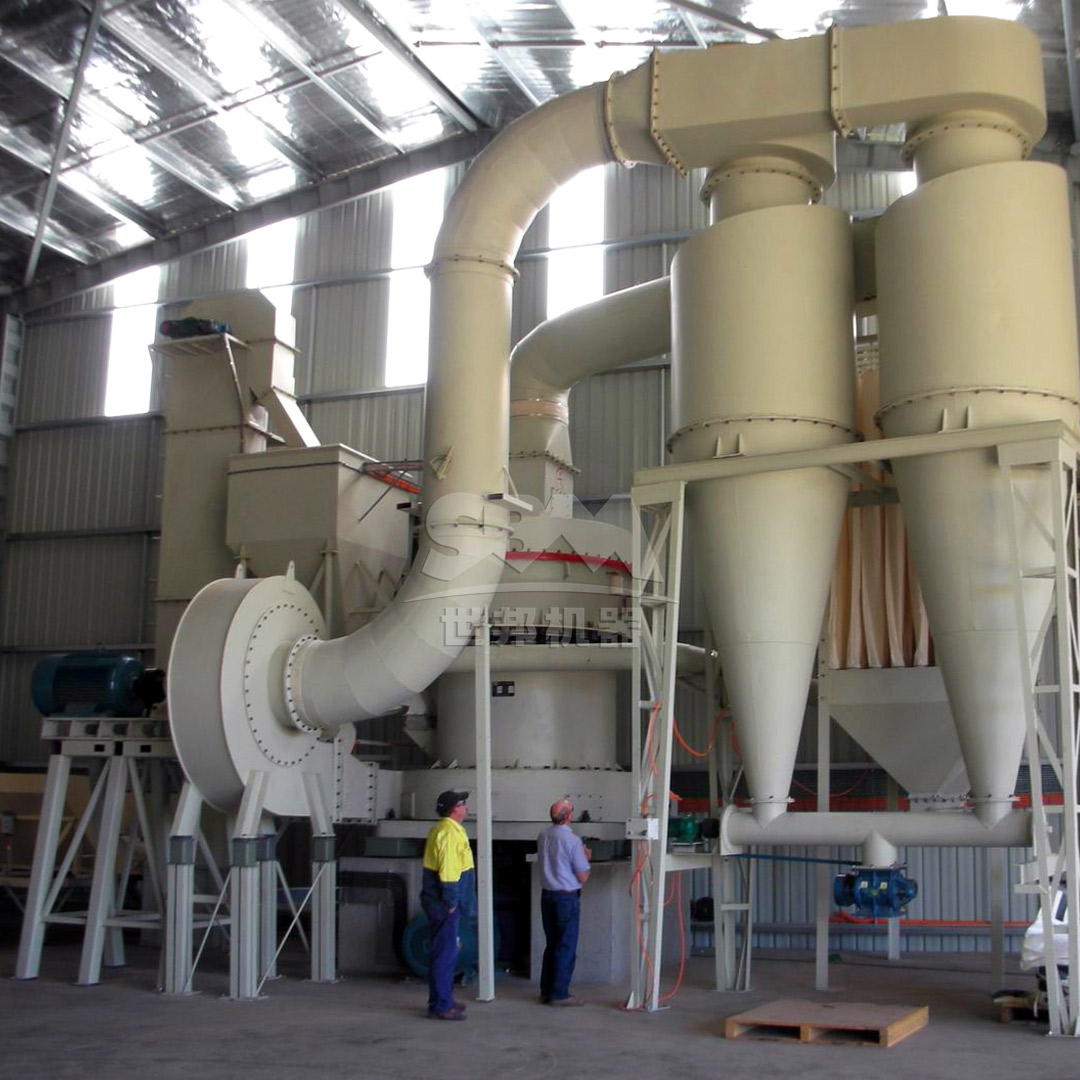
When the end goal is to produce ultra-fine granite powder (325-2500 mesh) for high-margin markets such as high-performance plastics, paints, or advanced ceramics, the SCM Series Ultrafine Mill is the definitive technological solution.
- Superfine Grinding Capability: It is specifically engineered to produce powders as fine as 5μm (2500 mesh), far surpassing the capability of traditional mills.
- Superior Energy Efficiency: Its layer-by-layer grinding principle and high-precision vertical turbine classifier make it 30% more energy-efficient than jet mills while offering double the capacity, drastically reducing the operational cost of producing ultrafine powder.
- Exceptional Durability for Abrasive Service: The mill features special material rollers and rings that extend service life several times over when grinding hard materials like granite. The shaftless screw grinding chamber design further enhances operational stability.
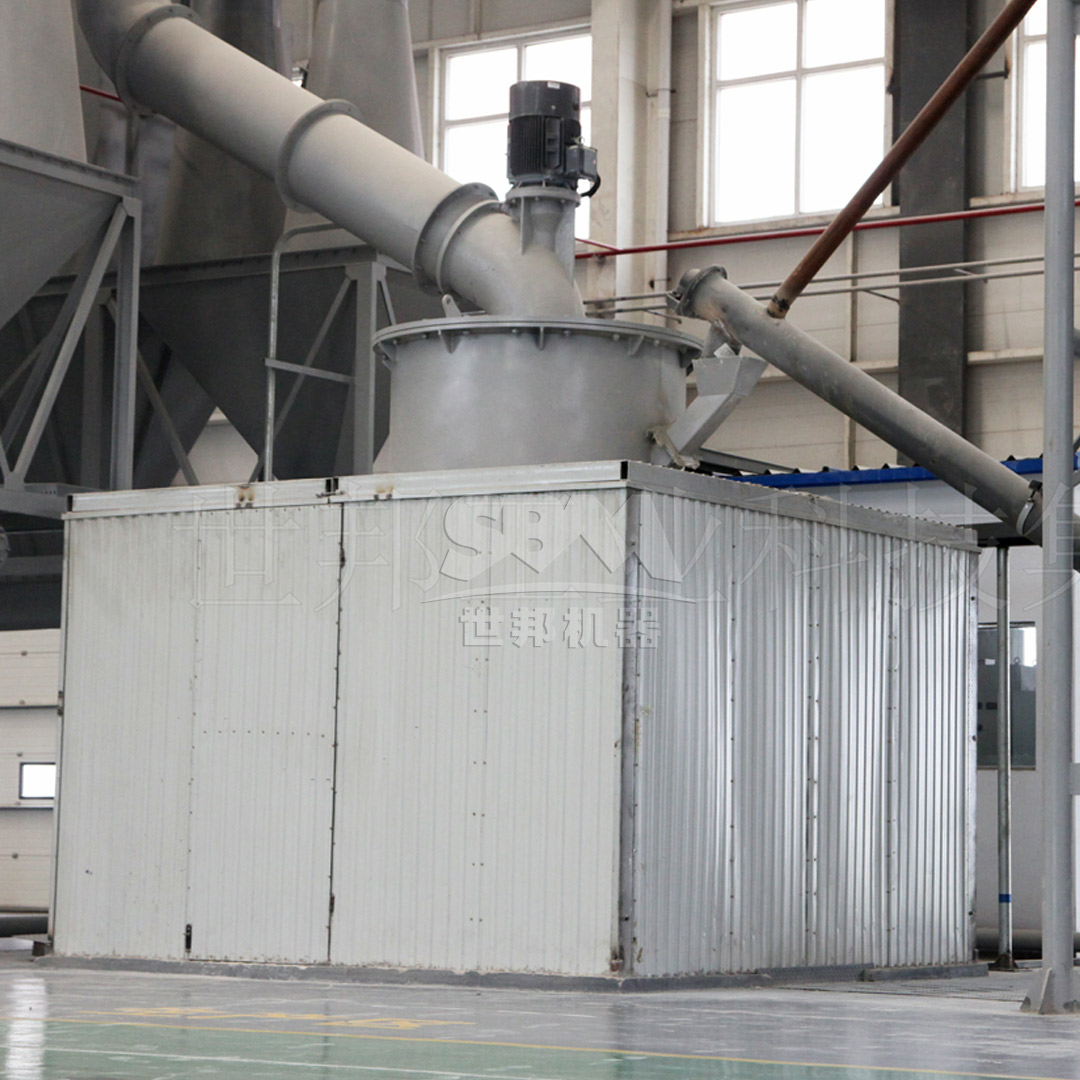
- Turnkey Eco-Friendly System: With a pulse dust collection efficiency exceeding international standards and a soundproof room design, it ensures a clean and compliant production environment, which is vital for sustainable waste recycling operations.
A model like the SCM1250, with a capacity of 2.5-14 t/h and the ability to handle a 20mm feed, is perfectly scaled for transforming granite waste piles into a consistent stream of high-value ultrafine powder.
From Waste to Value: Applications of Processed Granite Powder
Processed granite powder opens diverse commercial avenues:
- Construction: Fine powder as a pozzolanic additive in high-strength concrete or as a filler in asphalt and tile adhesives.
- Manufacturing: Ultrafine powder as a functional filler in plastics, rubber, and paints to improve mechanical properties and reduce cost.
- Agriculture & Landscaping: Adjusted pH powders for soil conditioning or as a base for artificial turf.
- Art & Decor: Fine, colored powders for use in epoxy resins and decorative coatings.
Conclusion: A Technologically-Driven Circular Economy
Can a Raymond mill process granite waste? Yes, but with limitations on product fineness and operating economy. The future of granite waste valorization lies in adopting next-generation milling technology. Advanced mills like the MTW Series and SCM Series Ultrafine Mill are engineered to overcome the hardness and abrasiveness of granite, transforming an environmental liability into a suite of profitable, usable powders. By selecting the right technology—from fine grinding with the MTW for construction materials to ultrafine processing with the SCM for industrial fillers—operators can build a sustainable, circular business model that turns stone waste into a valuable resource.