Waste Glass Recycling Process for Glass Mosaic Production
Introduction to Glass Mosaic Production from Recycled Materials
The global construction industry faces increasing pressure to adopt sustainable practices, particularly in materials production. Glass mosaic manufacturing presents a significant opportunity to incorporate recycled content while maintaining high-quality aesthetic standards. This comprehensive technical article explores the complete waste glass recycling process specifically optimized for mosaic production, with particular emphasis on the critical grinding stages that determine final product quality.
Waste Glass Collection and Pre-processing
Effective mosaic production begins with proper waste glass collection and sorting. The initial stage involves separating glass by color (clear, green, amber) and removing contaminants such as metals, plastics, and ceramics. Advanced optical sorting systems can achieve up to 95% purity in separated glass streams. Following sorting, the glass undergoes primary crushing to reduce particle size to manageable dimensions.

Primary crushing typically reduces glass fragments to 20-50mm pieces, preparing the material for subsequent processing. This stage requires robust equipment capable of handling the abrasive nature of glass while minimizing fine generation that could compromise later color separation.
Critical Size Reduction Phase: Achieving Mosaic-Grade Powder
The transformation of crushed glass into mosaic-quality powder represents the most technically demanding phase of the recycling process. Traditional grinding approaches often struggle with glass’s unique combination of hardness and brittleness, resulting in inconsistent particle size distribution and excessive energy consumption.
Technical Challenges in Glass Grinding
Glass grinding presents several specific challenges: the material’s amorphous structure creates unpredictable fracture patterns; hardness variations between different glass types require adaptable grinding pressure; and the need for precise particle size control demands sophisticated classification systems. Furthermore, the abrasive nature of glass accelerates wear on conventional grinding equipment, increasing maintenance costs and downtime.
Advanced Grinding Technology for Superior Mosaic Quality
Modern glass recycling facilities have moved beyond basic hammer mills and ball mills to specialized grinding systems that offer precise control over particle morphology. The ideal glass powder for mosaic production requires a narrow particle size distribution between 45-2500 mesh (approximately 5-325μm), with specific surface area characteristics that ensure proper binder adhesion and visual consistency.

SCM Ultrafine Mill: Precision Grinding for Premium Mosaics
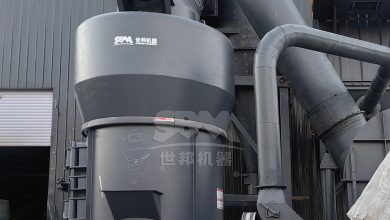
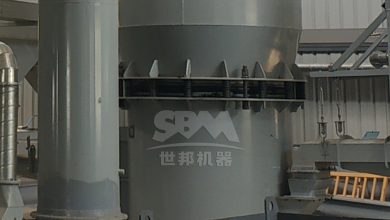
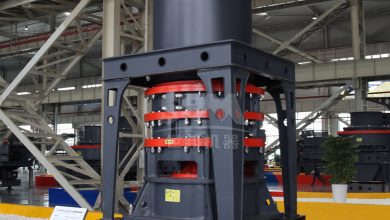
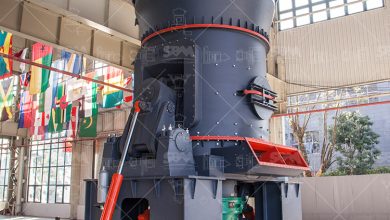
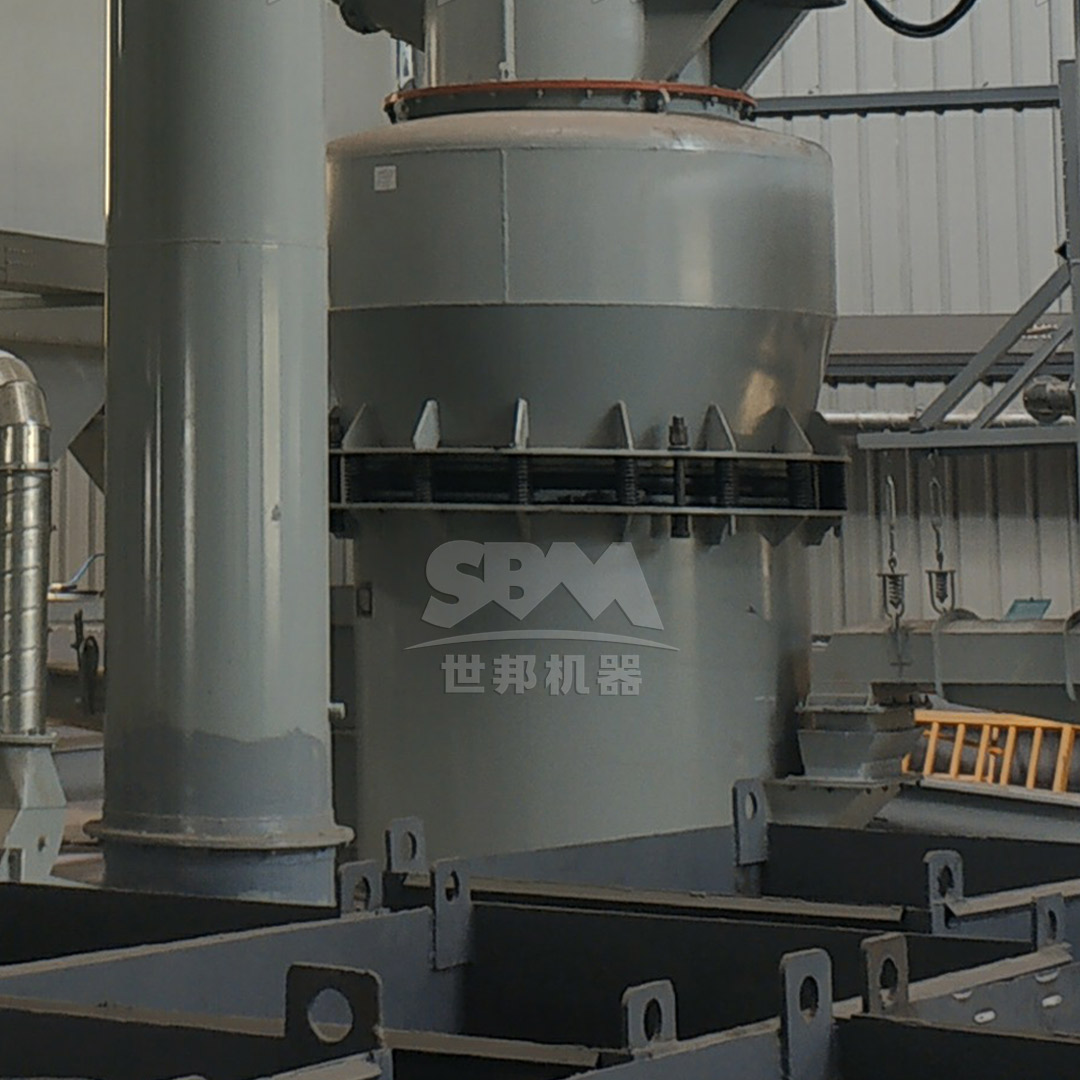
For high-value mosaic applications requiring exceptional fineness and color consistency, the SCM Series Ultrafine Mill represents the industry benchmark. This advanced grinding system operates with input sizes ≤20mm and delivers output fineness ranging from 325-2500 mesh (D97≤5μm), making it ideal for creating the fine, consistent powders essential to premium glass mosaics.
The SCM Ultrafine Mill’s technological advantages include:
- High-Efficiency Grinding: With capacity doubling that of jet mills while reducing energy consumption by 30%, the SCM series offers significant operational savings. Its intelligent control system automatically monitors and adjusts final product granularity.
- Precision Classification: The vertical turbine classifier ensures accurate particle size separation without coarse powder contamination, guaranteeing uniform finished product quality.
- Durability Engineering: Specially formulated roller and grinding ring materials withstand glass’s abrasive nature, extending component life multiple times over conventional systems.
- Environmental Performance: Pulse dust collection efficiency exceeds international standards, while soundproof chamber design maintains noise levels below 75dB.
With models ranging from the SCM800 (0.5-4.5 ton/h capacity) to the industrial-scale SCM1680 (5.0-25 ton/h capacity), the SCM series accommodates operations of all sizes while maintaining consistent quality output.
Color Integration and Batch Formulation
Following optimal grinding, the glass powder undergoes precise color formulation. This stage involves blending different colored powders to achieve specific mosaic shades while maintaining chemical compatibility between glass types. Advanced automated weighing and mixing systems ensure batch-to-batch consistency, with computerized color matching guaranteeing accurate reproduction of design specifications.
Mosaic Formation and Thermal Processing
The formulated glass powder is then shaped into mosaic tiles through either pressing or casting methods. Hydraulic presses typically apply 200-400 kg/cm² pressure to create dense, uniform tiles, while casting methods suit more complex shapes and textured surfaces. The formed mosaics then proceed to thermal processing.
Firing temperatures typically range between 750-850°C, carefully controlled to achieve sintering without complete melting that would destroy the mosaic’s distinctive texture. The thermal profile must account for the specific composition of the recycled glass, which often varies in thermal expansion characteristics compared to virgin materials.
Quality Control and Performance Standards
Recycled glass mosaics must meet rigorous quality standards for durability, colorfastness, and chemical resistance. Testing protocols include abrasion resistance (EN 102), chemical resistance (ISO 10545-13), and frost resistance for exterior applications. The consistent particle size achieved through advanced grinding directly influences these performance characteristics, particularly surface smoothness and structural integrity.
Environmental and Economic Benefits
The utilization of waste glass in mosaic production delivers substantial environmental advantages. Each ton of recycled glass used reduces raw material extraction by 1.2 tons, energy consumption by 25-30%, and CO² emissions by approximately 300 kg. Economically, waste glass typically costs 40-60% less than virgin materials, providing significant production savings while addressing waste management challenges.
Conclusion: The Future of Sustainable Mosaic Production
The integration of advanced grinding technology like the SCM Ultrafine Mill with optimized processing protocols has transformed waste glass from an environmental liability to a high-value raw material. As sustainability requirements intensify across the construction sector, recycled glass mosaics represent both an ecological imperative and economic opportunity. Continued innovation in grinding precision and energy efficiency will further enhance the viability and quality of mosaics produced through these advanced recycling methodologies.