How to Utilize Sludge Incineration Fly Ash and Ash Residue: Comprehensive Recycling Methods
Introduction: The Challenge and Opportunity of Sludge Incineration Residues
Sludge incineration has become a prevalent method for managing municipal and industrial wastewater treatment byproducts, significantly reducing waste volume by up to 90%. However, this process generates substantial amounts of fly ash and bottom ash residues that present significant environmental challenges. These residues typically contain heavy metals, dioxins, and other contaminants that require careful management. Rather than treating these materials as mere waste, modern recycling approaches transform them into valuable resources through advanced processing technologies.
The proper management of sludge incineration residues is not just an environmental imperative but also an economic opportunity. With increasing landfill costs and stricter environmental regulations, comprehensive recycling methods offer sustainable solutions that align with circular economy principles. This article explores the technical pathways for transforming these challenging materials into useful products while highlighting advanced processing equipment that enables efficient recycling.
Characteristics of Sludge Incineration Residues
Understanding the composition and properties of sludge incineration residues is essential for developing effective recycling strategies. Fly ash and bottom ash differ significantly in their characteristics, requiring tailored approaches for each material.
Fly Ash Properties
Sludge incineration fly ash is typically fine-grained, with particle sizes ranging from 1 to 300 micrometers. It contains higher concentrations of heavy metals (such as Pb, Cd, Zn, and Cu) and soluble salts compared to bottom ash. The presence of unburned carbon and potentially toxic organic compounds like dioxins and furans further complicates its handling. The high surface area and fine particle size make fly ash particularly challenging to manage but also create opportunities for various applications when properly treated.
Bottom Ash Characteristics
Bottom ash from sludge incineration is generally coarser than fly ash, with particle sizes ranging from 0.1 to 50 mm. It typically has lower contaminant concentrations but may still contain significant levels of heavy metals and residual organic matter. The mineral composition often includes silicates, phosphates, and calcium compounds, which can be beneficial for construction applications. The physical properties of bottom ash, including its granular nature and potential pozzolanic activity, make it suitable for various recycling pathways.
Pretreatment and Conditioning Methods
Before sludge incineration residues can be safely utilized, they often require pretreatment to reduce contaminant mobility and improve material properties. Several established methods address these challenges effectively.
Washing and Extraction Processes
Water washing is a common pretreatment method that removes soluble salts and reduces the leaching potential of heavy metals. This process typically achieves 70-90% removal of chlorides and sulfates, significantly improving the material’s suitability for construction applications. Acid extraction can further enhance heavy metal removal, with efficiencies reaching 80-95% for certain metals under optimized conditions. The washed residues exhibit improved stability and reduced environmental impact.
Stabilization and Solidification Techniques
Chemical stabilization using cement, lime, or pozzolanic materials effectively immobilizes heavy metals in sludge incineration residues. This approach transforms the hazardous material into a less leachable form suitable for various applications. The stabilization process typically involves mixing the ash with binding agents at specific ratios, followed by curing to develop strength and stability. Advanced solidification methods using specialized additives can achieve contaminant immobilization efficiencies exceeding 99%, making the material safe for controlled utilization.
Advanced Processing Equipment for Ash Recycling
The efficient recycling of sludge incineration residues requires specialized equipment capable of handling the unique characteristics of these materials. Proper grinding and classification are critical steps that determine the quality and applicability of the final products.
Ultrafine Grinding Solutions
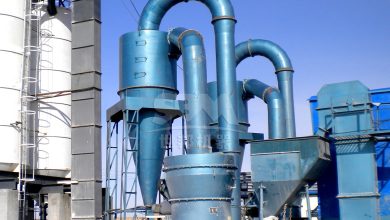
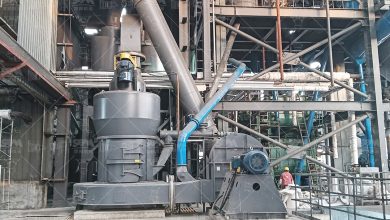
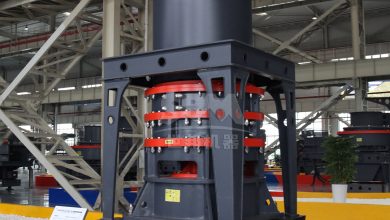
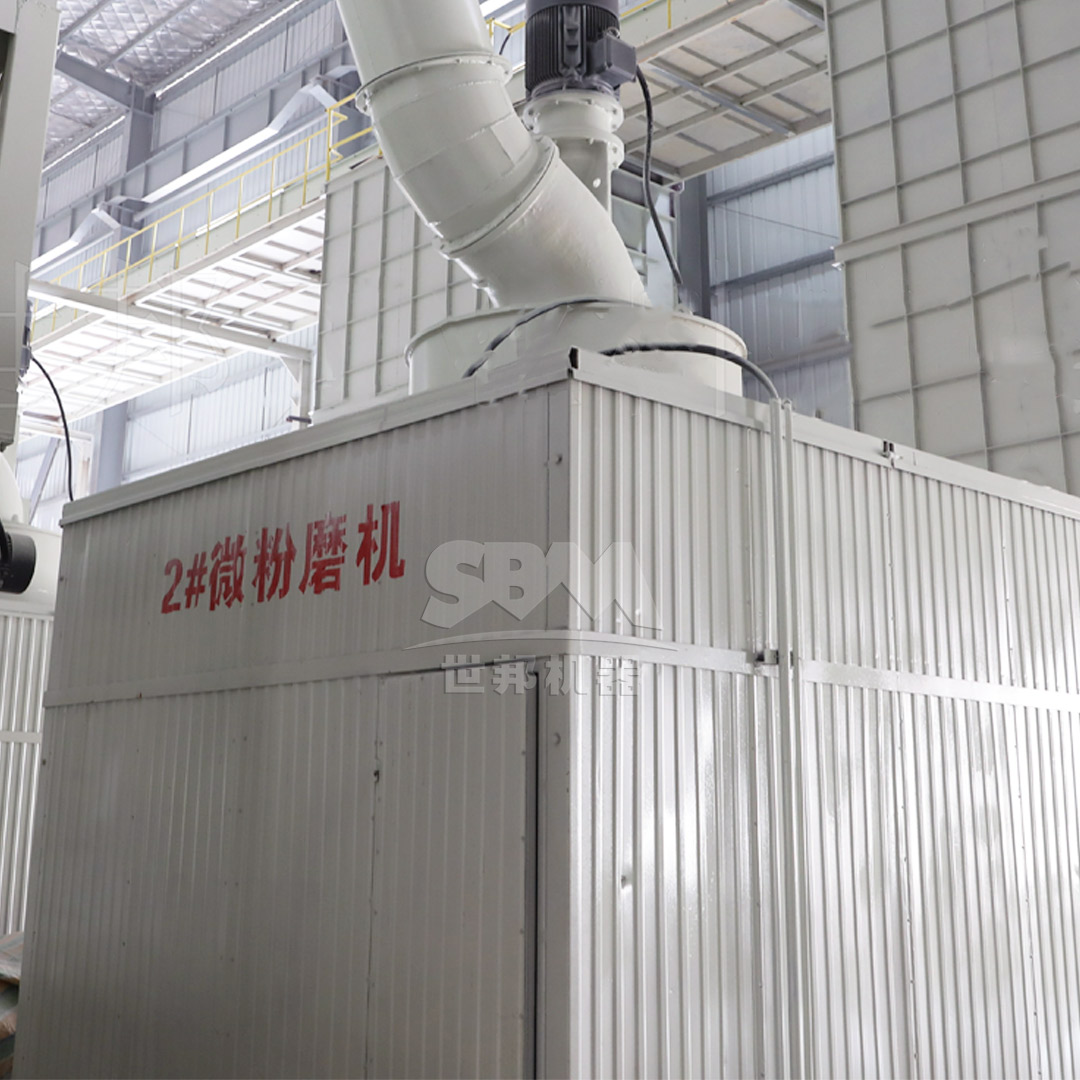
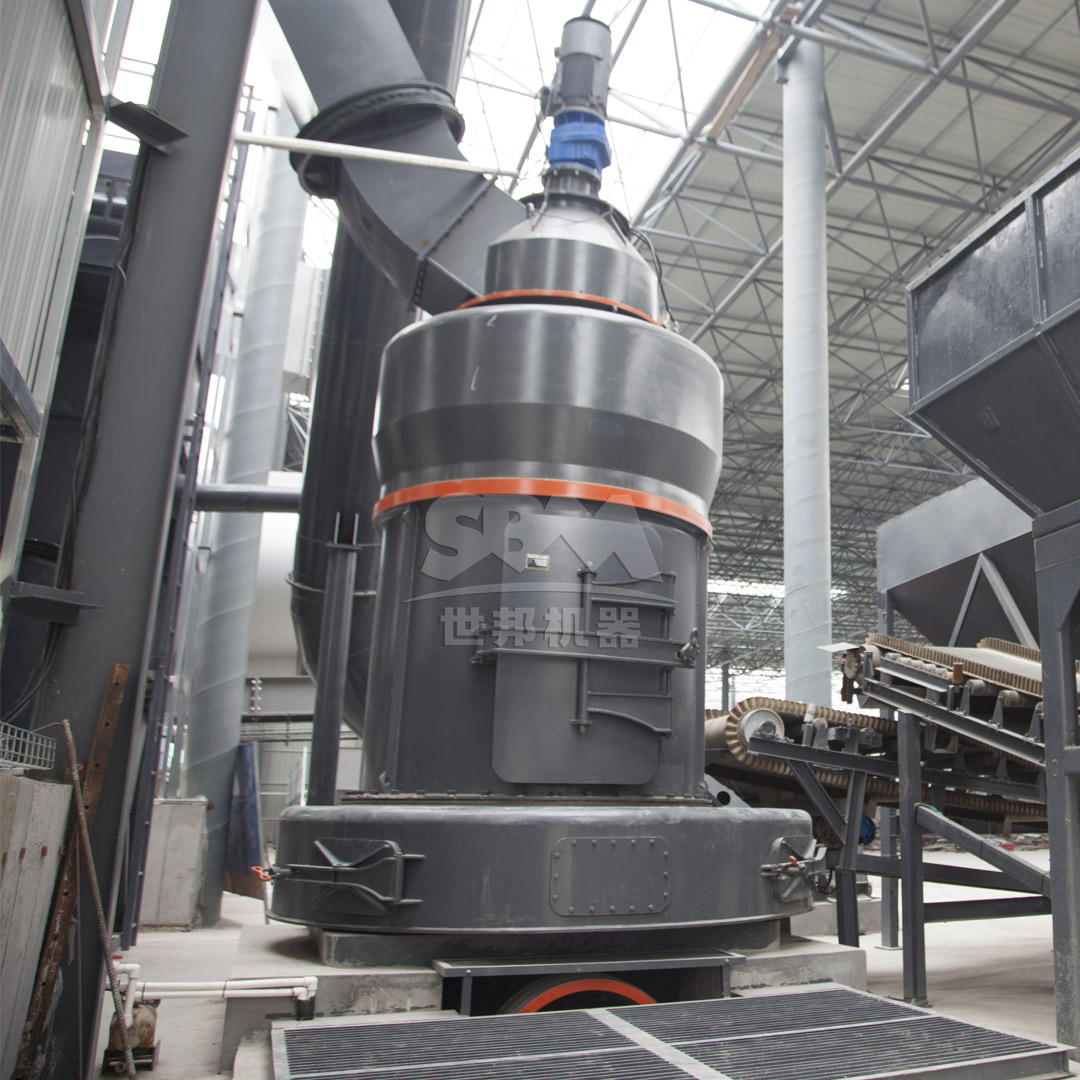
For applications requiring fine particle sizes, such as supplementary cementitious materials or filler applications, ultrafine grinding equipment is essential. The SCM Ultrafine Mill series offers exceptional capabilities for processing sludge incineration residues to precise specifications. With an output fineness range of 325-2500 mesh (D97≤5μm) and processing capacities from 0.5 to 25 tons per hour, these mills provide the precision required for high-value applications.
The SCM Ultrafine Mill incorporates several technological advantages particularly relevant to ash processing. Its high-efficiency classification system ensures consistent product quality, while the energy-efficient design reduces operating costs by 30% compared to conventional grinding systems. The equipment’s durable construction, featuring special material rollers and grinding rings, withstands the abrasive nature of ash materials, extending service life significantly. For operations requiring precise control over final product characteristics, the SCM series represents an optimal solution.
Versatile Grinding for Diverse Applications
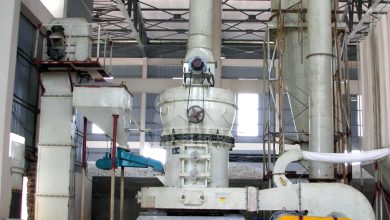
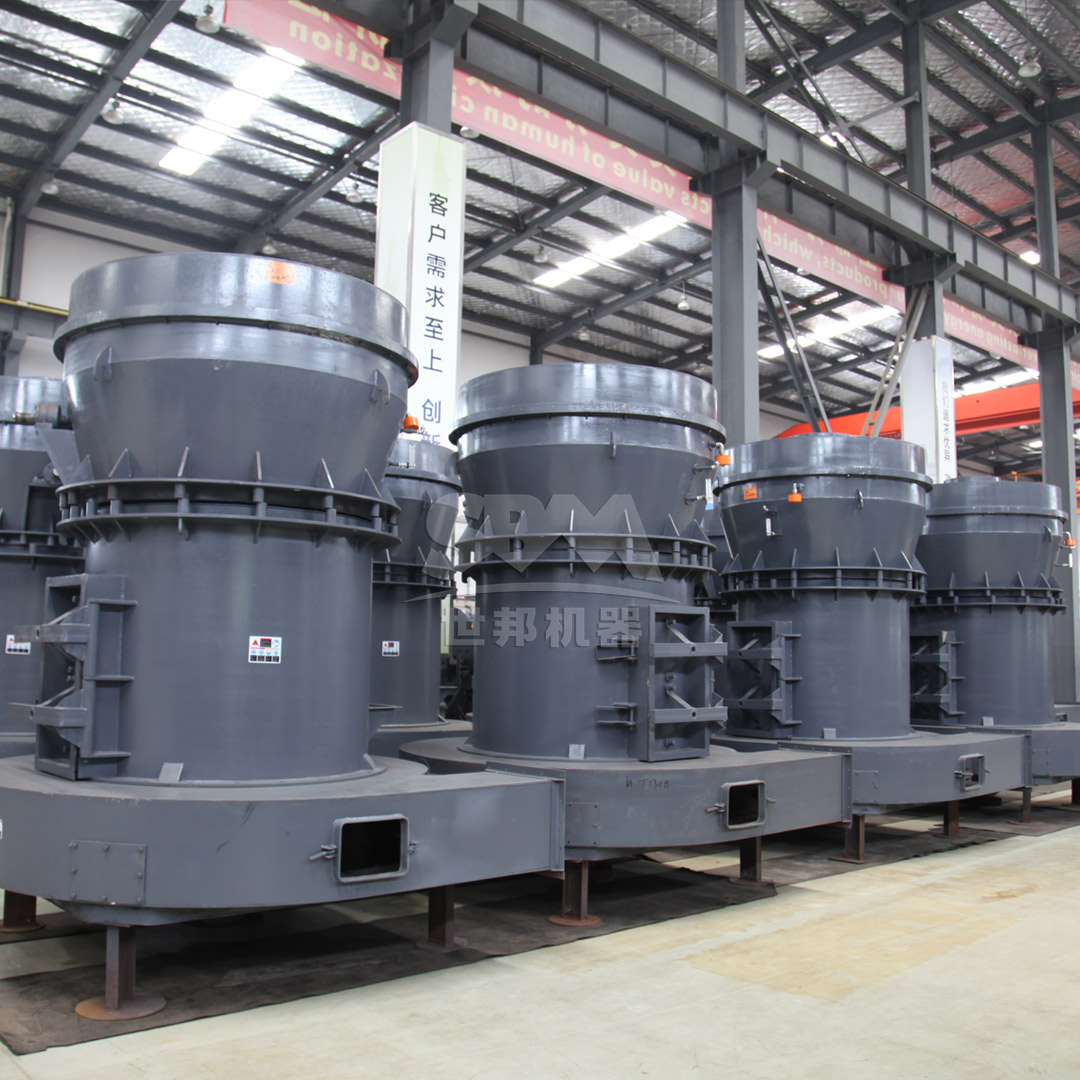
For applications where ultra-fineness is not the primary requirement, but versatility and high capacity are essential, the MTW Series Trapezium Mill offers an excellent solution. With an output fineness range of 30-325 mesh and processing capacities from 3 to 45 tons per hour, this equipment handles various ash types with consistent results. The MTW series features innovative wear-resistant design elements that reduce maintenance costs, particularly important when processing abrasive ash materials.
The curved air channel design of the MTW mill minimizes energy loss during material transport, while the integrated transmission system achieves 98% efficiency. These features make the equipment particularly suitable for operations requiring reliable, high-volume processing of sludge incineration residues. The mill’s adaptability to different feed sizes (up to 50mm) and moisture contents provides flexibility in handling variable ash characteristics.
Material Recovery and Product Applications
Processed sludge incineration residues can be transformed into various valuable products across multiple industries. The specific application depends on the residue characteristics, pretreatment methods, and final product specifications.
Construction Materials Production
One of the most promising applications for treated sludge incineration ash is in construction materials. The pozzolanic properties of certain ash types make them suitable as partial cement replacements in concrete production. When properly processed to achieve the required fineness and chemical stability, ash can replace 10-30% of cement content without compromising concrete performance. This application not only reduces the environmental impact of concrete production but also creates significant economic value from what would otherwise be waste material.
For construction applications, achieving the optimal particle size distribution is critical. Equipment like the SCM Ultrafine Mill enables producers to precisely control fineness parameters, ensuring compatibility with cement hydration processes. The resulting concrete exhibits comparable or improved durability characteristics while reducing the carbon footprint associated with cement production.
Geotechnical Applications
Processed bottom ash finds valuable applications in geotechnical engineering, particularly as fill material, road base, or embankment construction material. The granular nature and engineering properties of properly treated bottom ash make it suitable for these applications. When stabilized with cement or other binders, the material develops sufficient strength and stability for load-bearing applications.
The processing requirements for geotechnical applications typically involve size reduction and classification to achieve specific gradation requirements. The MTW Series Trapezium Mill, with its ability to produce materials in the 30-325 mesh range, is well-suited for preparing ash for these applications. The equipment’s high capacity and reliability support the large-volume requirements typical of construction projects.
Environmental Considerations and Regulatory Compliance
The recycling of sludge incineration residues must address environmental concerns and comply with relevant regulations. Proper processing and quality control are essential for ensuring that recycled products meet safety standards.
Leaching Behavior and Environmental Impact Assessment
Comprehensive leaching tests must be conducted on processed ash materials to evaluate their environmental impact. Standardized tests such as the Toxicity Characteristic Leaching Procedure (TCLP) or similar national standards provide data on contaminant mobility. Processing methods that include washing, stabilization, or thermal treatment can significantly reduce leaching potential, making the materials suitable for controlled applications.
Quality Control and Certification
Establishing robust quality control procedures is essential for the successful commercialization of products containing sludge incineration residues. Continuous monitoring of key parameters including chemical composition, particle size distribution, and contaminant levels ensures consistent product quality. Certification according to relevant standards (e.g., EN 450-1 for fly ash in concrete) provides assurance to end-users and facilitates market acceptance.
Economic Viability and Market Perspectives
The economic feasibility of sludge incineration residue recycling depends on multiple factors including processing costs, product value, and regulatory frameworks. Advances in processing technology have significantly improved the economic outlook for these recycling operations.
Cost-Benefit Analysis
Modern grinding equipment like the SCM Ultrafine Mill and MTW Series Trapezium Mill offer high efficiency and reliability, reducing operational costs compared to earlier technologies. When considering the avoided landfill costs, potential product revenues, and environmental benefits, recycling operations can achieve favorable economics. The specific business case varies depending on local conditions, regulatory requirements, and market dynamics.
Market Development and Trends
The market for products containing recycled materials continues to grow, driven by sustainability initiatives and circular economy policies. Construction materials incorporating processed ash are gaining acceptance as performance data accumulates and certification systems develop. The evolving regulatory landscape, with increasing emphasis on resource efficiency and waste minimization, further supports market development for recycled ash products.
Future Directions and Technological Innovations
The field of sludge incineration residue recycling continues to evolve, with ongoing research and technological development opening new possibilities for material utilization.
Advanced Separation and Purification Technologies
Emerging technologies for enhanced metal recovery and contaminant removal promise to improve the economics and environmental performance of ash recycling. Hydrometallurgical processes, bioleaching, and advanced separation techniques may enable higher-value applications by producing purified materials from ash components.
Integration with Carbon Capture and Utilization
The alkaline nature of certain ash types creates opportunities for carbon capture through mineral carbonation. This process not only sequesters CO2 but can also improve the technical properties of the ash for construction applications. Research in this area may lead to integrated approaches that address both waste management and climate change challenges.
Conclusion: Towards Sustainable Resource Management
The comprehensive recycling of sludge incineration fly ash and bottom ash represents a critical component of sustainable waste management strategies. Through proper pretreatment, advanced processing using equipment like the SCM Ultrafine Mill and MTW Series Trapezium Mill, and targeted product development, these challenging materials can be transformed into valuable resources. The technical pathways described in this article demonstrate that with appropriate technology and careful management, sludge incineration residues need not be environmental liabilities but can contribute to circular economy objectives.
As processing technologies continue to advance and market acceptance grows, the recycling of sludge incineration residues will play an increasingly important role in sustainable resource management. Equipment manufacturers continue to innovate, developing more efficient and specialized solutions for ash processing. Through collaborative efforts among researchers, technology providers, regulators, and end-users, the full potential of these materials can be realized, turning waste management challenges into resource opportunities.