The Process and Performance Advantages of Silicon Carbide Grinding and Milling
Introduction to Silicon Carbide Material Properties
Silicon carbide (SiC) is an advanced ceramic material renowned for its exceptional hardness, thermal stability, and chemical resistance. With a Mohs hardness of 9.5, second only to diamond, SiC presents significant challenges in machining and processing. The material’s unique combination of properties—including high thermal conductivity, low thermal expansion coefficient, and excellent wear resistance—makes it ideal for applications in aerospace, automotive, semiconductor, and defense industries. However, these same properties necessitate specialized grinding and milling equipment capable of handling its extreme hardness while maintaining precise dimensional control and surface finish quality.
The Challenges of Silicon Carbide Processing
Traditional grinding and milling methods often prove inadequate for silicon carbide due to several inherent challenges. The material’s extreme hardness leads to rapid tool wear, resulting in increased processing costs and inconsistent quality. Additionally, SiC’s brittleness requires careful control of processing parameters to prevent micro-cracking and subsurface damage. The high temperatures generated during machining can also affect material properties, necessitating efficient cooling systems. Furthermore, achieving the fine surface finishes and tight tolerances required for advanced applications demands precision equipment with superior stability and control capabilities.
Advanced Grinding Technologies for Silicon Carbide
Precision Grinding Approaches
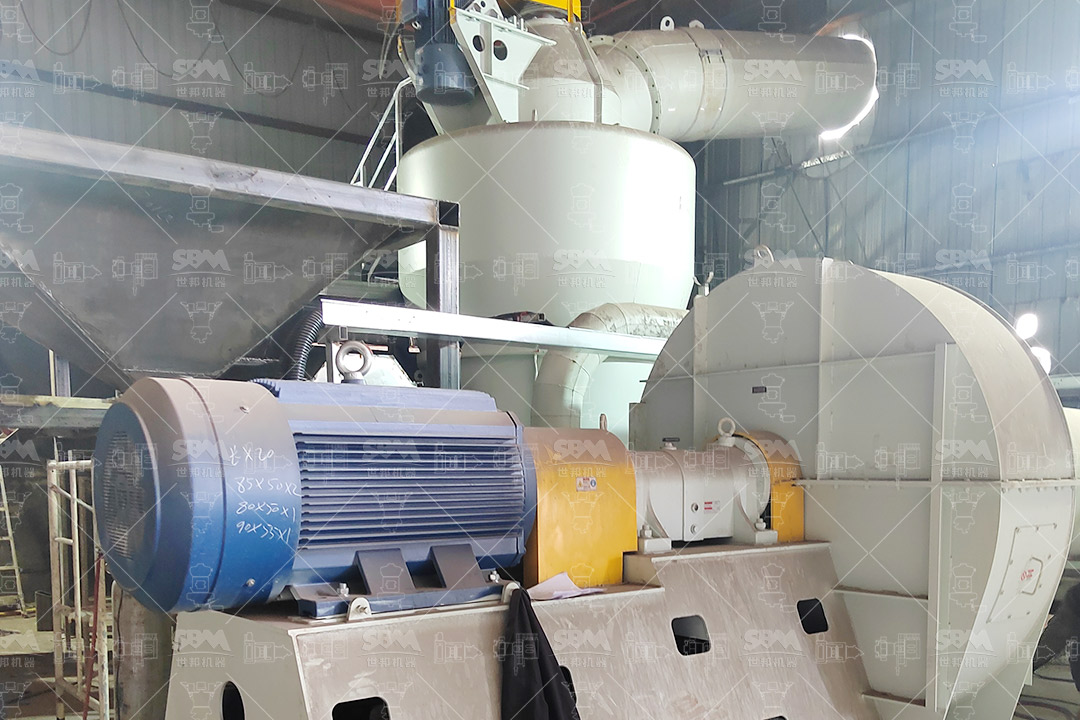
Modern silicon carbide grinding employs several advanced techniques to overcome processing challenges. Diamond grinding wheels with specifically engineered bond systems provide the necessary abrasion resistance while maintaining cutting efficiency. Electrolytic in-process dressing (ELID) grinding has emerged as a particularly effective method, maintaining wheel sharpness throughout the process and enabling mirror-like surface finishes. Creep-feed grinding techniques allow for higher material removal rates while minimizing thermal damage through optimized cooling strategies.
Surface Integrity Considerations
Maintaining surface integrity is paramount in SiC processing. The grinding parameters—including wheel speed, feed rate, depth of cut, and cooling methodology—must be carefully optimized to minimize subsurface damage. Research has shown that specific energy consumption during grinding serves as a reliable indicator of process efficiency and surface quality. Advanced monitoring systems can detect changes in grinding forces and temperatures in real-time, allowing for dynamic parameter adjustments to maintain optimal conditions throughout the process.
Milling Solutions for Silicon Carbide Components
Ultra-Fine Milling Requirements
For applications requiring the finest silicon carbide powders, specialized milling equipment must deliver exceptional performance in terms of particle size distribution, contamination control, and processing efficiency. The milling of SiC to sub-micron levels presents unique challenges related to particle agglomeration, heat generation, and equipment wear. Successful milling requires integrated systems that combine robust mechanical design with precise classification technology.
Recommended Equipment: SCM Series Ultrafine Mill
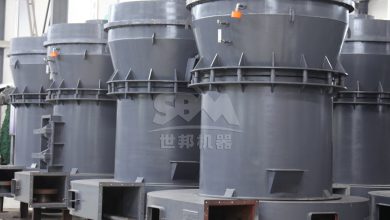
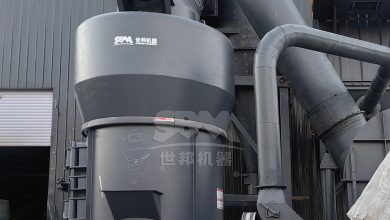
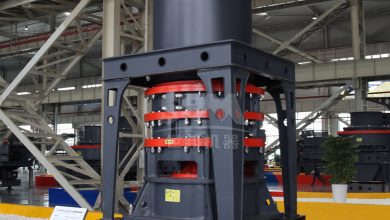
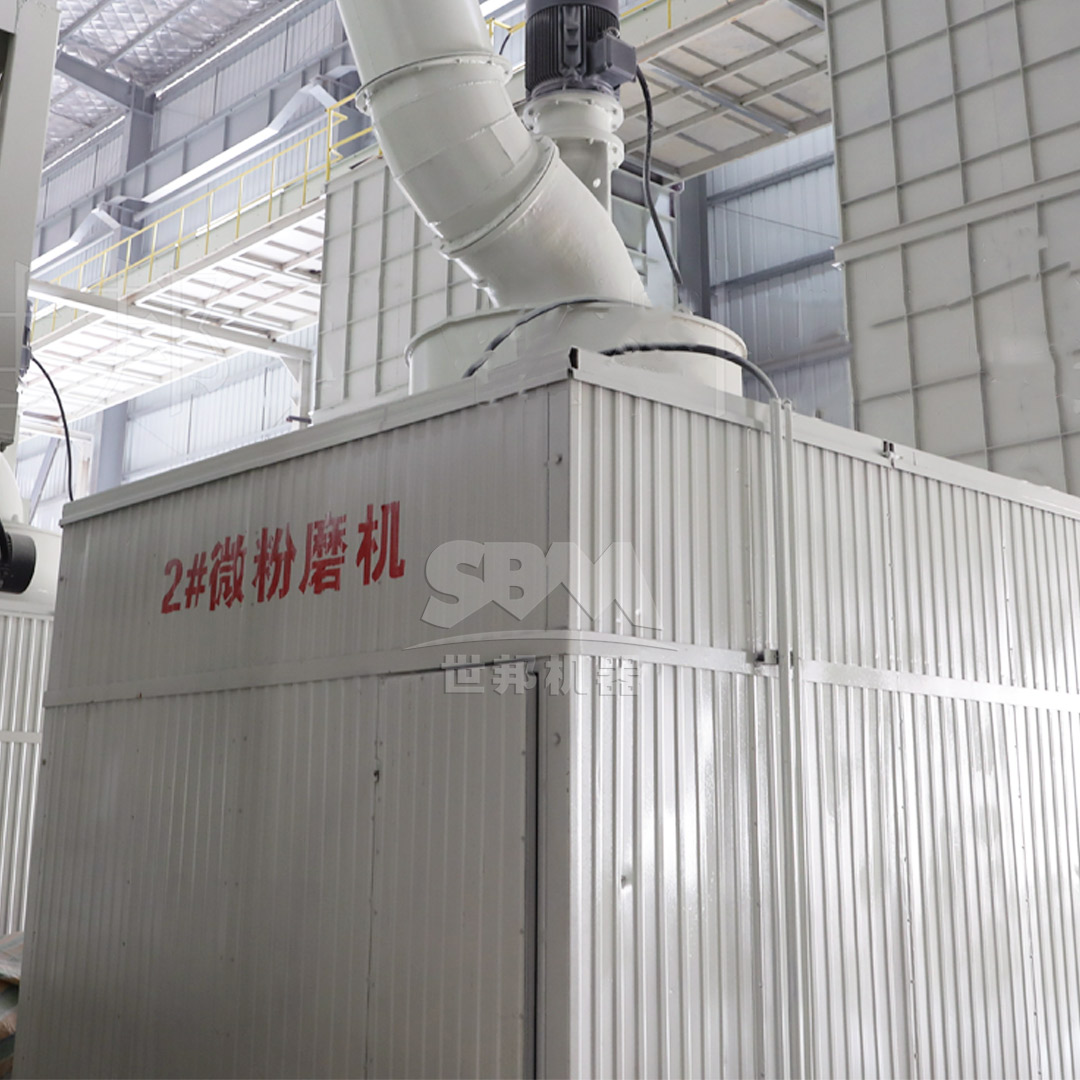
For ultra-fine silicon carbide milling applications, our SCM Series Ultrafine Mill offers exceptional performance characteristics specifically suited to this challenging material. With an output fineness range of 325-2500 mesh (D97≤5μm) and processing capacity of 0.5-25 tons per hour depending on model, this mill delivers the precision required for advanced SiC applications. The vertical turbine classifier ensures precise particle size control without coarse powder contamination, while the special material roller and grinding ring extend service life significantly compared to conventional mills.
The SCM Series incorporates several technological advantages particularly beneficial for silicon carbide processing. Its energy-efficient design provides twice the capacity of jet mills while reducing energy consumption by 30%. The intelligent control system automatically monitors and adjusts for consistent product fineness, crucial for maintaining SiC powder quality. The pulse dust collection system exceeds international standards, ensuring clean operation, while the soundproof chamber design maintains noise levels below 75dB.
Performance Advantages of Modern SiC Processing Equipment
Enhanced Efficiency and Productivity
Contemporary silicon carbide grinding and milling systems offer substantial improvements in processing efficiency. Advanced equipment designs reduce processing times by 40-60% compared to conventional methods while maintaining superior quality standards. The integration of automated control systems minimizes operator intervention and ensures consistent results batch after batch. Modern cooling and dust collection systems contribute to safer working environments while maintaining processing precision.
Quality and Consistency Improvements
The latest generation of SiC processing equipment delivers unprecedented levels of product consistency. Precise particle size distributions with narrow standard deviations are achievable through advanced classification technology. Reduced contamination levels—critical for semiconductor and optical applications—are maintained through innovative sealing systems and wear-resistant construction materials. The ability to maintain tight tolerances across extended production runs represents a significant advancement over earlier equipment generations.
Specialized Milling Solutions for Different SiC Applications
Coarse to Medium Fineness Processing
For applications requiring coarser silicon carbide powders or preliminary size reduction stages, robust milling equipment with high capacity and wear resistance is essential. The processing of SiC at medium fineness levels (typically 30-325 mesh) demands equipment capable of handling the material’s abrasiveness while maintaining efficient operation.
Recommended Equipment: MTW Series Trapezium Mill
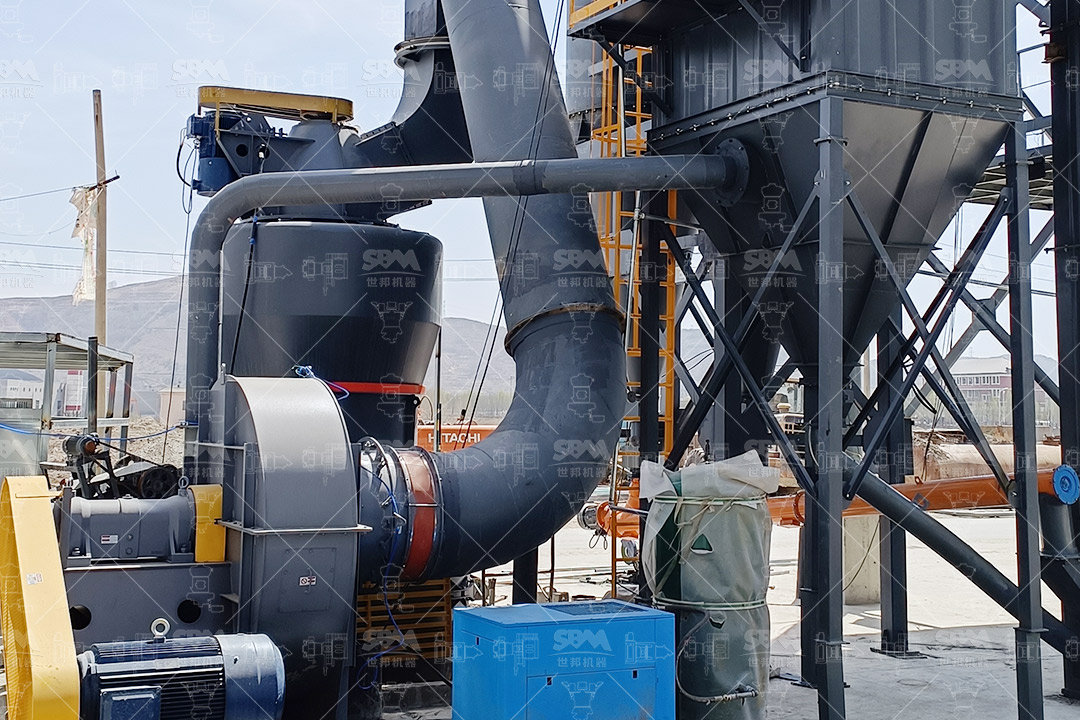
Our MTW Series Trapezium Mill provides an excellent solution for medium-fineness silicon carbide processing requirements. With input size capability up to 50mm and output fineness adjustable from 30-325 mesh, this mill handles a wide range of SiC processing applications. The curved air channel design reduces energy loss and improves transmission efficiency, while the combined shovel blades significantly reduce maintenance costs. The integral transmission with bevel gears achieves 98% transmission efficiency, contributing to overall energy savings.
The MTW Series offers particular advantages for silicon carbide processing through its wear-resistant design features. The curved shovel blade design extends roller service life, while the wear-resistant volute structure improves air classification efficiency. With processing capacities ranging from 3-45 tons per hour depending on model, this mill provides the flexibility needed for various production requirements. The intelligent pressure regulation system automatically compensates for roller wear, maintaining consistent performance throughout the equipment lifecycle.
Technical Considerations for Optimal SiC Processing
Parameter Optimization Strategies
Achieving optimal results in silicon carbide grinding and milling requires careful consideration of multiple technical parameters. The relationship between wheel/mill selection, processing parameters, and desired outcomes must be thoroughly understood. For grinding operations, parameters such as wheel grit size, bond type, wheel speed, and coolant application must be optimized for specific SiC grades and application requirements. In milling operations, factors including mill type, media selection, rotational speed, and classification efficiency significantly impact final product characteristics.
Cooling and Contamination Control
Effective cooling is critical in silicon carbide processing to prevent thermal damage and maintain dimensional stability. Advanced cooling systems must provide sufficient heat removal while minimizing the risk of contamination. The choice of coolant—whether oil-based, water-based, or cryogenic—depends on specific application requirements and equipment capabilities. Contamination control extends beyond cooling considerations to include wear particle management, environmental isolation, and cleaning procedures between material changes.
Economic Considerations in Silicon Carbide Processing
Total Cost of Ownership Analysis
When evaluating silicon carbide grinding and milling equipment, a comprehensive total cost of ownership analysis provides valuable insights beyond initial purchase price. Factors including energy consumption, maintenance requirements, consumable costs, downtime, and labor requirements significantly impact long-term operational economics. Modern equipment designs increasingly focus on optimizing these factors through improved efficiency, reduced maintenance intervals, and enhanced reliability.
Return on Investment Calculations
The return on investment for advanced SiC processing equipment must consider both quantitative and qualitative factors. Increased processing efficiency, improved product quality, reduced scrap rates, and enhanced capability for high-value applications contribute to the economic justification. Additionally, factors such as reduced environmental impact, improved workplace safety, and regulatory compliance may influence investment decisions, particularly in regions with stringent environmental and safety regulations.
Future Trends in Silicon Carbide Processing Technology
Automation and Industry 4.0 Integration
The future of silicon carbide processing lies in increased automation and integration with Industry 4.0 principles. Smart grinding and milling systems incorporating IoT sensors, real-time monitoring, and predictive maintenance capabilities will further enhance processing efficiency and reliability. The integration of artificial intelligence for parameter optimization and quality prediction represents the next frontier in SiC processing technology, potentially enabling autonomous operation with minimal human intervention.
Advanced Materials and Design Innovations
Ongoing research in materials science continues to yield improvements in grinding and milling technology. Advanced composite materials for grinding wheels and mill components offer extended service life and improved performance characteristics. Innovations in equipment design, including novel grinding geometries and milling chamber configurations, promise further efficiency gains. The development of hybrid processing methods combining multiple techniques may open new possibilities for silicon carbide machining with improved economics and capabilities.
Conclusion
The grinding and milling of silicon carbide represents a specialized field requiring advanced equipment and sophisticated process knowledge. The exceptional properties that make SiC valuable for demanding applications also present significant processing challenges. Modern grinding and milling technologies have evolved to meet these challenges, offering improved efficiency, enhanced quality control, and reduced operating costs. Equipment such as the SCM Series Ultrafine Mill and MTW Series Trapezium Mill provide specialized solutions tailored to the unique requirements of silicon carbide processing across various fineness ranges and production volumes. As technology continues to advance, we can expect further improvements in processing capabilities, supporting the expanding applications of this remarkable material across multiple industries.