How to Process Desulfurization By-Products? A Grinding Mill Solves Comprehensive Utilization of Desulfurization Solid Waste
The Challenge of Desulfurization Solid Waste
The widespread adoption of flue gas desulfurization (FGD) technologies, particularly wet limestone-gypsum processes, has been instrumental in combating air pollution. However, this environmental success story has generated a significant by-product stream: desulfurization gypsum (FGD gypsum) and other related solid wastes. Millions of tons are produced annually worldwide, posing a substantial challenge for disposal and environmental management. Landfilling, the traditional approach, is increasingly unsustainable due to space constraints, potential leaching risks, and the sheer waste of valuable material. The key to transforming this challenge into an opportunity lies in comprehensive utilization, and at the heart of this process is advanced grinding technology.
Unlocking Value: Applications of Processed Desulfurization By-Products
Properly processed desulfurization solid waste can be a valuable resource across multiple industries:
- Construction & Building Materials: The primary application is as a substitute for natural gypsum in producing gypsum board, plaster, and self-leveling floor compounds. Fine grinding is essential to achieve the reactivity and setting time required.
- Cement Industry: FGD gypsum is a critical set regulator in cement production. A consistent, finely ground product ensures precise control over the cement’s hydration process.
- Soil Amendment & Agriculture: Processed gypsum can improve soil structure, reduce compaction, and provide a source of calcium and sulfur for crops.
- Advanced Materials: Ultra-fine and high-purity grades can be used in specialized plasters, dental applications, and as filler in polymers and paints.
The economic and environmental viability of all these applications hinges on one critical step: efficient size reduction and classification to meet specific fineness and purity requirements.
The Critical Role of Grinding Mills in Value Addition
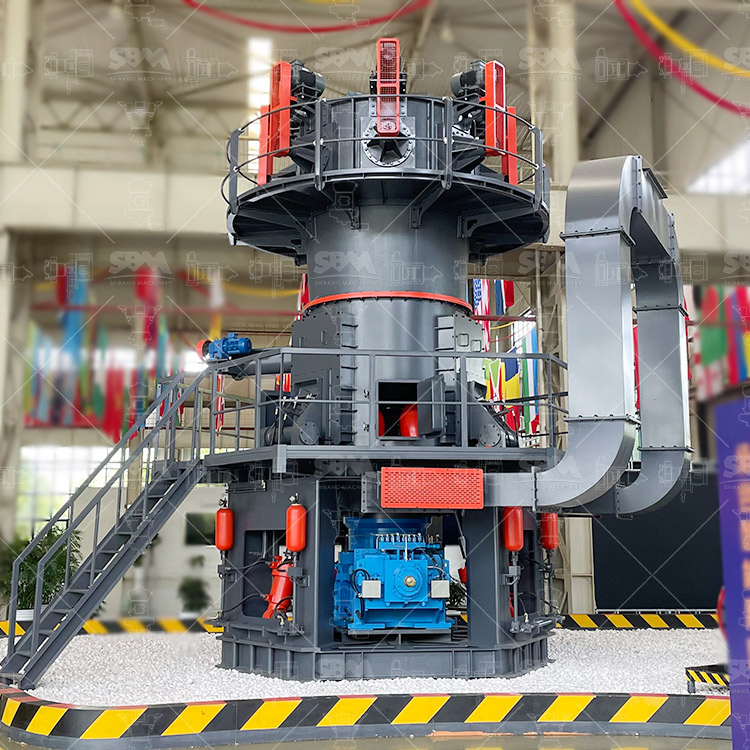
Grinding is not merely about making powder; it’s an enabling technology that activates the material. For desulfurization by-products, the right grinding system determines the product’s marketability. Key requirements include:
- Adjustable Fineness: The ability to produce a range of products from coarse cement retarder (e.g., 30-100 mesh) to ultra-fine fillers (over 1000 mesh).
- High Classification Efficiency: Precise particle size cuts are necessary to ensure product uniformity and prevent coarse particles from degrading product quality.
- Energy Efficiency: Given the high-volume, often low-margin nature of this business, low specific energy consumption (kWh/ton) is paramount for profitability.
- Wear Resistance & Low Maintenance: Desulfurization by-products can be abrasive. Equipment must be designed for durability to minimize downtime and operating costs.
- Environmental Compliance: The grinding process itself must be clean, with fully enclosed systems and efficient dust collection to prevent secondary pollution.
Technology Spotlight: The MTW Series European Trapezium Mill
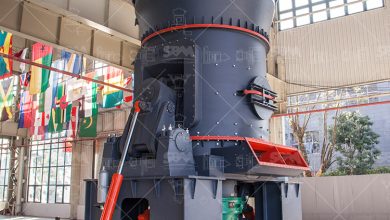
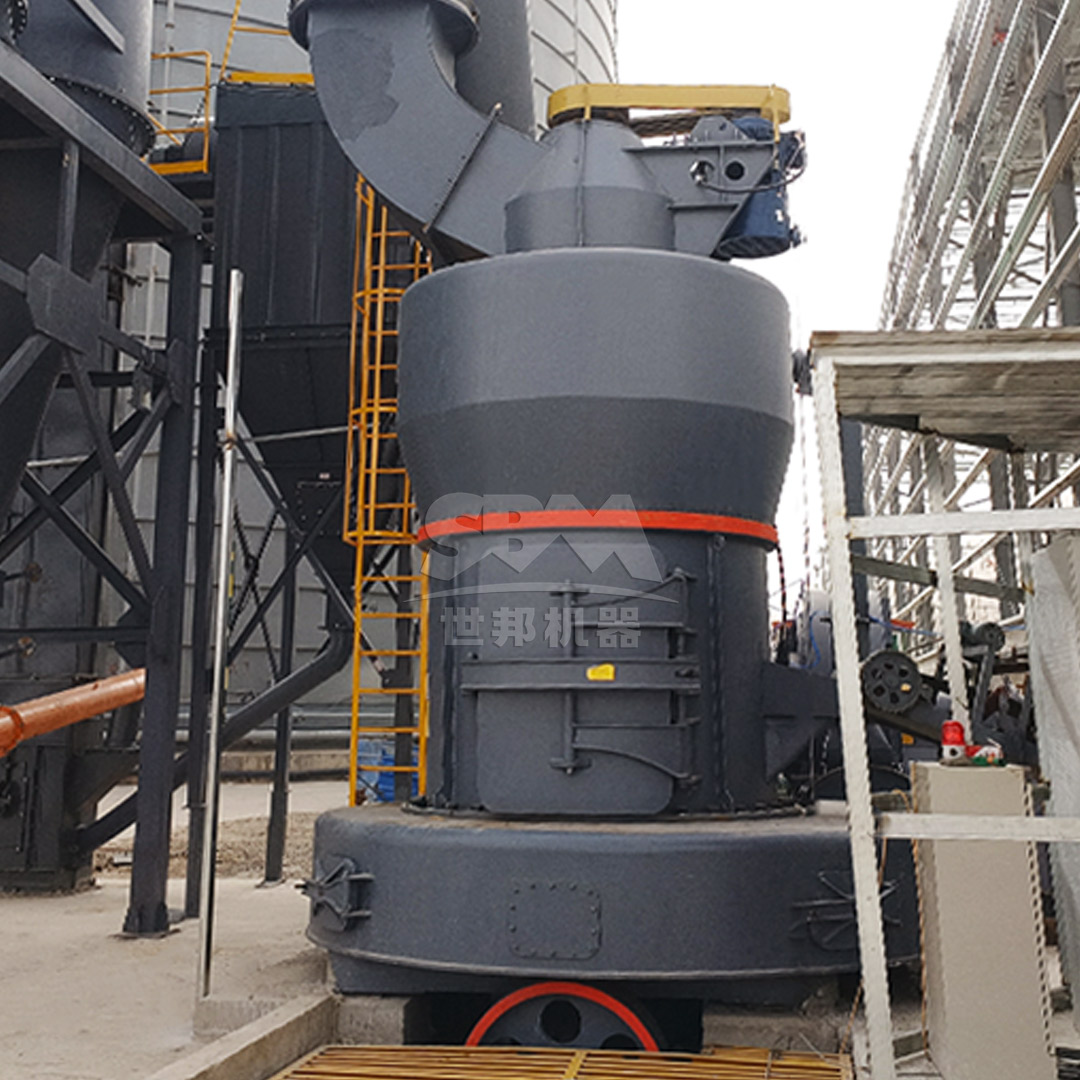
For the production of standard construction-grade gypsum powder (typically 80-200 mesh) and cement retarder, a robust and efficient medium-fine grinding solution is ideal. Our MTW Series European Trapezium Mill is engineered to excel in this role.
With an input size of up to 50mm and an output fineness range of 30-325 mesh (down to 0.038mm), it can directly process lumpy FGD gypsum. Its anti-wear shovel design and wear-resistant volute structure are specifically advantageous for handling slightly abrasive materials, significantly reducing maintenance costs. The integral bevel gear drive achieves a remarkable 98% transmission efficiency, translating directly into lower energy consumption per ton of product. For projects requiring capacities from 3 to 45 tons per hour, the MTW series offers a reliable, cost-effective grinding backbone for desulfurization by-product utilization plants.
Ascending to High Value: The Need for Ultra-Fine Grinding
To access higher-value markets in advanced building materials, specialty plasters, and high-performance fillers, ultra-fine grinding is mandatory. Products with fineness exceeding 325 mesh (45μm) and reaching 2500 mesh (5μm) command premium prices. This process requires technology that delivers not only extreme fineness but also precise particle size distribution and high energy efficiency to remain viable.
Technology Spotlight: The SCM Series Ultrafine Mill
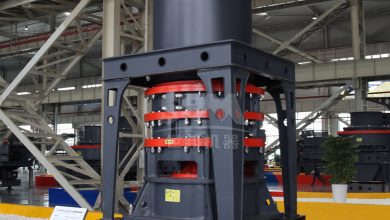
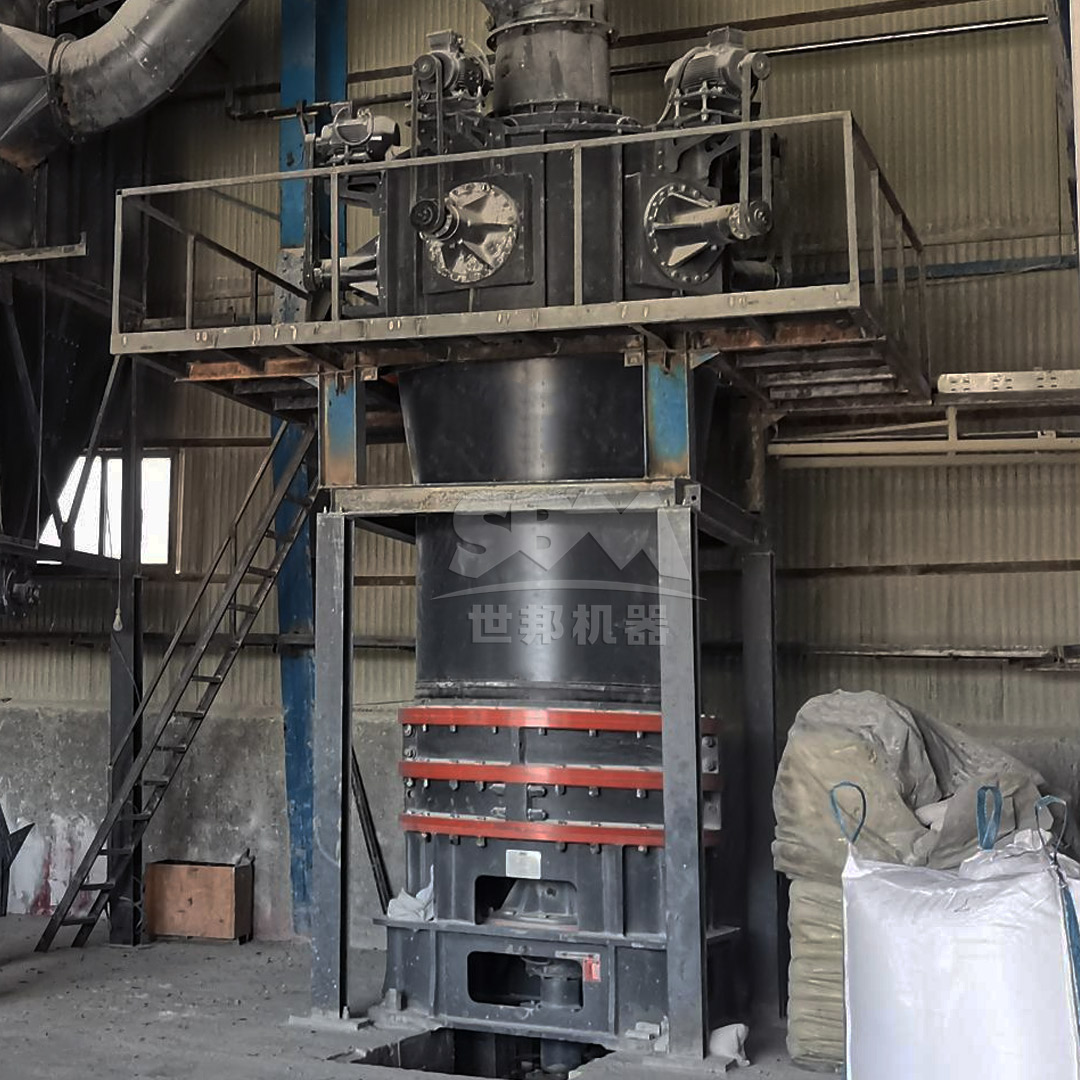
For transforming ordinary desulfurization gypsum into a high-value, ultra-fine powder, our SCM Series Ultrafine Mill represents the cutting edge. This mill is designed to produce powders in the range of 325 to 2500 mesh (5μm) with exceptional efficiency.
Its core advantages directly address the challenges of high-value by-product processing:
- High Efficiency & Energy Saving: It offers twice the capacity of traditional jet mills while consuming 30% less energy, dramatically improving the economics of ultra-fine production.
- High-Precision Classification: The integrated vertical turbine classifier ensures a sharp particle size cut, producing a uniform product free of coarse particles—a critical quality parameter for premium applications.
- Durable Design: Special material rollers and rings extend service life, while the shaftless screw grinding chamber design promotes stable, long-term operation crucial for continuous processing lines.
- Eco-friendly Operation: With a pulse dust collection efficiency exceeding international standards and a soundproof room design, the SCM mill ensures the production process is clean and compliant.
Models like the SCM1250 (2.5-14 t/h, 185kW) or the SCM1680 (5-25 t/h, 315kW) are perfectly suited for large-scale, high-value conversion of desulfurization solid waste into sought-after ultra-fine powders.
Building a Sustainable Utilization Pathway
The comprehensive utilization of desulfurization solid waste is a multi-step journey from raw by-product to finished commodity. A typical process flow involves:
- Pre-processing: Drying (if necessary) and initial crushing of raw FGD gypsum.
- Primary Grinding: Using a mill like the MTW series to produce base-grade material for construction or cement.
- Secondary/Ultra-fine Grinding (for premium lines): Feeding the base material into an SCM Ultrafine Mill to achieve specialty fineness.
- Classification & Packaging: Final sizing, possible calcination for plaster, and bagging for market.
Selecting the right grinding equipment is the most critical technical decision in this chain. It determines the product portfolio, operational cost, and ultimately, the profitability and sustainability of the entire utilization project.
Conclusion
The question is no longer if we should utilize desulfurization by-products, but how to do it most effectively. Advanced grinding technology is the linchpin that unlocks this circular economy potential. By enabling the production of consistent, high-quality powders tailored to market needs—from basic building materials to advanced industrial fillers—modern mills transform an environmental liability into a stream of valuable commodities. Investing in the right grinding solution, such as the versatile MTW series for standard grades or the high-performance SCM series for ultra-fine products, is the essential step for power plants, independent processors, and building material companies to build a profitable and sustainable future from desulfurization solid waste.