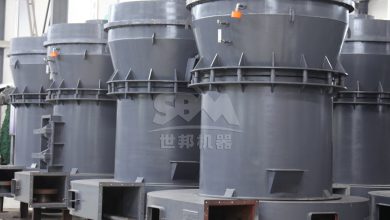
Advantages of Using Vertical Roller Mill for Dry Grinding and Beneficiation of Iron Ore to Produce Concentrate
Introduction
The global iron and steel industry is under constant pressure to improve efficiency, reduce costs, and minimize its environmental footprint. A critical stage in this value chain is the processing of raw iron ore into a high-grade concentrate suitable for pelletizing or sintering. Traditional wet grinding and beneficiation methods, while effective, are increasingly scrutinized for their high water consumption, tailings management challenges, and energy intensity. In this context, dry grinding and beneficiation technologies, particularly those utilizing Vertical Roller Mills (VRMs), are emerging as a superior, sustainable alternative. This article explores the multifaceted advantages of employing VRM technology for dry iron ore processing and highlights how our advanced milling solutions can optimize this critical operation.
The Shift to Dry Processing: A Strategic Imperative
Water scarcity, stringent environmental regulations, and the high cost of tailings dam construction and maintenance are driving a paradigm shift towards dry mineral processing. For iron ore, dry beneficiation offers a compelling value proposition by eliminating process water, reducing tailings volumes, and enabling operations in arid regions. The success of this approach hinges on the efficiency of the comminution stage, where the ore is ground to a fineness that liberates iron-bearing minerals from the gangue for subsequent dry separation (e.g., via magnetic or electrostatic separation). This is where the Vertical Roller Mill proves its exceptional capability.
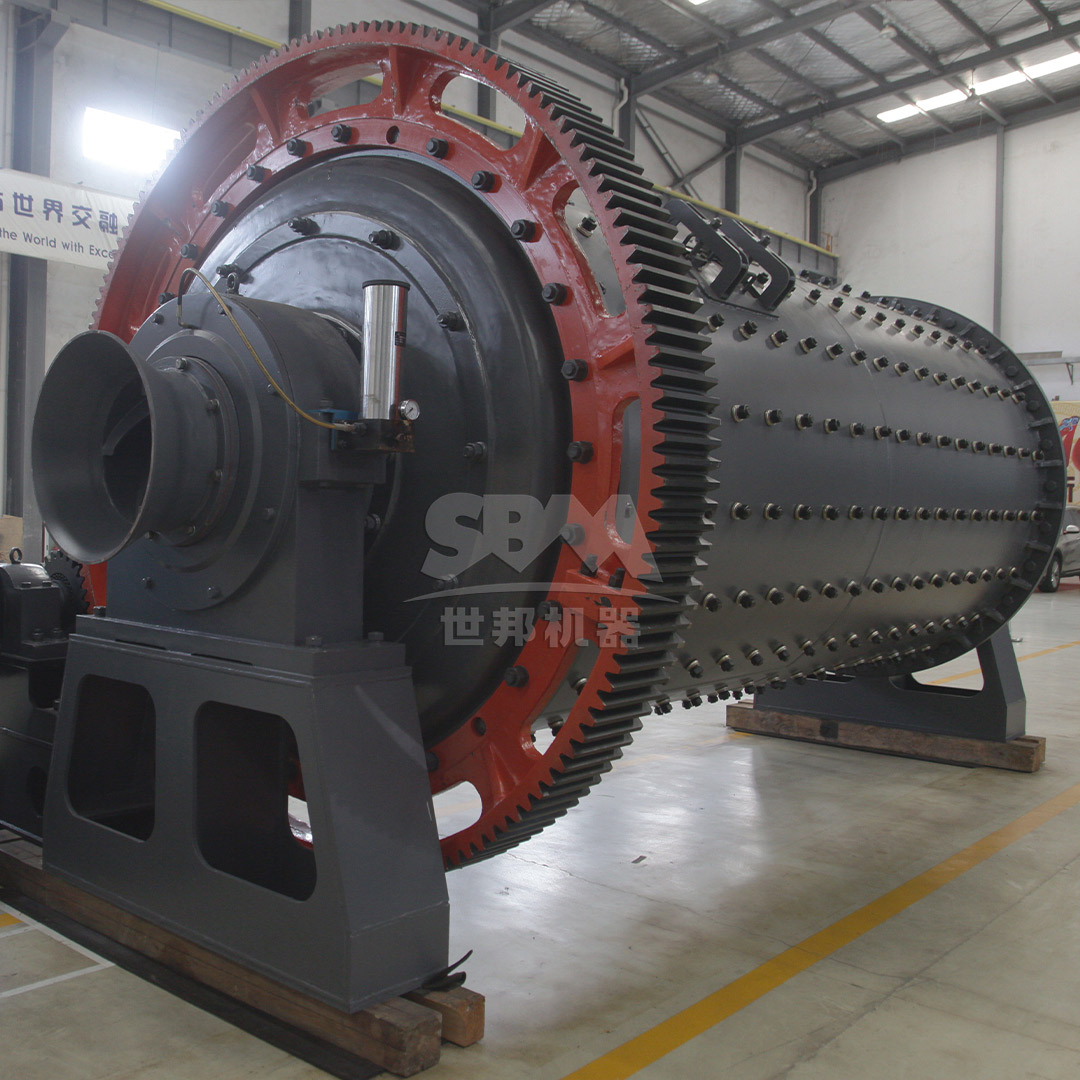
Core Advantages of Vertical Roller Mills in Iron Ore Applications
1. Exceptional Energy Efficiency
The fundamental working principle of a VRM—applying pressure to a material bed between rotating rollers and a stationary grinding table—is inherently more energy-efficient than the impact and attrition mechanisms of traditional ball mills. For dry grinding iron ore to concentrate-grade fineness (typically 45-150 microns), VRMs can achieve 30-40% lower specific energy consumption. This translates directly to significantly reduced operating costs and a lower carbon footprint per ton of concentrate produced.
2. Integrated Drying and Grinding
One of the most significant advantages for dry processing is the VRM’s ability to simultaneously grind and dry moist feed material. Hot gas (up to 400°C) is introduced into the mill housing, flowing through the grinding bed and carrying away moisture. This integrated system eliminates the need for a separate, energy-intensive rotary dryer, streamlining the process flow, reducing capital expenditure, and minimizing heat loss.
3. Precise Particle Size Control and Product Uniformity
Producing a consistent, narrowly-sized product is crucial for the efficiency of downstream dry separation processes. VRMs are equipped with highly efficient, integrated dynamic classifiers. These classifiers immediately separate fine particles that meet the target size from the grinding zone, preventing over-grinding. Coarse particles are returned for further comminution. This closed-circuit operation within a single machine ensures a uniform product with a steep particle size distribution, maximizing liberation and improving the performance of magnetic separators.
4. Low Operating Noise and Environmental Compliance
Modern VRMs are designed for fully sealed, negative-pressure operation, which contains dust within the system. Coupled with high-efficiency pulse jet baghouse filters, dust emissions are maintained well below international standards (< 20 mg/Nm³). Furthermore, the enclosed design and advanced soundproofing materials result in remarkably low external noise levels (< 85 dB), ensuring a better working environment and community relations.
5. High Availability and Reduced Maintenance
VRMs feature a robust design with wear parts (rollers and table liners) made from highly abrasion-resistant materials. The non-contact design between rollers and the table during idle operation minimizes wear. Furthermore, advanced models incorporate hydraulic systems that allow rollers to be swung out for maintenance or replaced using quick-change systems, dramatically reducing downtime compared to ball mill liner changes.
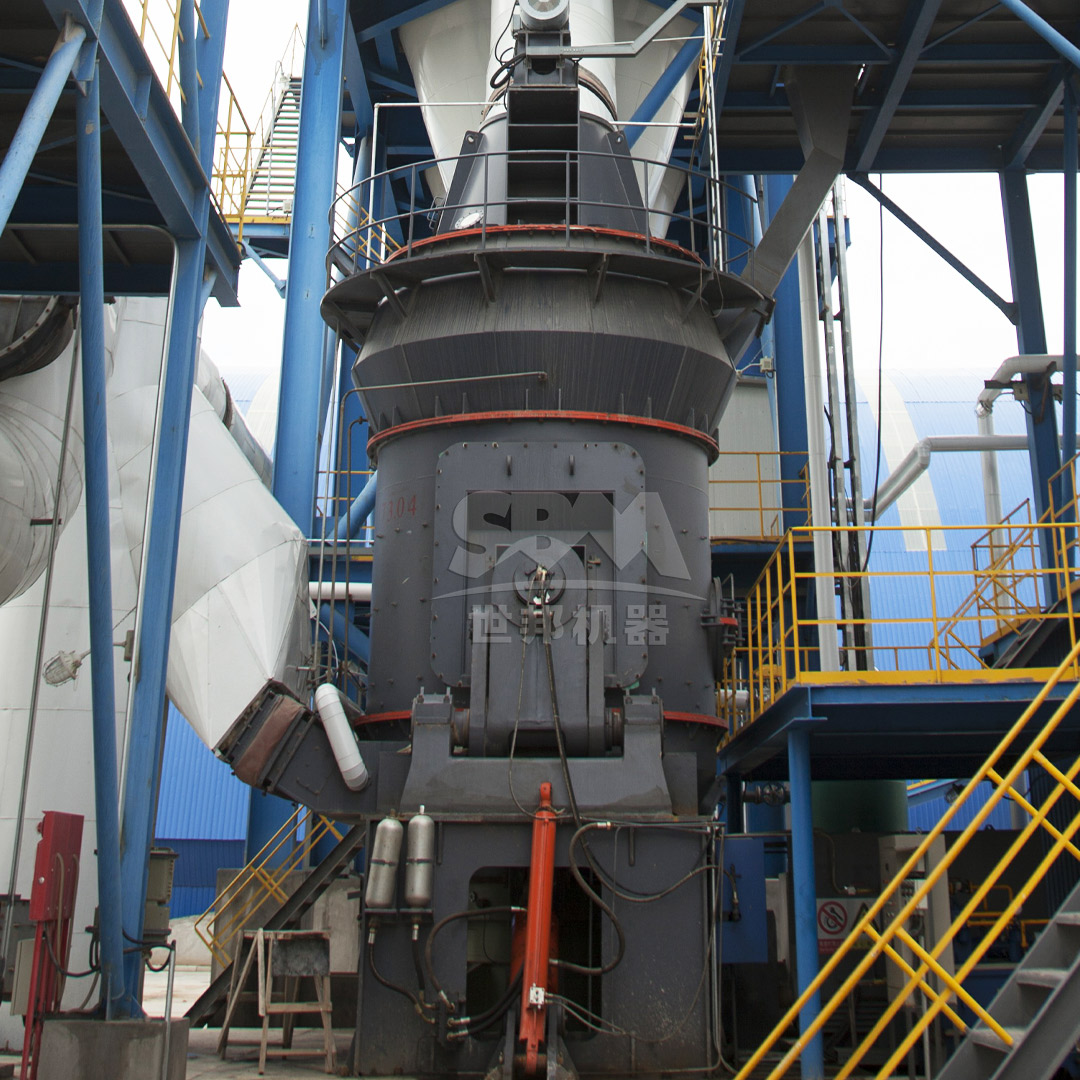
Our Technological Solution: The LM Series Vertical Roller Mill
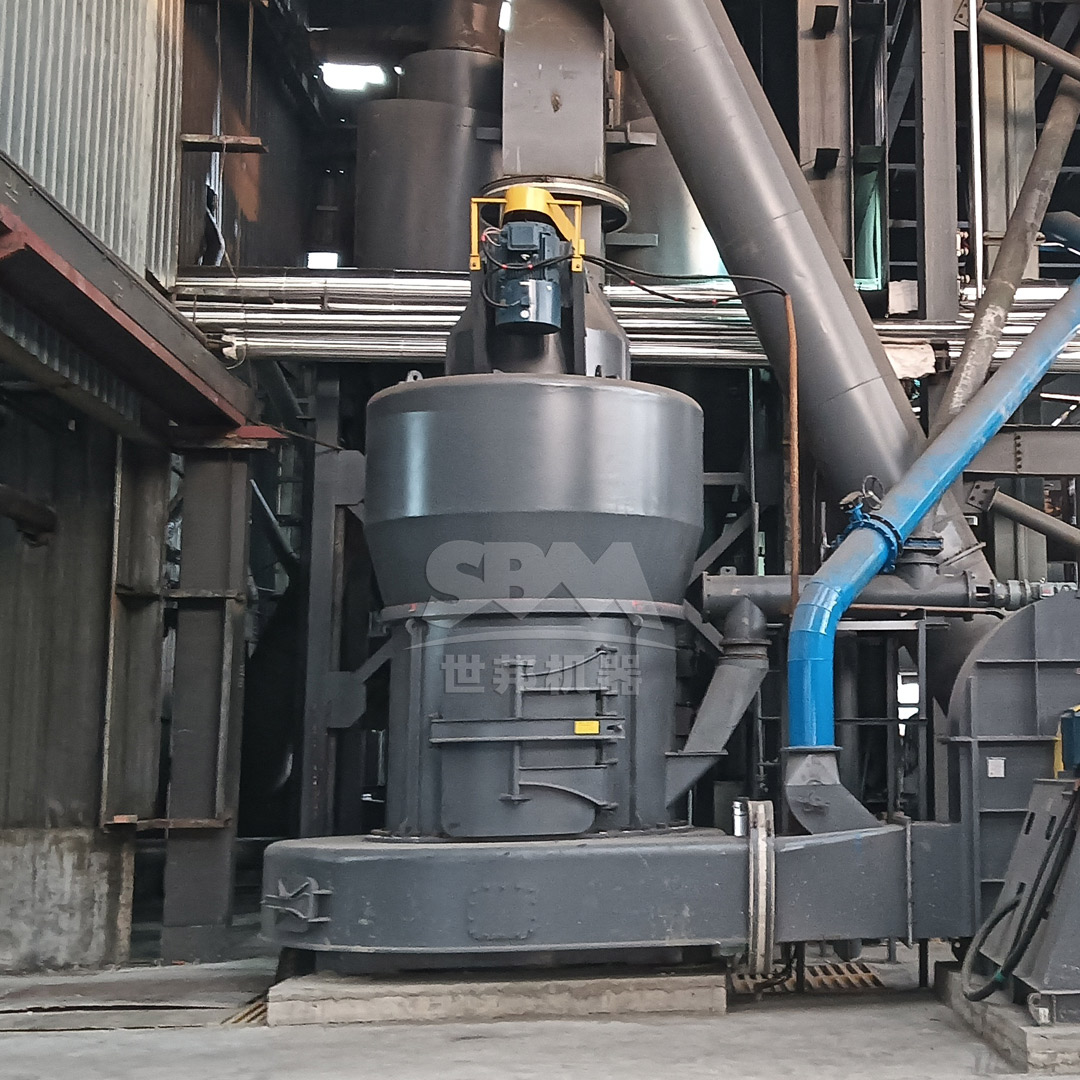
To fully harness these advantages for iron ore beneficiation, selecting the right technology partner is essential. Our LM Series Vertical Roller Mill is engineered specifically for the rigorous demands of mineral processing, including iron ore.
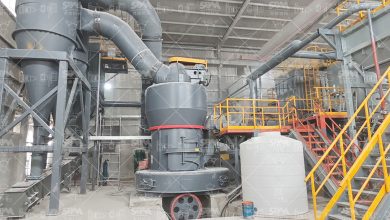
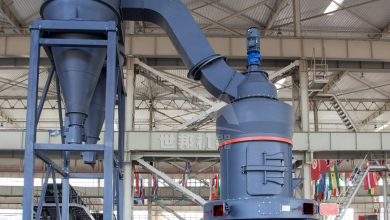
Designed with an integrated system that combines crushing, grinding, drying, and classification in one unit, the LM mill reduces plant footprint by up to 50% and can be installed outdoors, slashing civil engineering costs. Its intelligent control system allows for expert-level automation, enabling real-time monitoring and adjustment of key parameters like grinding pressure, feed rate, and gas temperature to maintain optimal performance and product quality with minimal manual intervention.
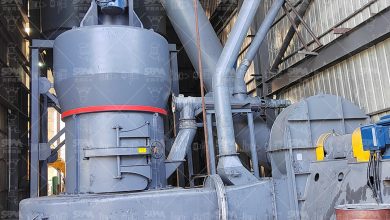
For iron ore applications requiring high capacity, the LM220K model is particularly suitable. With a grinding table diameter of 2200mm and a main motor power of 800kW, it can process up to 105 tons per hour, achieving a fineness in the range of 170-45 microns (approximately 80-325 mesh)—ideal for concentrate preparation. Its patented modular grinding roller assembly allows for swift replacement, while the dynamic classifier with multi-stage adjustment ensures precise control over the final product size critical for downstream dry magnetic separation.
Optimizing the Entire Circuit: The Role of the MTW Series Mill
For operations that may involve a secondary grinding stage or require processing of different ore blends, our MTW Series European Trapezium Mill offers complementary benefits. While also highly efficient for dry grinding, its unique curved shovel blade design and integral bevel gear drive (98% transmission efficiency) provide exceptional durability and smooth operation for medium-to-fine grinding tasks. Models like the MTW215G, with a capacity of 15-45 t/h, offer flexibility within a processing plant, handling various product streams with reliability. Its wear-resistant volute structure and optimized air duct further enhance its suitability for abrasive materials like iron ore.
Conclusion
The adoption of Vertical Roller Mill technology for the dry grinding and beneficiation of iron ore represents a forward-thinking approach to sustainable and cost-effective mineral processing. The compelling advantages—dramatic energy savings, integrated drying, superior product quality, environmental compliance, and operational reliability—position VRMs as the cornerstone of modern, water-conscious iron ore plants.
Our commitment to innovation is embodied in mills like the LM Series Vertical Roller Mill and the MTW Series European Trapezium Mill, which are designed to deliver these advantages reliably at an industrial scale. By partnering with us, mining operators can build a more efficient, sustainable, and profitable future for iron ore concentrate production.