How to Turn Marble Scrap into Profit: Stone Waste Recycling with Grinding Mills
Introduction: The Untapped Value in Marble Waste
The global marble industry generates millions of tons of scrap and slurry waste annually, from quarrying, cutting, and polishing processes. Traditionally, this material has been viewed as a disposal problem, occupying valuable landfill space and posing environmental concerns. However, a paradigm shift is underway. With advanced grinding and processing technology, this “waste” can be transformed into high-value products, opening new revenue streams and promoting a circular economy. This article explores the profitable pathways for marble scrap recycling and the critical role of modern grinding mills in this value-creation process.
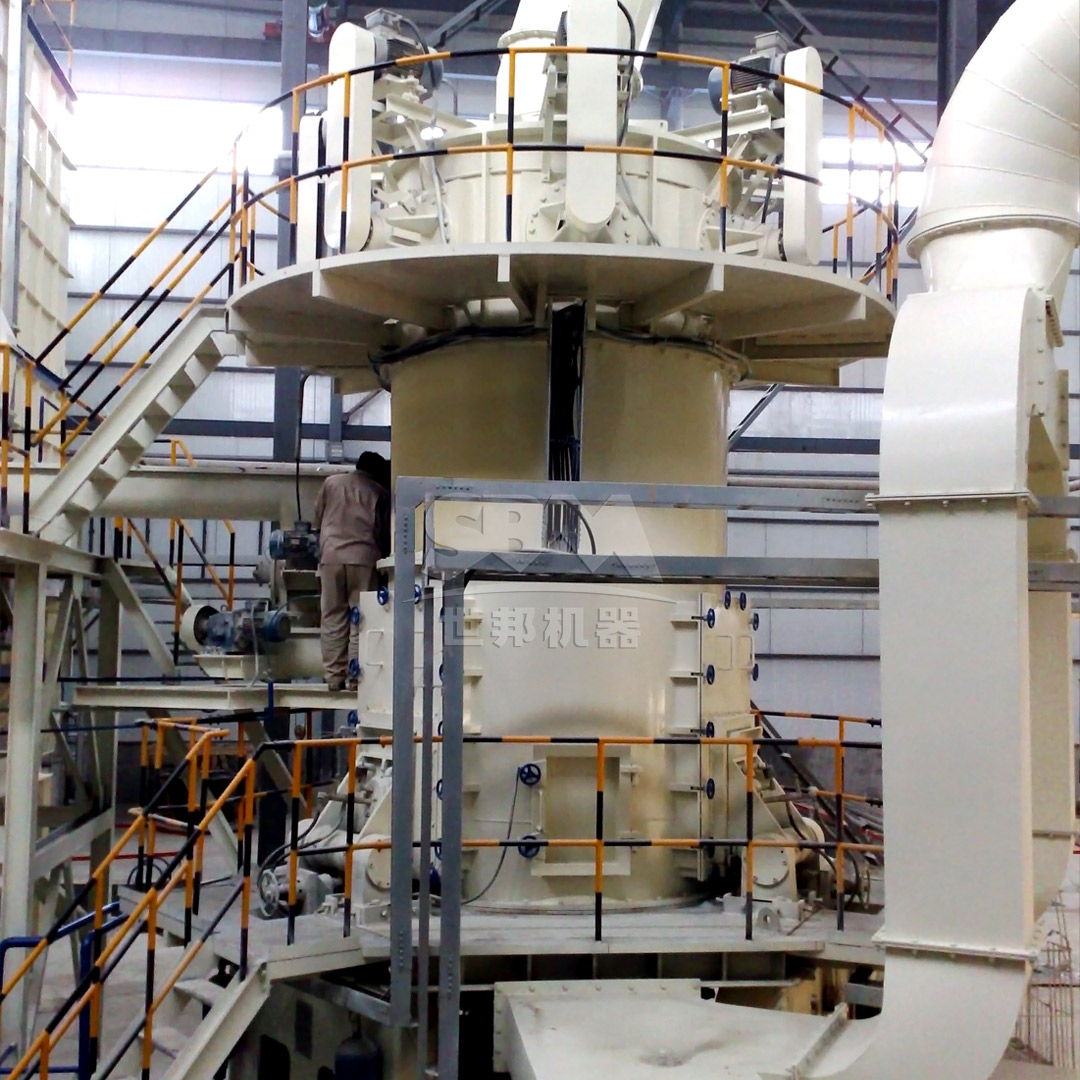
From Waste to Wealth: High-Value Applications for Processed Marble Powder
Finely ground marble powder is a versatile material with applications across numerous industries. The key to unlocking its value lies in achieving the correct particle size and purity, which is where precision grinding technology becomes indispensable.
1. Construction and Building Materials
- Fillers and Extenders: Fine marble powder (30-200 mesh) is used as a cost-effective filler in plastics, paints, adhesives, and sealants, improving properties like volume, durability, and whiteness.
- Artificial Stone and Agglomerates: Mixed with resins, marble powder is the primary raw material for engineered quartz surfaces, terrazzo tiles, and cultured marble.
- Concrete and Cement Additive: Powder can be used as a partial substitute for cement or sand, enhancing workability and the aesthetic of white concrete.
2. Agriculture and Soil Amendment
Calcium carbonate-rich marble powder is an excellent soil neutralizer for acidic soils, providing essential calcium to crops and improving soil structure.
3. Specialty Chemicals and Industrial Products
- Paper and Pulp: Ultra-fine marble powder (over 325 mesh) serves as a coating and filler, providing brightness, opacity, and smoothness to paper products.
- Cosmetics and Pharmaceuticals: High-purity, ultra-fine powder is used as an inert filler and pigment in products like toothpaste, creams, and tablets.
- Animal Feed Supplement: As a source of dietary calcium for livestock and poultry.
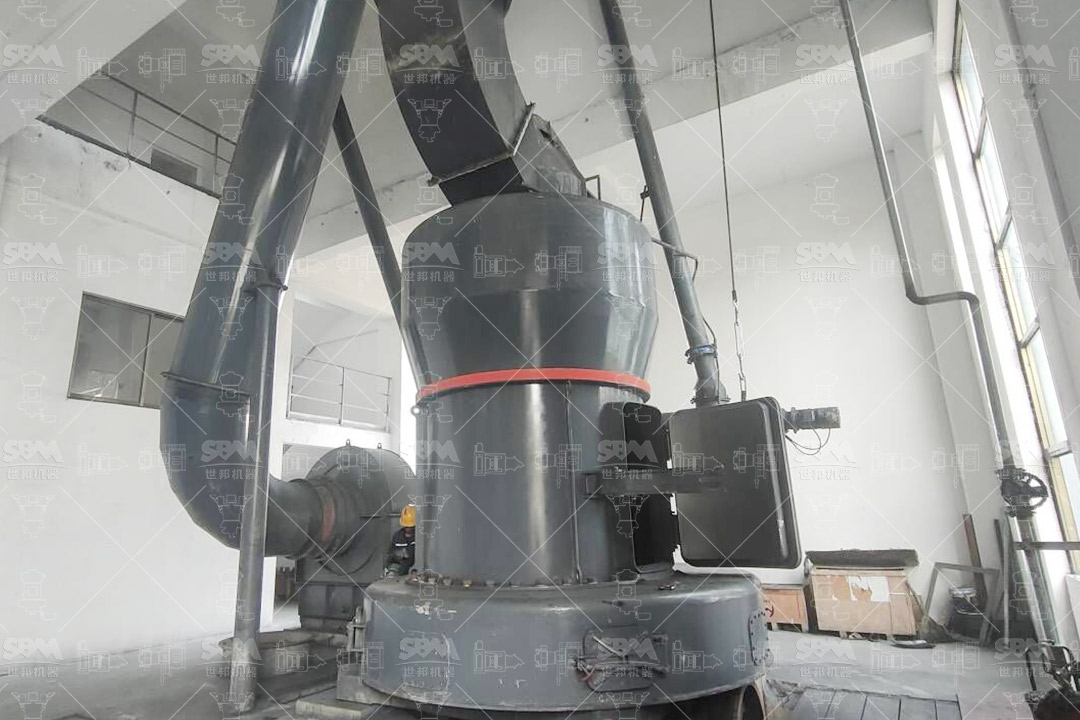
The Heart of the Process: Selecting the Right Grinding Mill
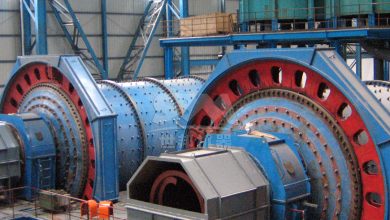
The transformation from coarse scrap to saleable powder is a size reduction journey. The choice of grinding equipment dictates the final product’s fineness, throughput, and overall operational economics. Different stages and end-products require specific mill technologies.
Primary and Secondary Crushing
Large marble slabs and blocks are first reduced to a manageable feed size (typically below 50mm) using jaw crushers or impact crushers.
Fine and Ultra-Fine Grinding: The Critical Stage
This is where the value is added. For producing powders in the range of 30 mesh to 2500 mesh, several advanced mill types are employed. Two highly effective solutions for marble recycling are highlighted below.
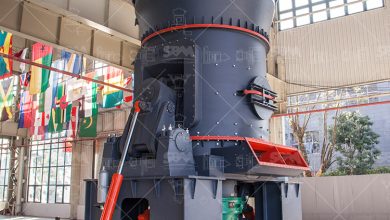
Recommended Solution 1: MTW Series European Trapezium Mill for High-Capacity Fine Grinding
For operations targeting the construction, agriculture, and general filler markets (fineness range of 30-325 mesh), the MTW Series European Trapezium Mill is an ideal workhorse. Its design is particularly suited for processing medium-hard materials like marble into consistent, high-volume powder.
Why it excels for marble scrap:
- High Capacity & Efficiency: With capacities from 3 to 45 tons per hour, it can process large volumes of scrap efficiently. Its integral bevel gear drive achieves up to 98% transmission efficiency, saving energy.
- Robust and Low-Wear Design: The patented anti-wear shovel and curved grinding roller design significantly extend the life of wear parts, reducing maintenance costs—a crucial factor when processing abrasive stone.
- Precise Classification: An optimized arc air duct and wear-resistant volute structure ensure stable airflow and high-efficiency classification, yielding a uniform product with minimal oversize particles.
- Eco-Friendly Operation: The mill can be equipped with advanced pulse dust collection systems, ensuring a clean production environment that meets international emission standards.
For a typical marble recycling plant aiming to produce filler-grade powder, a model like the MTW175G (Capacity: 9.5-25 t/h, Fineness: 10-325 mesh) offers an excellent balance of output, quality, and operational cost.
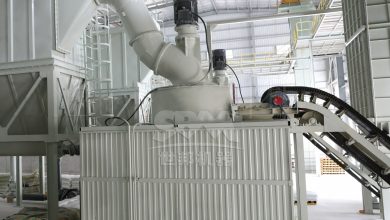
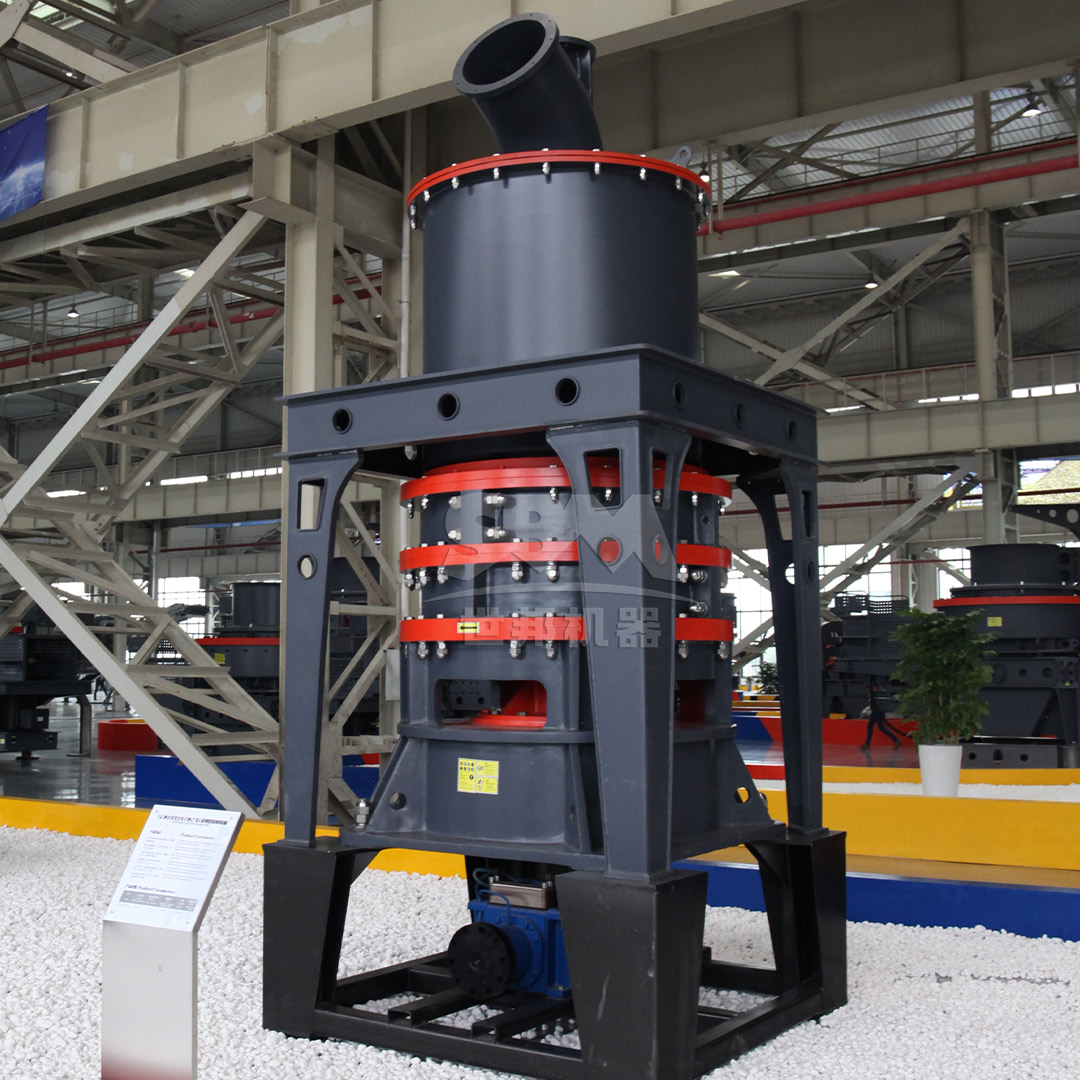
Recommended Solution 2: SCM Series Ultrafine Mill for High-Value Specialty Products
To tap into the premium markets of paper coating, plastics, cosmetics, and high-end paints, producing ultra-fine powder (325-2500 mesh) is essential. The SCM Series Ultrafine Mill is engineered specifically for this demanding application.
Why it’s the choice for ultra-fine marble powder:
- Exceptional Fineness and Uniformity: It reliably produces powder from 325 to 2500 mesh (45-5μm). Its high-precision vertical turbine classifier ensures sharp particle size cuts and a uniform product with no coarse powder mixing, which is critical for specialty applications.
- Energy-Efficient Grinding: Utilizing a layer-by-layer grinding principle with special material rollers and rings, it offers a capacity twice that of jet mills while consuming 30% less energy, dramatically lowering production costs per ton of high-value powder.
- Durable and Stable: The shaftless screw grinding chamber design and reinforced components provide remarkable stability and longevity, even under continuous operation grinding hard materials.
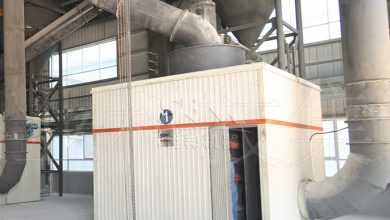
- Intelligent and Clean: Features like automatic finished product granularity feedback and a pulse dust collection system with over 99.9% efficiency make it a smart, environmentally sound investment.
For processors looking to create premium products from marble slurry or pre-crushed scrap, the SCM1000 model (Capacity: 1.0-8.5 t/h, Fineness: 325-2500 mesh) provides a scalable and highly efficient solution.
Building a Profitable Marble Recycling Business: Key Considerations
- Feedstock Analysis: Assess the quality, quantity, and consistency of your marble scrap source.
- Market Identification: Define your target product specifications and market channels based on fineness requirements.
- Technology Investment: Select grinding equipment like the MTW or SCM series that matches your target fineness, desired capacity, and total cost of ownership goals.
- System Integration: Ensure your mill is part of a complete system including feeding, classification, dust collection, and packaging.
- Economic Viability: Calculate ROI based on equipment cost, operational expenses (energy, wear parts), and the market price of your output products.
Conclusion: Grinding Your Way to a Sustainable Future
Marble scrap is no longer just waste; it is a raw material waiting to be valorized. By leveraging advanced grinding technologies such as the MTW Series European Trapezium Mill for fine powders and the SCM Series Ultrafine Mill