Desulfurization and Denitrification Activated Carbon Production Equipment and Process Flow Overview
Introduction
The escalating global emphasis on air quality and stringent environmental regulations have positioned flue gas treatment as a critical industrial process. Among the various technologies available, activated carbon adsorption stands out for its efficiency in simultaneously removing sulfur oxides (SOx) and nitrogen oxides (NOx). The production of high-performance activated carbon tailored for desulfurization and denitrification (DeSOx/DeNOx) is a sophisticated process that hinges on advanced material preparation and processing equipment. This article provides a comprehensive overview of the production process and the pivotal role of specialized milling and grinding machinery in achieving the requisite material properties for effective flue gas purification.
1. The Role of Activated Carbon in Flue Gas Treatment
Activated carbon used for DeSOx/DeNOx is typically impregnated with catalytic agents like ammonia or specific metal oxides. It operates on a principle combining physical adsorption and chemical catalysis. SO2 is adsorbed and oxidized to sulfuric acid, while NOx is reduced to nitrogen and water vapor in the presence of NH3. The efficacy of this process is profoundly influenced by the physical characteristics of the activated carbon itself, most notably its specific surface area, pore structure, and particle size distribution. Optimal performance requires a balanced macro-, meso-, and micro-pore structure to facilitate gas diffusion and provide ample active sites.
2. Key Stages in Activated Carbon Production for DeSOx/DeNOx
The manufacturing process can be segmented into several key stages, each demanding precise control.
2.1 Raw Material Selection and Pre-treatment
High-carbon content materials such as coal (anthracite, bituminous), coconut shells, or wood are selected. The raw material is first crushed and screened to a uniform size to ensure consistent carbonization and activation.
2.2 Carbonization
In this stage, the raw material is heated in an oxygen-deficient environment to temperatures between 400-800°C. Volatile components are driven off, leaving a fixed carbon skeleton with a rudimentary pore structure.
2.3 Activation
Activation, the most crucial step, develops the extensive porous network. It can be achieved through:
- Physical (Thermal) Activation: The carbonized material is treated with oxidizing gases (steam, CO2) at high temperatures (800-1100°C). This gasification reaction etches and widens the pores, dramatically increasing surface area.
- Chemical Activation: The raw material is impregnated with chemicals (e.g., KOH, H3PO4, ZnCl2) before carbonization. The agent acts as a dehydrant and catalyst, leading to high yields and well-developed porosity at lower temperatures.
2.4 Impregnation
For catalytic DeNOx functionality, the activated carbon is impregnated with aqueous solutions containing ammonia or metal salts (e.g., V, Cu, Fe). The impregnated carbon is then dried to fix the catalytic agents within the pores.
2.5 Final Processing: Milling and Classification
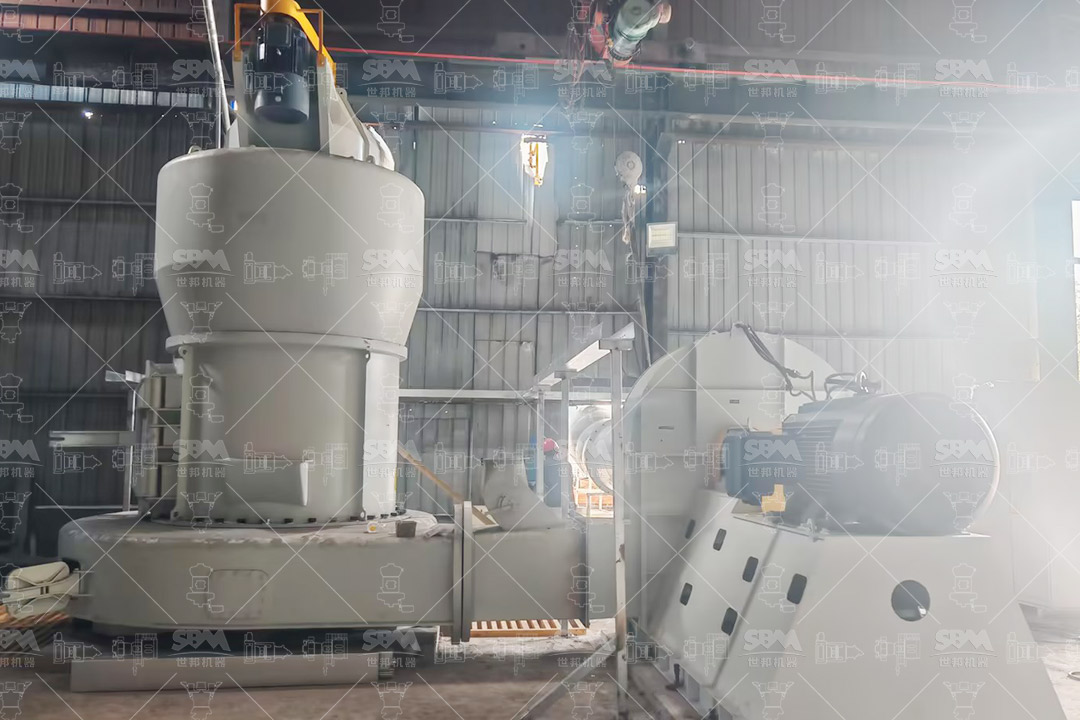
Post-activation and impregnation, the carbon often requires size reduction and precise classification to meet application-specific requirements. Whether for fixed-bed reactors, moving beds, or injection as powdered activated carbon (PAC), the fineness and particle size distribution are critical for kinetics, pressure drop, and overall system efficiency.
3. The Critical Importance of Size Reduction Equipment
The final milling stage is not merely about making the carbon “smaller.” It is a precision engineering step that directly impacts:
- Adsorption Kinetics: Smaller particles offer a larger external surface area per unit mass, leading to faster adsorption rates.
- Flow Characteristics: In moving or fluidized bed systems, a controlled particle size distribution ensures proper fluidization and minimizes channeling.
- Catalyst Dispersion: Effective milling ensures impregnated catalytic agents are uniformly exposed.
- Dust Formation: Overly fine powder can lead to handling issues and increased particulate emissions, necessitating precise top-size control.
Therefore, selecting the right grinding equipment is paramount. The ideal mill must offer high efficiency, precise particle size control, durability against abrasive materials, and operational reliability.
4. Recommended Equipment for Advanced Activated Carbon Processing
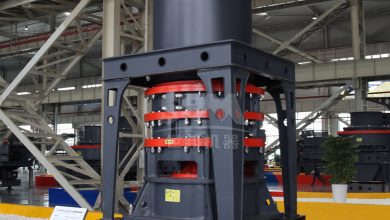
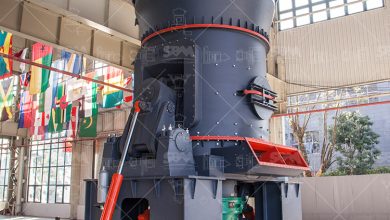
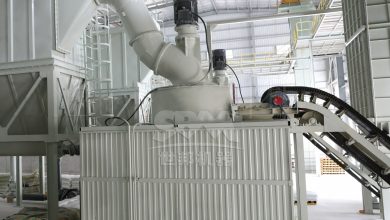
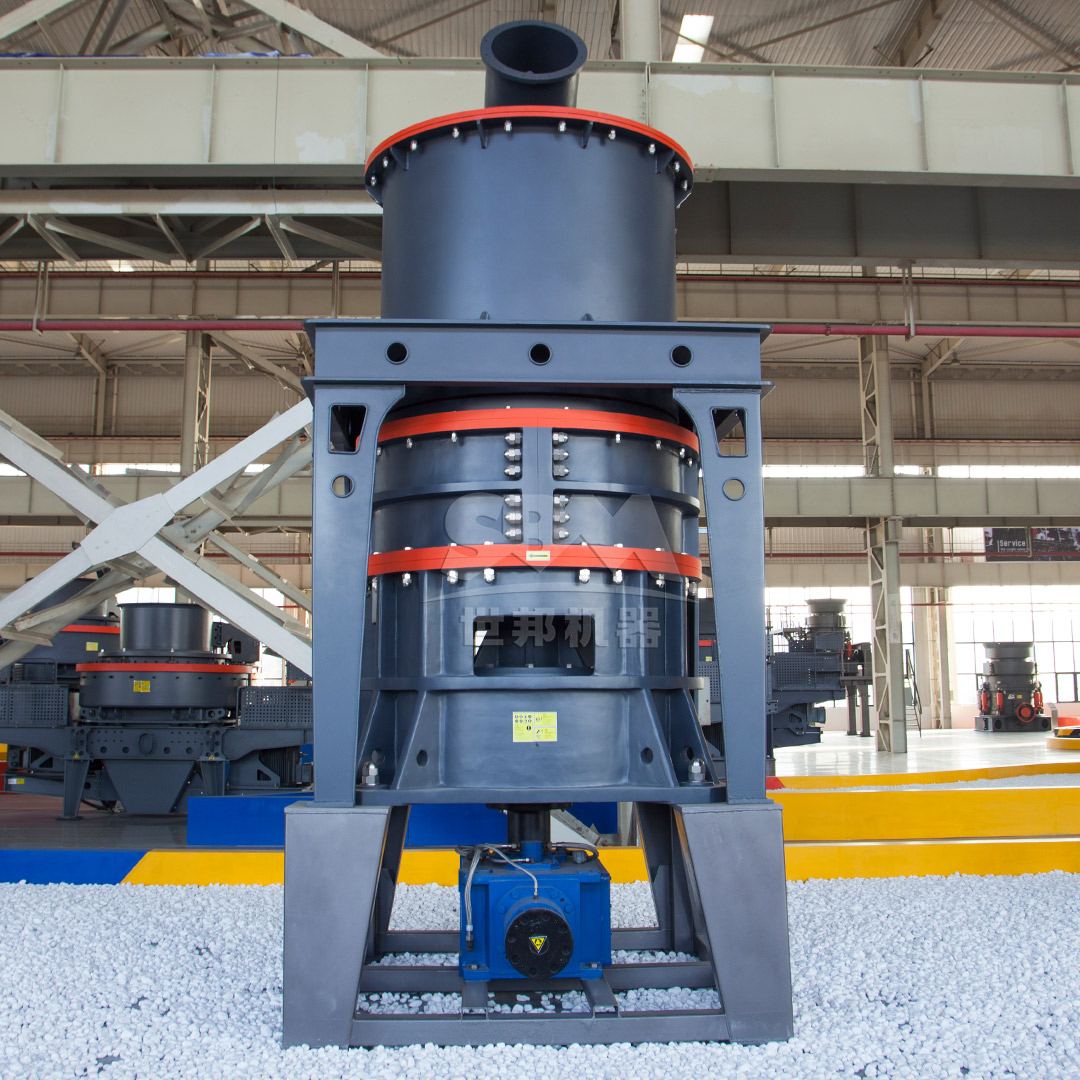
Based on the stringent requirements of DeSOx/DeNOx activated carbon production, we highly recommend our SCM Series Ultrafine Mill and MTW Series European Trapezium Mill as optimal solutions for different stages of the size reduction process.
4.1 For High-Fineness and Specialized Applications: SCM Series Ultrafine Mill
When producing ultra-fine or specially formulated activated carbon powders with fineness requirements ranging from 325 to 2500 mesh (45-5μm), the SCM Ultrafine Mill is the technology of choice. Its core advantages align perfectly with the needs of high-value activated carbon production:
- High Efficiency & Energy Saving: With a capacity twice that of traditional jet mills and 30% lower energy consumption, it significantly reduces operational costs for fine grinding.
- High-Precision Classification: The integrated vertical turbine classifier provides exceptional particle size cutting accuracy, ensuring a uniform finished product without coarse powder mixing. This is vital for consistent adsorption performance.
- Durable Design: The grinding rollers and rings are made from special wear-resistant materials, extending service life several times over when processing abrasive carbon materials.
- Eco-friendly Operation: The system features a pulse dust collector with efficiency exceeding international standards and a soundproof room design, ensuring a clean and compliant production environment.
For instance, the SCM1000 model, with a main power of 132kW, can process 0-20mm feed material into 1.0-8.5 tons per hour of precisely classified ultrafine activated carbon powder, making it ideal for premium-grade product lines.
4.2 For High-Capacity and Versatile Milling: MTW Series European Trapezium Mill
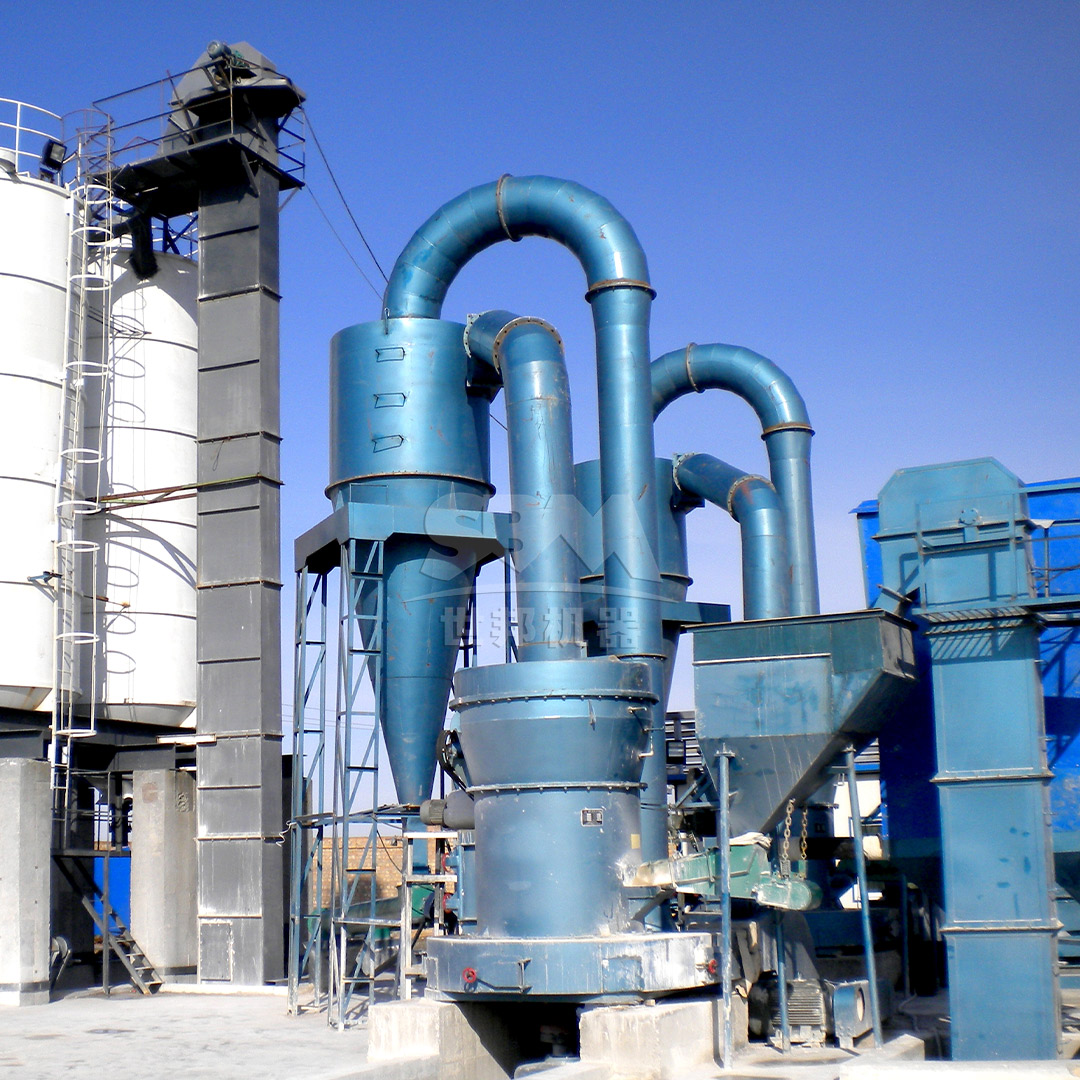
For the primary or secondary grinding of activated carbon to standard mesh sizes (30-325 mesh, or 600-45μm) at high throughput rates of 3 to 45 tons per hour, the MTW European Trapezium Mill offers an unbeatable combination of reliability and efficiency.
- Advanced Drive and Structure: Its integral bevel gear drive achieves up to 98% transmission efficiency, saving energy and space. The wear-resistant volute structure and optimized arc air duct reduce maintenance costs and improve overall system efficiency.
- Anti-wear Design: The combined shovel blade design and curved grinding roller profile are specifically engineered to handle hard, abrasive materials like activated carbon, minimizing downtime for parts replacement.
- Stable Product Quality: The reliable grinding principle and classification system ensure a stable and consistent output fineness, which is crucial for bulk industrial applications.
Models like the MTW215G, with a capacity of 15-45 t/h and a main power of 280kW, are perfectly suited for large-scale production facilities requiring consistent, high-volume output of activated carbon for flue gas treatment systems.
5. Integrated Process Flow with Recommended Equipment
A modern production line integrates these machines seamlessly:
- Primary Crushing: Raw carbonaceous material is reduced to ≤50mm using a crusher.
- Primary Grinding (Optional): For further size reduction before carbonization, an MTW Series Mill can efficiently process material to a suitable size for uniform thermal treatment.
- Carbonization & Activation: Processed in dedicated furnaces.
- Secondary/Precision Grinding: The activated carbon is fed into the grinding circuit. For standard grades, the MTW Mill provides high-capacity processing. For ultrafine or specialty grades, the SCM Ultrafine Mill takes over, achieving the precise fineness required.
- Impregnation & Drying: The sized carbon undergoes catalytic impregnation and drying.
- Final Packaging: The finished DeSOx/DeNOx activated carbon is packaged for shipment.
6. Conclusion
The production of high-efficiency activated carbon for desulfurization and denitrification is a complex, multi-stage process where the final milling and classification steps are critical determinants of product performance. Investing in advanced, reliable, and efficient grinding technology is not an operational expense but a strategic investment in product quality and market competitiveness. Our SCM Series Ultrafine Mill and MTW Series European Trapezium Mill, with their proven track record in processing abrasive materials, precise classification capabilities, and energy-efficient designs, provide the technological backbone necessary for producing superior activated carbon that meets the demanding challenges of modern air pollution control.